
How to Build a Renaissance Faire Costume That Lasts
A Quality Gear Guide
Most first Renaissance Faire costumes come from Amazon, get worn once, and end up forgotten in a box. Not because the enthusiasm faded - but because a cheap costume simply isn't built for a full day at a faire. The dust, the heat, the hours of walking, the spontaneous sword fights and dancing: it adds up fast, and fast fashion was never designed for it.
There is a better way. LARPers have spent decades figuring out how to buy gear that survives years of physical play, weather, and constant wear. That same mindset applied to a renaissance faire kit changes how you shop, what you invest in, and how long your look actually lasts.
If you are heading to your first faire, or planning your second without starting from scratch, this is for you.
Why Most First Renaissance Faire Costumes Fall Apart
You can spot the difference between a cheap (often synthetic) costume and a well-thought out kit at thirty paces.
The costume is the all-in-one Halloween outfit, breeches sewn to the shirt, vest part of the same garment. It is the polyester chemise that becomes a sweat trap by hour two. It is the faux-leather plastic bodice that splits when you reach for a turkey leg. These pieces are designed for one wear. The fabric is wrong, the construction is wrong, and they will not last until next year.
You do not need to spend a fortune to do better. You just need to think about it differently.

How LARPers Approach Renaissance Festival Gear
Here is the shift.
You are not buying a costume for one event. You are starting a kit that will grow with you over years. Pieces get swapped, upgraded, and added.
When you buy a costume, you ask "is this cheap enough?" When you build a kit that lasts, you ask "will this still be good in three years?" Different questions, different answers.
LARPers spend money on gear that needs to survive being thrown to the ground in battle, soaked in rain, dragged through forests, and worn for ten hours straight. That same durability matters at a Renaissance Faire too. The walking is just as long, the sun is just as harsh, the day is just as demanding. The clothes that hold up under those conditions look right because they are real, they are not pretending to be something they are not.
What to invest in?

1. The Foundation of Your Faire Outfit
These pieces earn their cost over years. Buy them well and the rest of your kit grows around them.
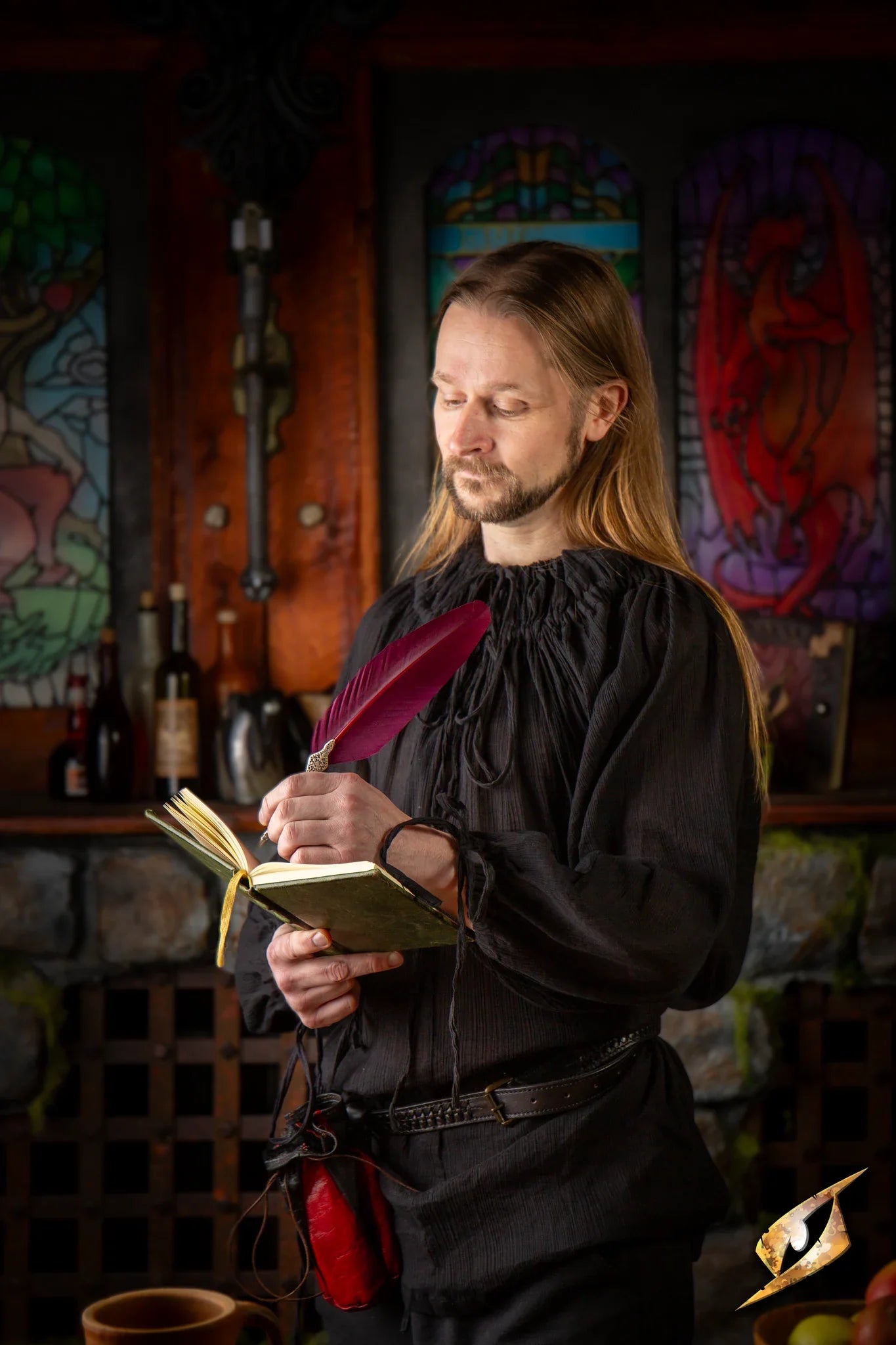
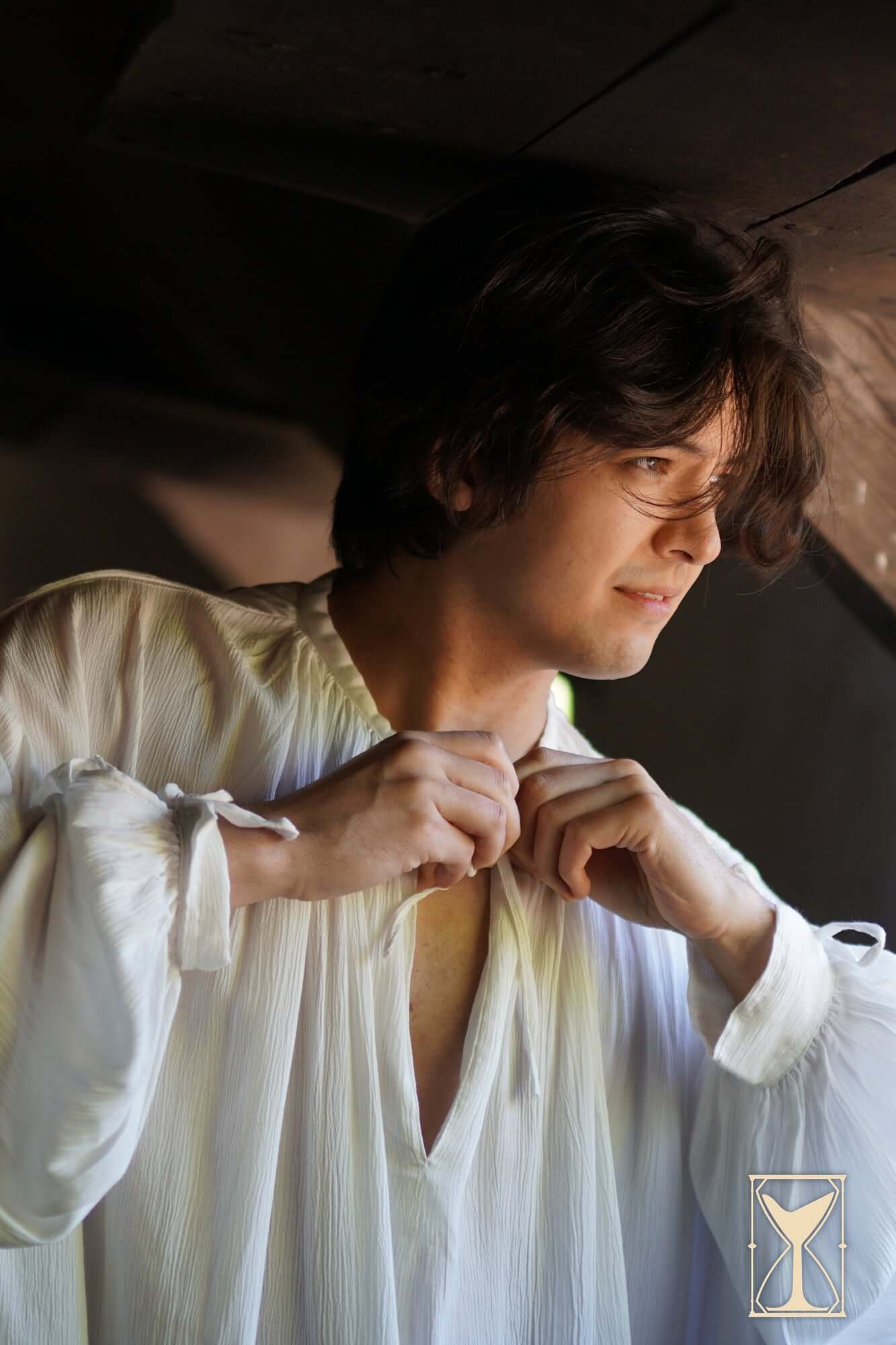
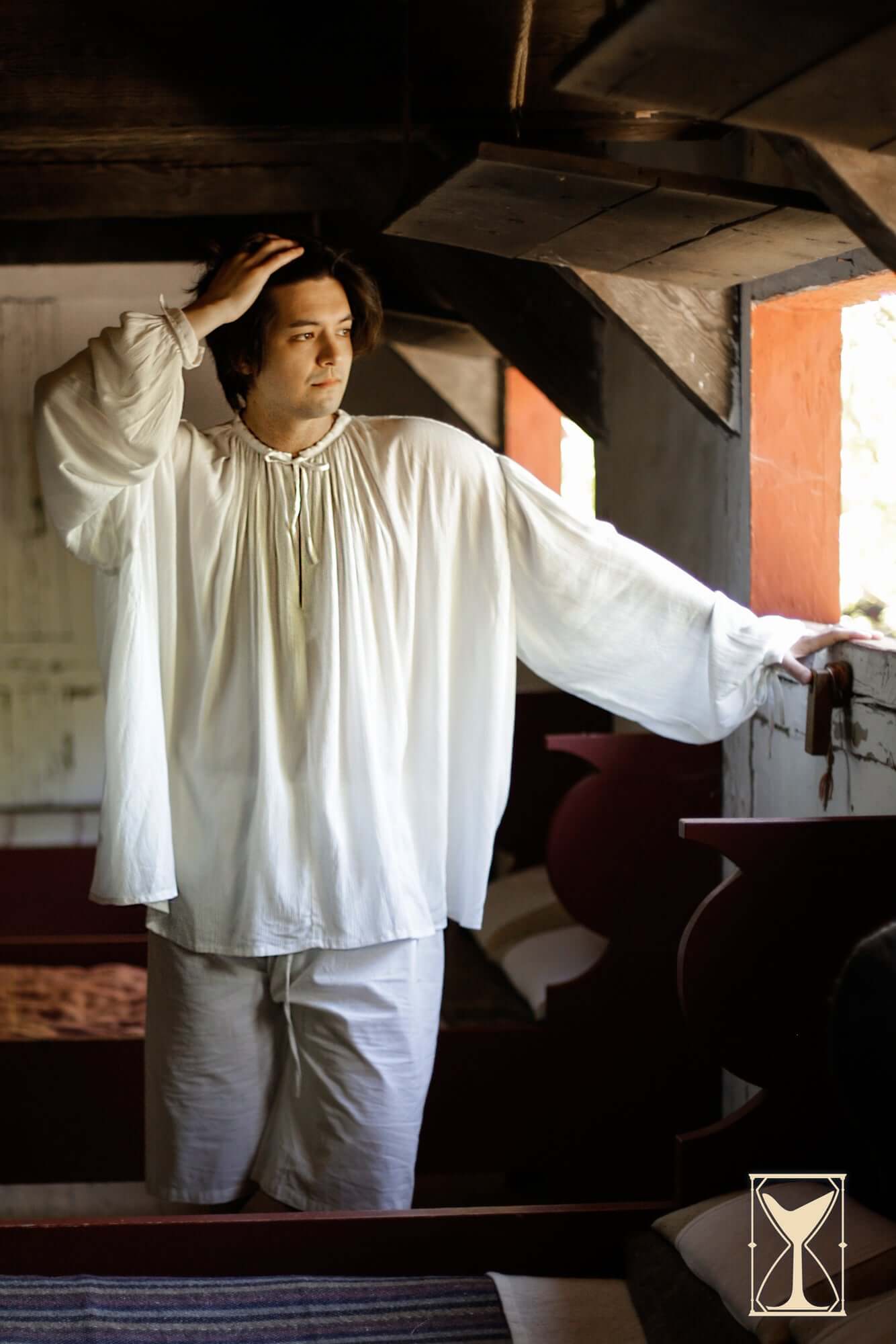
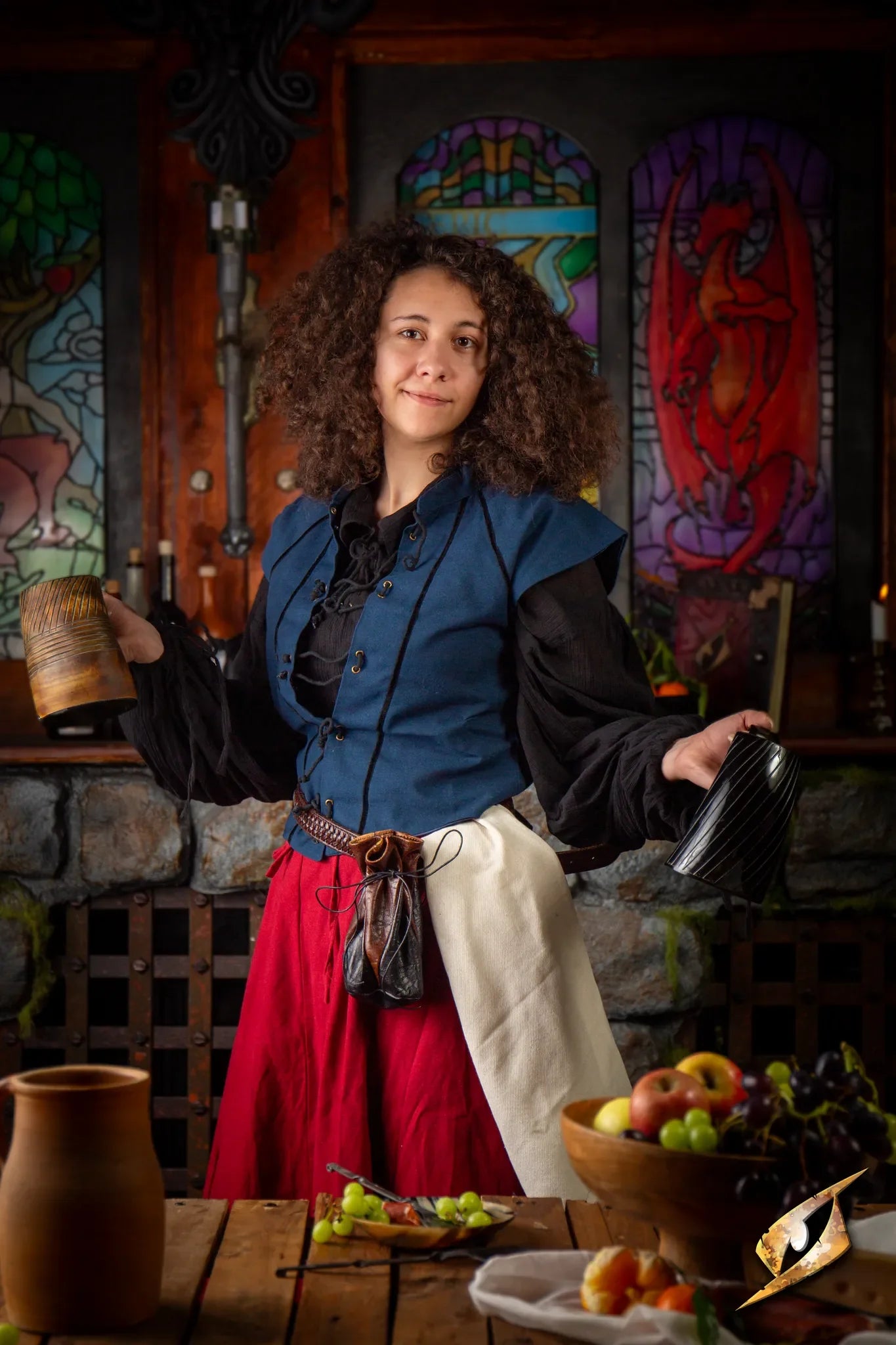
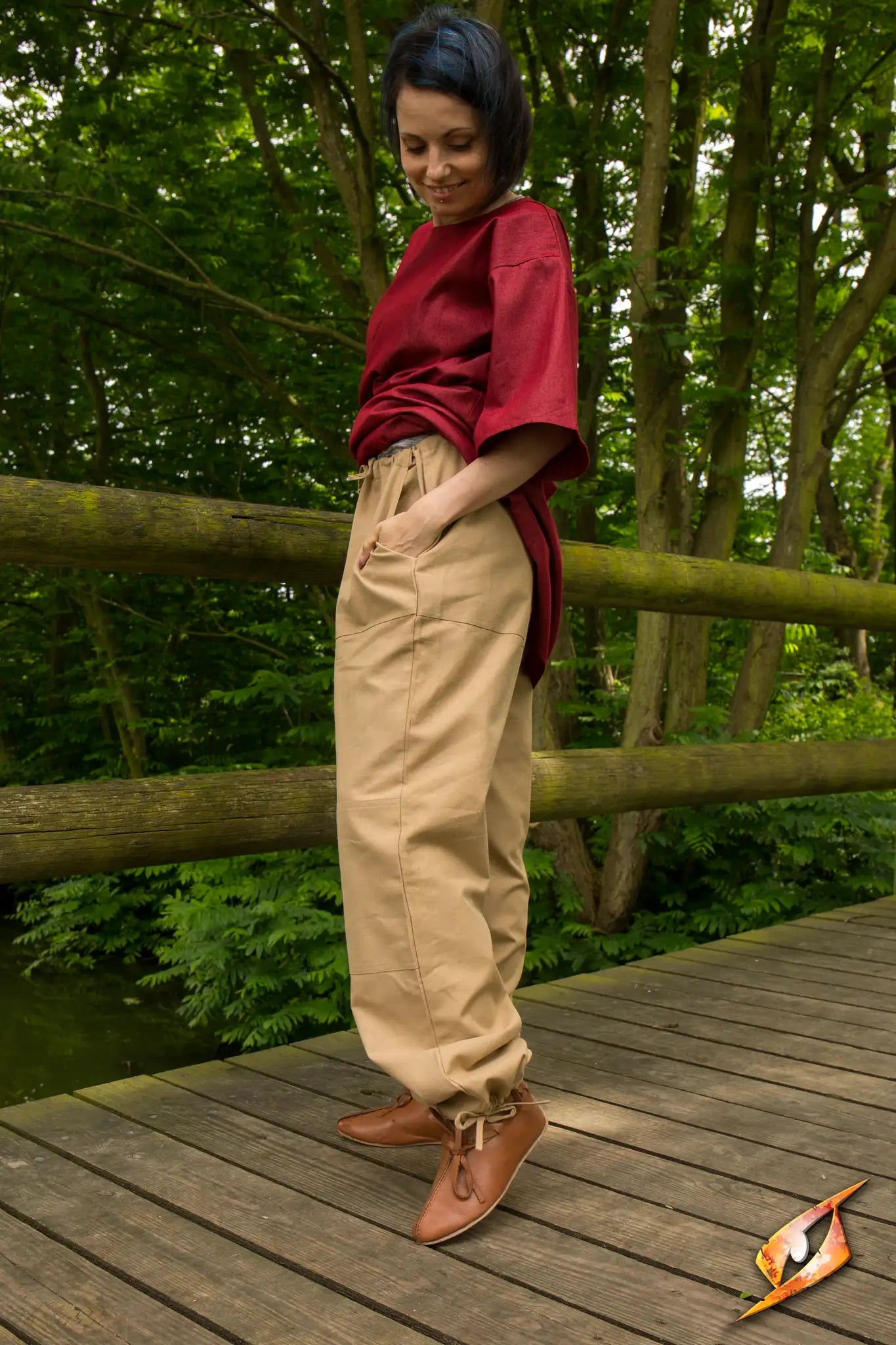
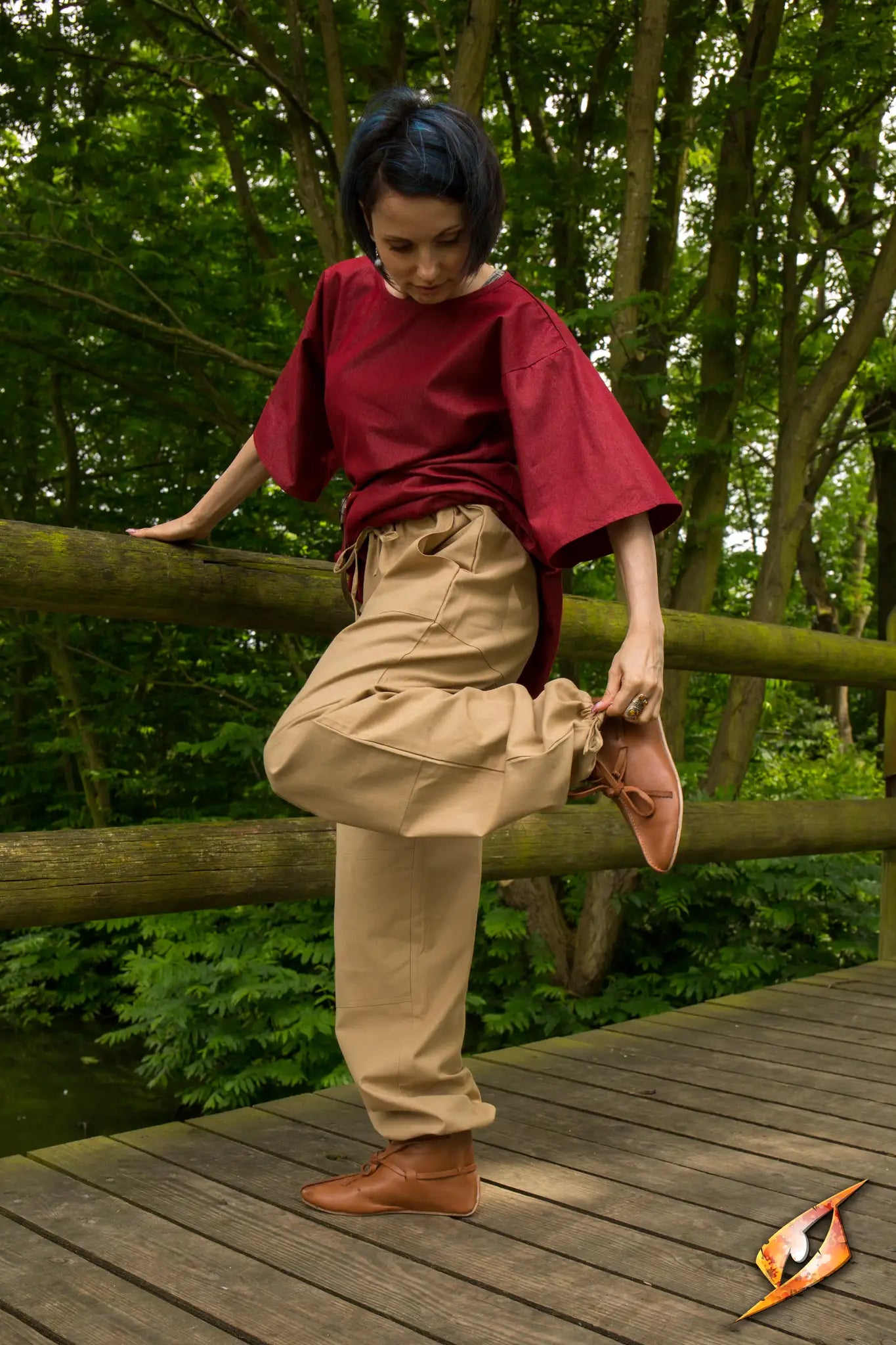
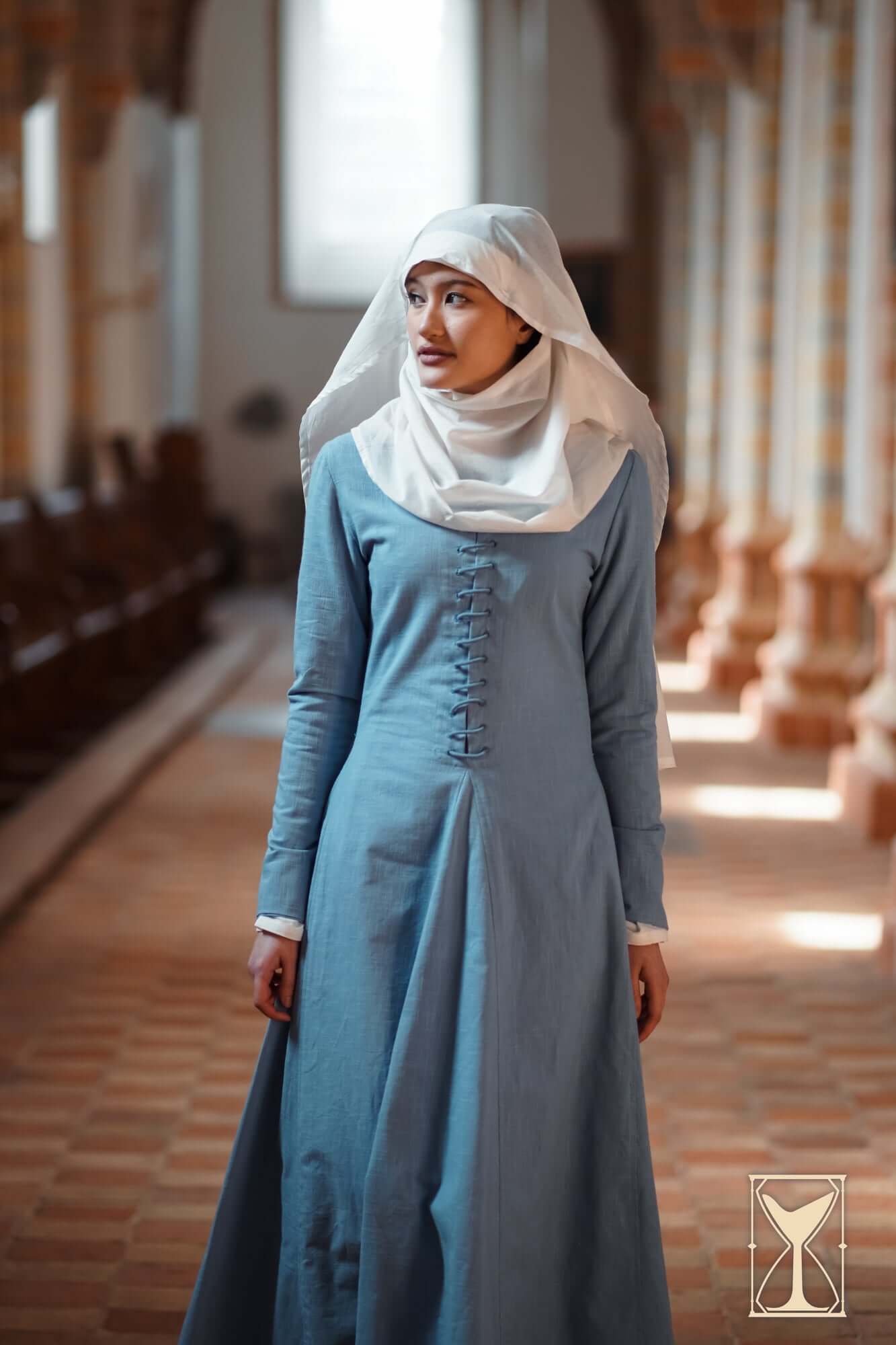
A linen or cotton chemise or shirt. This is the layer next to your skin. It absorbs sweat, breathes in the heat, and forms the base of every layered look you will ever build. Polyester chemises feel like wearing a plastic bag in summer. Spend the extra here.
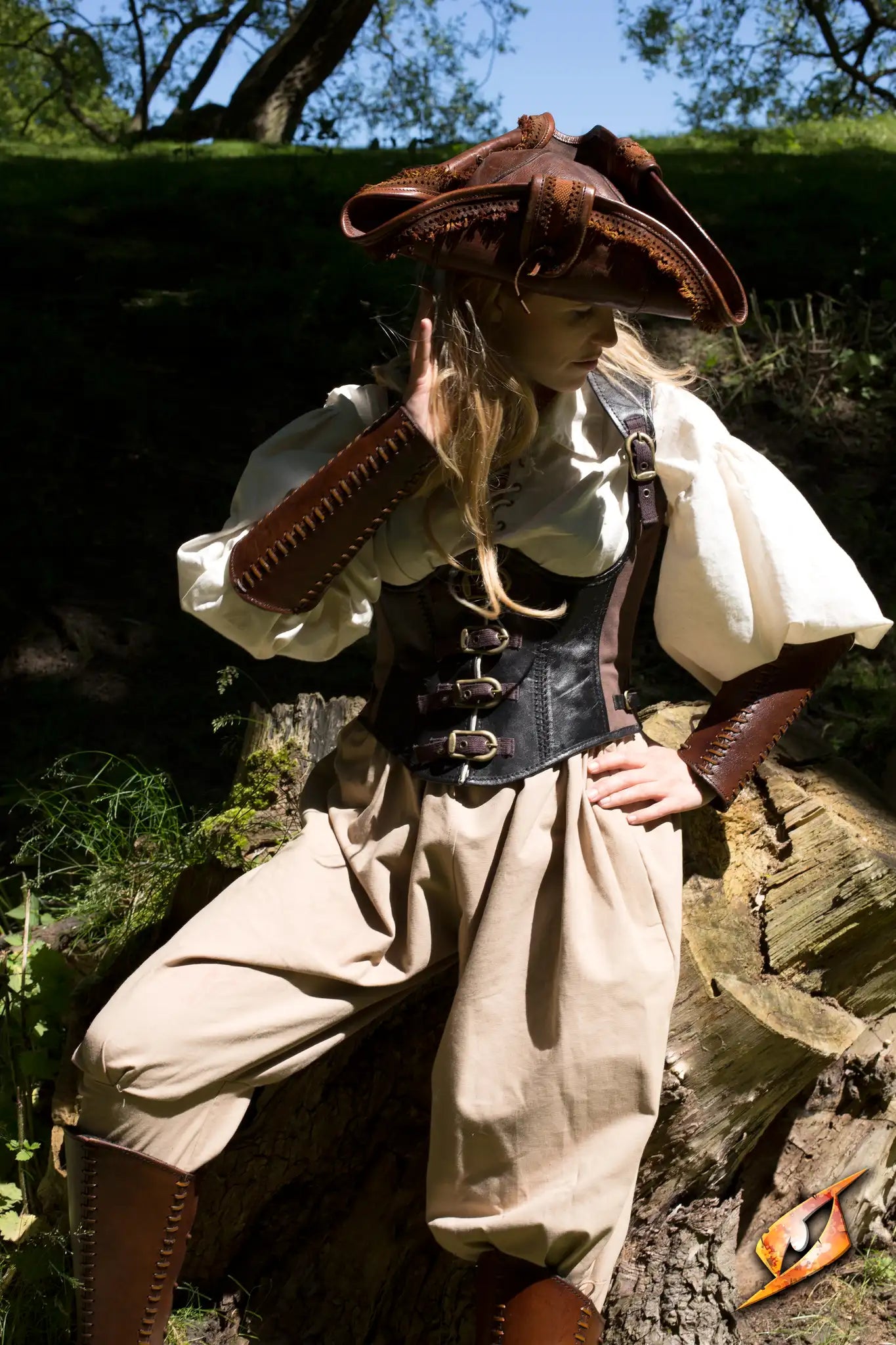
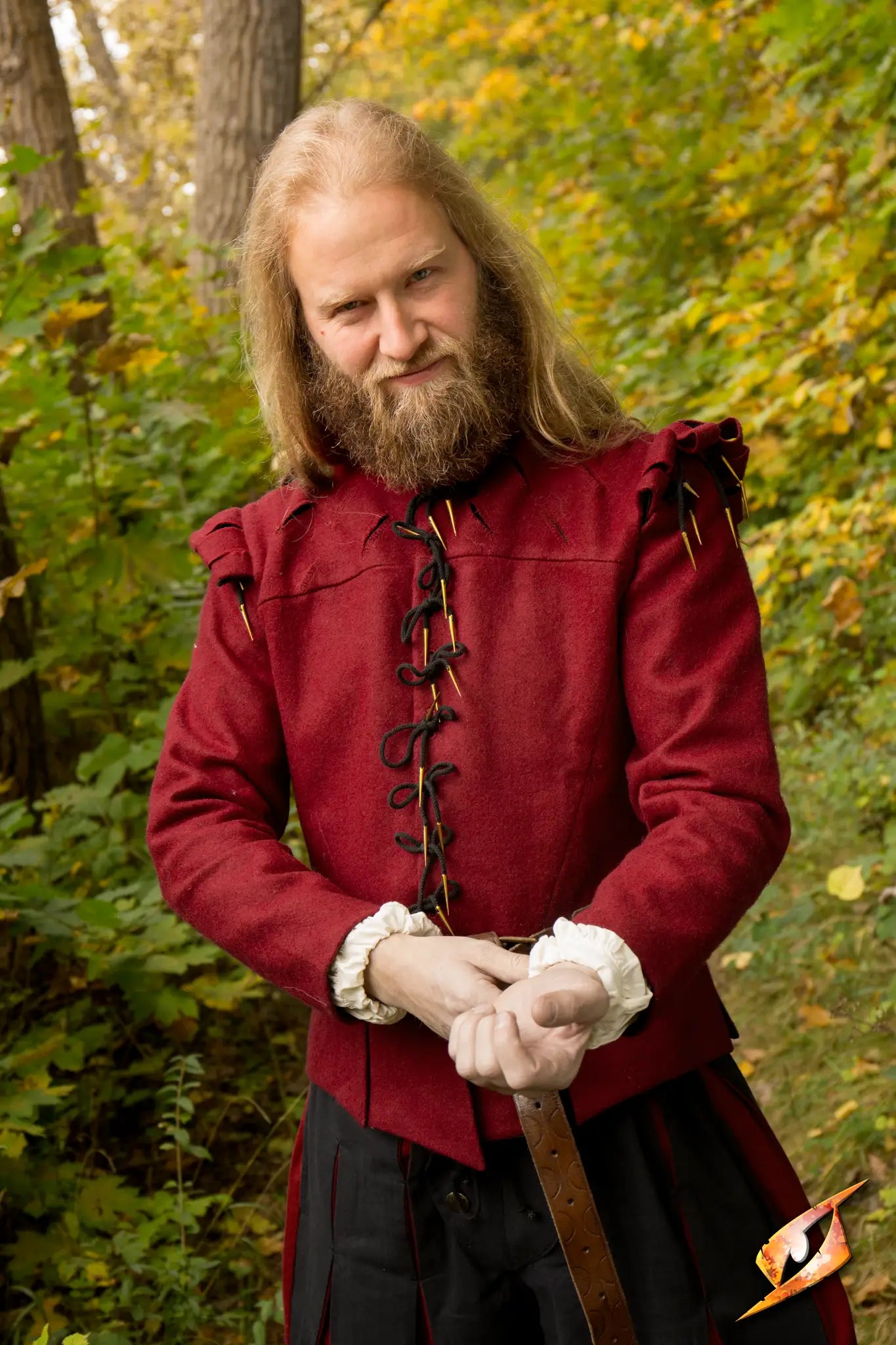
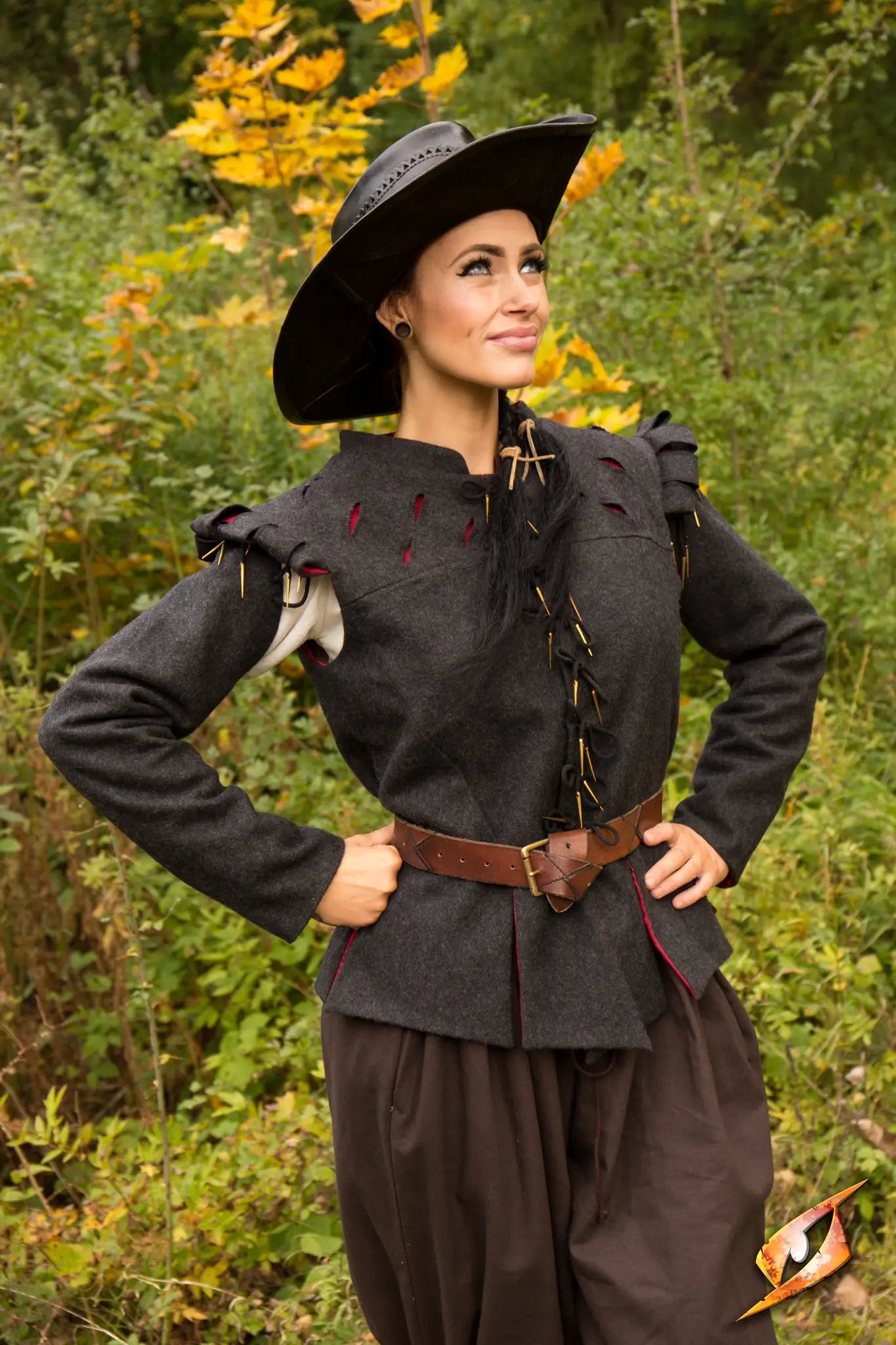
A well-made bodice, doublet, or jerkin. Real lacing, finished seams, natural materials, and fabric that holds its shape. A good one works across multiple looks for years.
A real leather belt. Not pleather, not vinyl. This is the anchor of your entire kit. It holds your pouch, your mug, your weapon, and the look together.
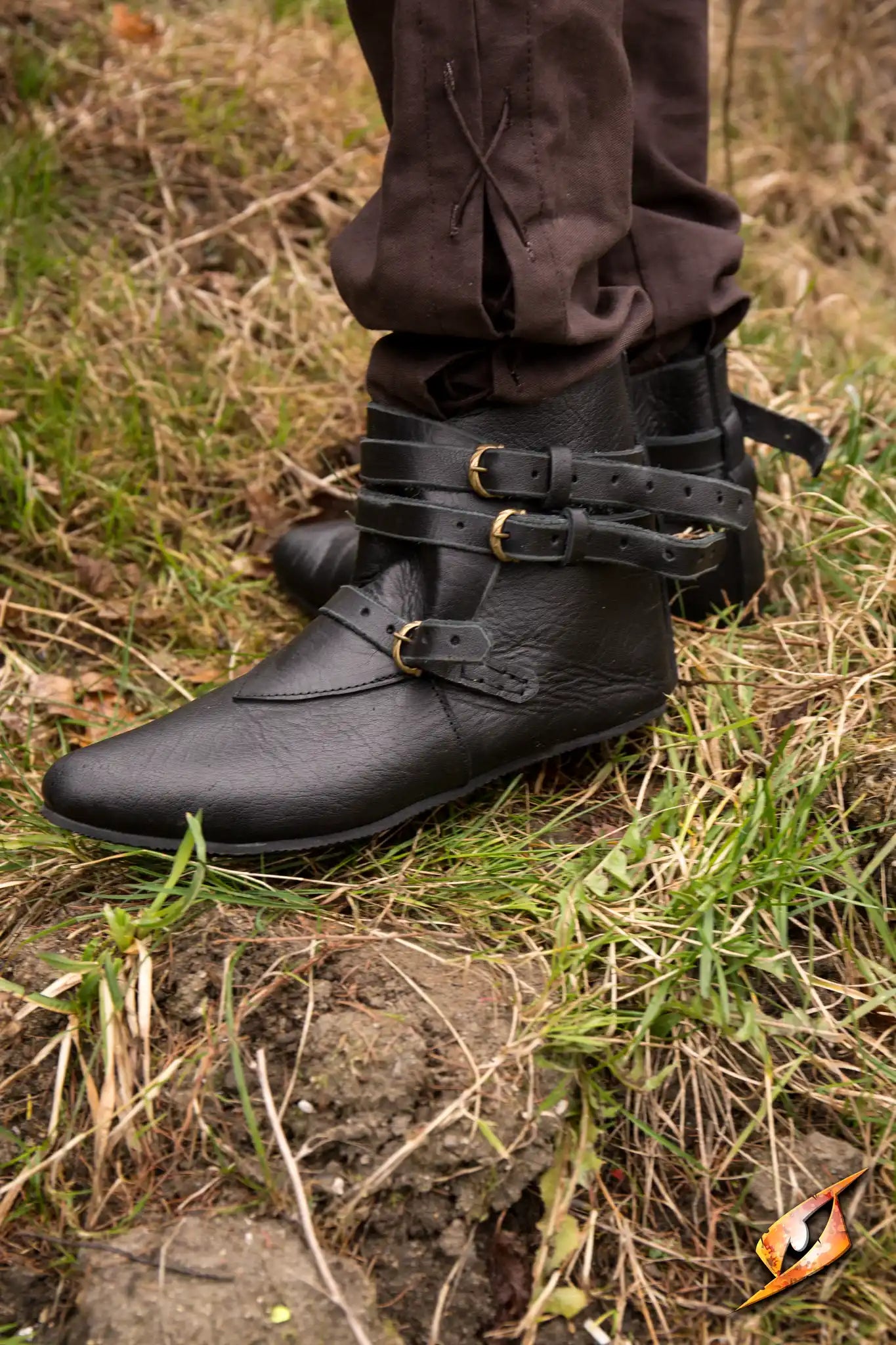
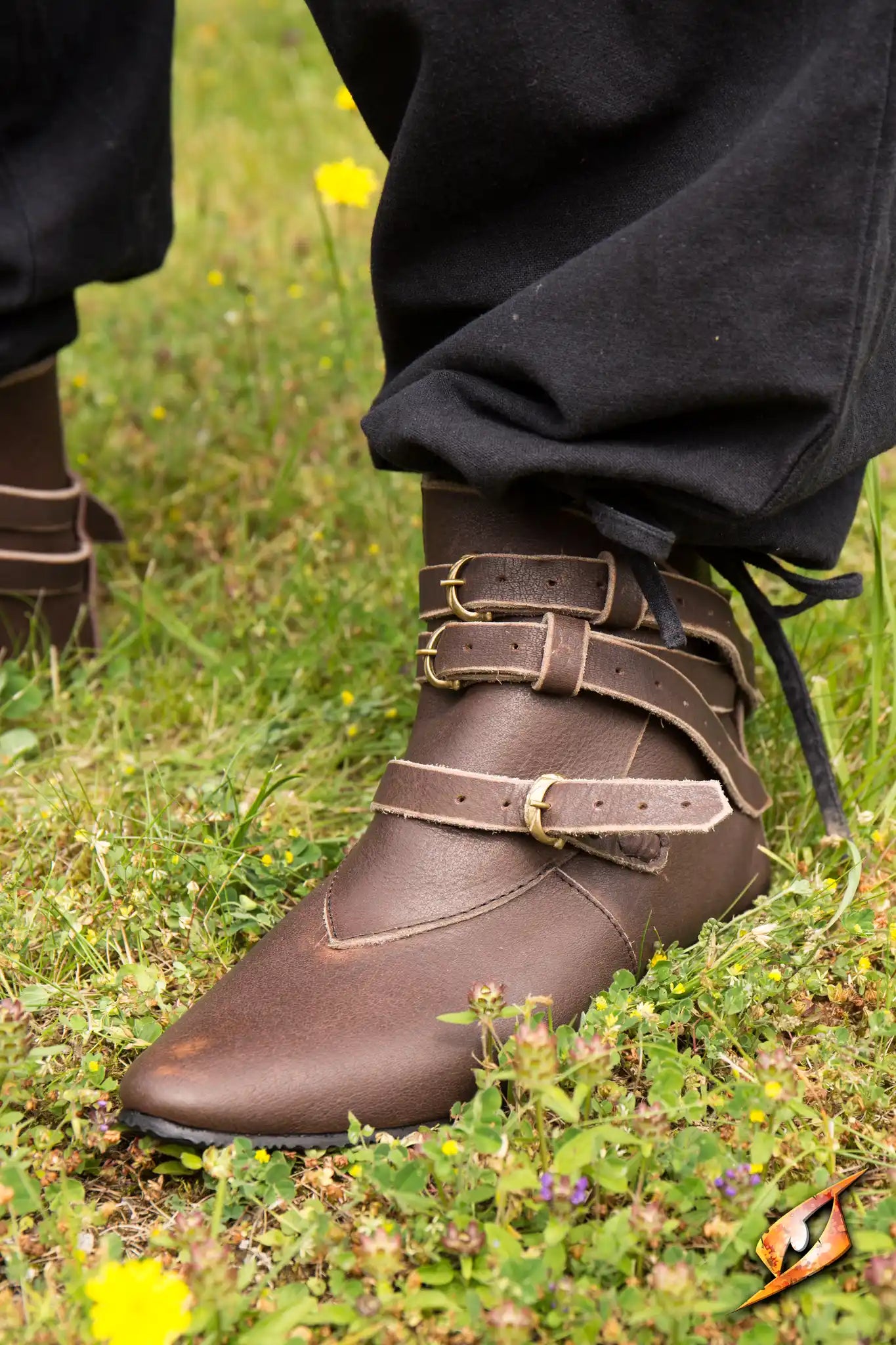
Footwear that survives the day. You will walk for miles on uneven ground. The right boots protect your feet. The wrong ones will end your day at hour four.
These four pieces are the bones of any kit.
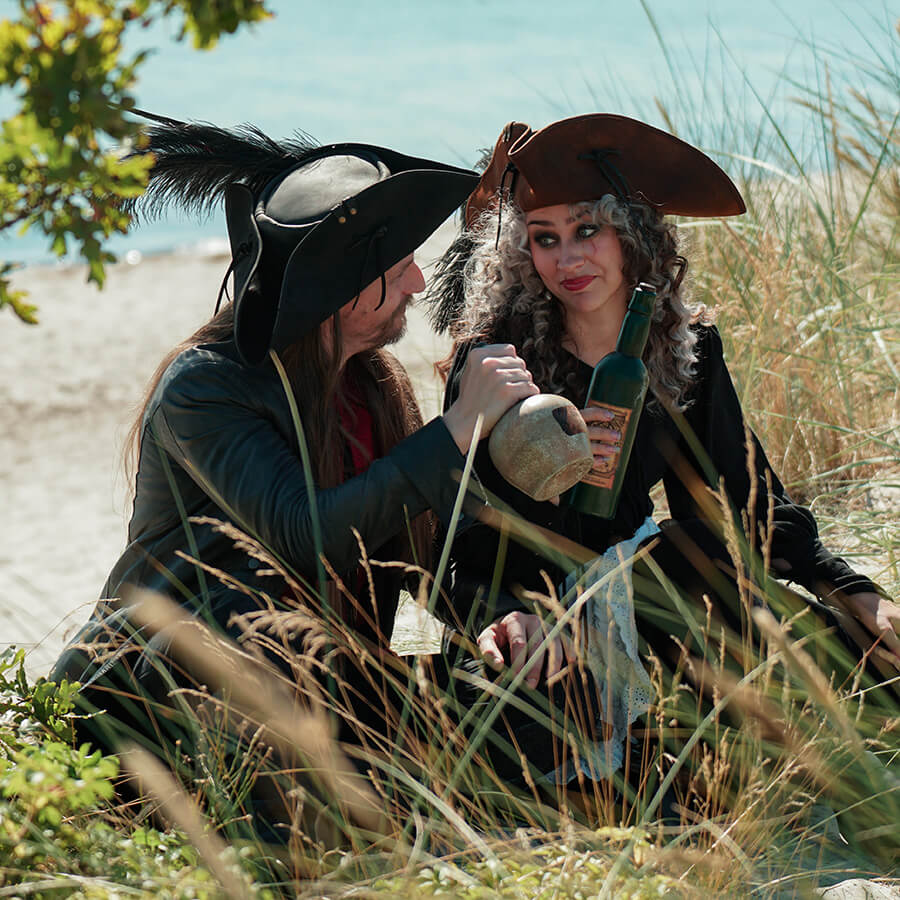
2. The Personality of Your Renaissance Faire Costume
Once your foundations are in place, this is where the kit becomes yours.
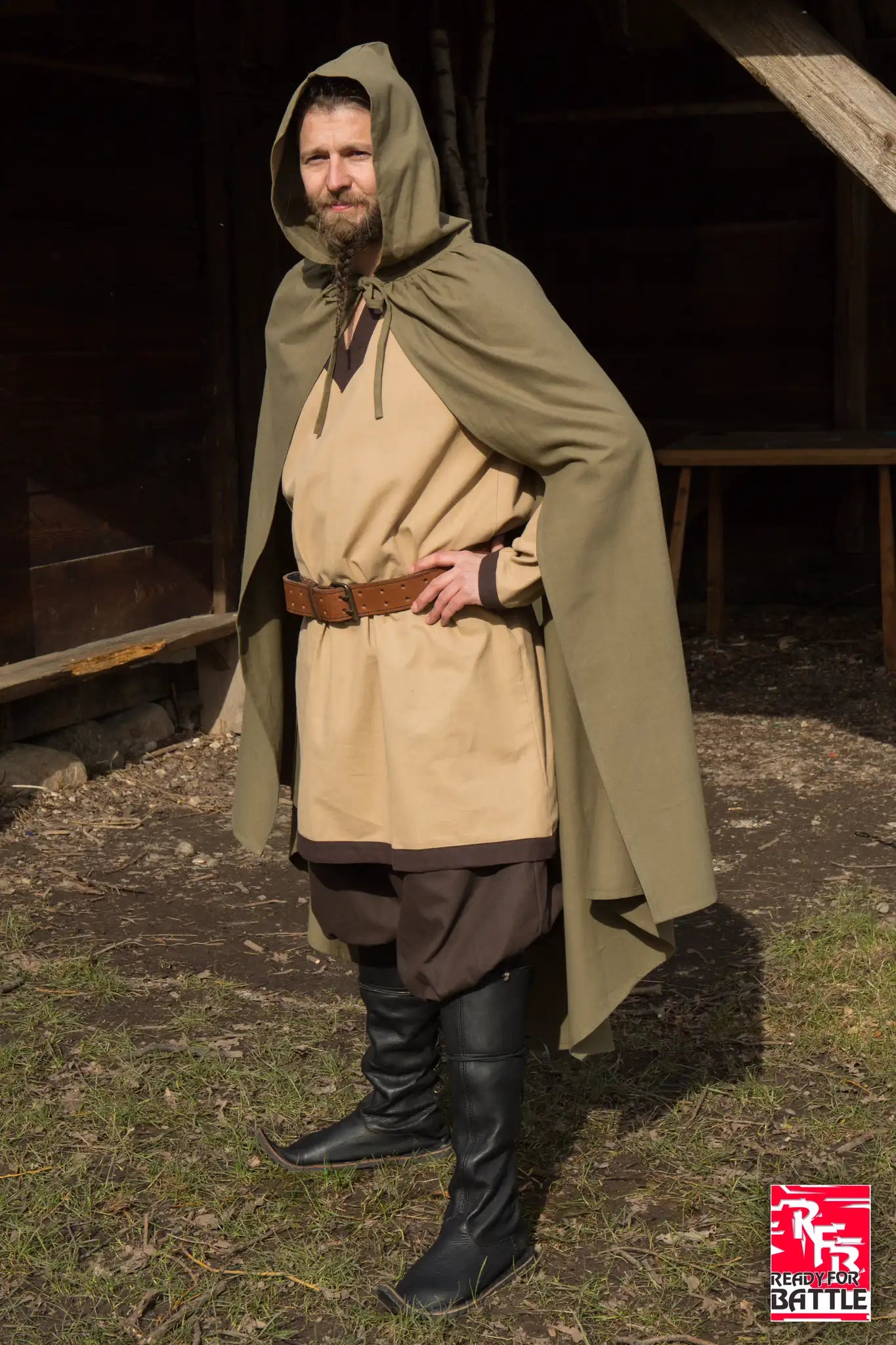
The cloak you find at a faire vendor and never want to take off. The belt pouch that catches your eye. The hat with character. The jewellery that ties your look together.
Add these slowly, over multiple events, as you figure out who your faire self actually is. The pieces you add after a few events are almost always better than the ones you would have rushed to buy on day one.
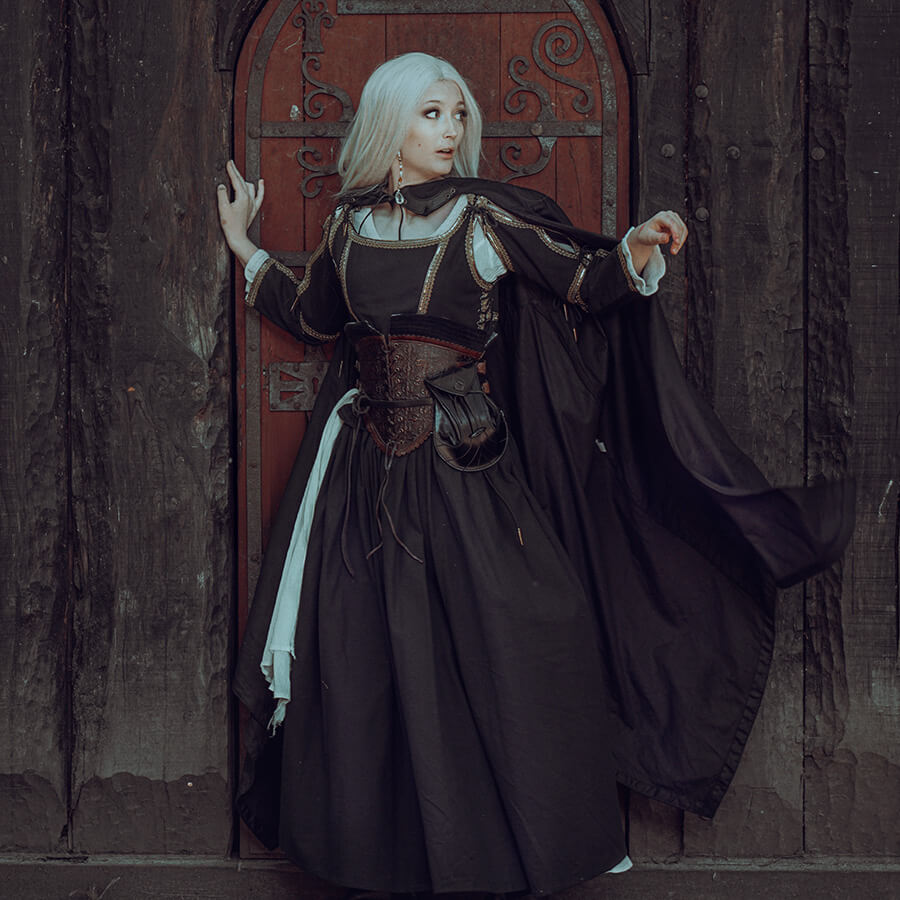
This is also where character emerges. Ranger, fairy, pirate, noble. Your foundation pieces work for any of these. Your personality pieces decide which.
Base layers
our recommendations


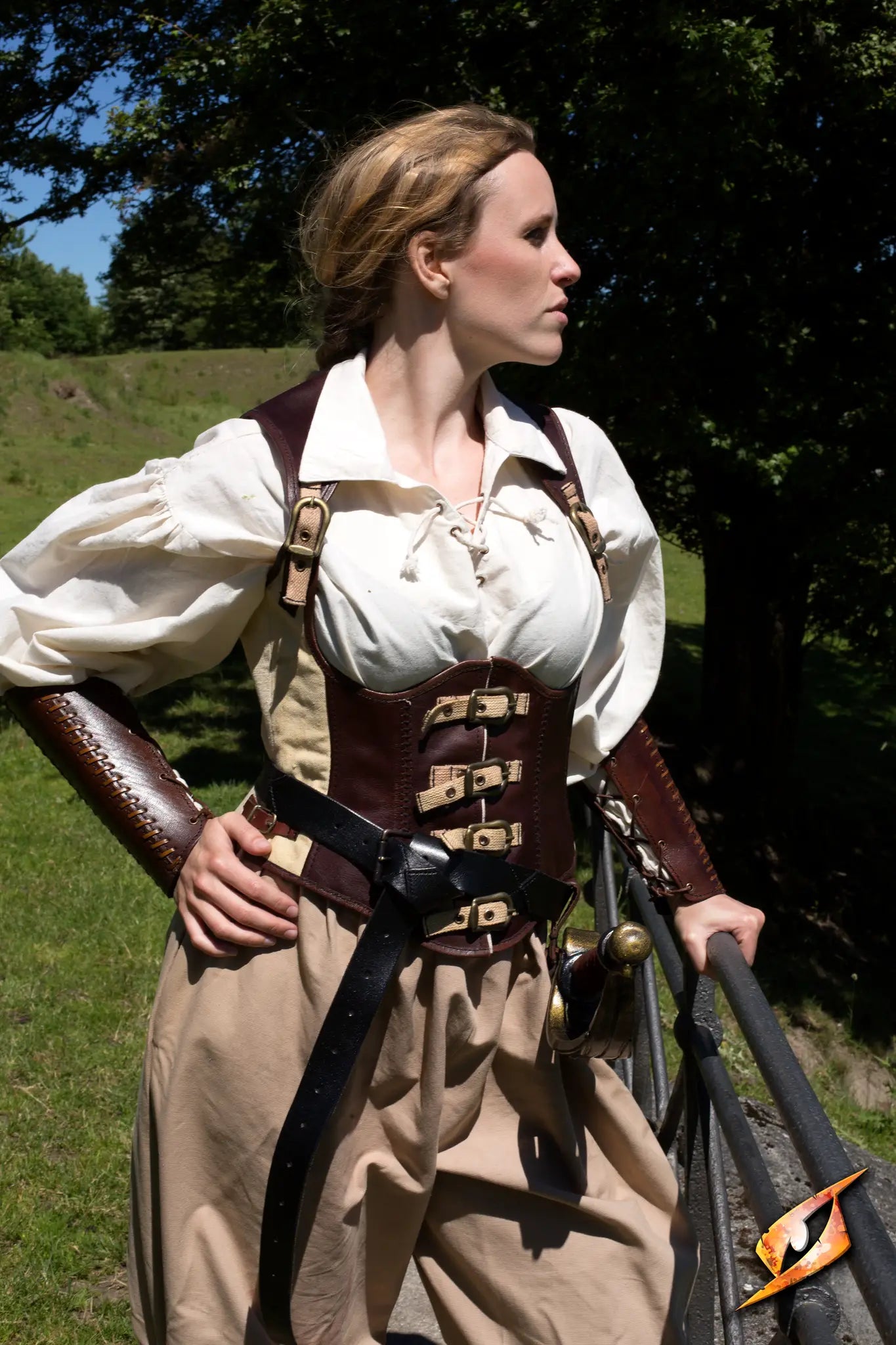
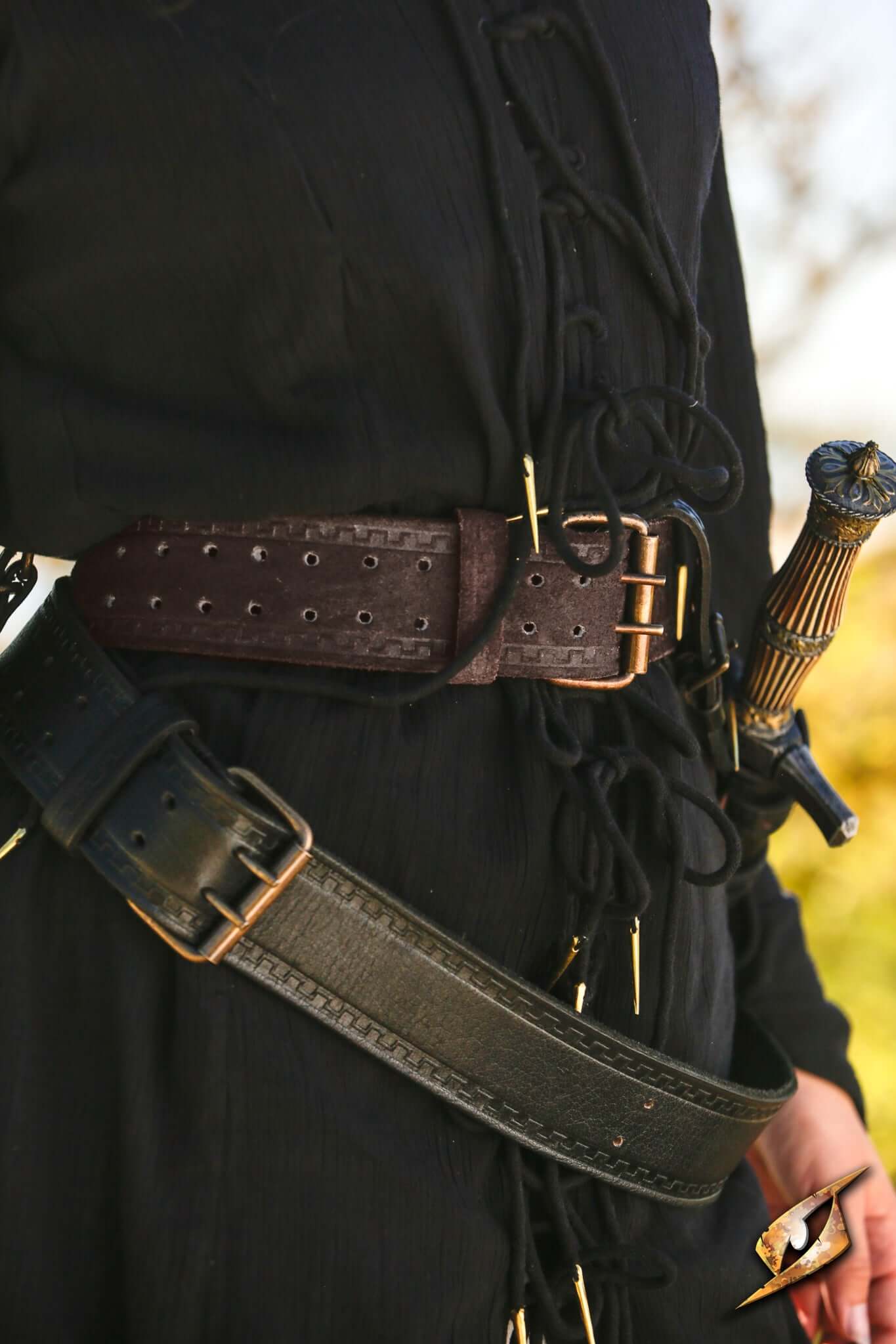
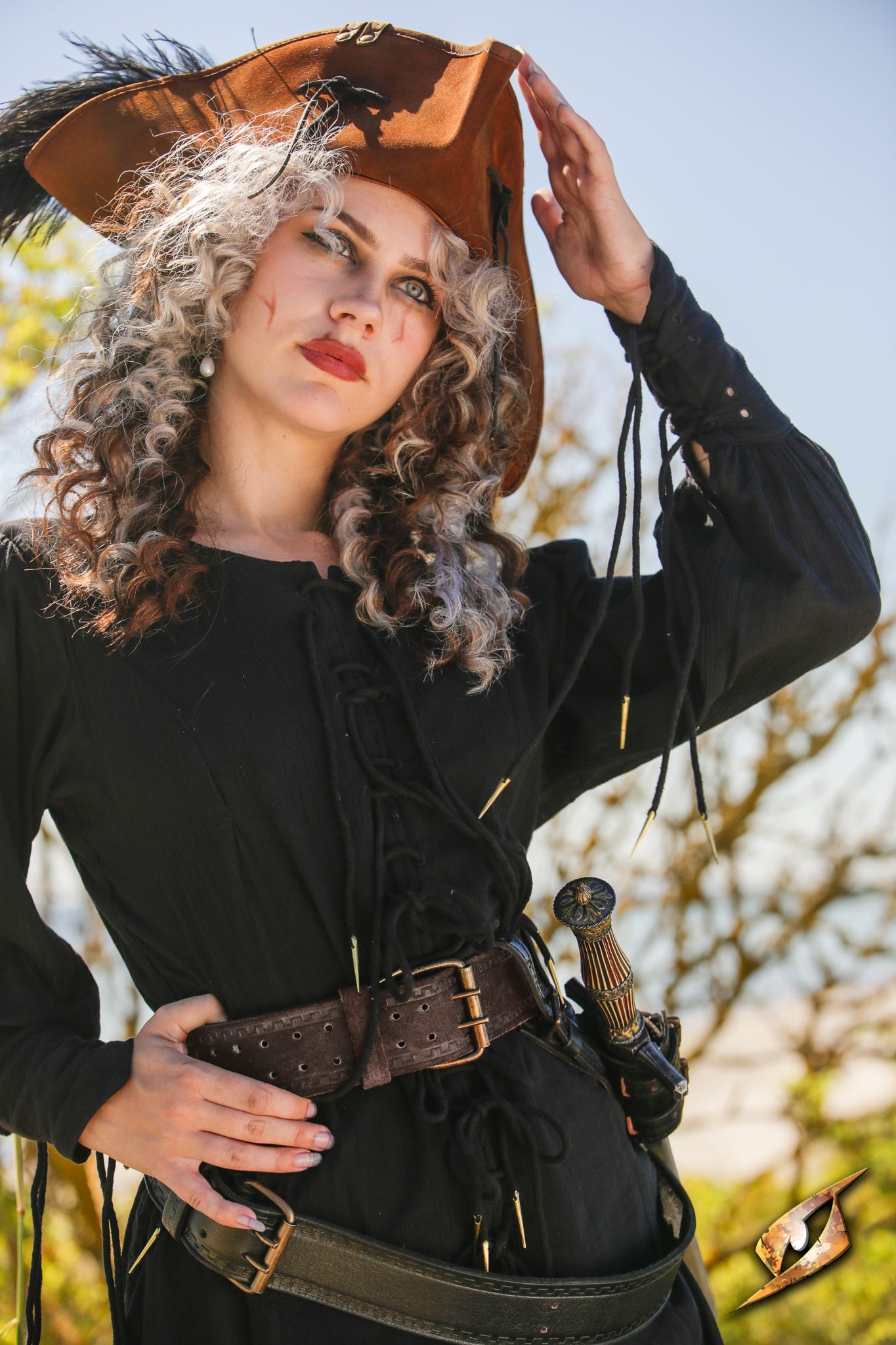
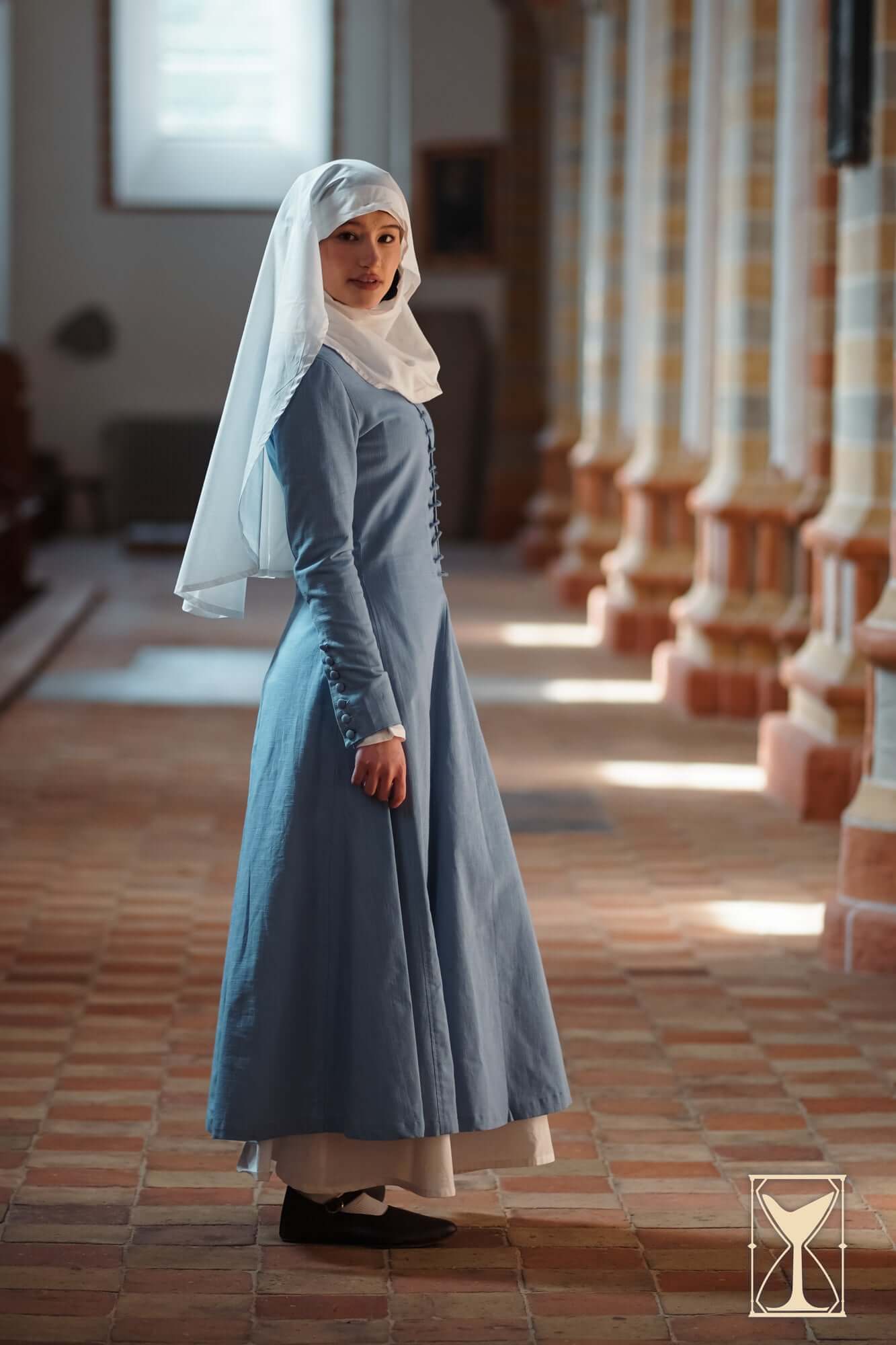
What to Skip Until Later
A few honest warnings.
- Custom-made specialty pieces before you know your aesthetic. The bespoke corset, the commissioned cloak in a specific colour. Wonderful additions to a kit you have figured out. Expensive mistakes when they lock you into a look you will outgrow in six months.
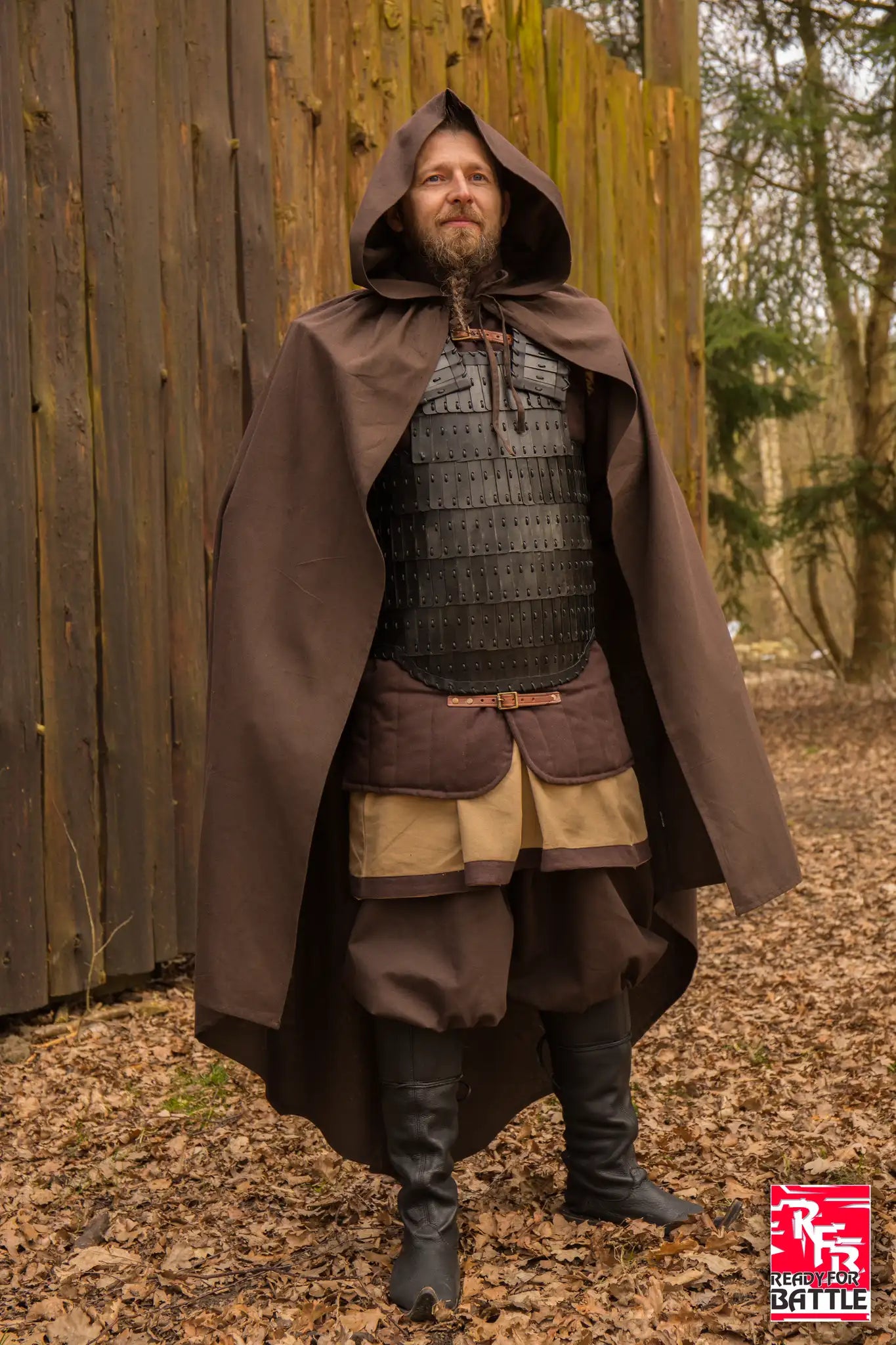
- Heavy armour for a character you have not committed to. A breastplate or chainmail shirt is excellent gear for the right person, but only after you have decided this is your path.
- Anything chosen for one specific weekend or theme. If it only works for pirate weekend, you are spending kit-building money on costume thinking.
Foundations first, personality second, specialty pieces only when you know what you want.

How to Spot Quality Renaissance Faire Garb
The market is full of fakes. Here is how to read what you are actually buying.
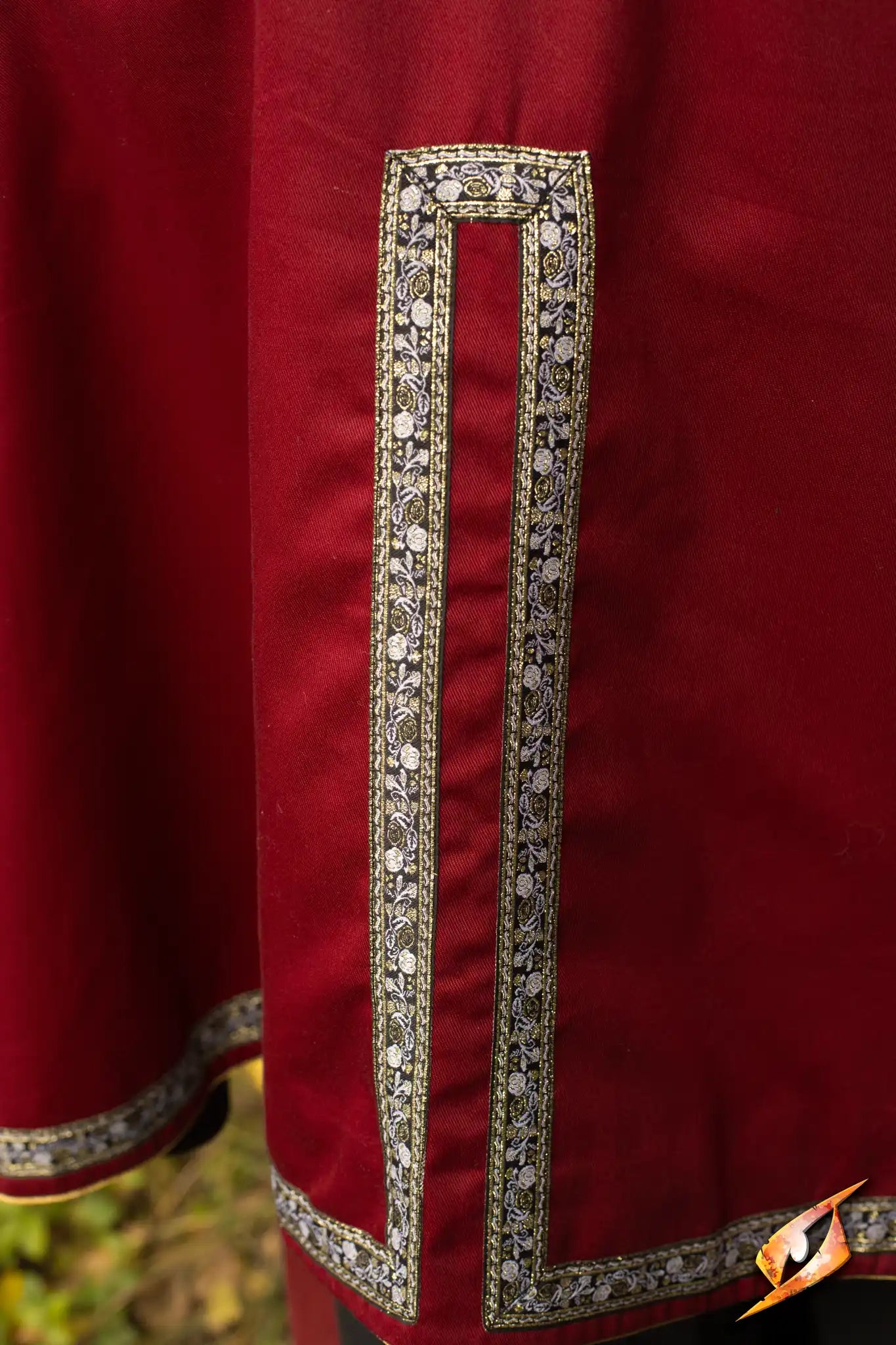
Real fabric has weight. Pick the garment up. A proper linen shirt, a real wool cloak, a leather pouch, all have a weight that tells you they are real. If it feels almost weightless, it is synthetic.
Look at the seams. Finished, reinforced seams indicate proper construction. Raw or fraying edges on the inside are fast fashion.
Quality faux-leather and real leather has substance to it. It feels thick, sits heavy in your hand, and is stitched (not only glued) together.
Check the hardware. Real metal buckles, grommets, and clasps have weight and finish. Painted plastic chips within days.
Be wary of suspicious prices. A full medieval gown for 25 USD is not real (and is sometimes even a stolen design, so what you receive is not what you saw in the picture).
Watch for dropshipper photography. AI-generated product images, the same dress on three different "models" in identical poses, listings combining items from clearly different sources. These mean a reseller who has never seen the product to approved the quality.
How to Care for Your Renaissance Festival Kit
Most gear deteriorates faster in storage than in use. A few habits change everything.
Store fabrics breathing, not bagged. Plastic traps moisture and ruins fibres. Hang what you can.
Treat leather like leather. A good belt or pouch wants conditioning once or twice a year. Without it the fibres dry out and crack, making the leather more fragile.
Wash thoughtfully. Hand wash or cold cycles for natural fabrics. Air dry. The dryer is your enemy.
Repair before you replace. A loose seam or missing button is easily fixed. The instinct to throw something out is a costume mindset. The kit mindset is to maintain what you have, and use it as an opportunity to add history to your gear.
A well-cared-for kit can last a decade and look more authentic in year five than it did in year one.
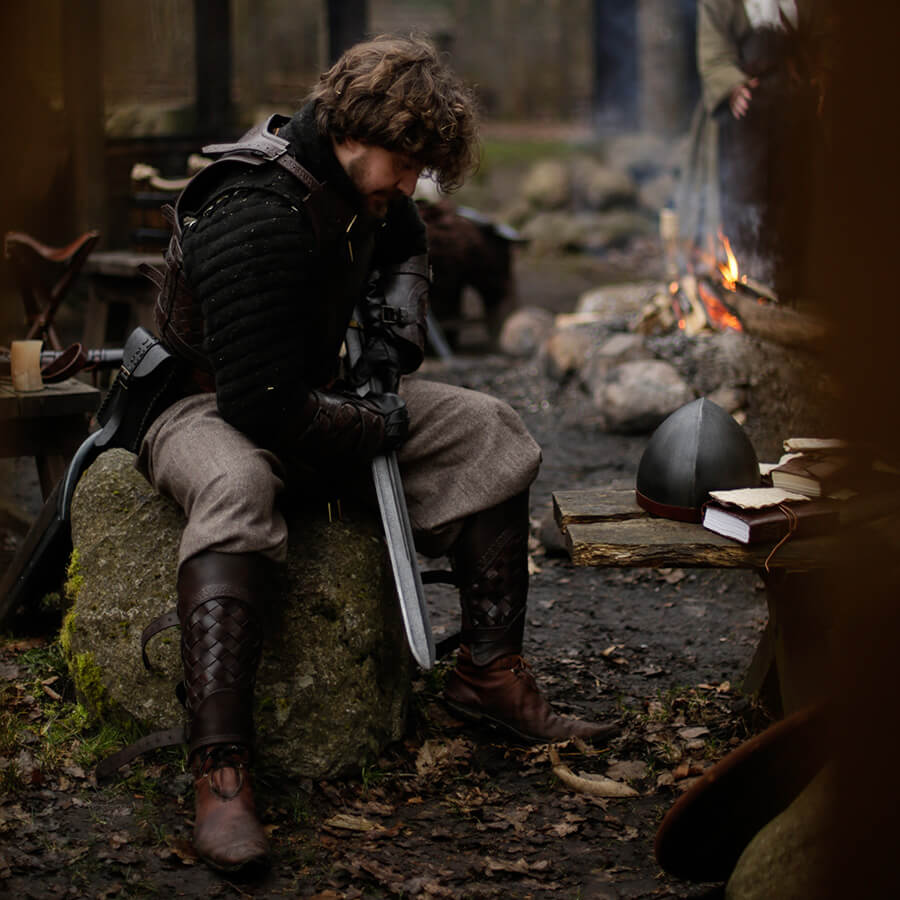

Buy Once, Wear It Forever
You can spot the people who have been doing this a while. Their gear fits properly, the colours work, the pieces talk to each other, nothing looks like it came from a costume shop. That is not because they spent more. It is because they bought less, bought better, and built it up over time.
That is the LARPer's secret, and it works just as well at a renaissance faire as it does on a battlefield.
We make gear with that mindset because our customers demand it. If you are starting your own kit, we would love to help.
Go a little further
our recommendations

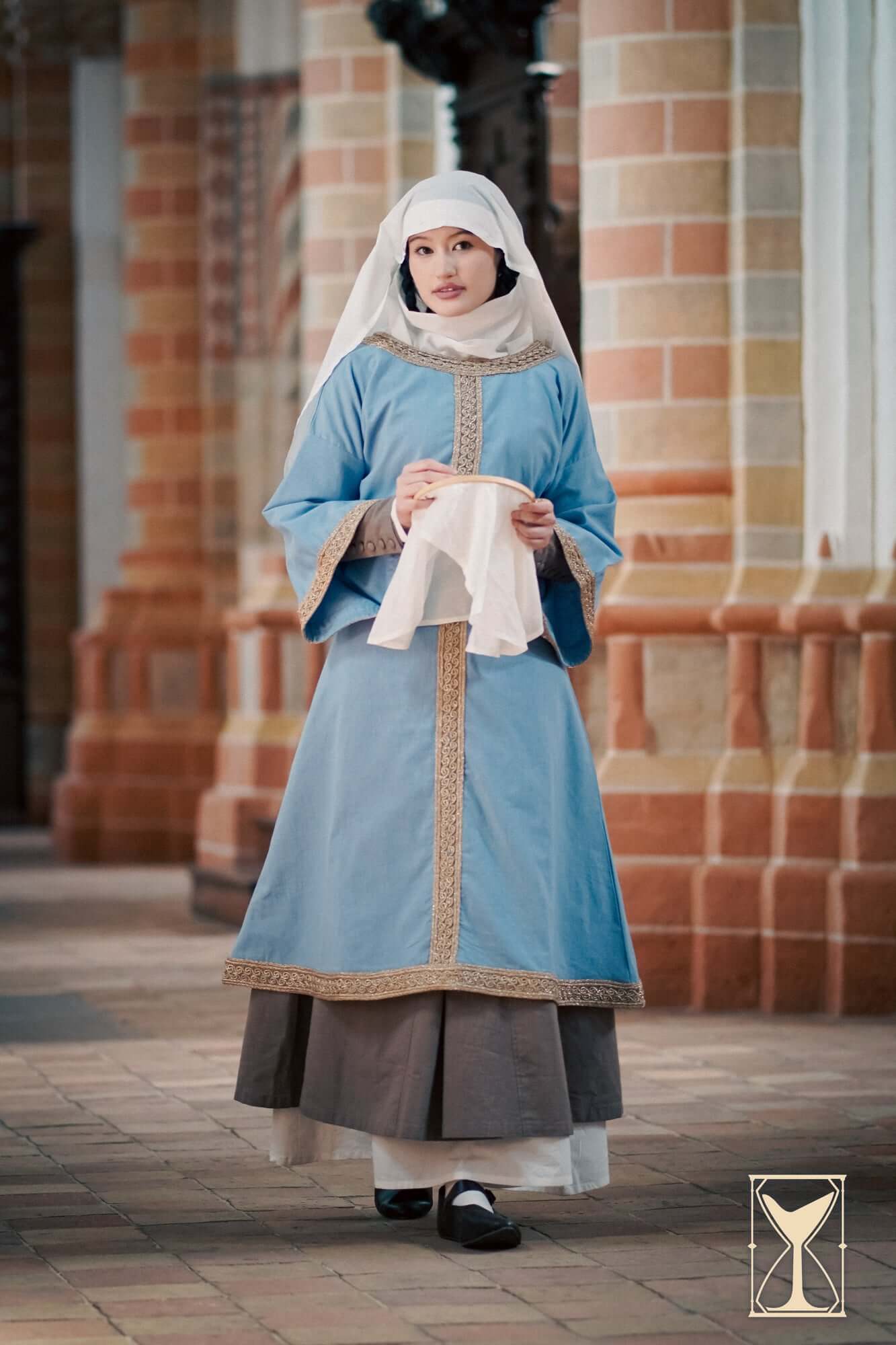
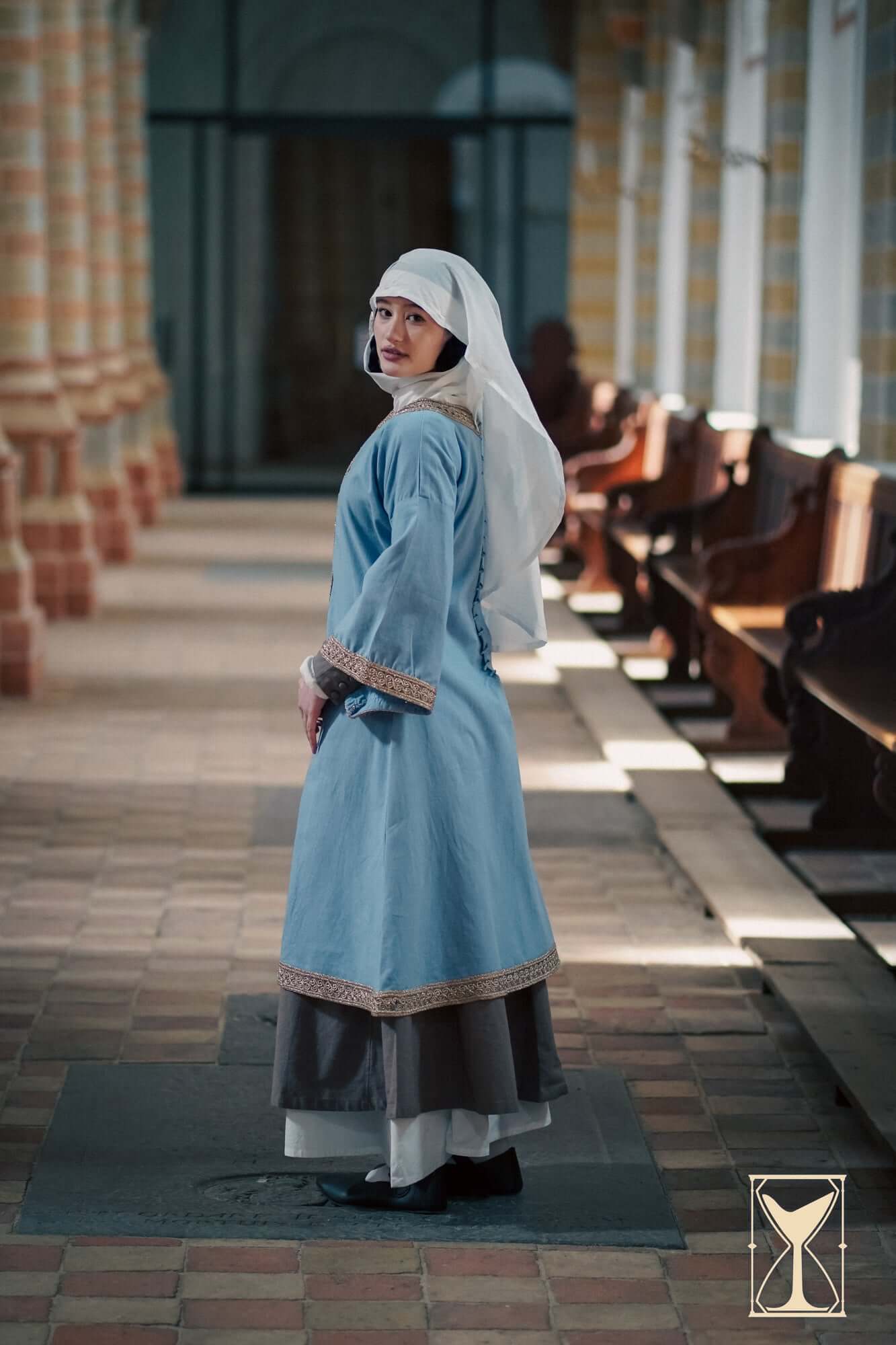
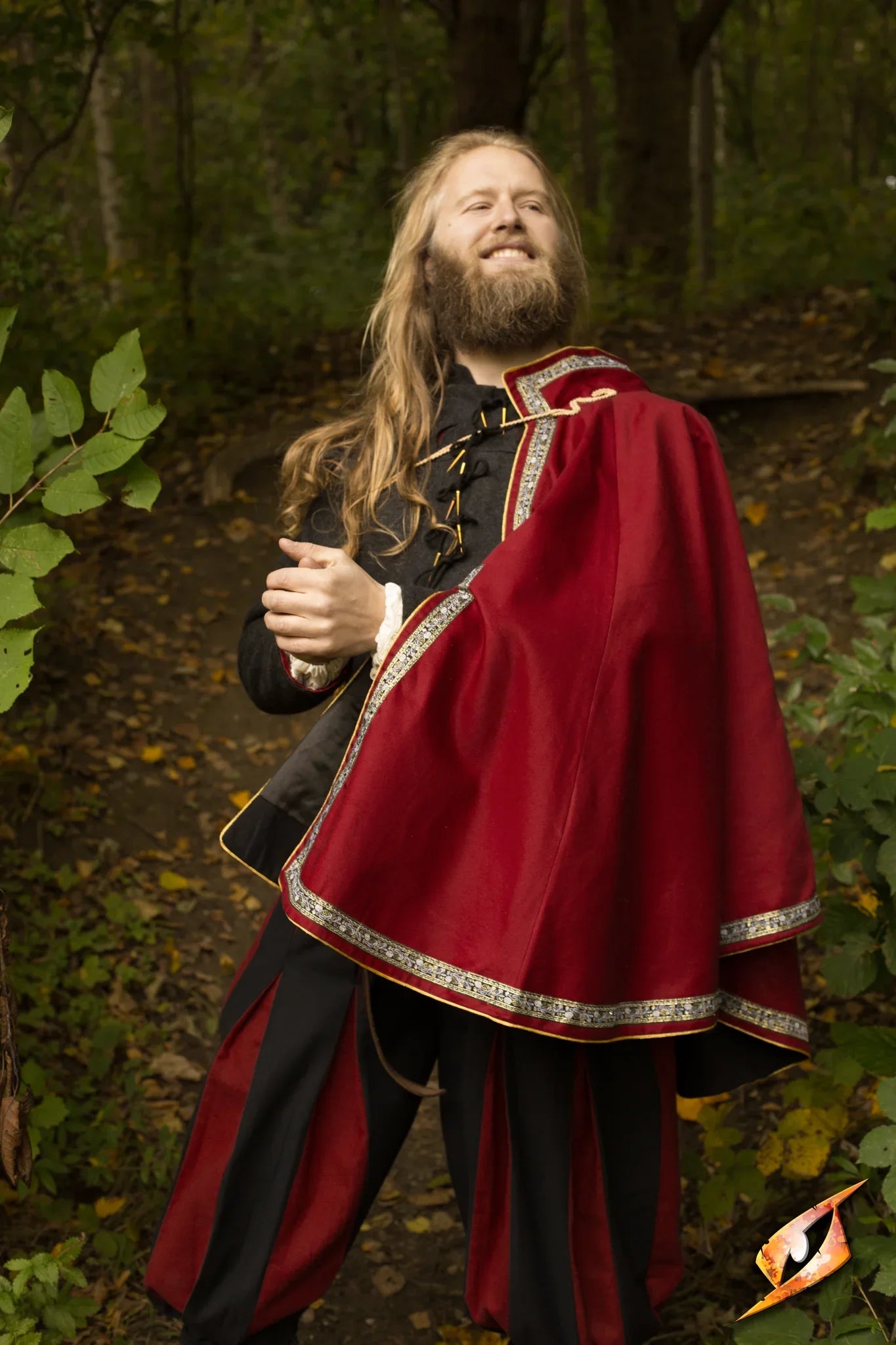


Read more

The medieval world is often imagined as drab - a wash of grey stone, brown earth, and muddy peasants. The reality was far more vivid, and far more nuanced. Bright colour was everywhere. Dyes, morda...
Read more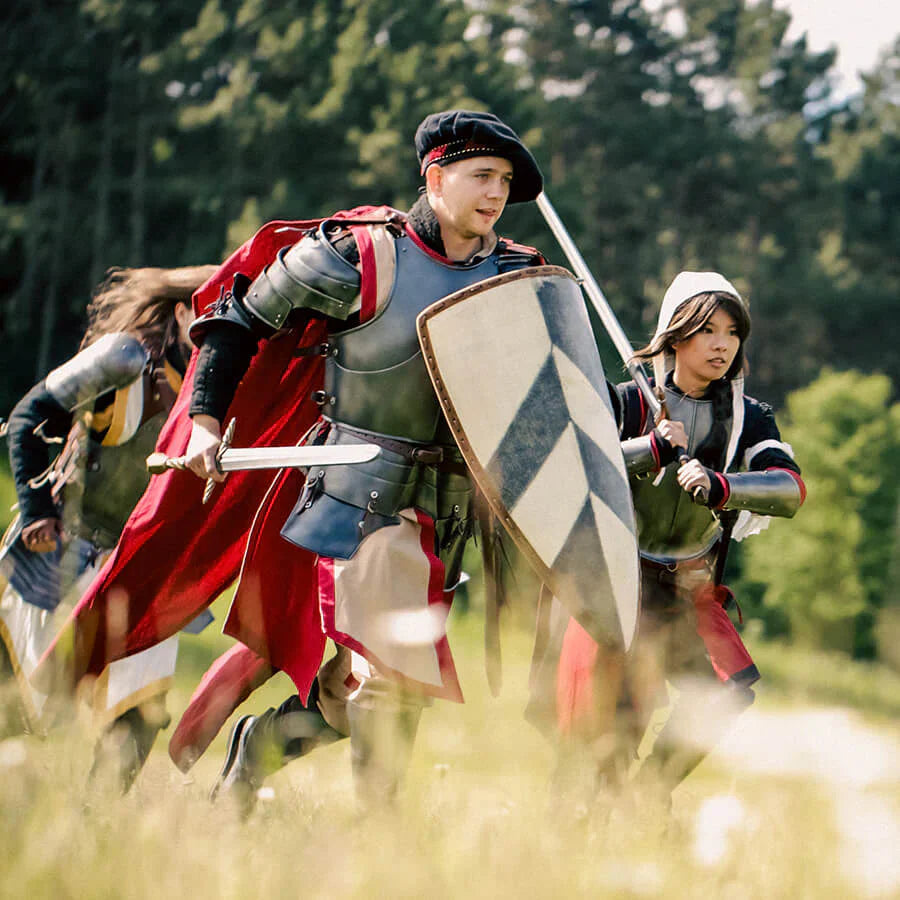
Light Kit Armour Guide - Fitting, Maintenance and Durability
Light Kit Armour is designed for live-action roleplay, cosplay, immersive events, stage performances, and costume enthusiasts who want the appearance of armour without the weight and restrictions o...
Read more