





Recently viewed products
Flails
Few weapons carry quite the same dramatic weight as the flail. That spiked ball swinging on a chain has been a fixture of battlefields, fantasy epics, and costume floors for centuries, and it earns its reputation: it looks dangerous, it moves unpredictably, and in the right hands it commands a room, whether that room is a great hall, a convention floor, or a fog-covered LARP field at six in the morning.
Whether you're gearing up for full-contact live combat, building a historically grounded reenactment kit, or assembling a costume that stops people mid-stride, this is the place to start. Below you'll find our full range of LARP flail components, built for safe play and genuine visual impact. But first, a little context, because flails have a complicated history and most of what people think they know about them is at least partly wrong.
What Is a Flail?
A flail is a striking weapon built around a single mechanical idea: attach a weighted head to a handle with a flexible connection, and let momentum do the work. Unlike a sword or axe, which transfers force through a rigid shaft, a flail generates power through circular motion. The head keeps moving after the swing begins, following an arc the opponent cannot fully predict and reaching angles that a rigid weapon never could. Against a raised shield, it wraps. Against an experienced fighter who reads weapon arcs instinctively, it is a surprise. That unpredictability is the whole point.
The weapon has genuine historical roots, though its legend has considerably outgrown its reality. There are actually two distinct types worth knowing about, and they are quite different weapons.
The first is the agricultural flail, a threshing tool used to separate grain from the stalk: a long wooden handle connected by a short leather hinge to a shorter, heavier striking stick, sometimes reinforced with metal bands or iron spikes. This is the version that peasant armies across Central and Eastern Europe adapted for warfare in the late medieval period, and it is considerably more historically documented than its famous cousin.
The second is the one everyone pictures: the short-handled weapon with a length of chain and a spiked iron ball. This silhouette is everywhere in fantasy art, gaming, and film, and it is at least partly a myth. Several famous museum examples that defined the popular image turned out to be 19th-century reproductions. Historians continue to debate how widely the weapon was actually used in warfare, and the iconic ball-and-chain may owe more to the Victorian imagination than to any medieval armory. What is not debated is how effectively the design moves, or how thoroughly it unsettles an opponent encountering one for the first time.
Today, when most people say flail, they mean the short-handled ball-and-chain. That is also what most LARP systems mean, and it is the version this range is built around.
Flails in LARP: What to Look For
A LARP flail lives or dies on two things: how safely it is built, and how honestly it moves.
On the safety side, a proper LARP flail uses a foam striking head with a latex or similar coating, a flexible chain that absorbs the whipping motion without creating a rigid impact point at the end of the swing, and a grip built to hold under combat stress. Most European and North American LARP systems require a weapon check for flails before first use, given the chain construction. Worth confirming with your specific event before you show up.
On the movement side, this is where cheaper or poorly designed flails fall apart. The chain length, head weight, and handle balance all interact to determine how the weapon actually swings. Too light and it floats without conviction. Too stiff and it behaves like a club with pretensions. A well-built foam flail should move with the same mechanical character as the historical weapon: the head should travel, carry through, and arrive somewhere the opponent did not quite expect.
The learning curve is real. A flail rewards committed swings and spatial awareness, and it is less forgiving of hesitation than a sword. Most LARPers who make the switch find it worth it, particularly once they watch an experienced shield-wall fighter suddenly not know what to do.
Build the Flail Your Character Actually Needs
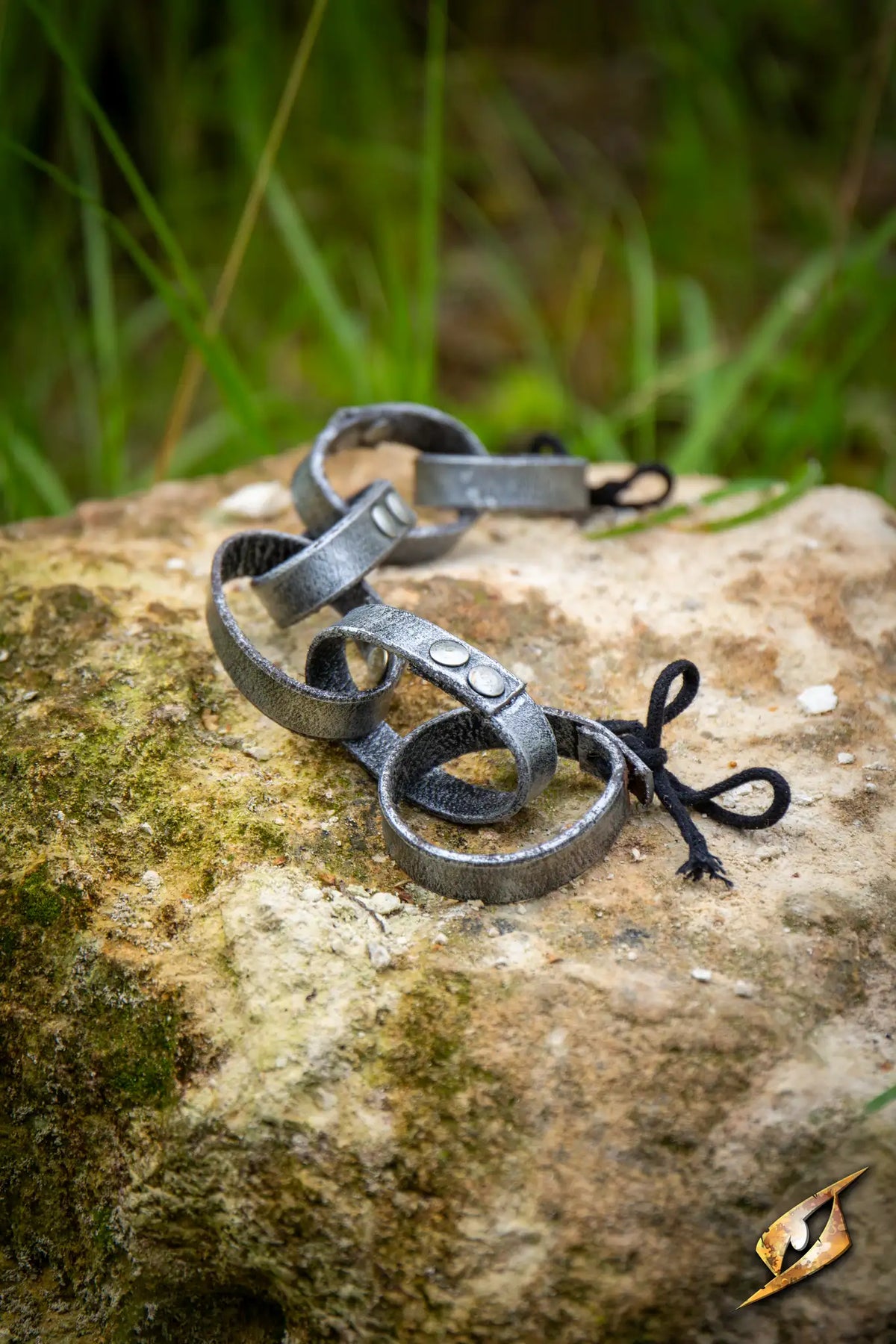
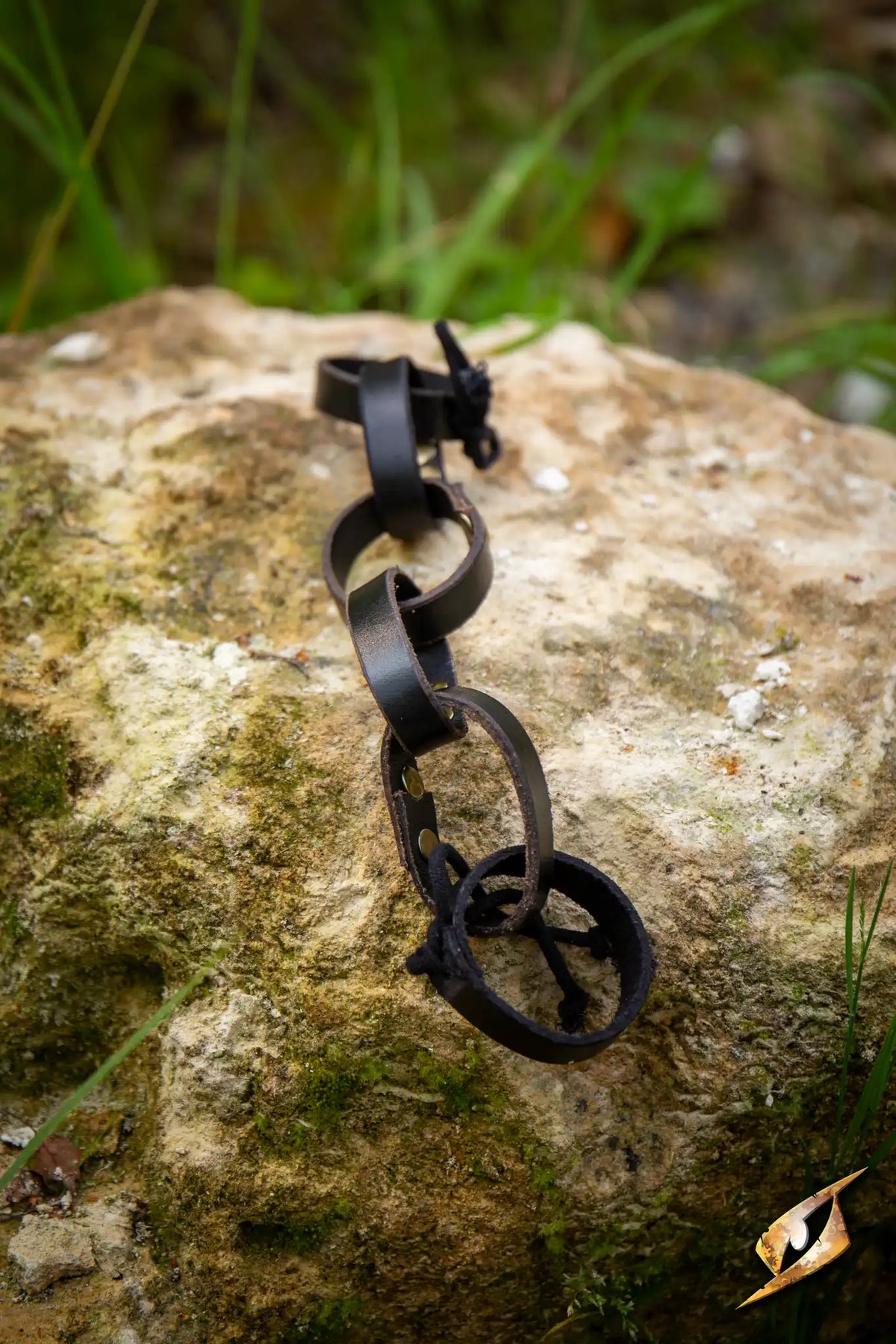
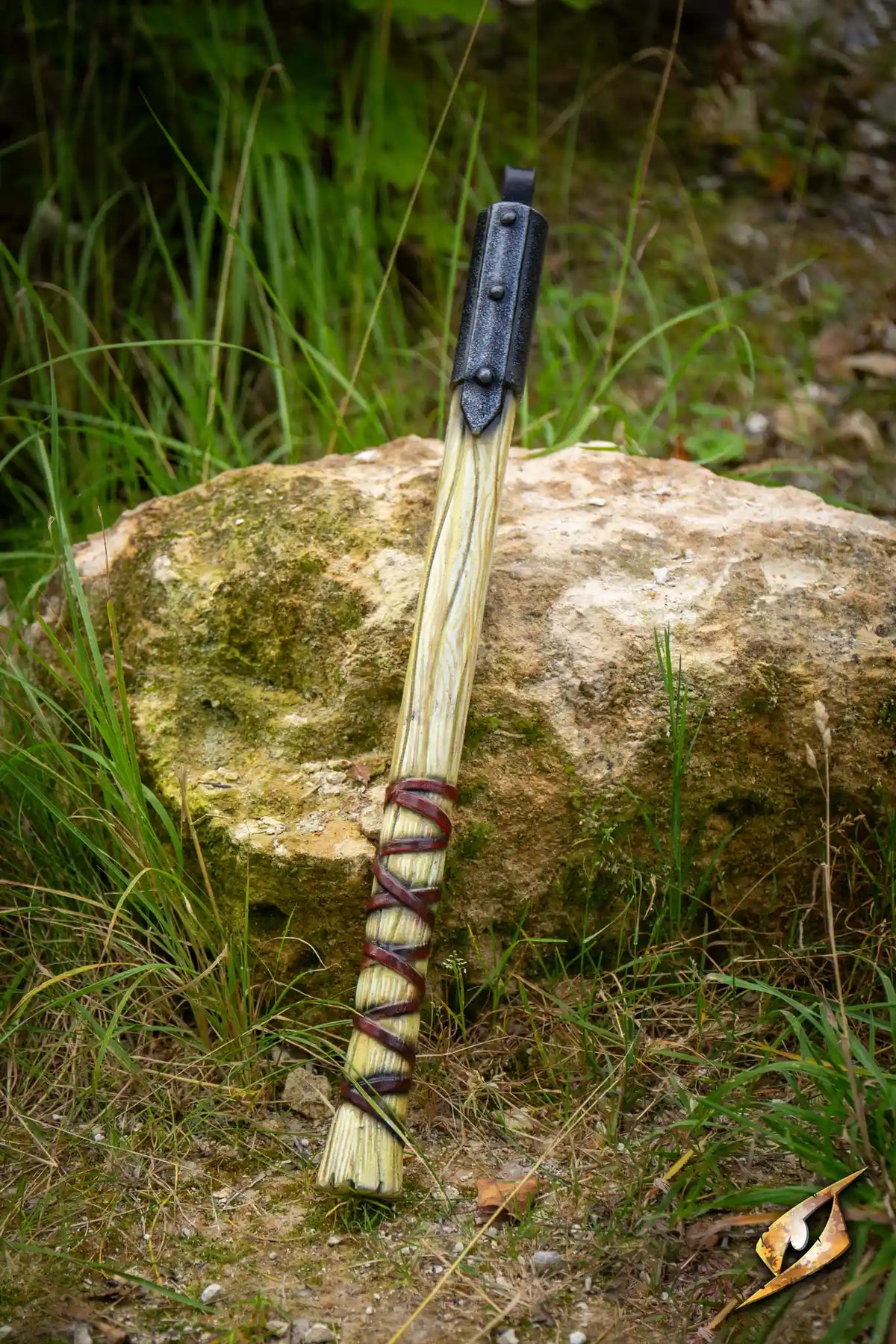
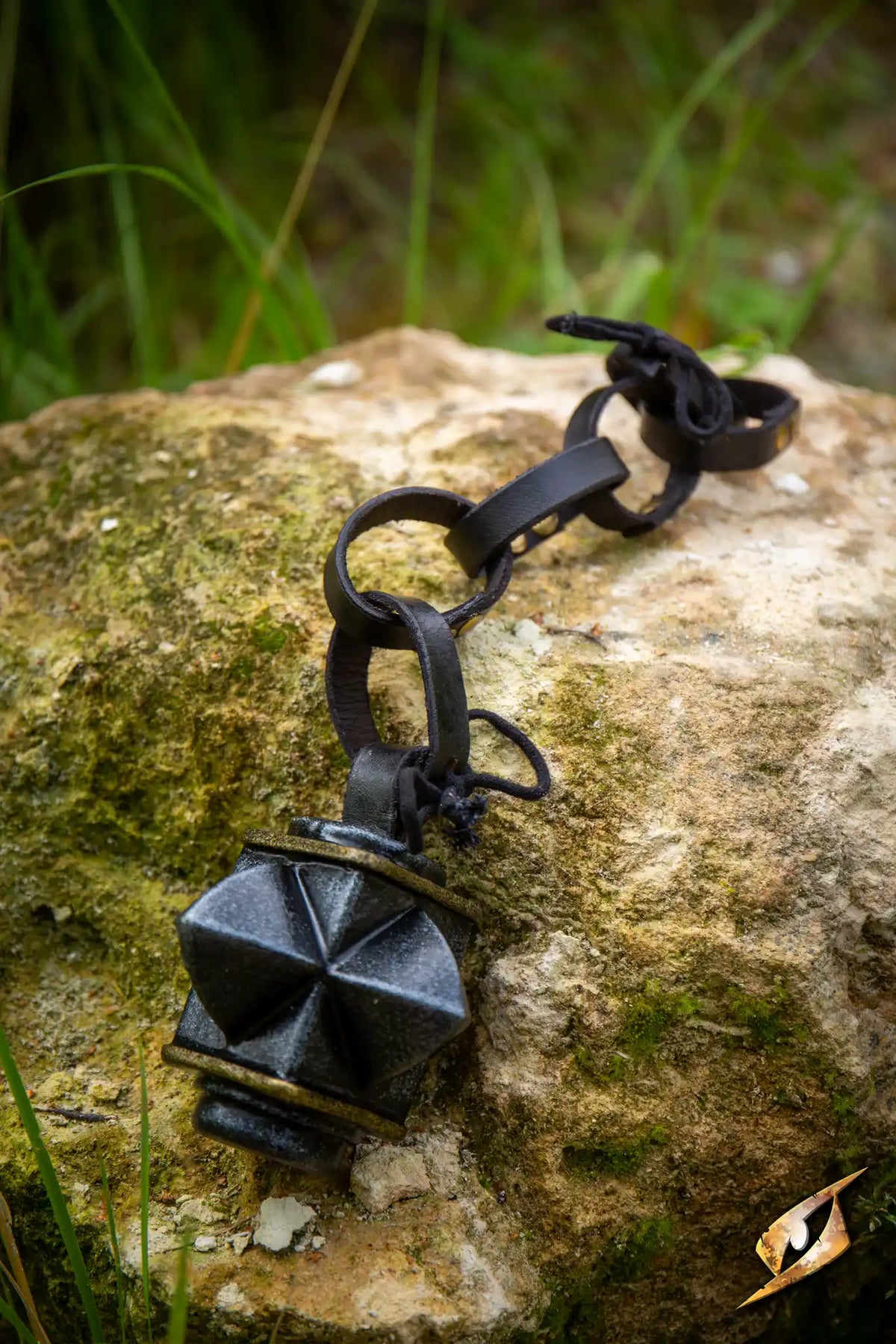
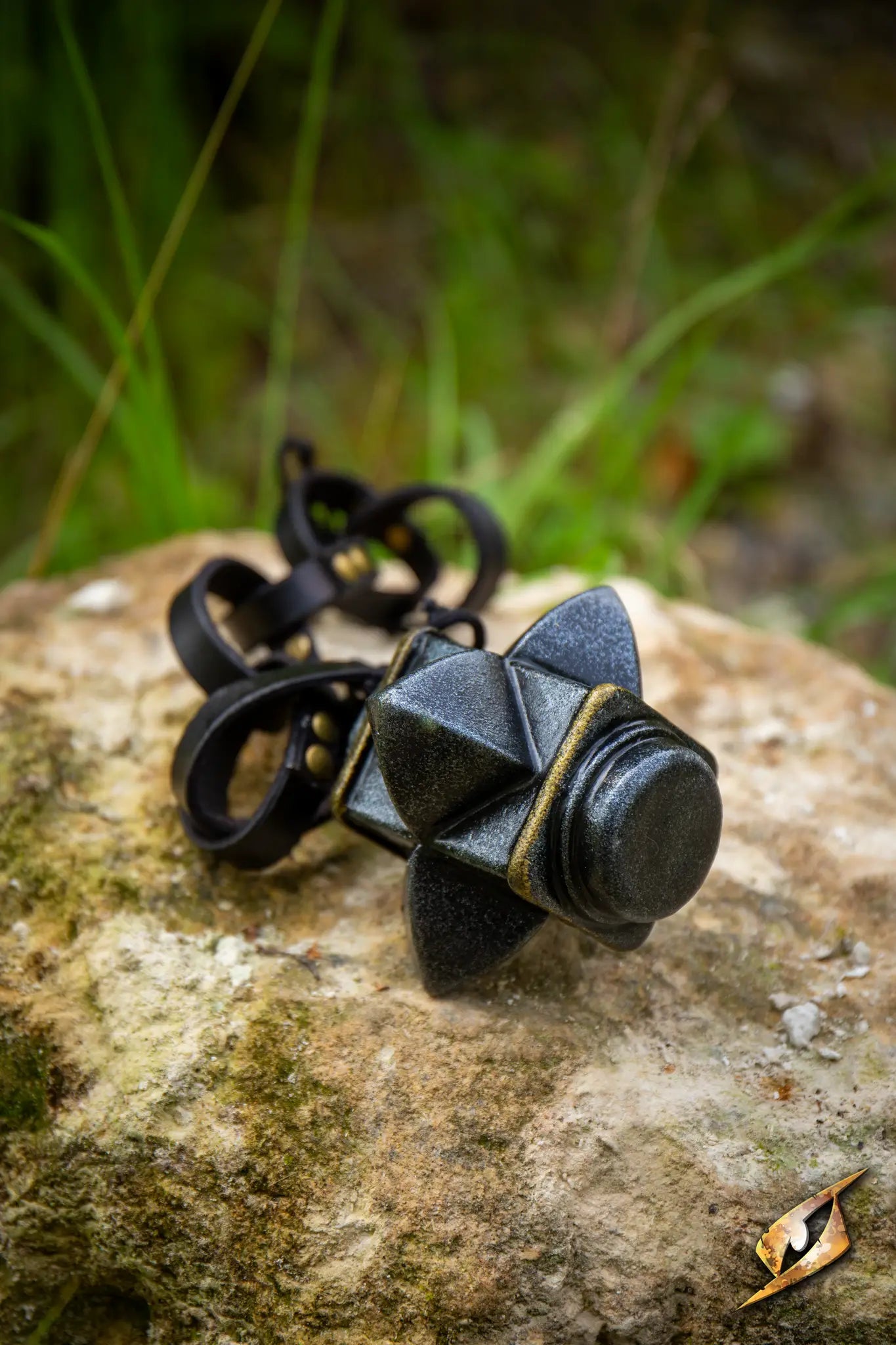
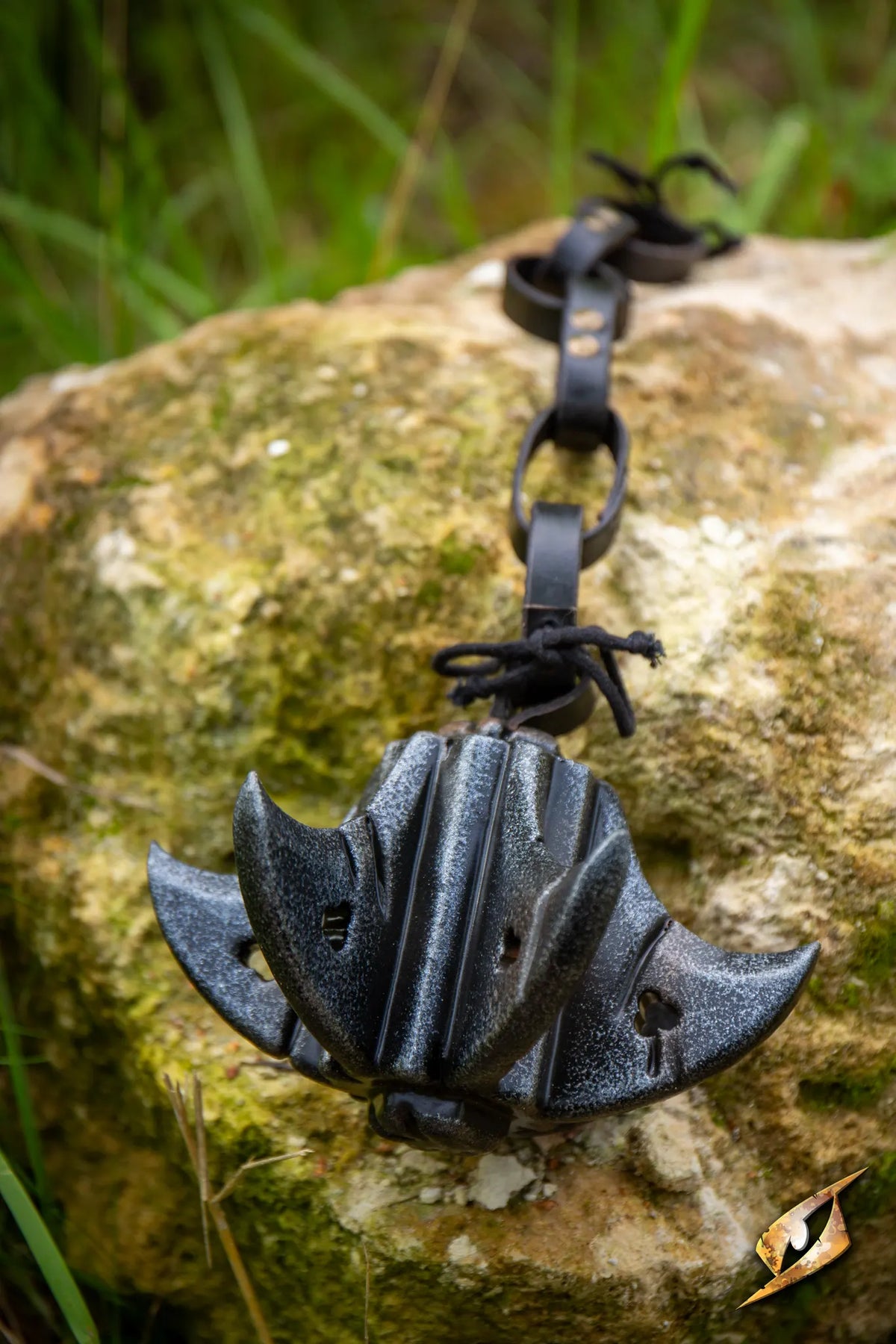
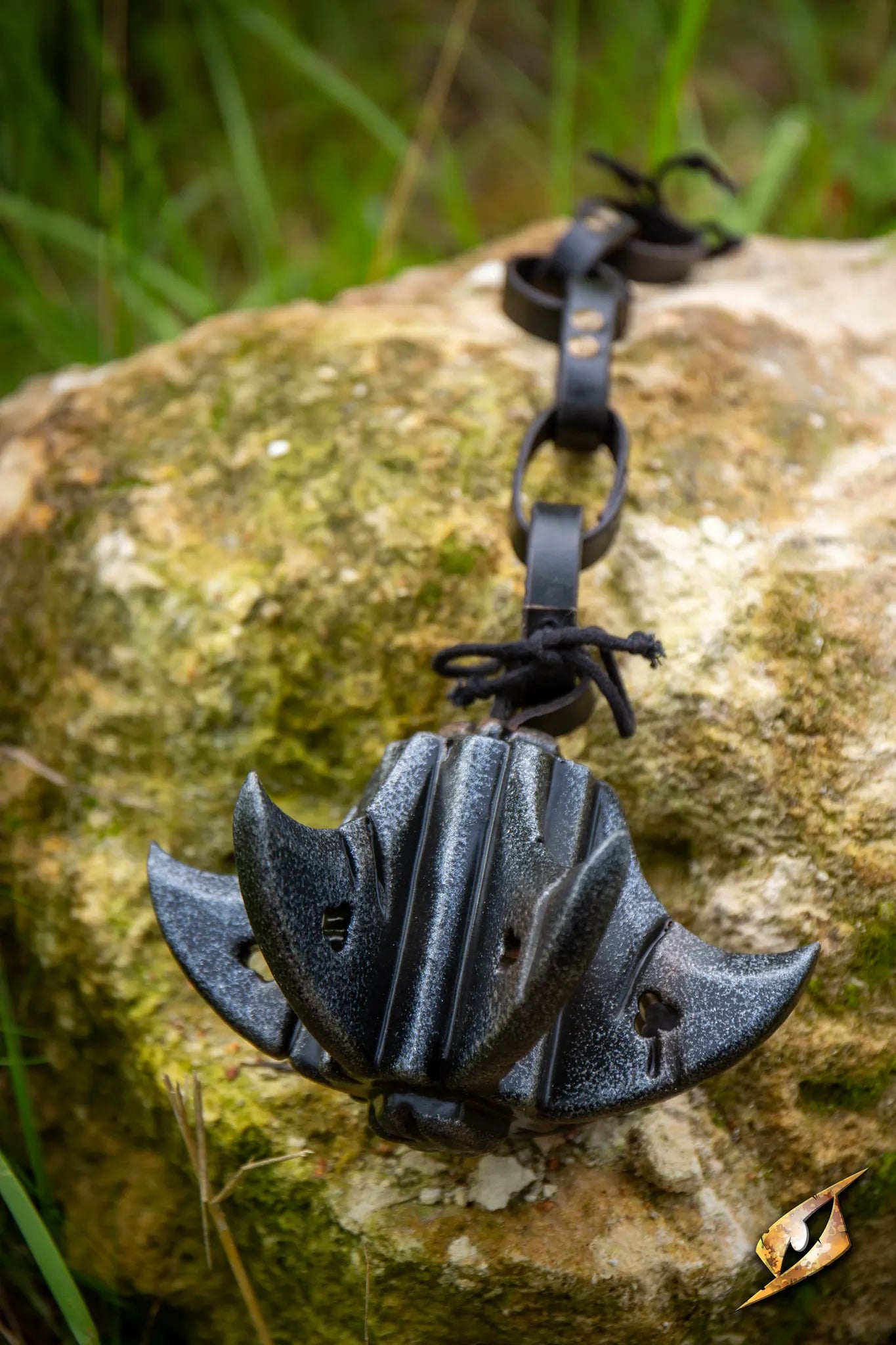
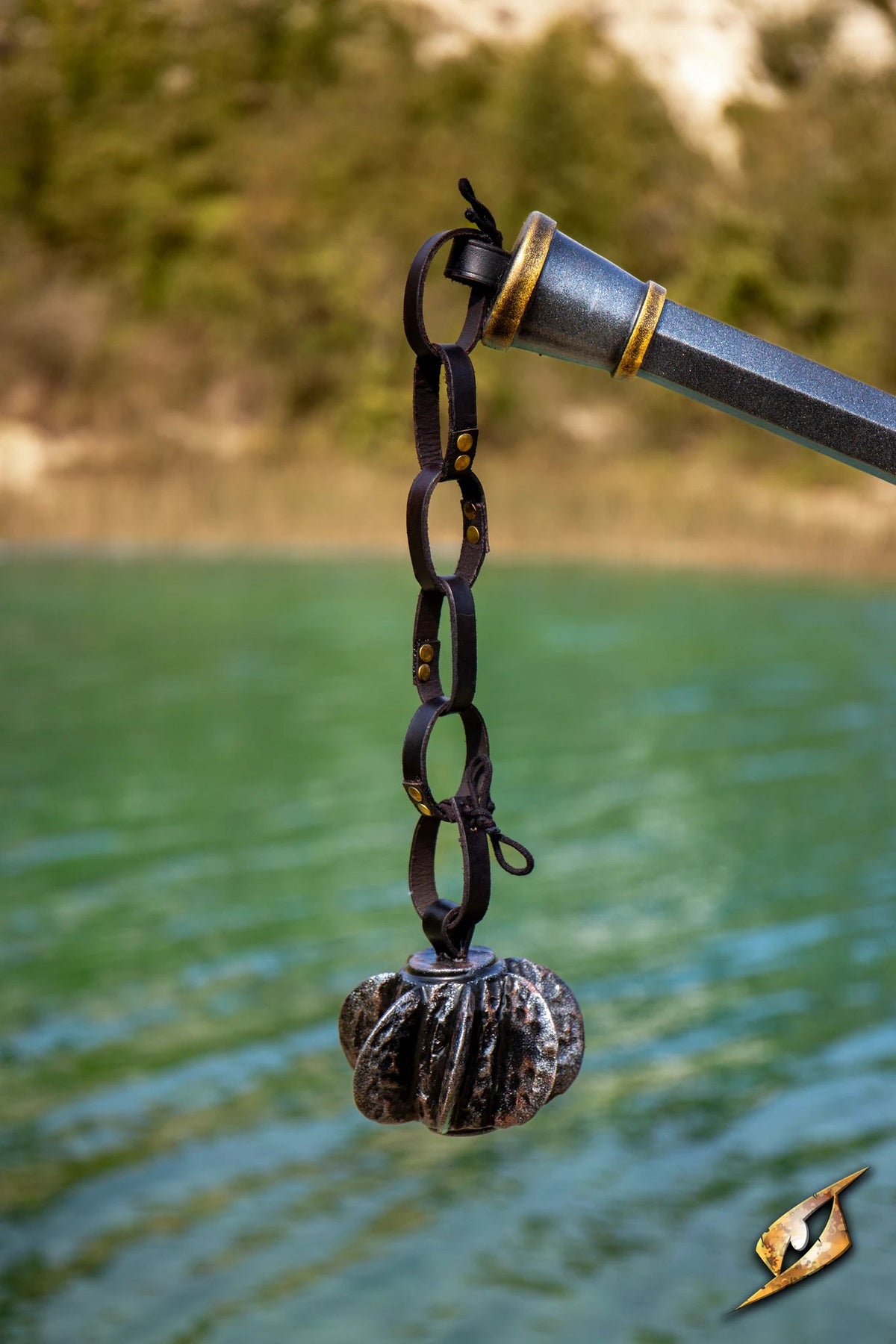
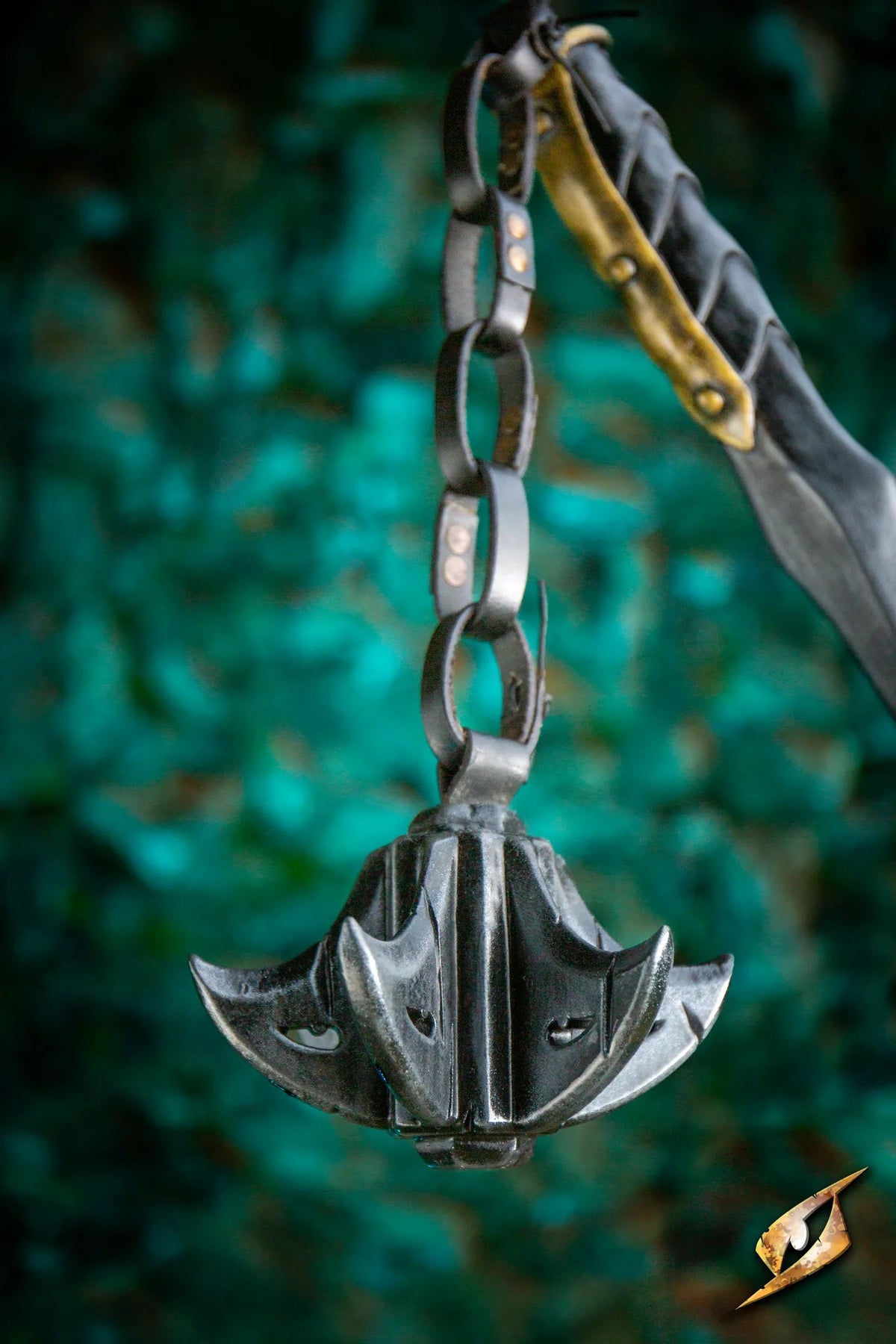
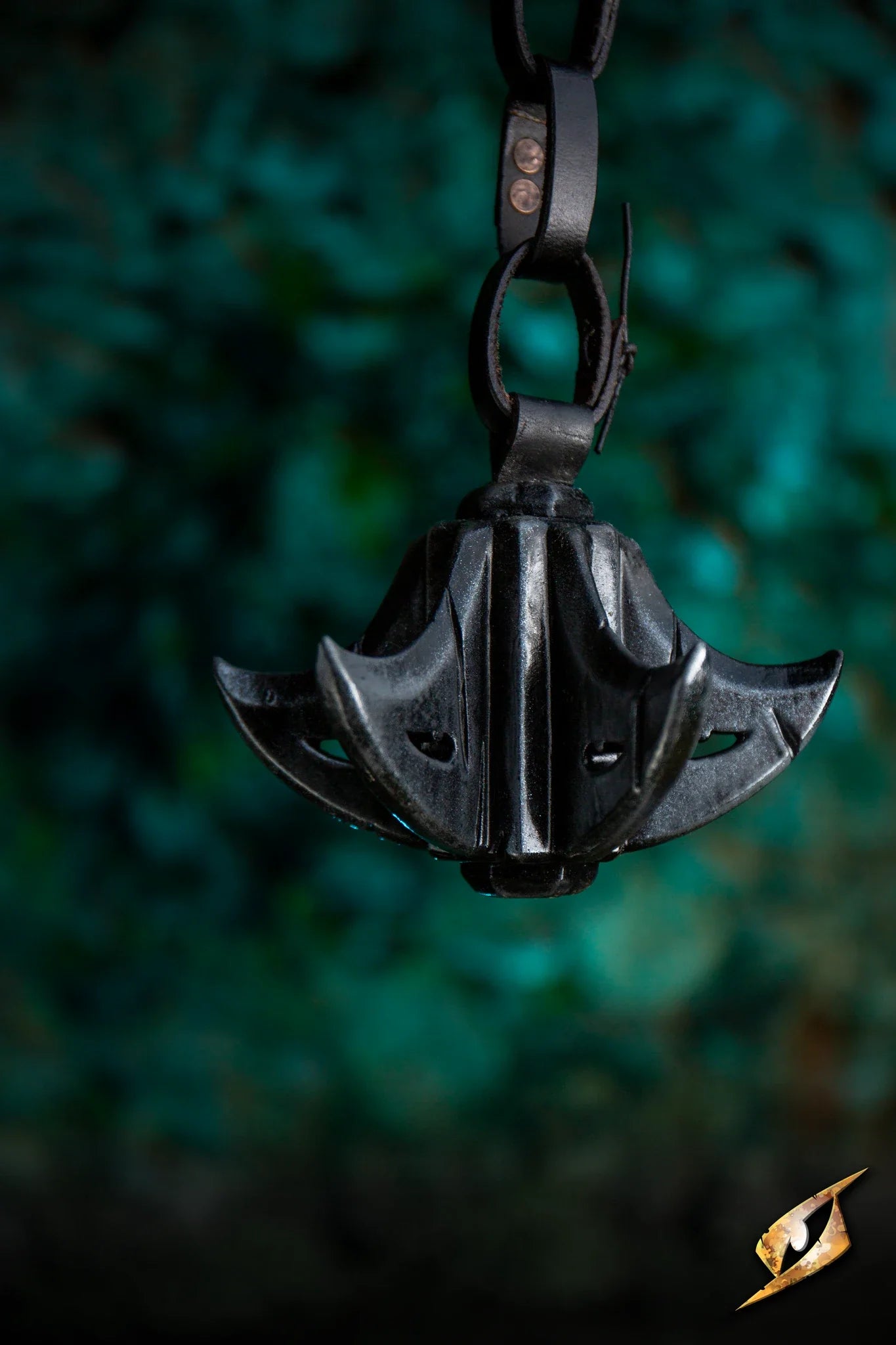
Our flails are a modular system. Handle, chain, and head are chosen and purchased separately, and every component is compatible with every other. That means you are not buying a fixed product off a shelf: you are building the exact weapon your character calls for, and rebuilding it differently for the next one if the campaign takes a turn.