
Filters


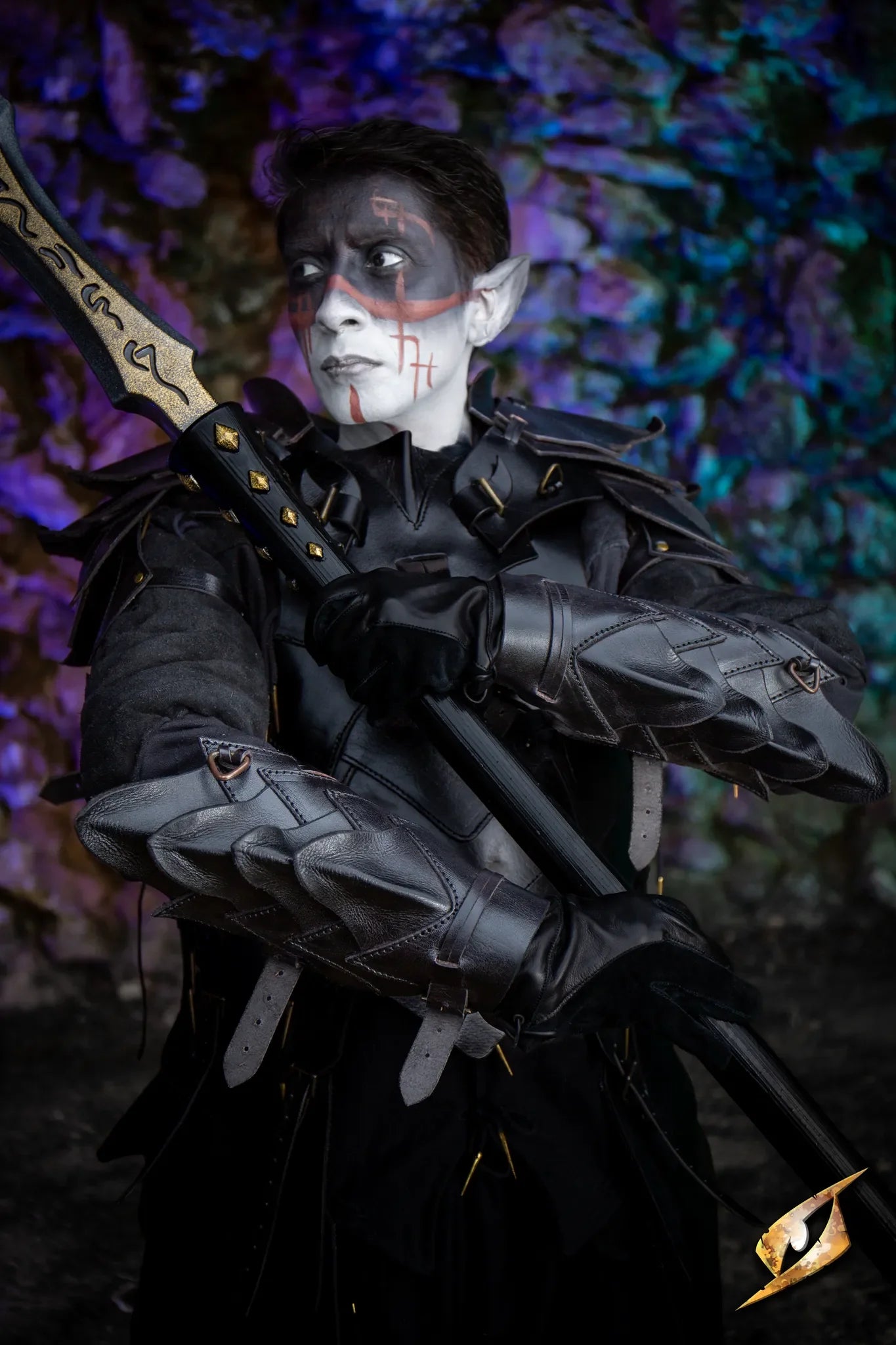
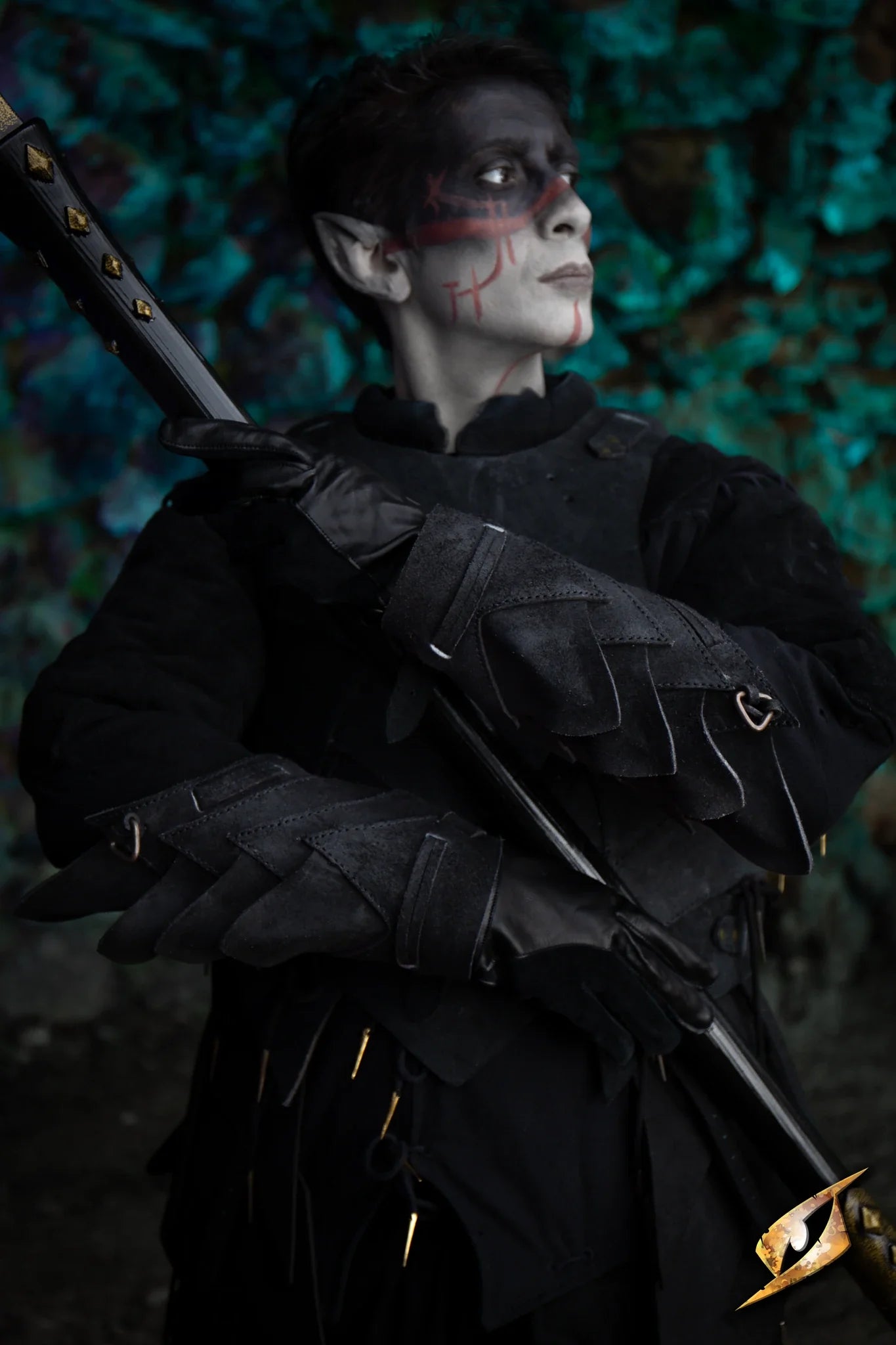
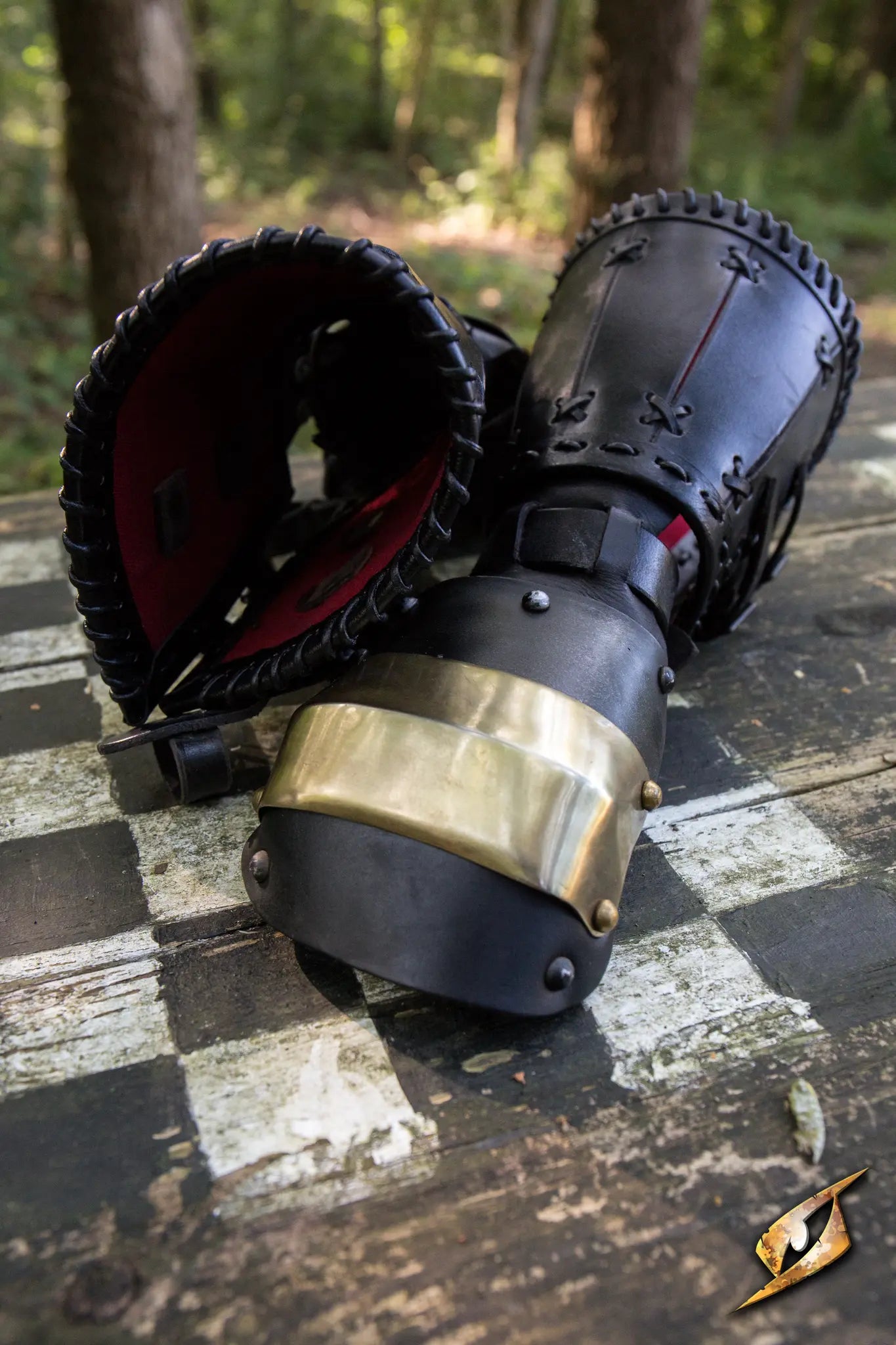
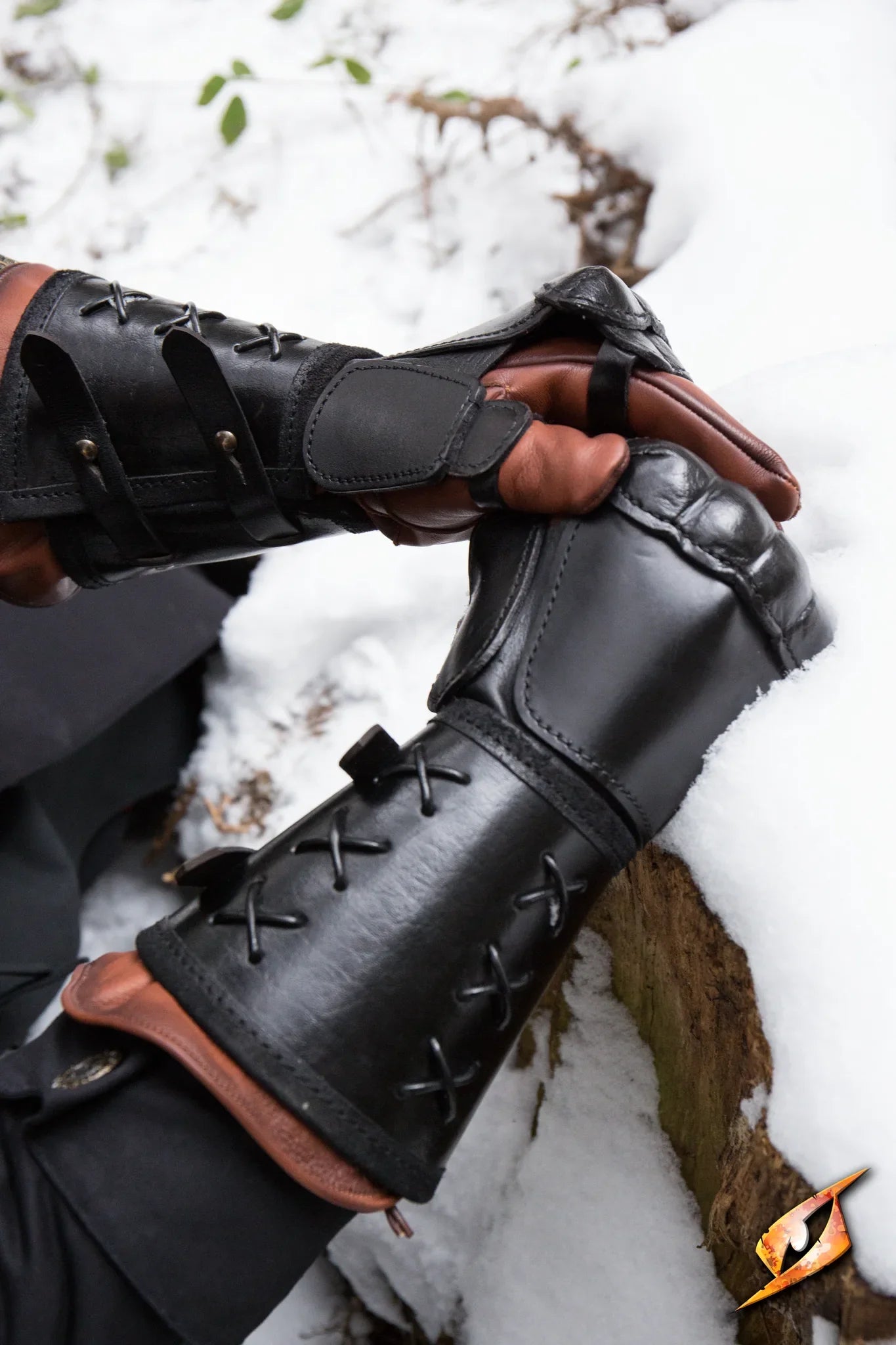



Recently viewed products
Leather Armor
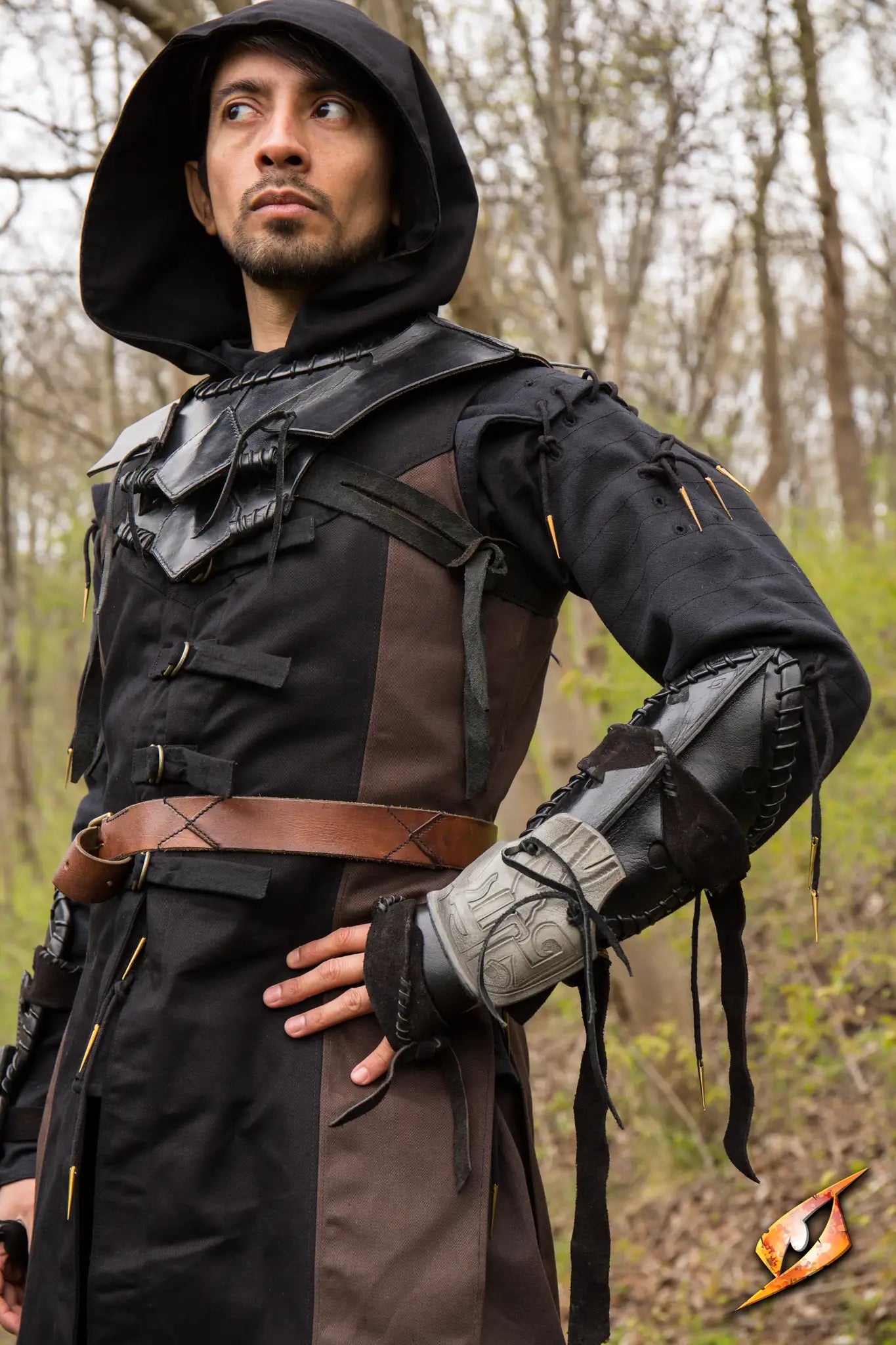
Leather armor is where most serious kits start. It is light enough to wear all day, tough enough to take regular use on the field, and adaptable enough to work across a wide range of builds and aesthetics. More than that, it improves with time — leather that has been through a few events develops a natural patina that no synthetic alternative replicates. If you are putting together your first kit or filling gaps in an existing one, leather is the most practical place to begin.
Epic Armoury's leather armor is made from vegetable-tanned full-grain leather and suede, with adjustable fastenings throughout. Every piece is built to the same standard.
At a glance:
- Leather types: Full-grain, chrome split, and suede — each with a different finish and feel
- Fastenings: Adjustable strap-and-buckle or leather cord, depending on the piece
- Layering: Worn over linen, tunics, gambesons, or robes — and pairs well with chainmail and fur
- Break-in: Leather molds to your body with wear and improves noticeably over the first few events
- Use: Suitable for LARP, reenactment, cosplay, and costume
Why Leather Armor Works
Leather sits in a practical middle ground that metal and fabric cannot quite match. It has the visual weight and presence of real armor without the bulk, heat, and noise of plate or chainmail. You can move freely, wear it for a full event without fatigue, and layer it over almost any base costume without it looking out of place.
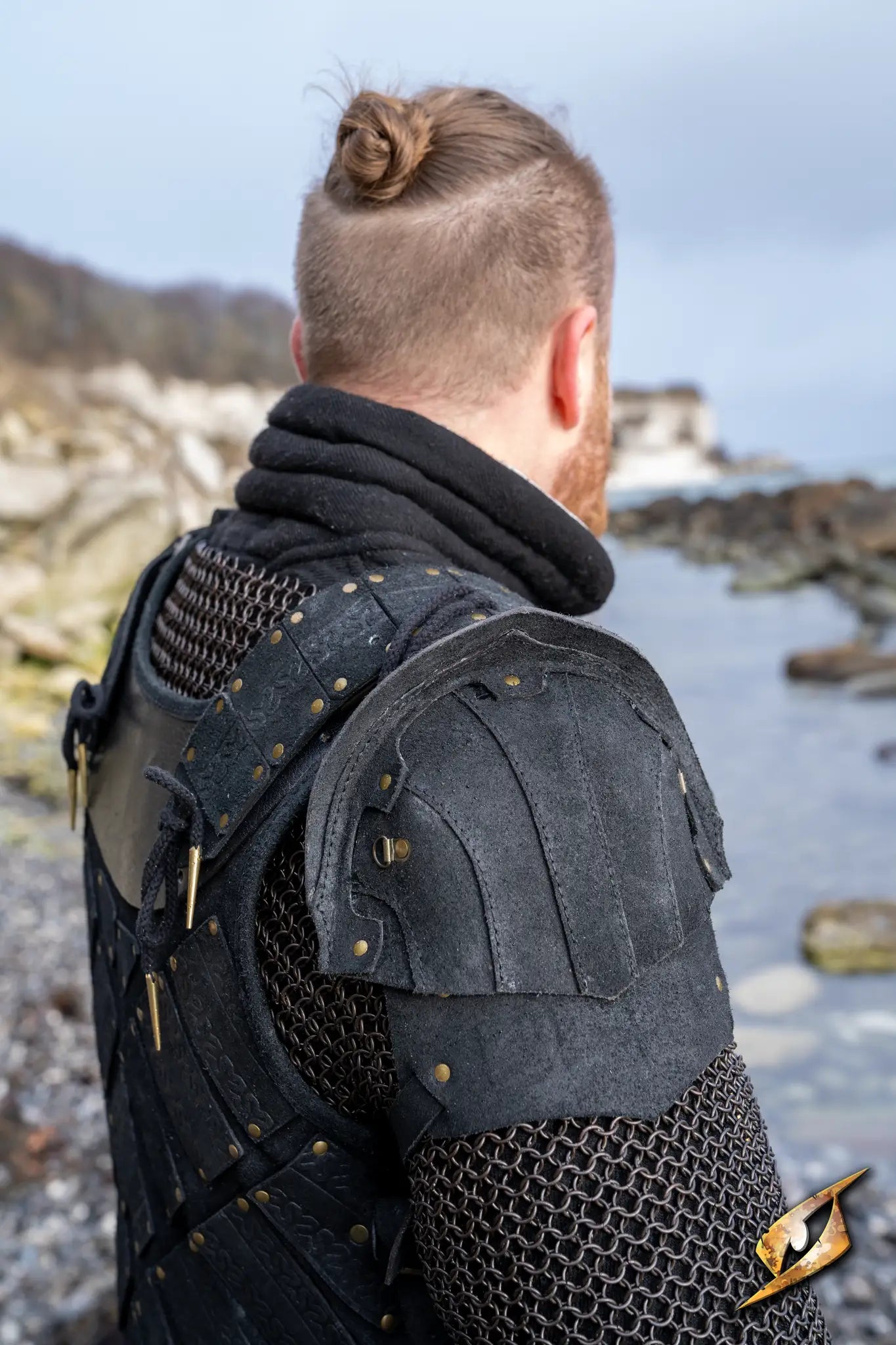
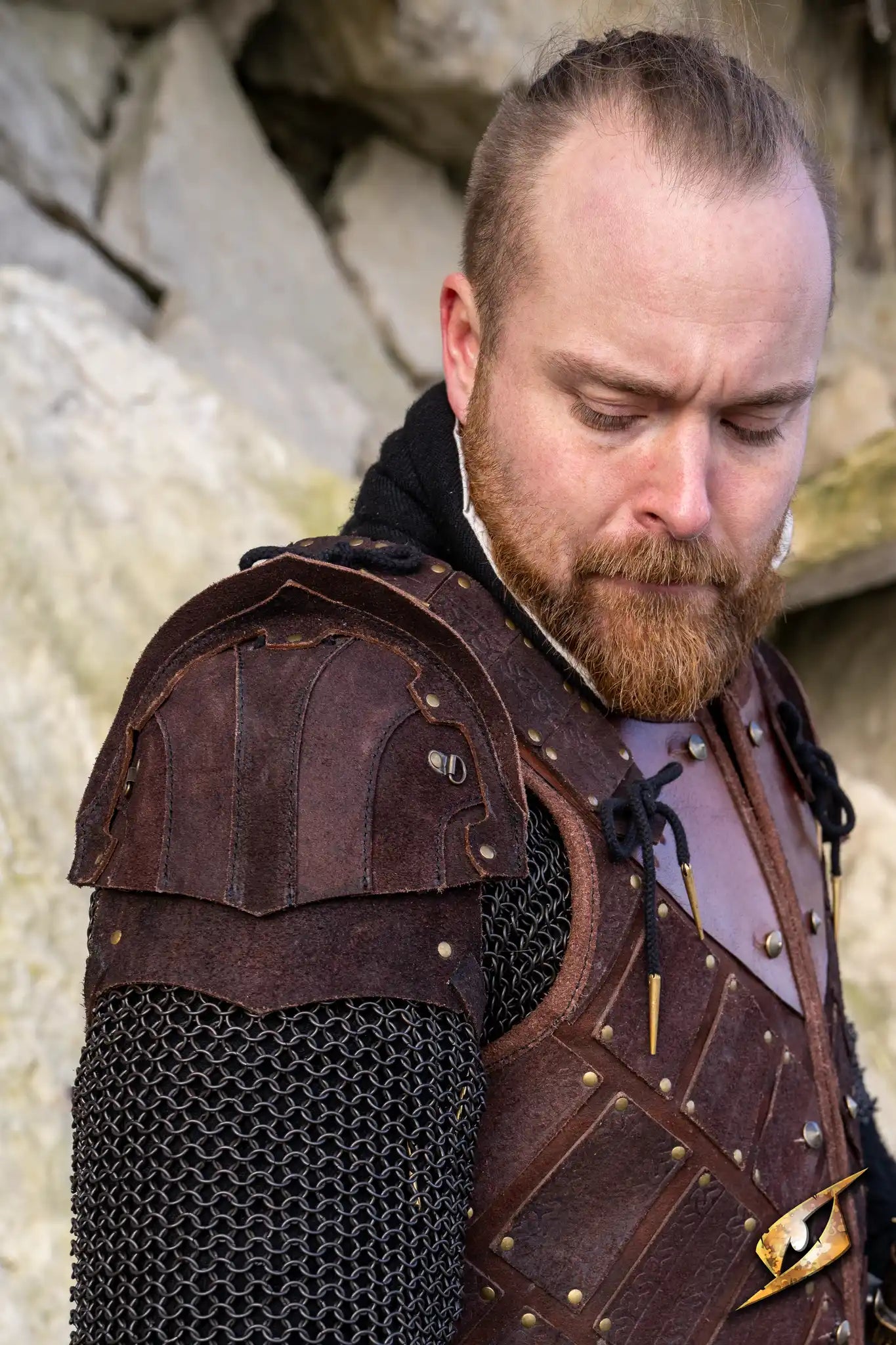
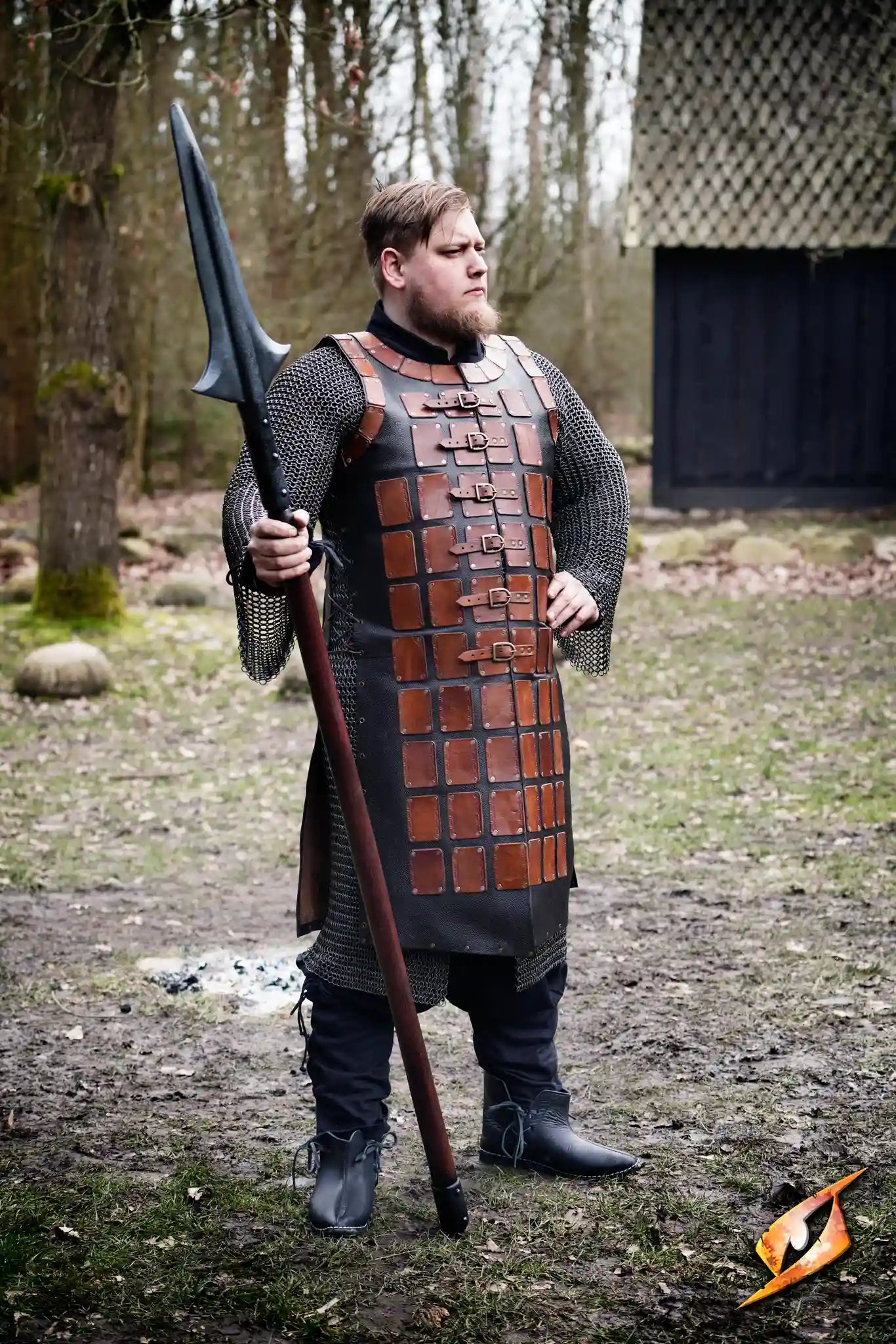
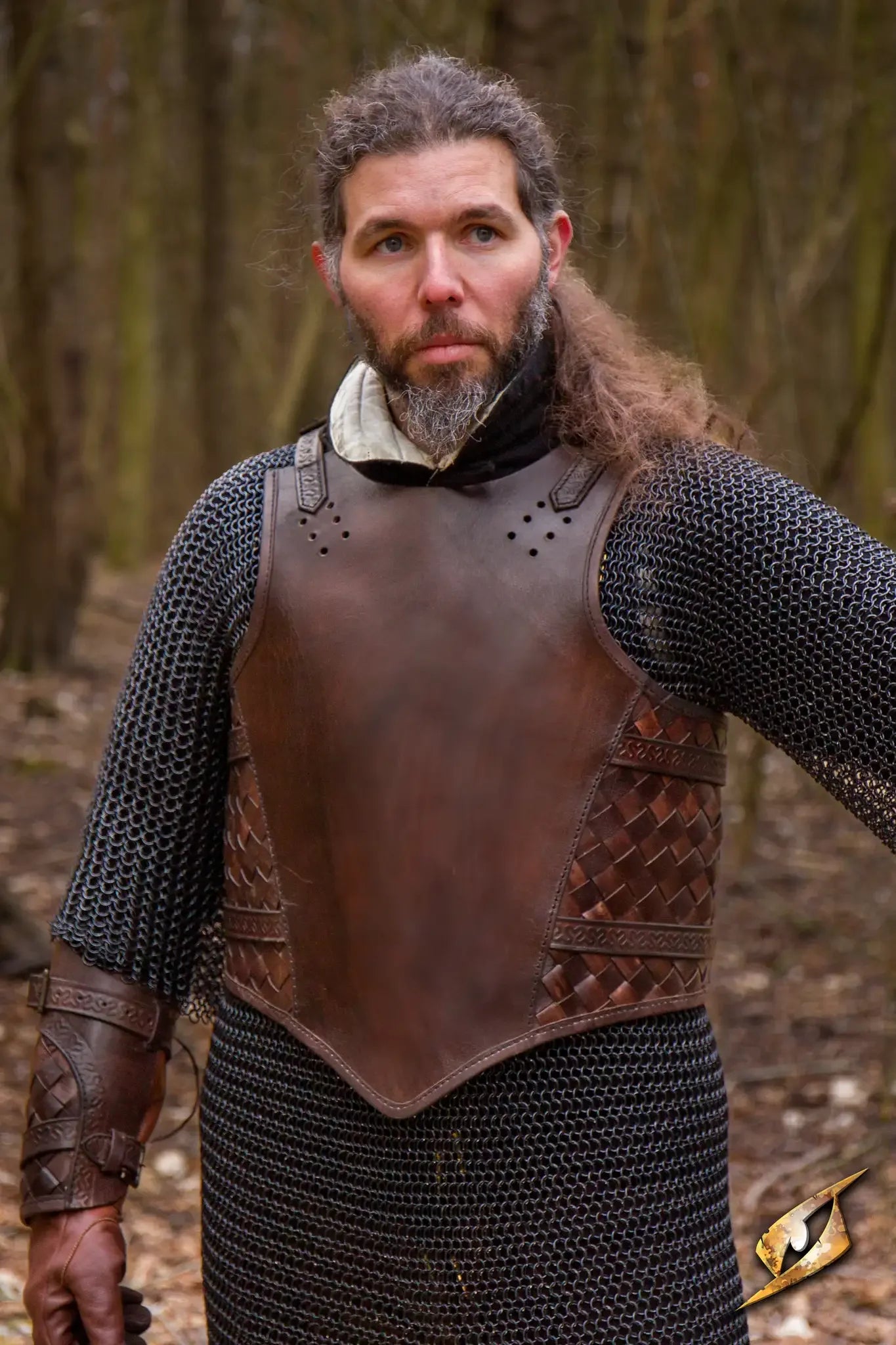
It also mixes well. Leather pairs naturally with chainmail, fur, linen, and woven fabric, which makes it one of the most useful materials for building a kit that looks layered and genuinely worn rather than assembled from a single source. A leather chest piece over a chainmail shirt over a linen tunic reads as a costume that has history. That is difficult to achieve with any single material alone.
What You Will Find in This Category
Epic Armoury's leather armor covers every part of the body. Most buyers start with one or two pieces and build outward from there.
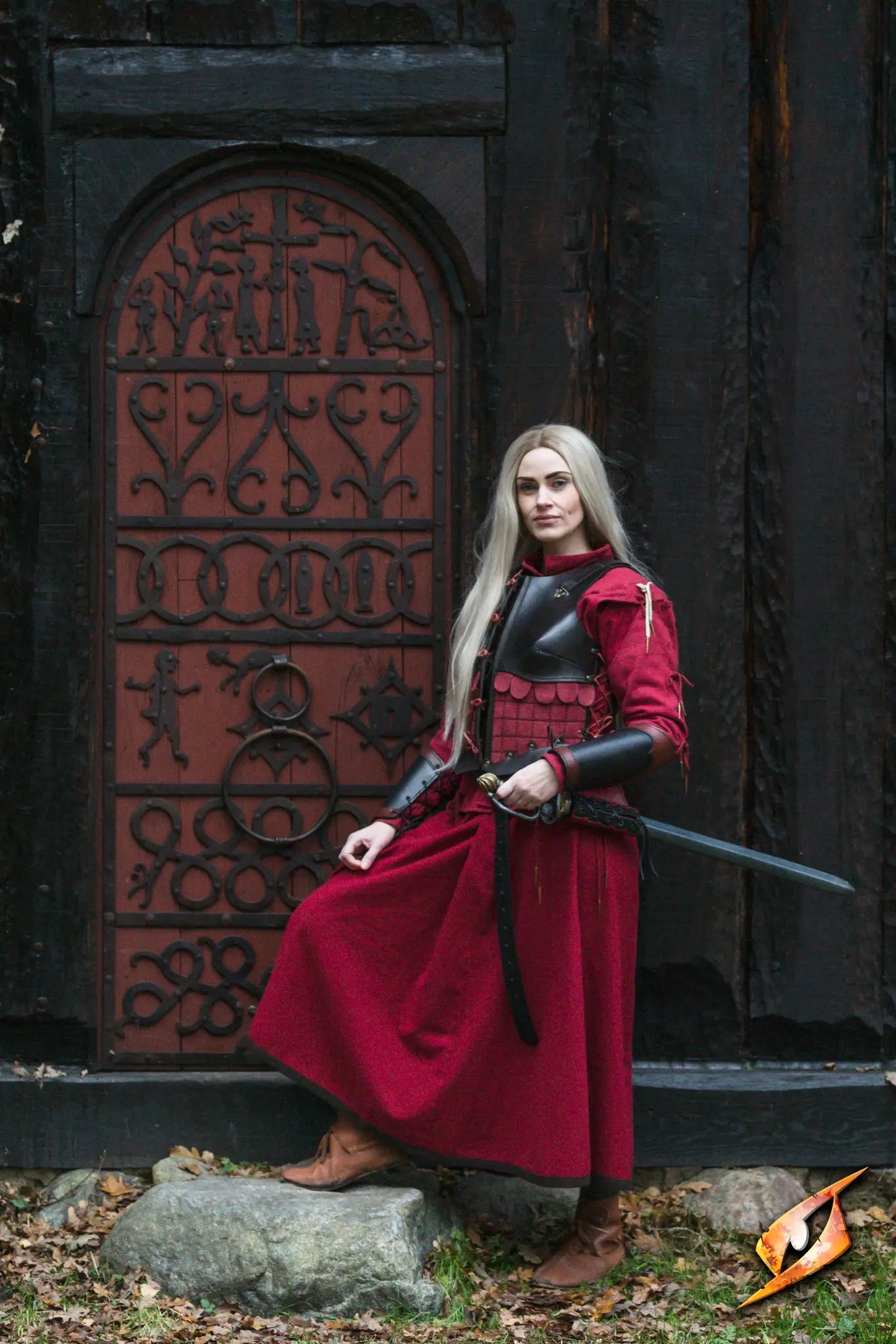
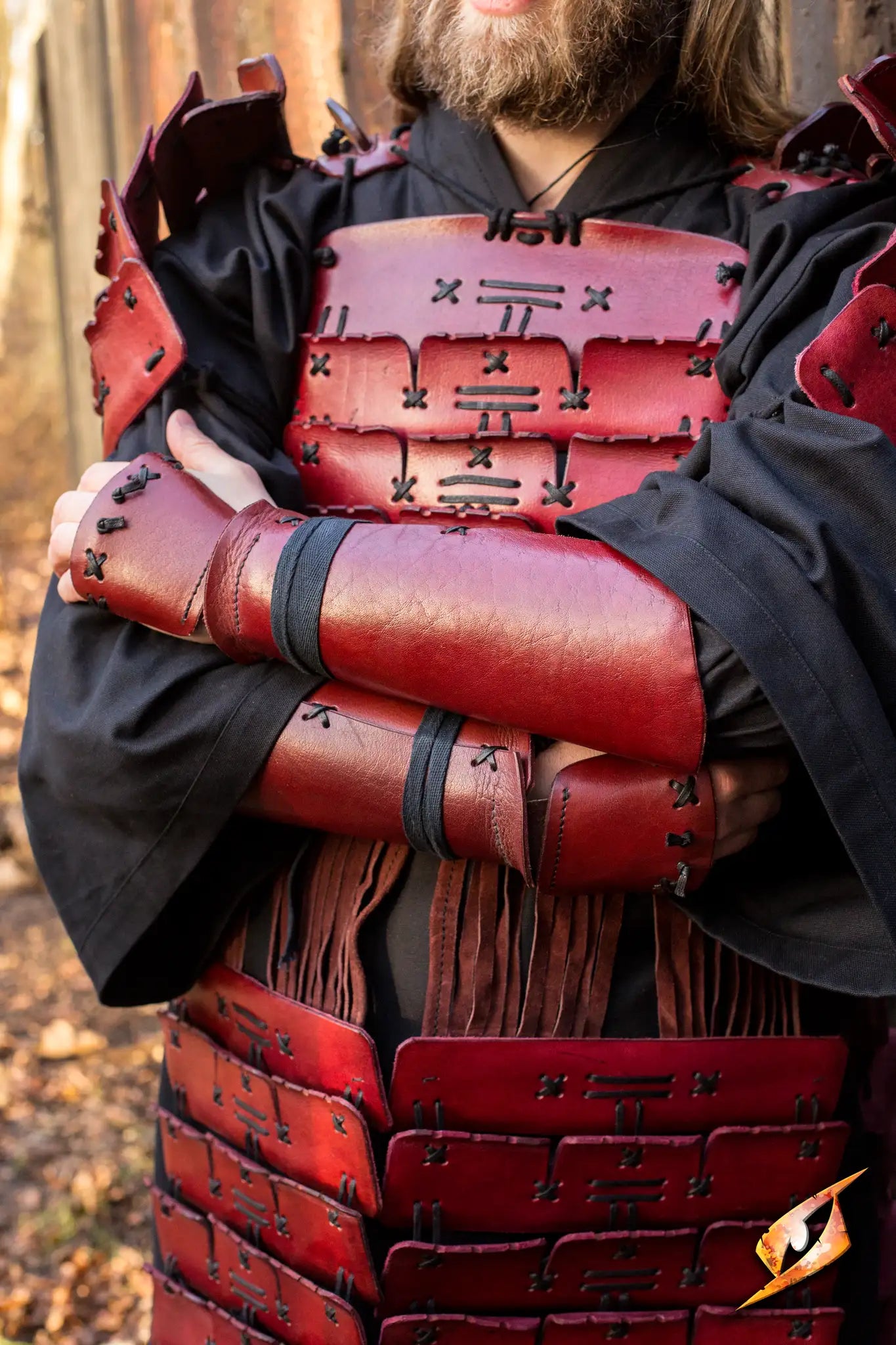
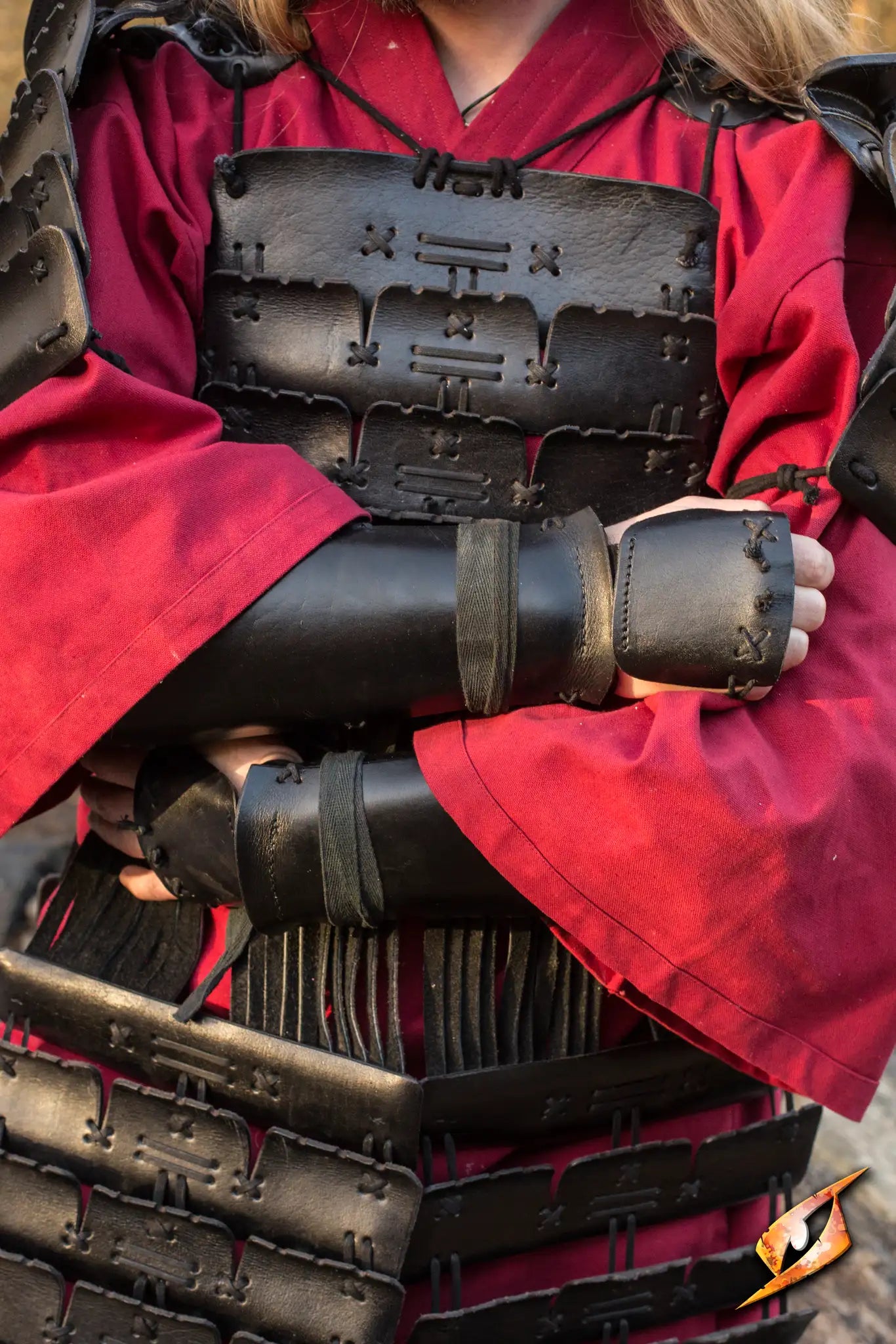
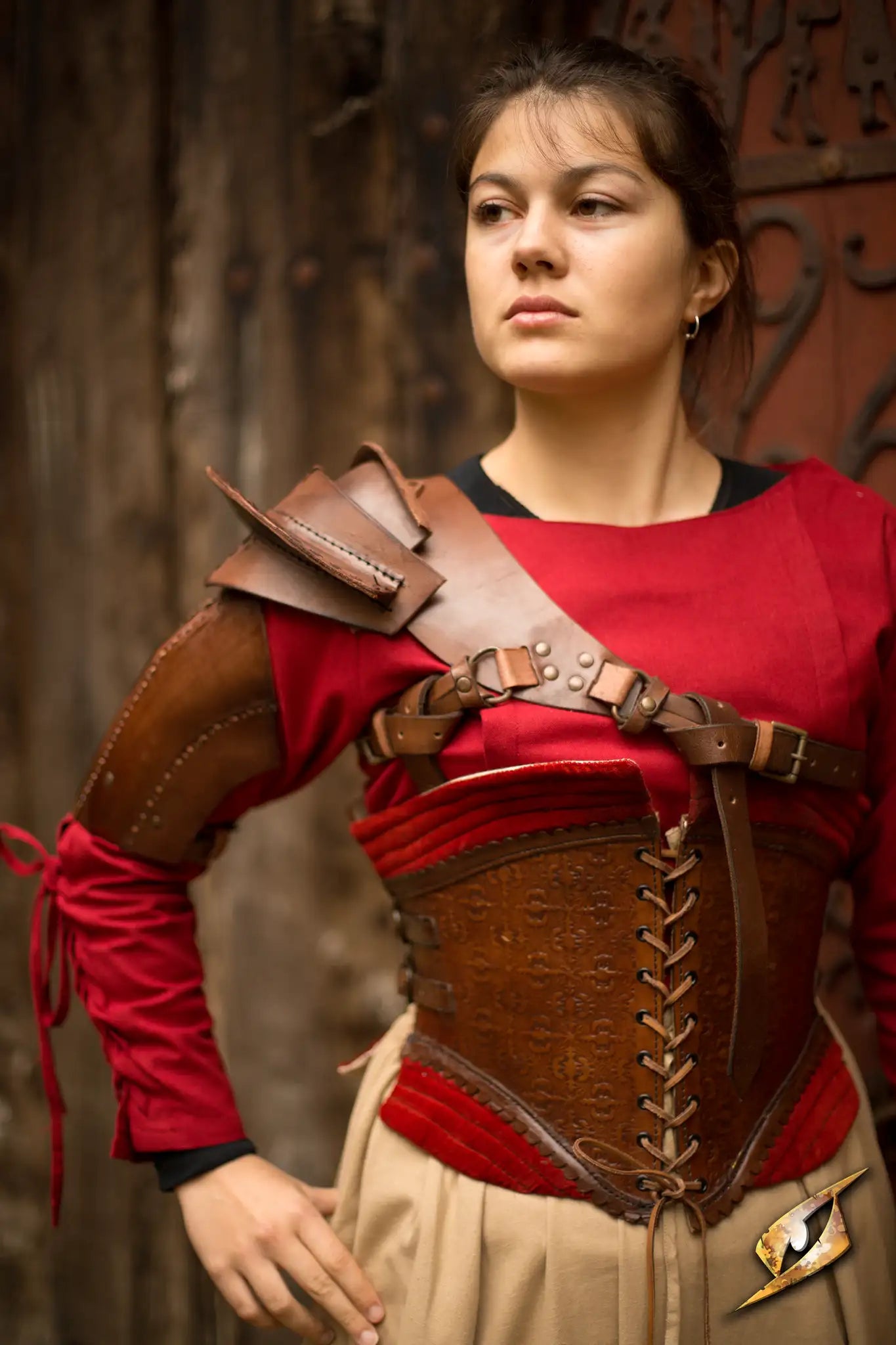
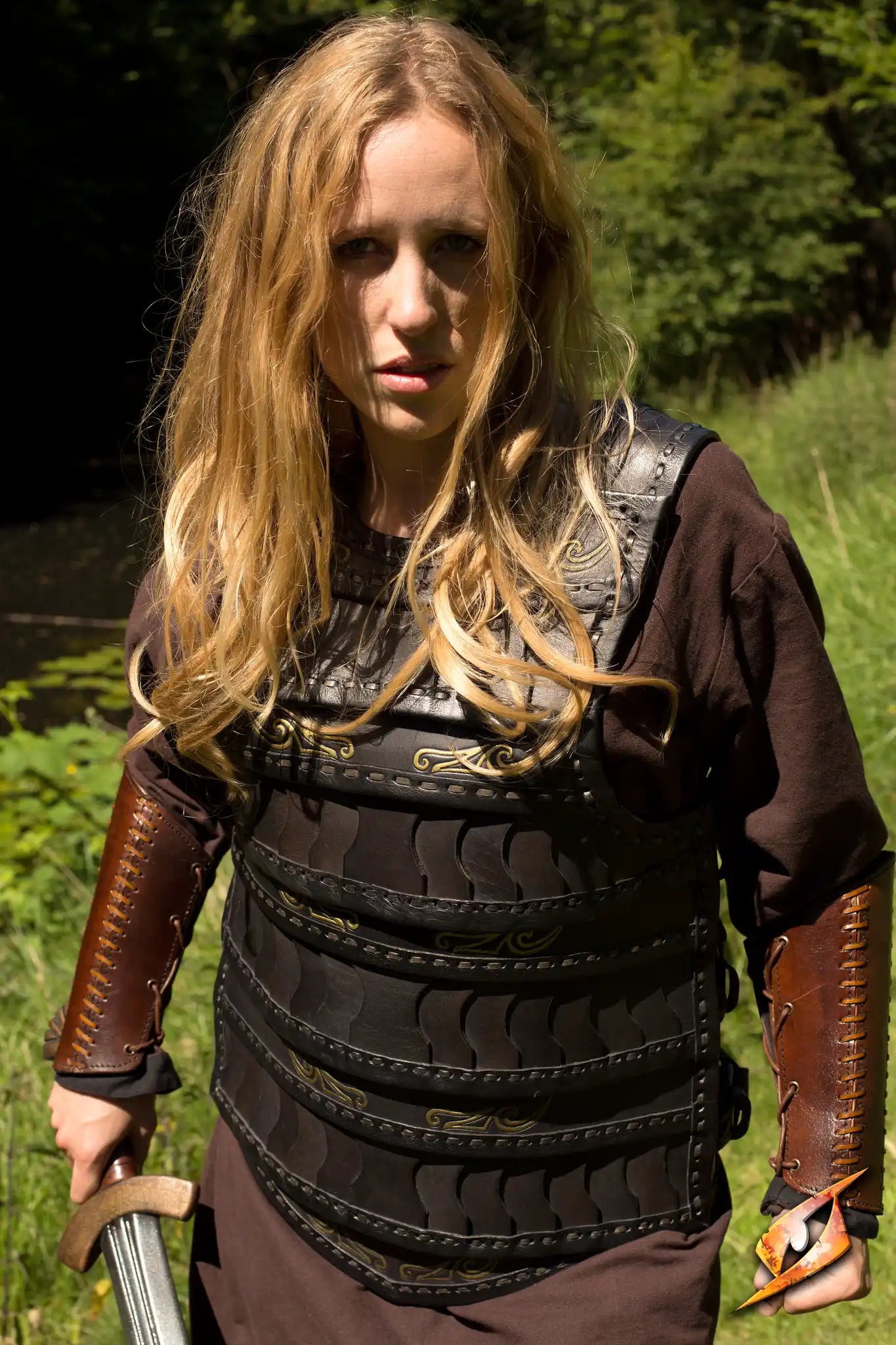
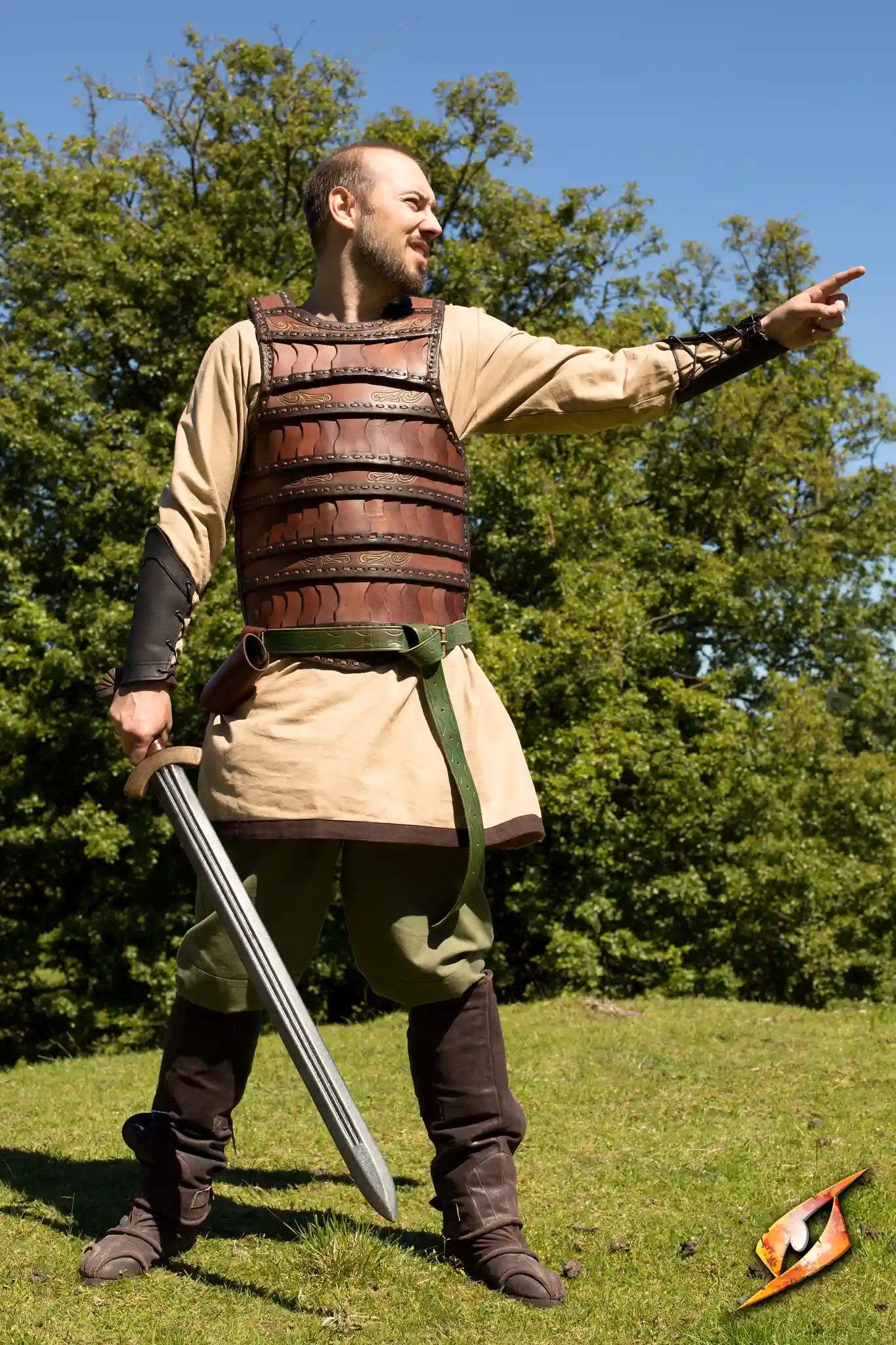
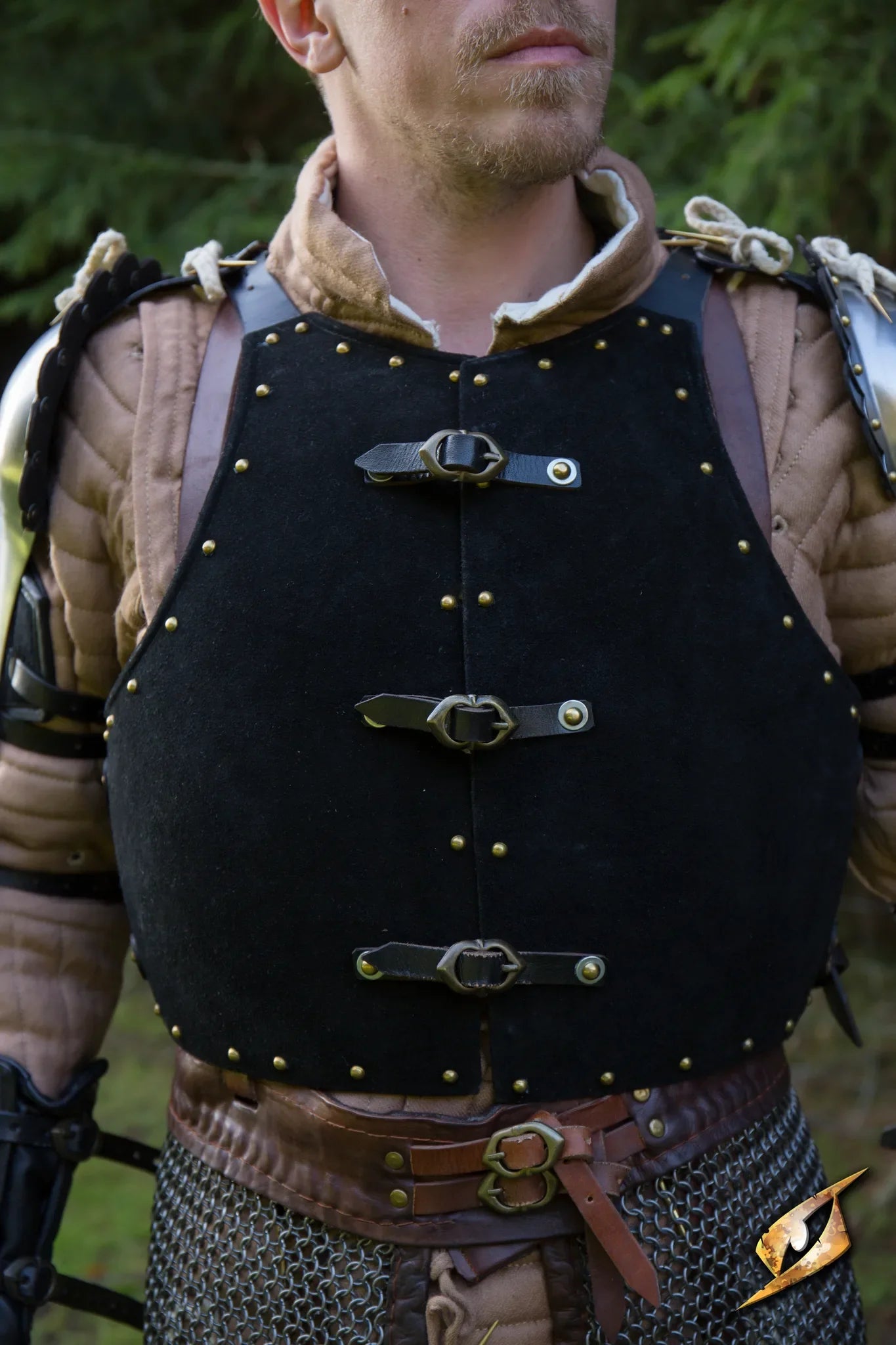
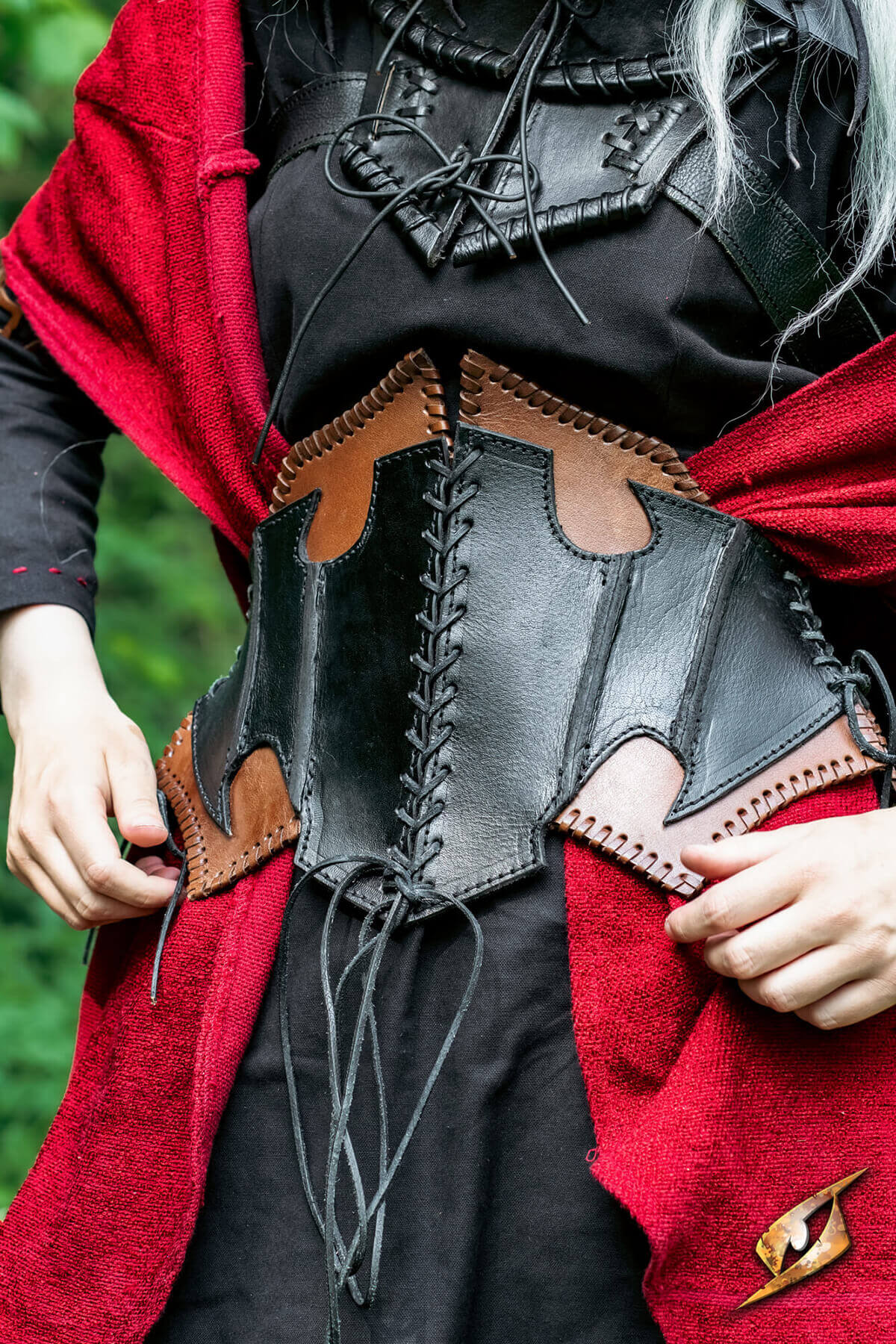
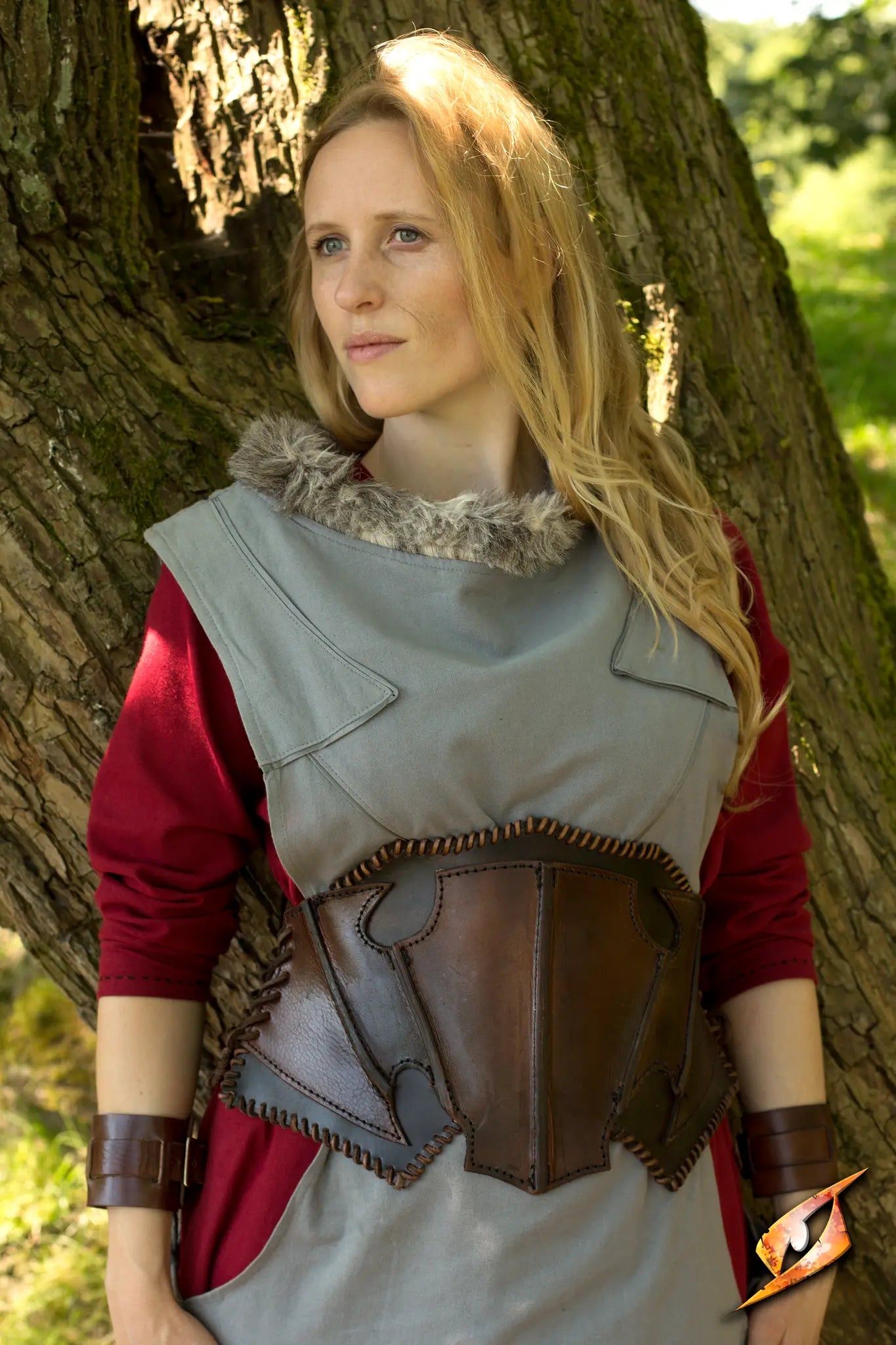
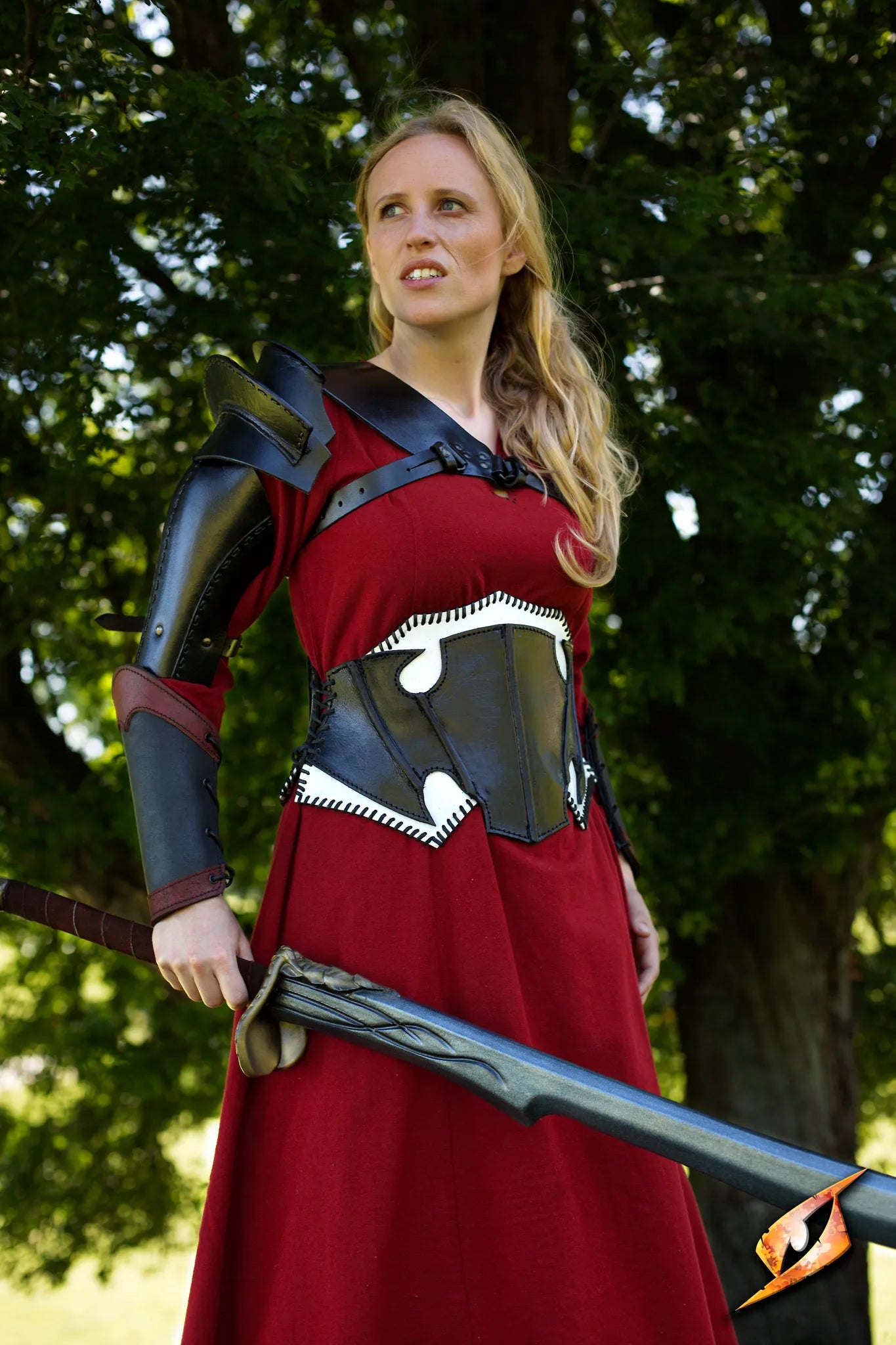
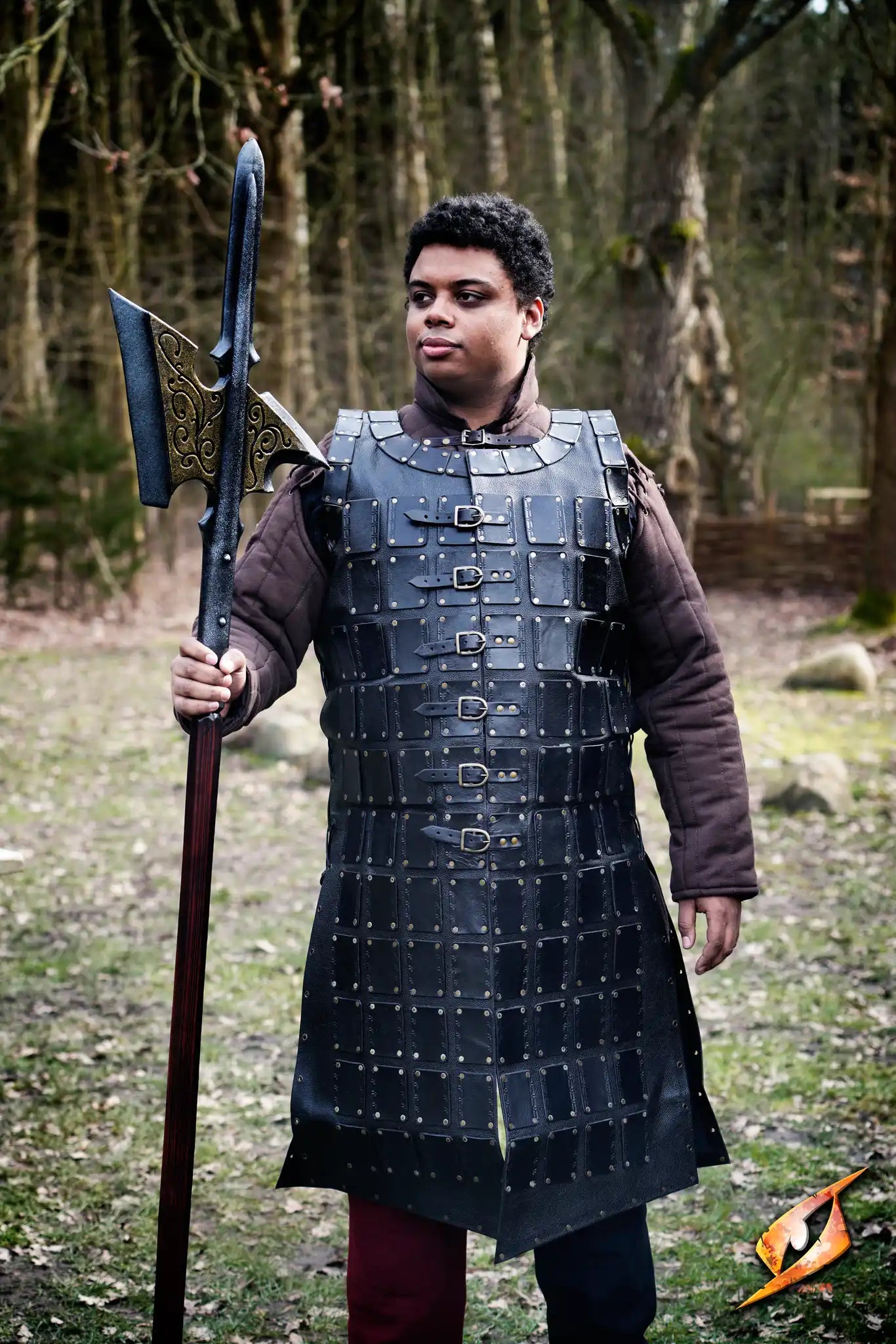
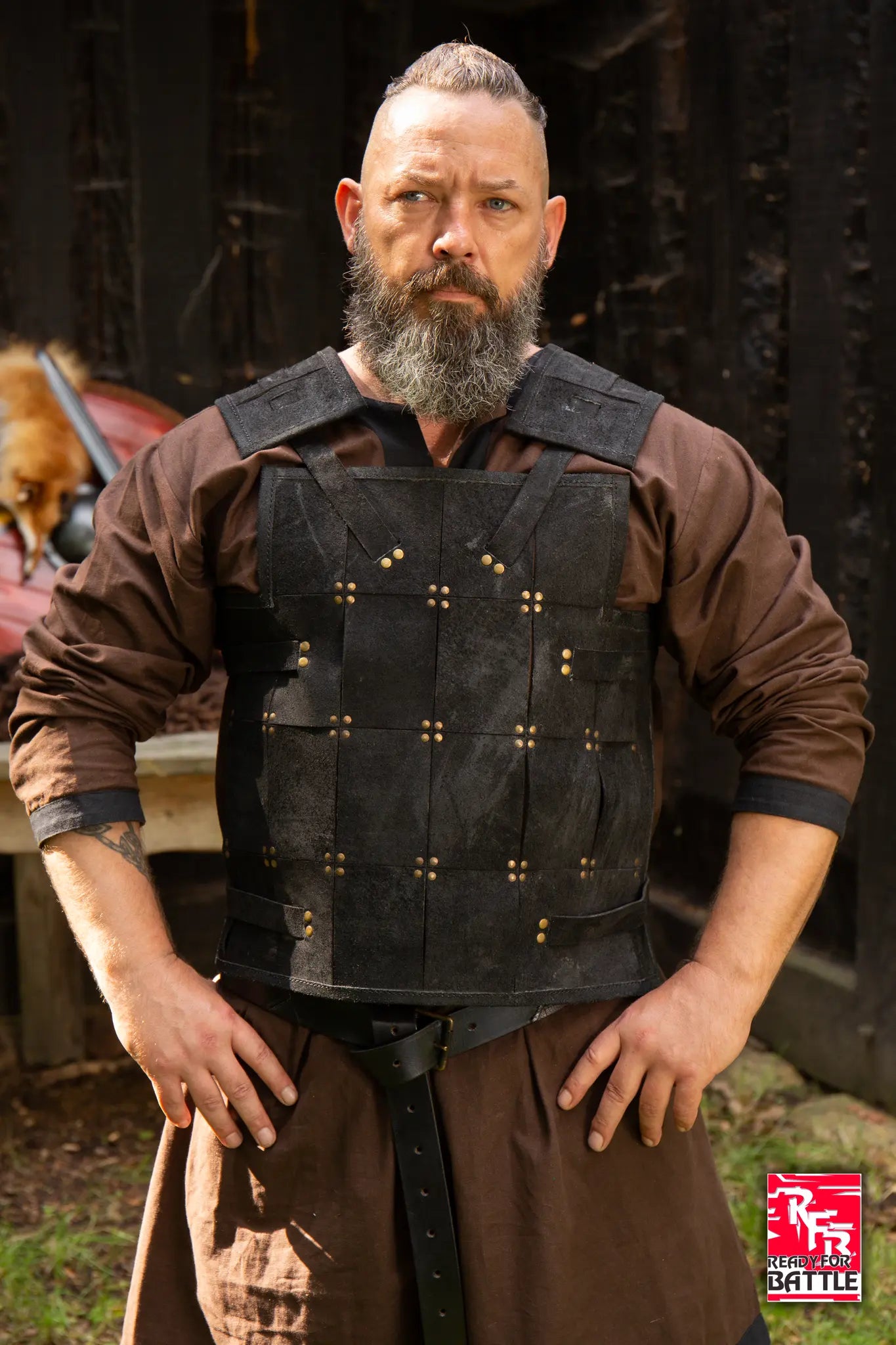
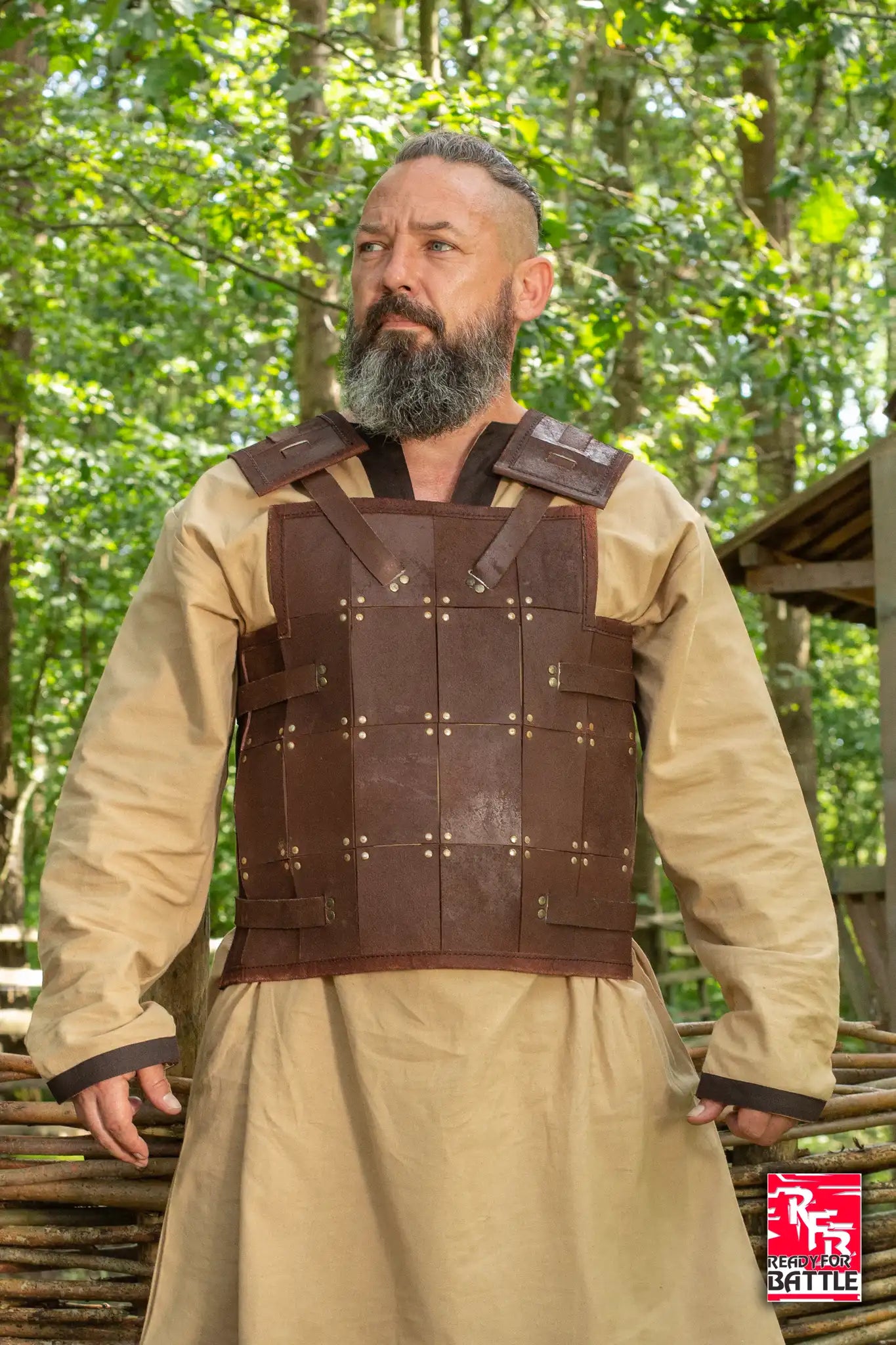
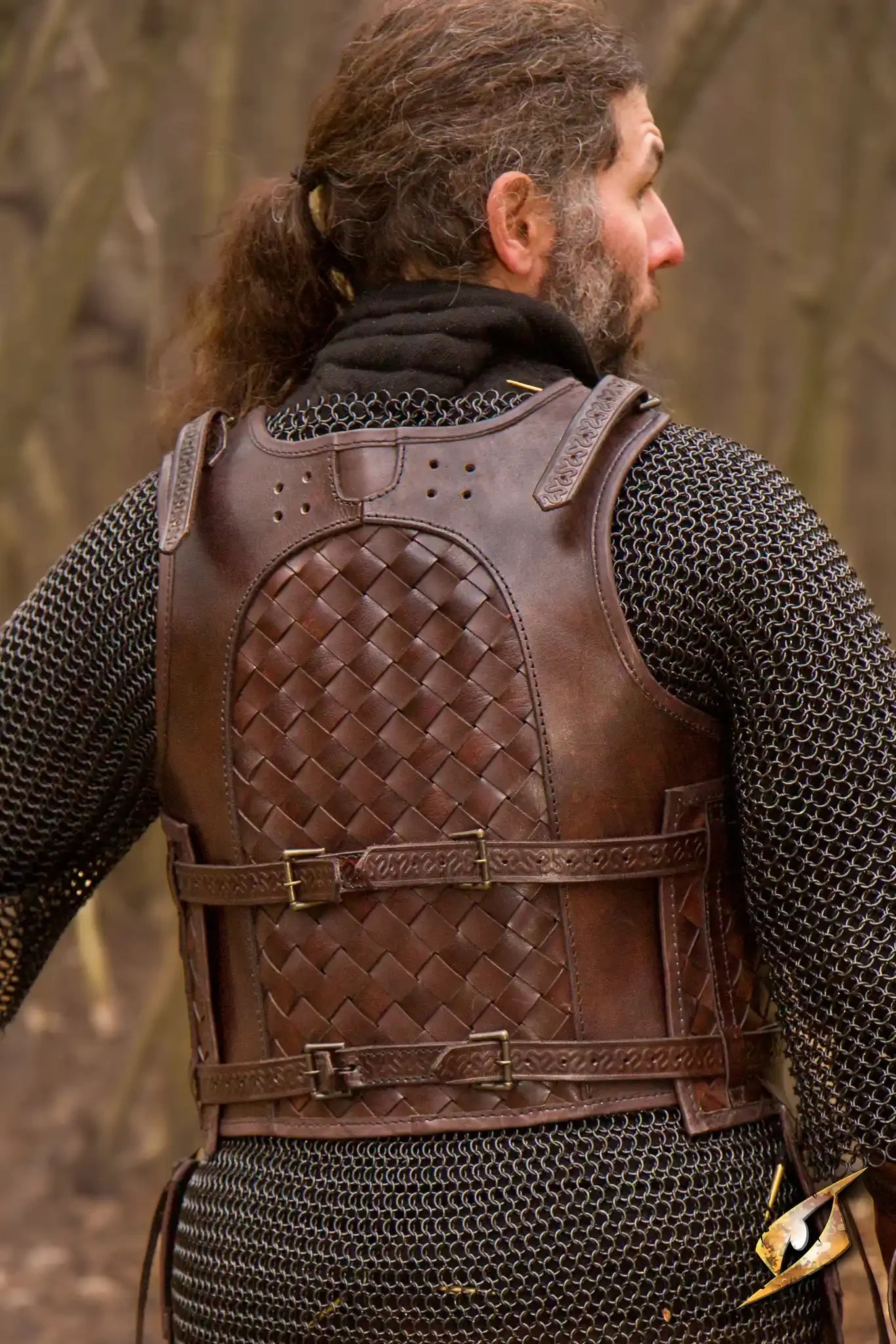
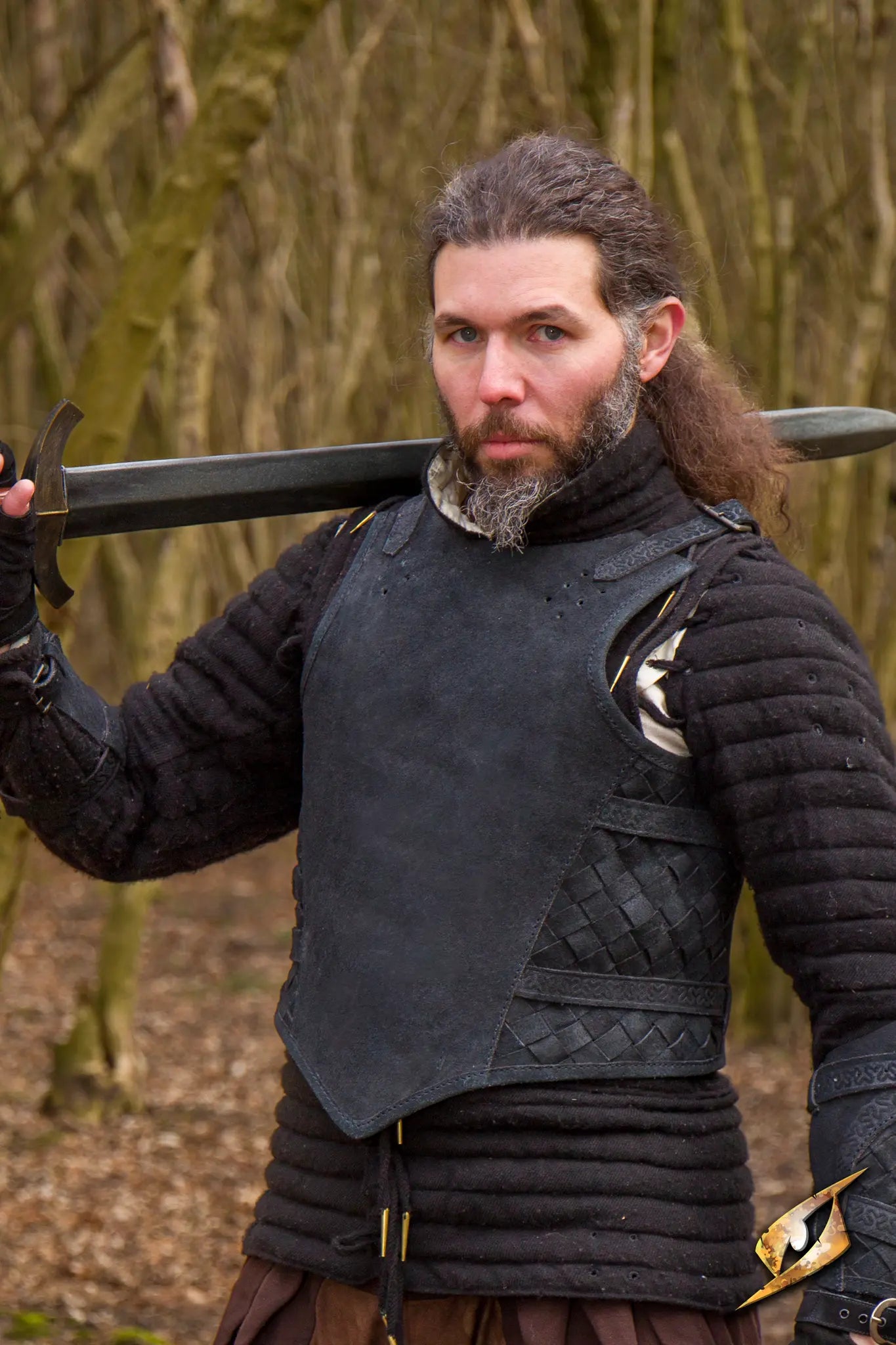
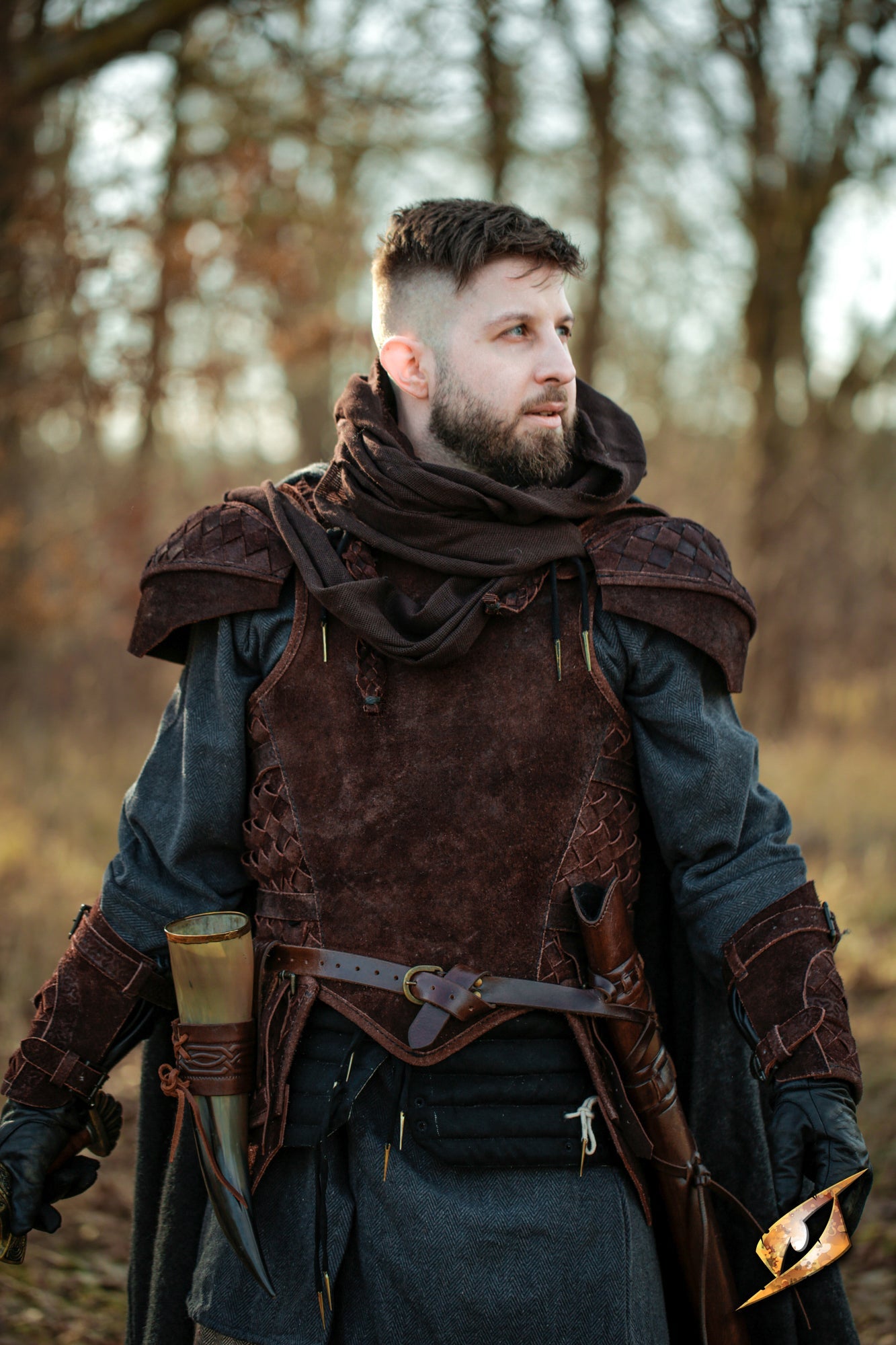
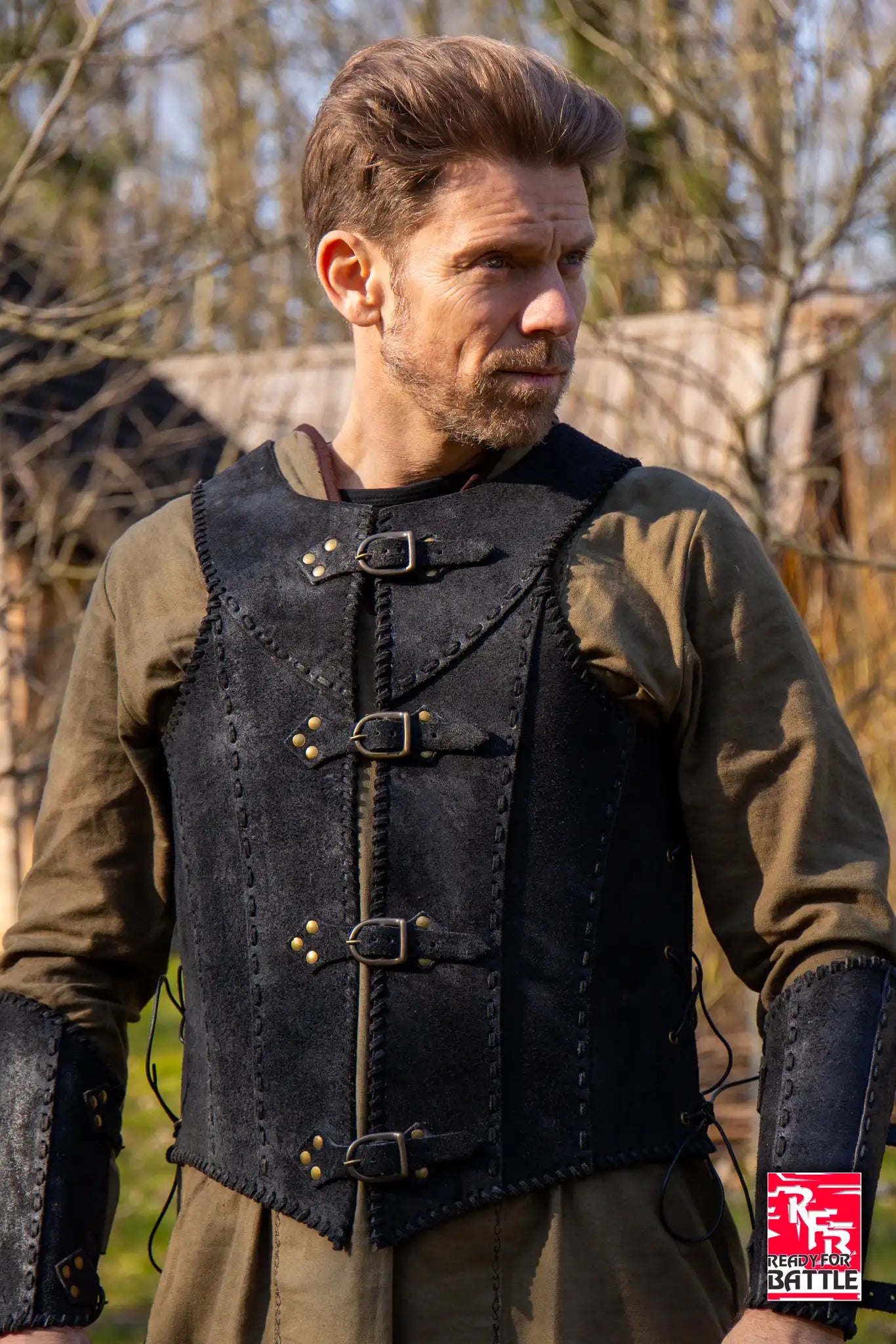
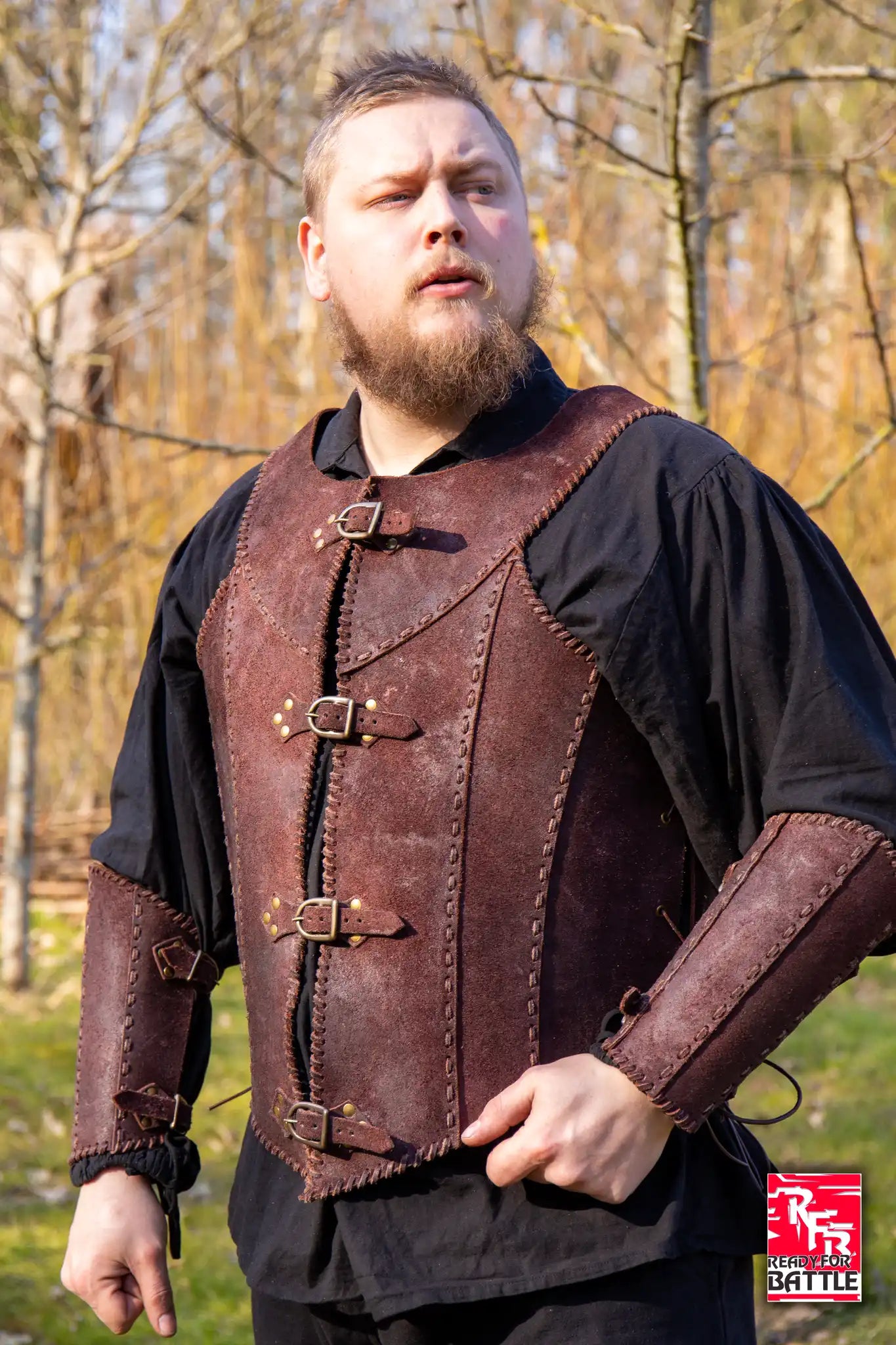
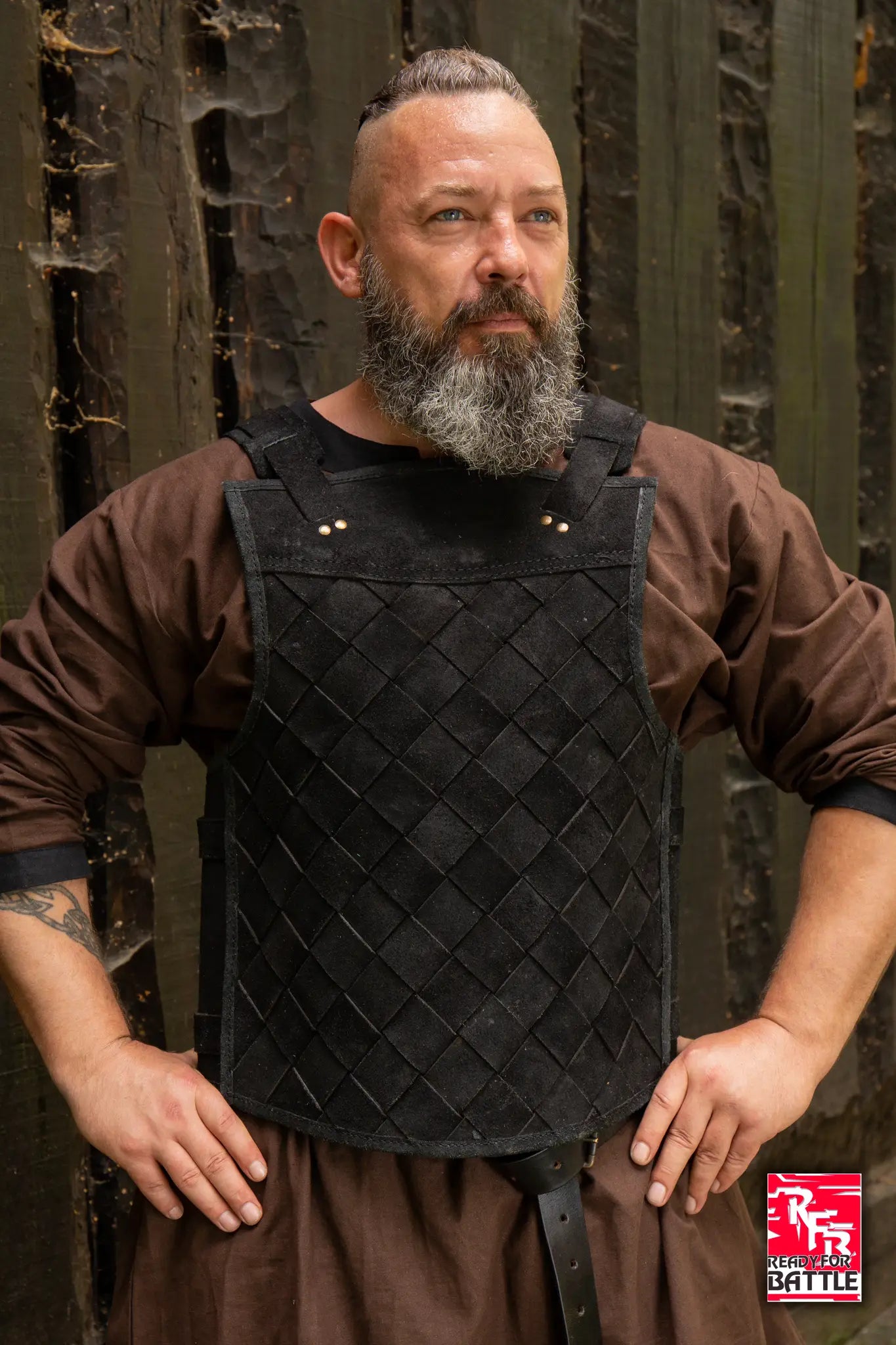
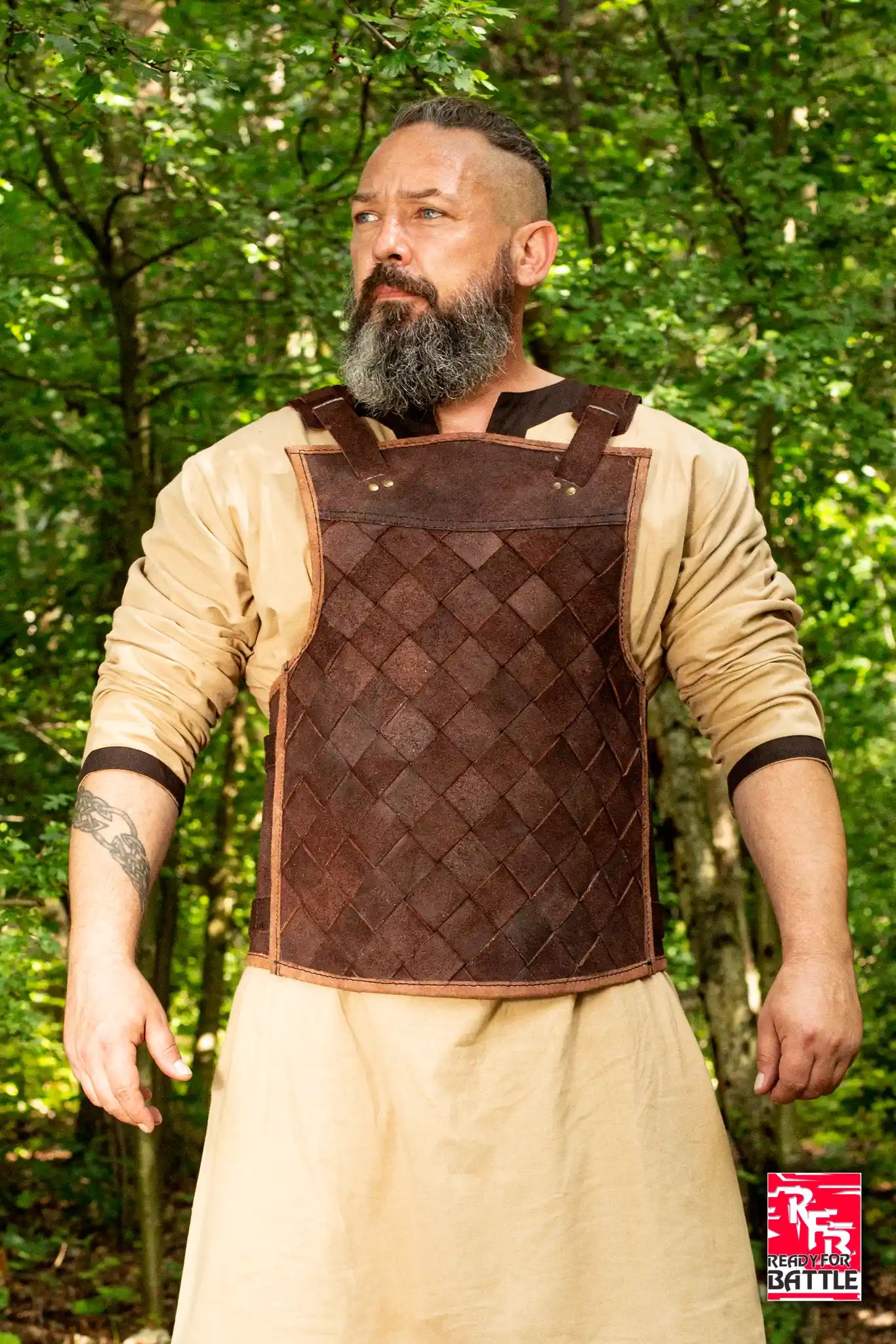
Torso armor is the centerpiece of most kits. The range runs from practical chest pieces and cuirasses through to more distinctive designs including lamellar, brigandine, and fitted corset styles. Whatever the build, the torso piece is usually the first decision.
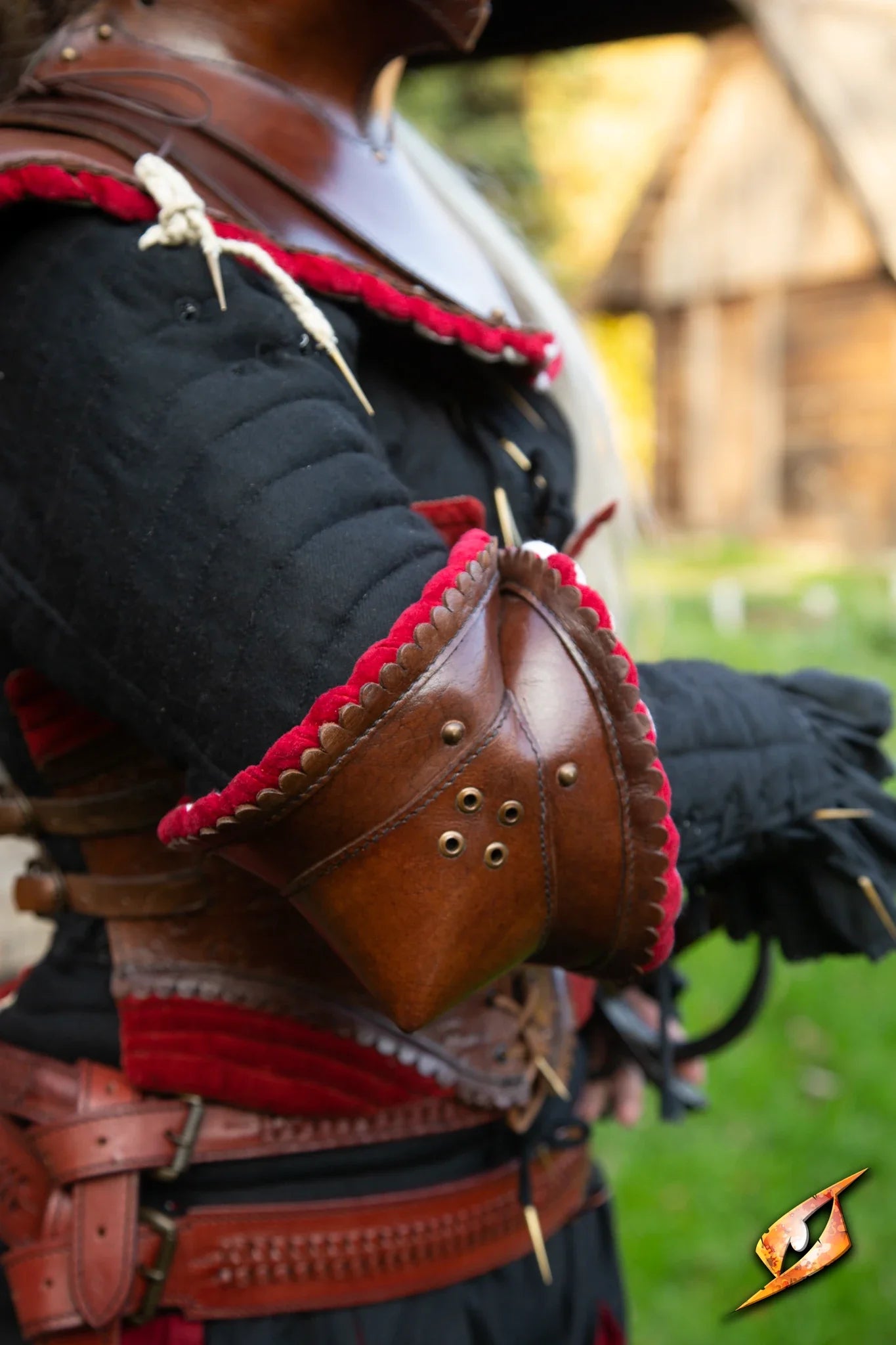
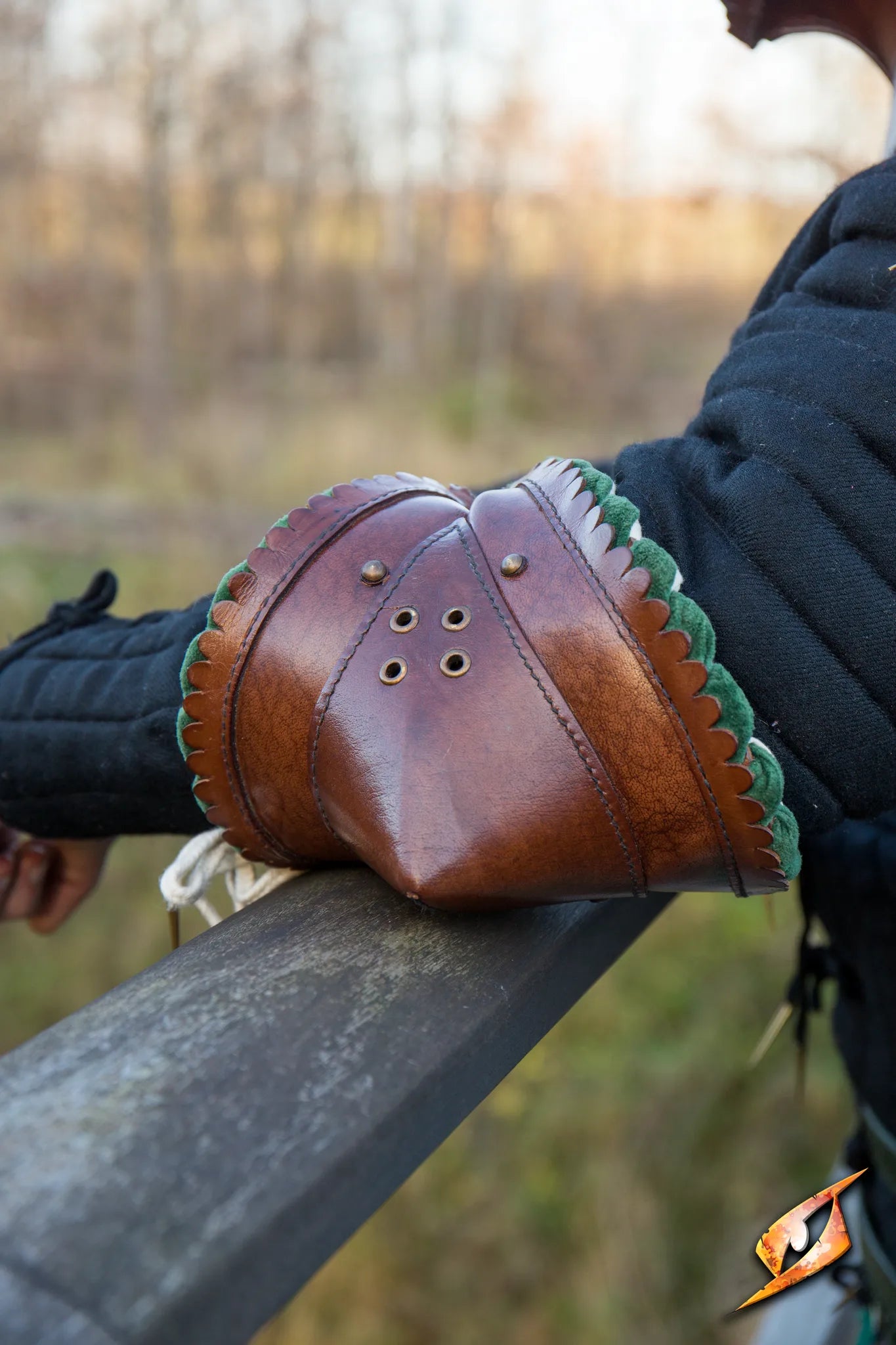
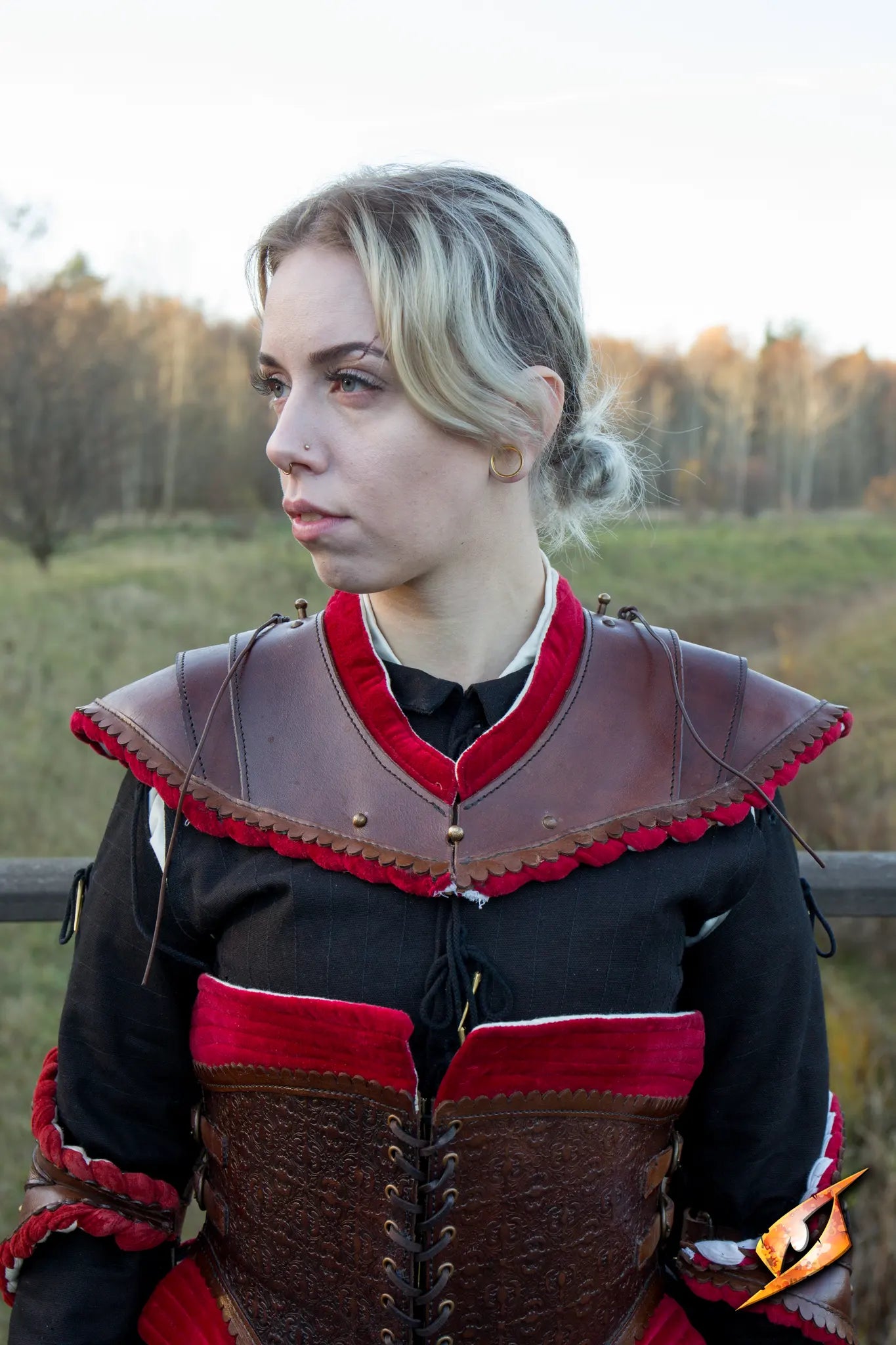
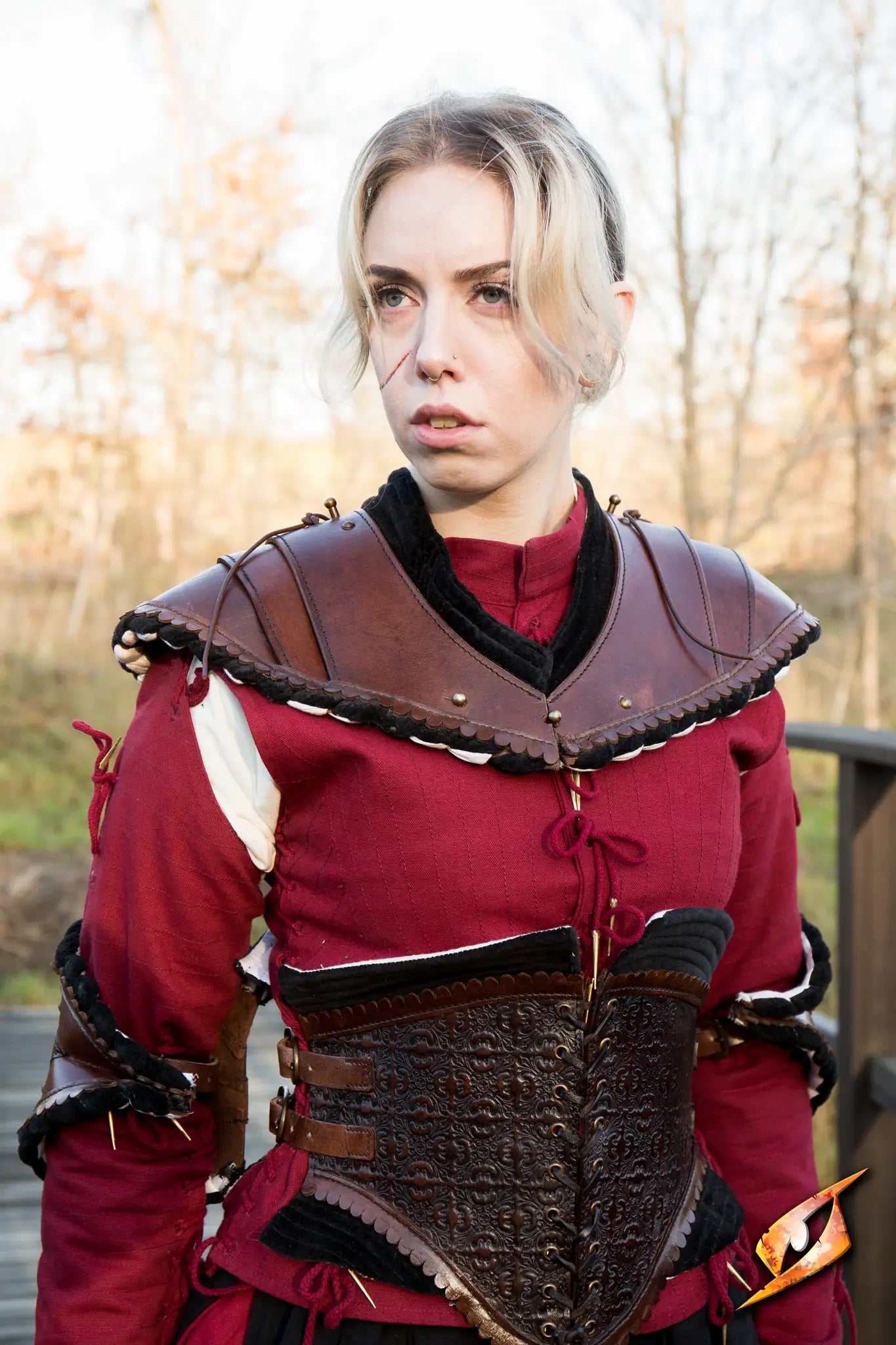
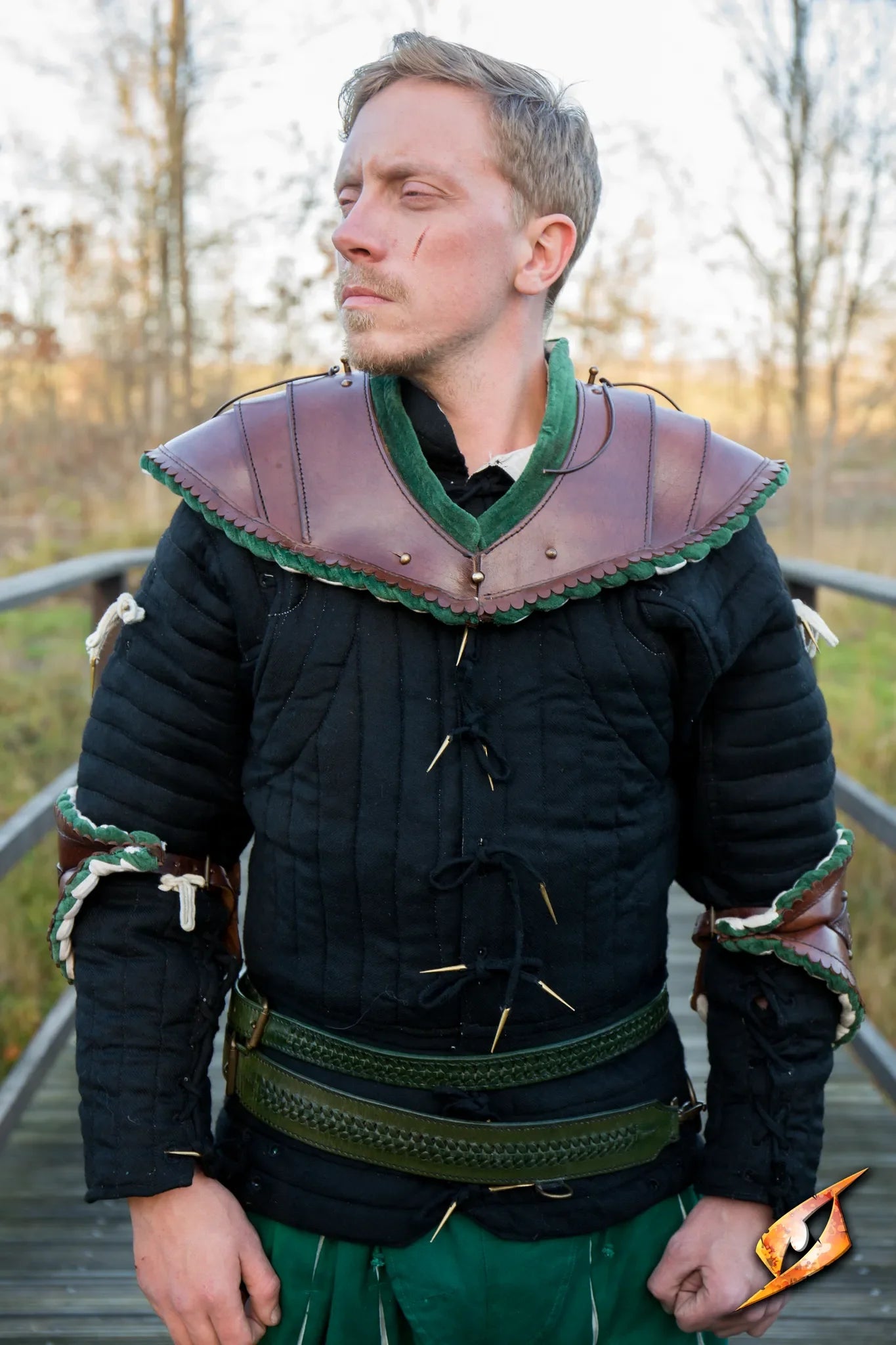
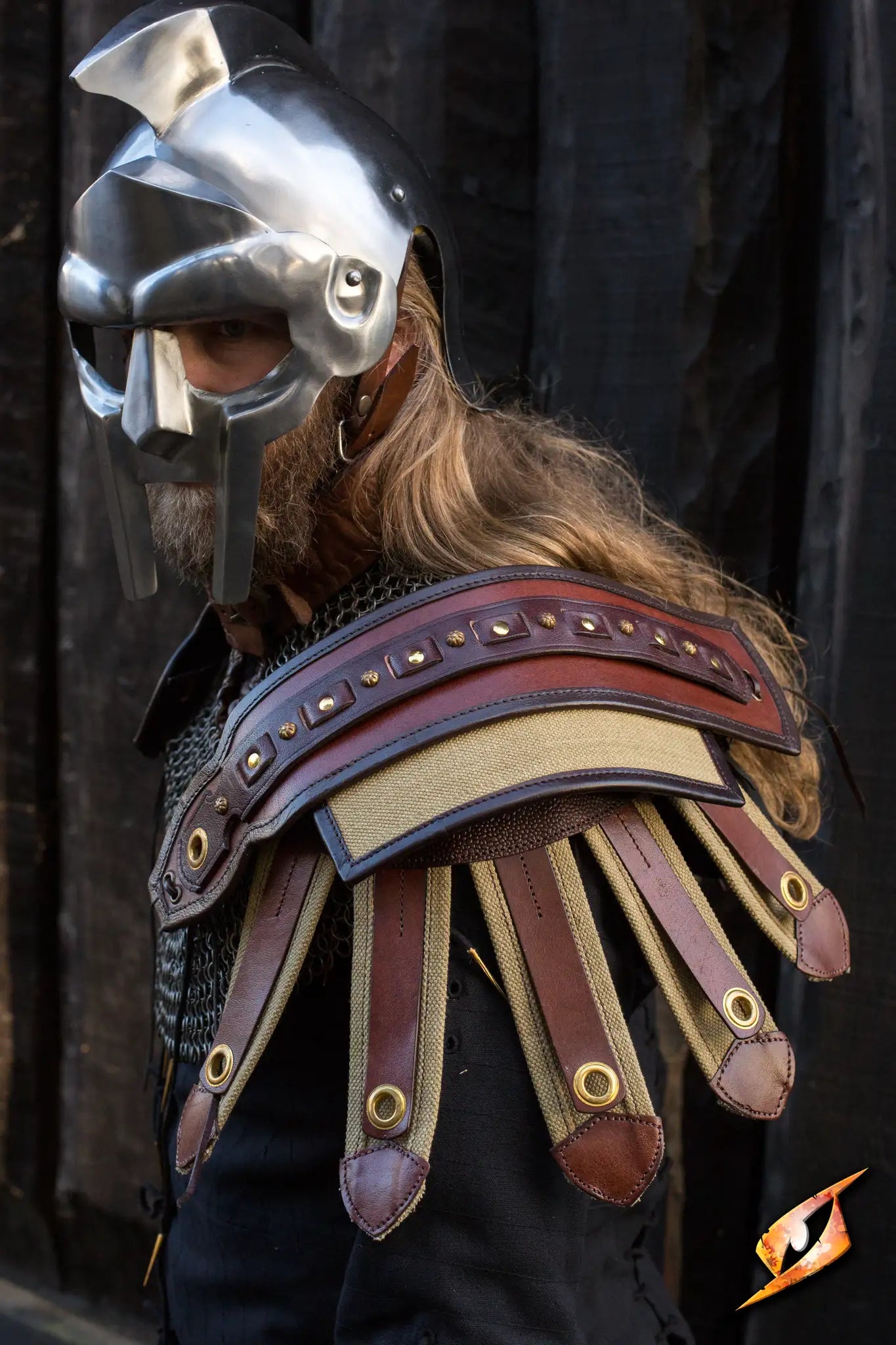
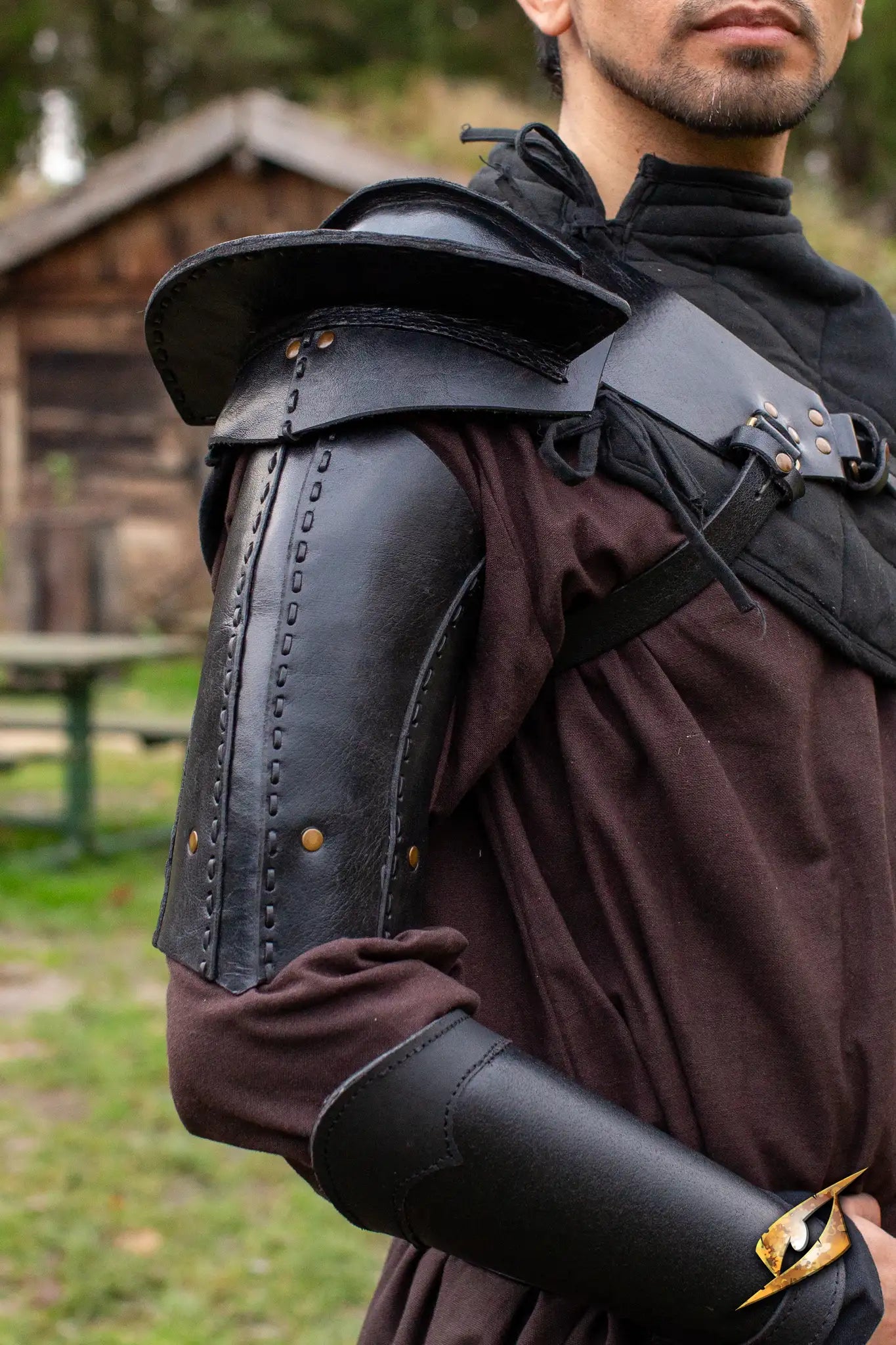
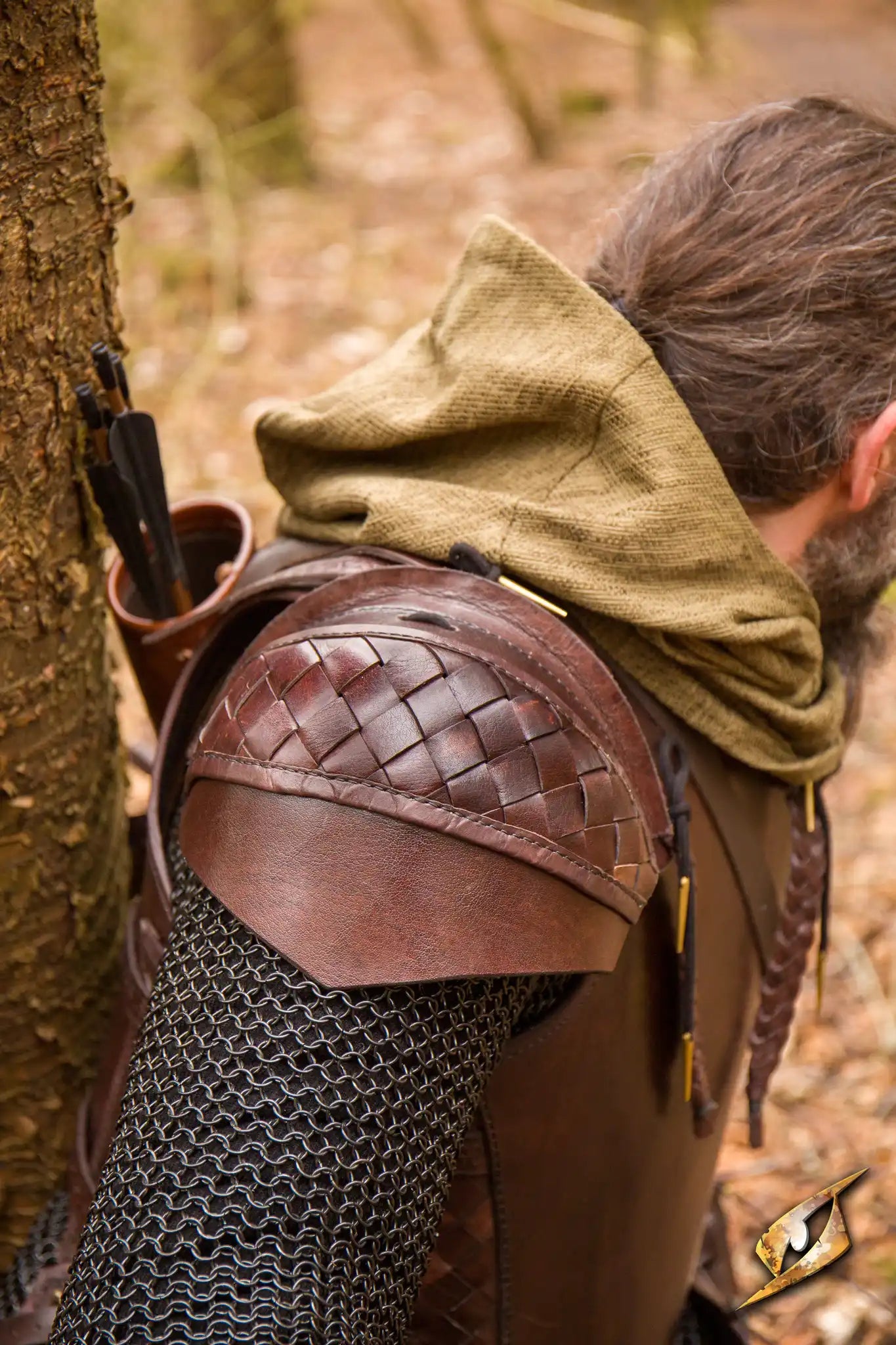
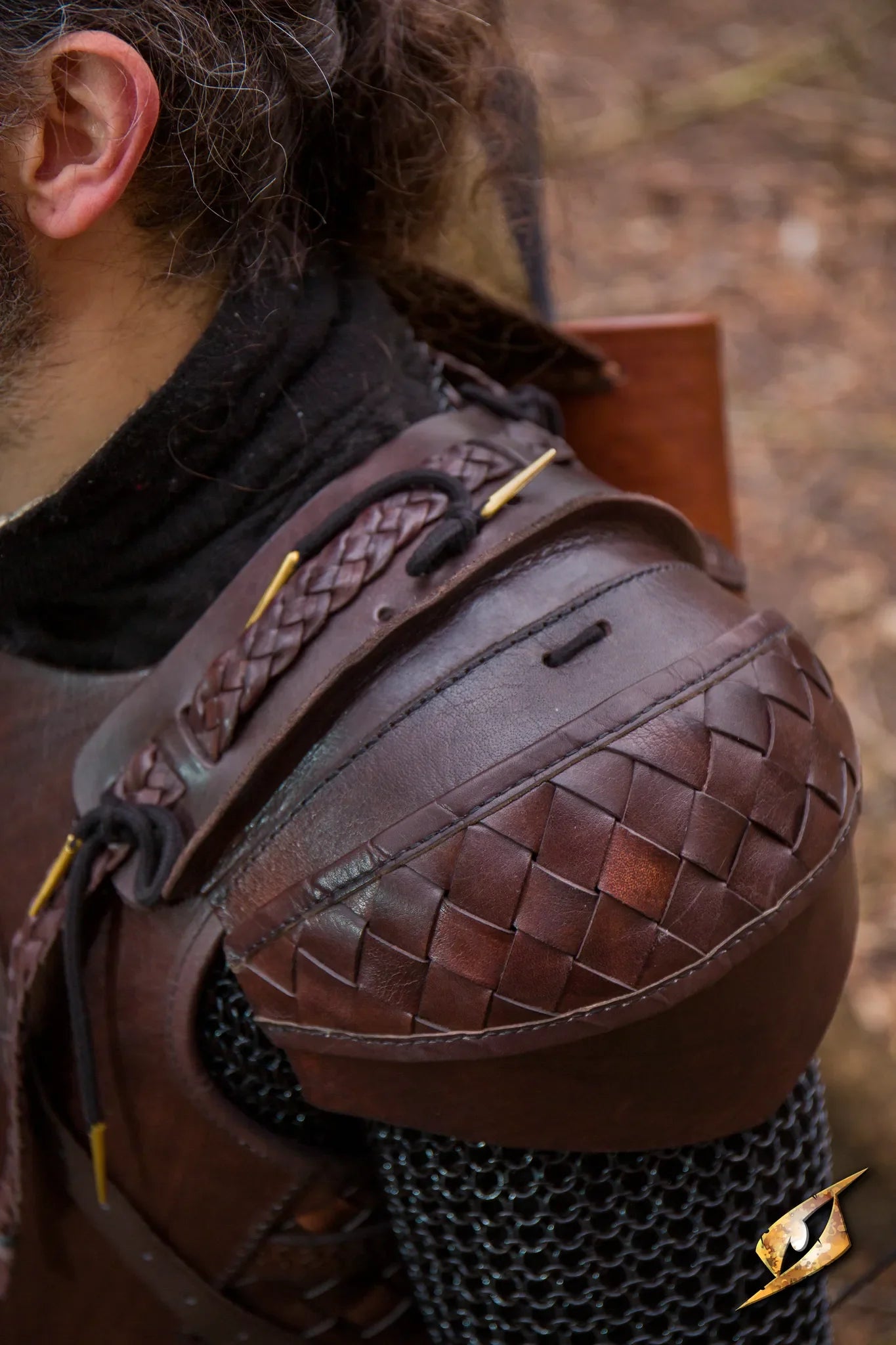
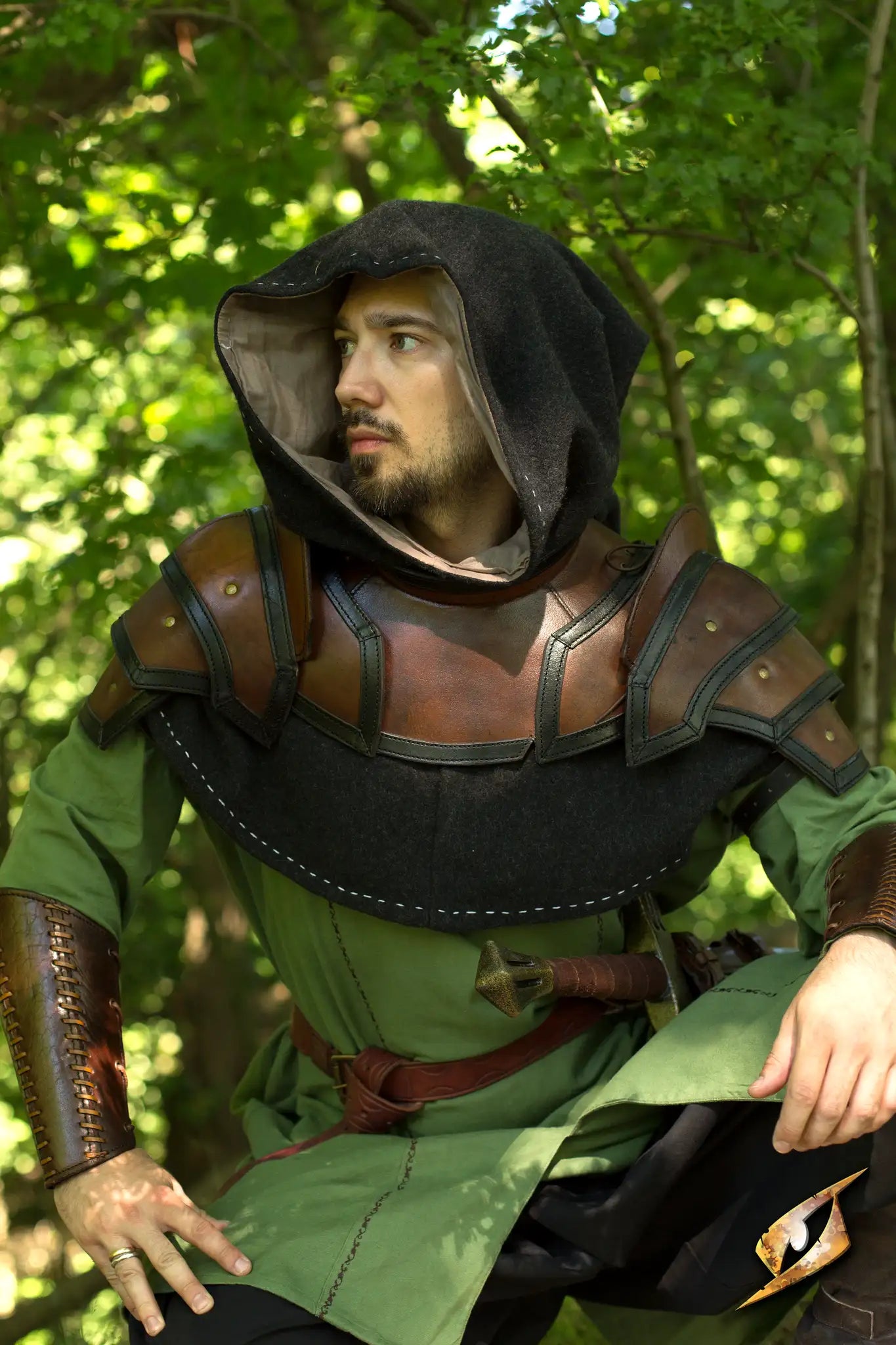
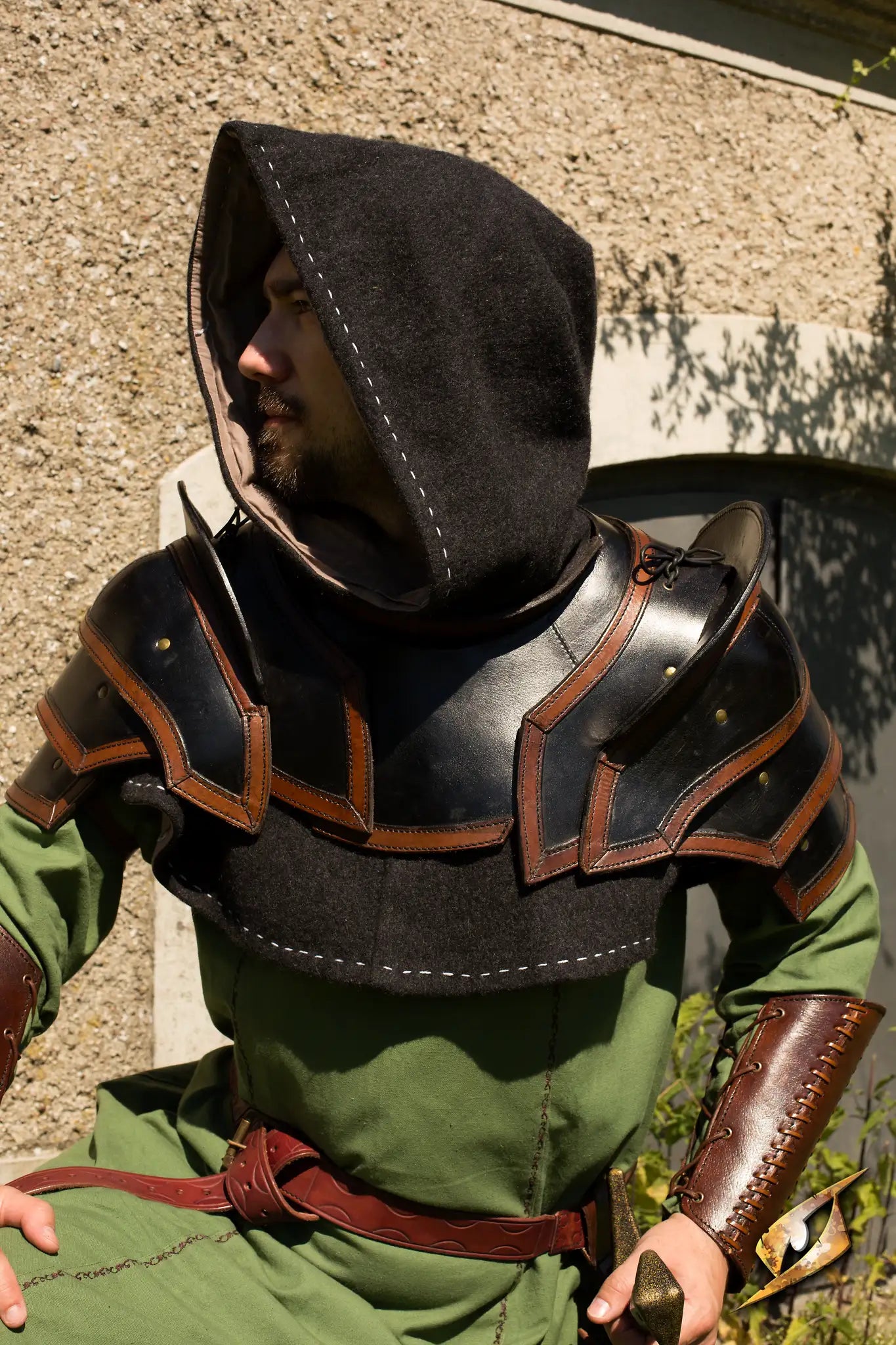
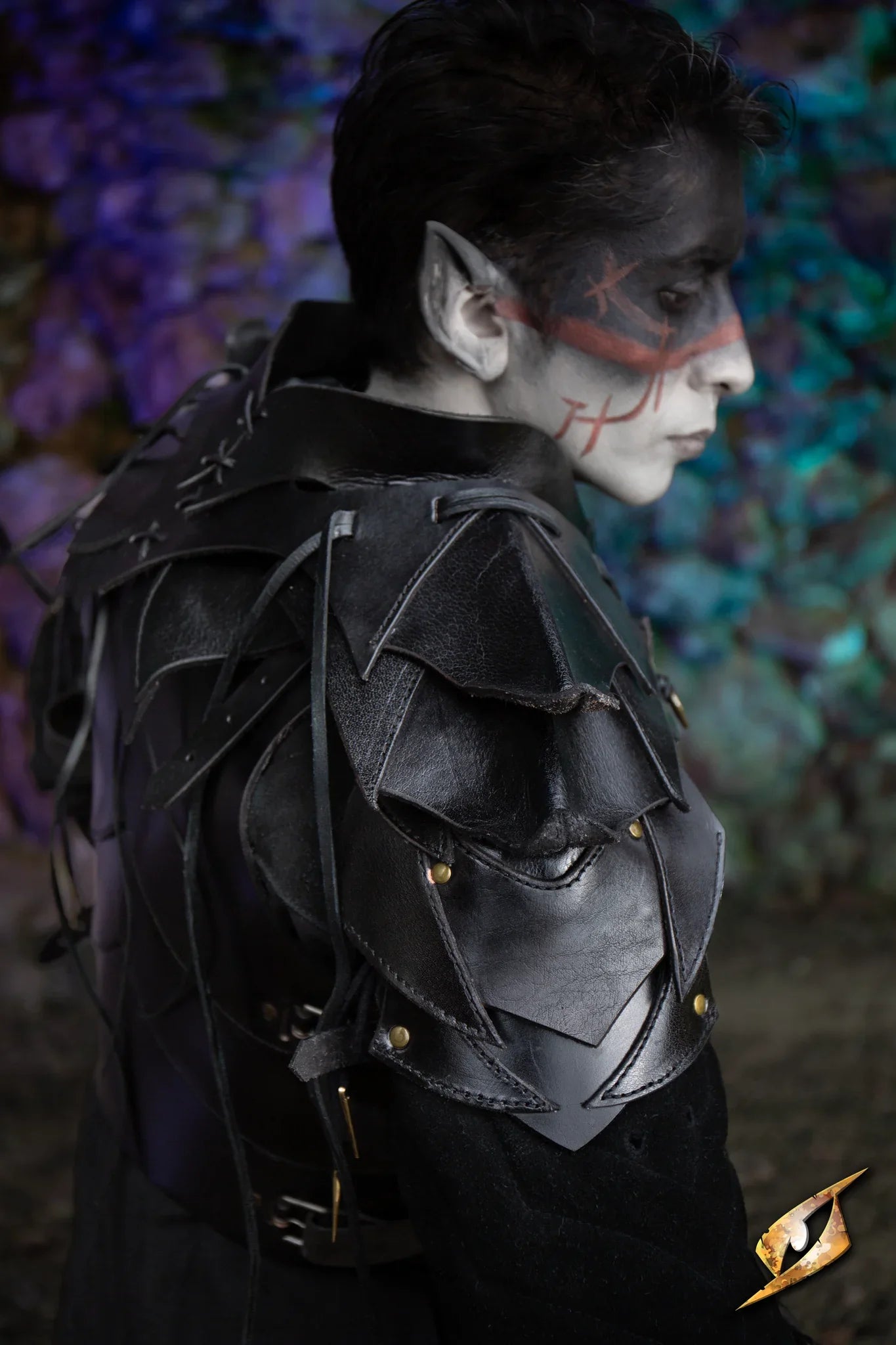
Shoulder armor adds presence without restricting arm movement. Options range from minimal single-shoulder pieces through to full shoulder sets with integrated neck protection — useful for builds that need coverage higher up without a helmet.
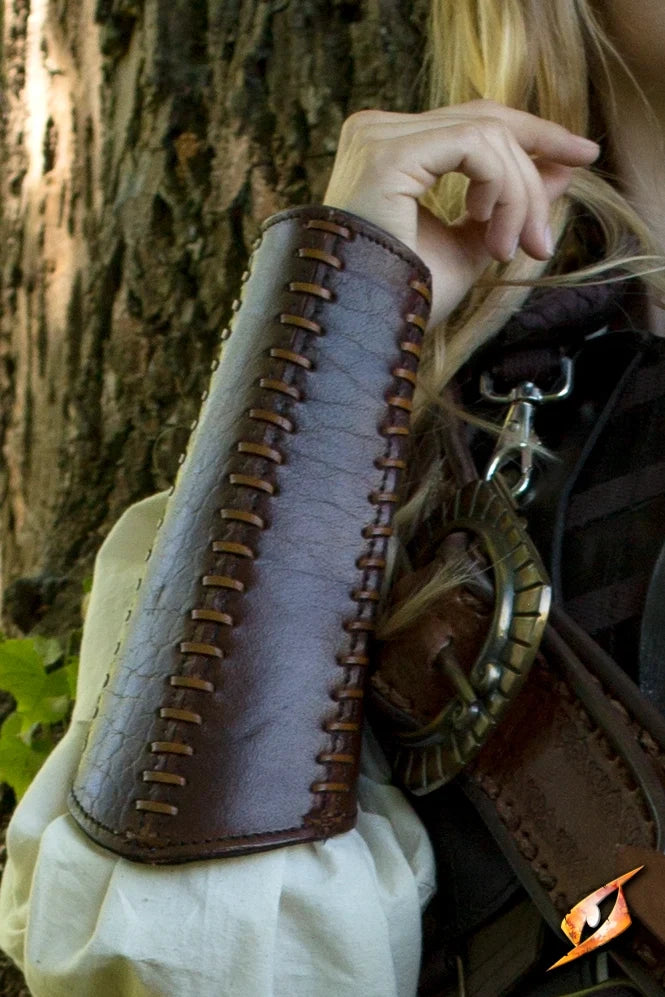
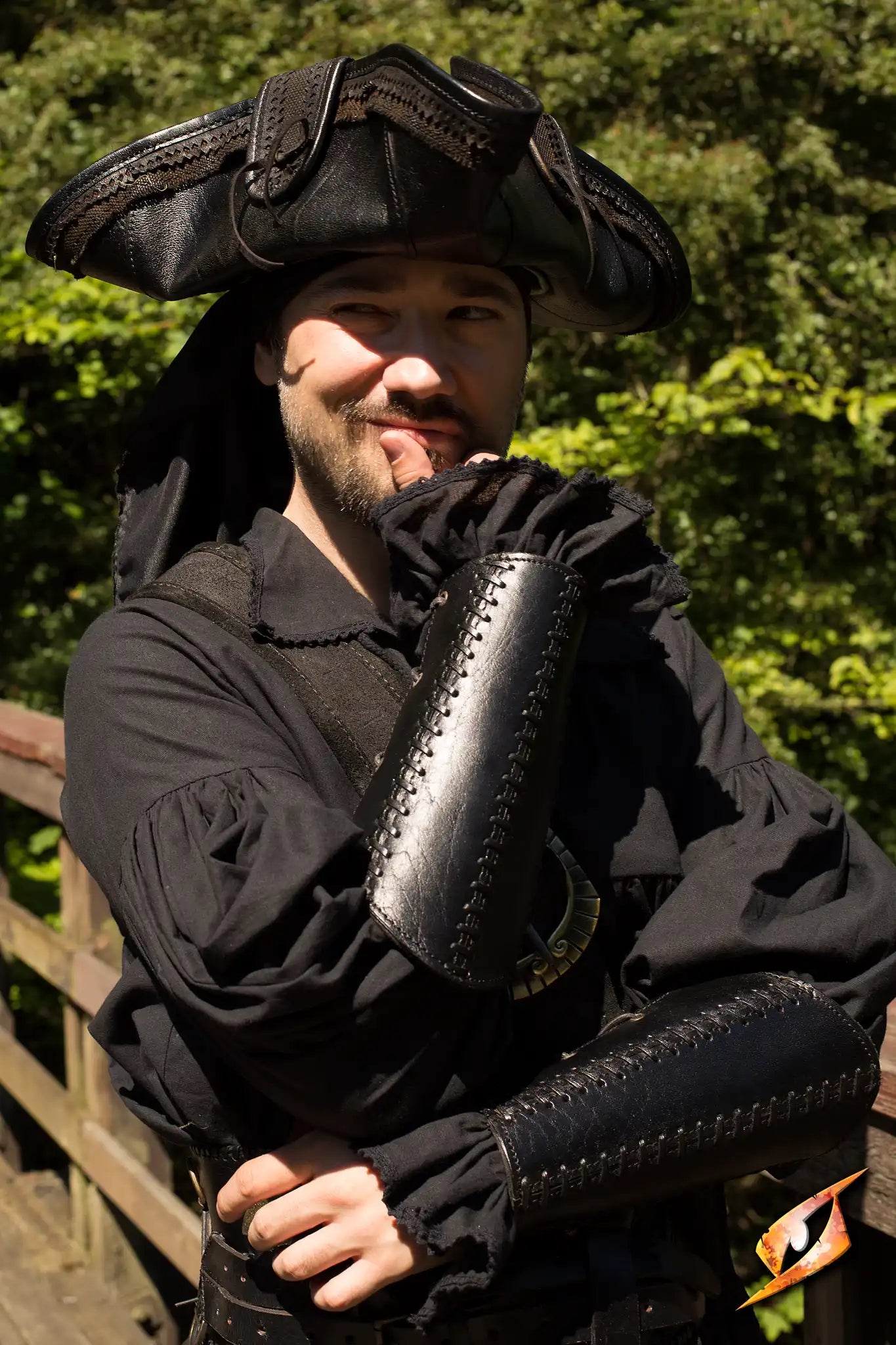
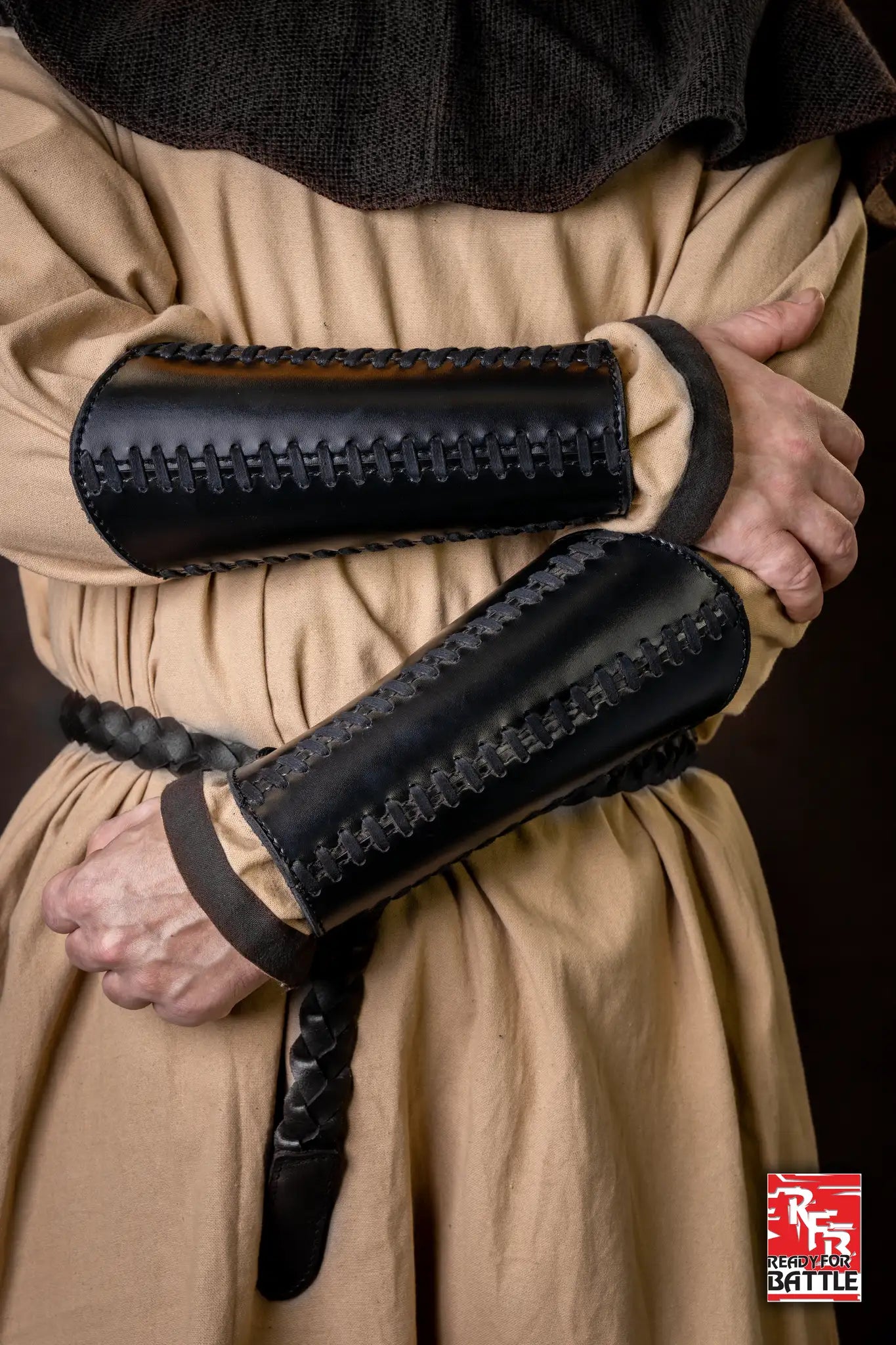
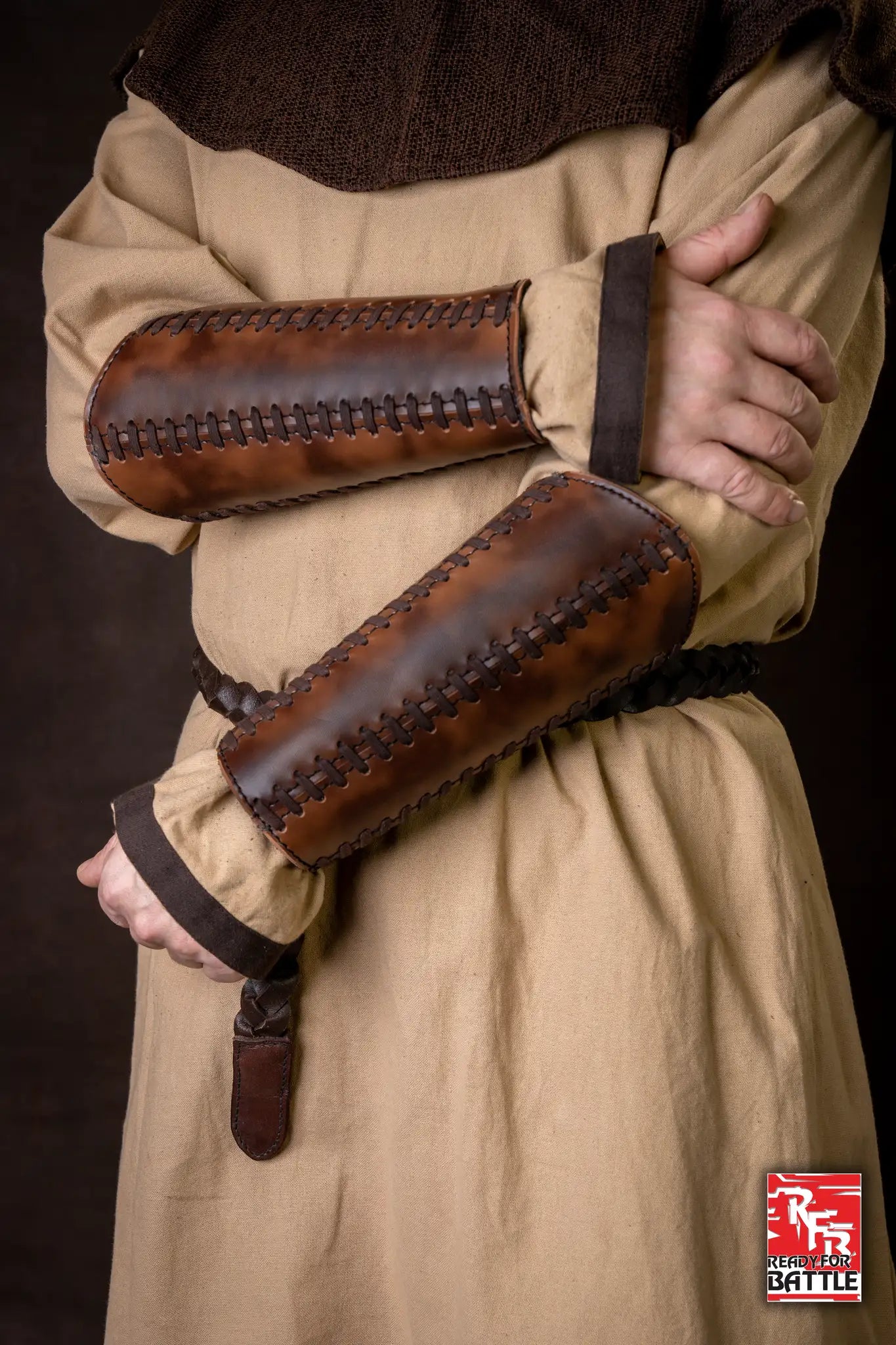
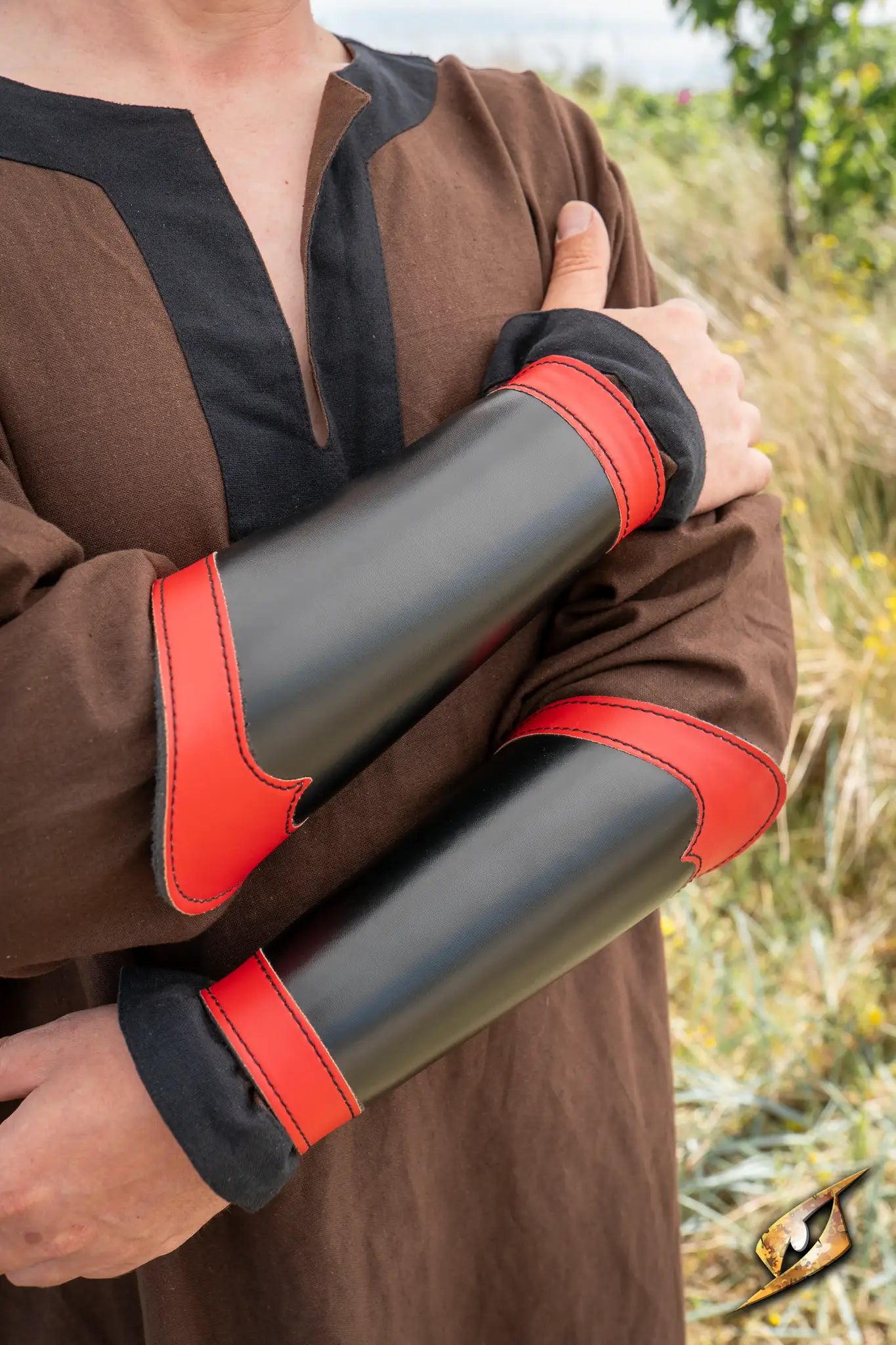
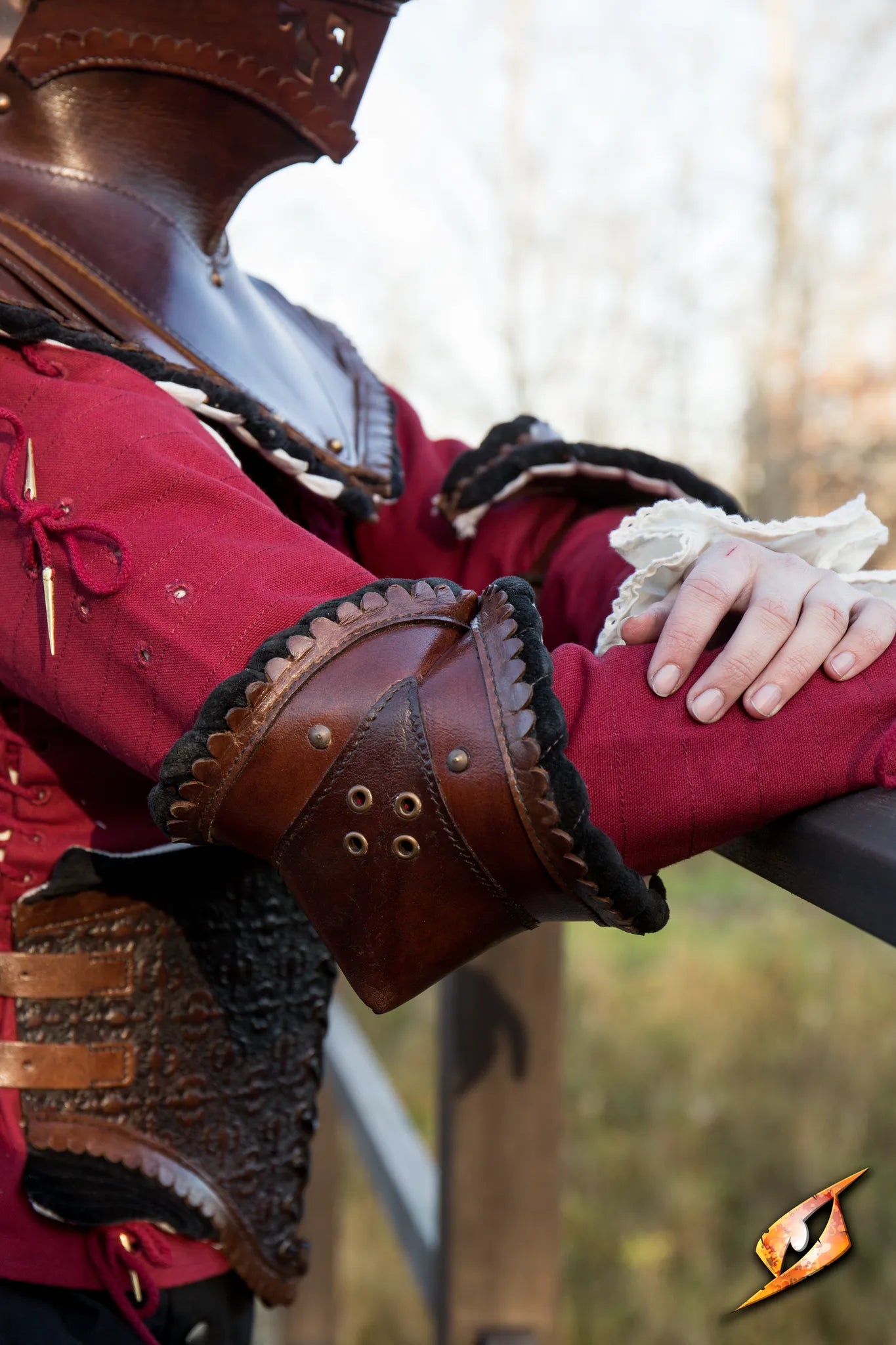
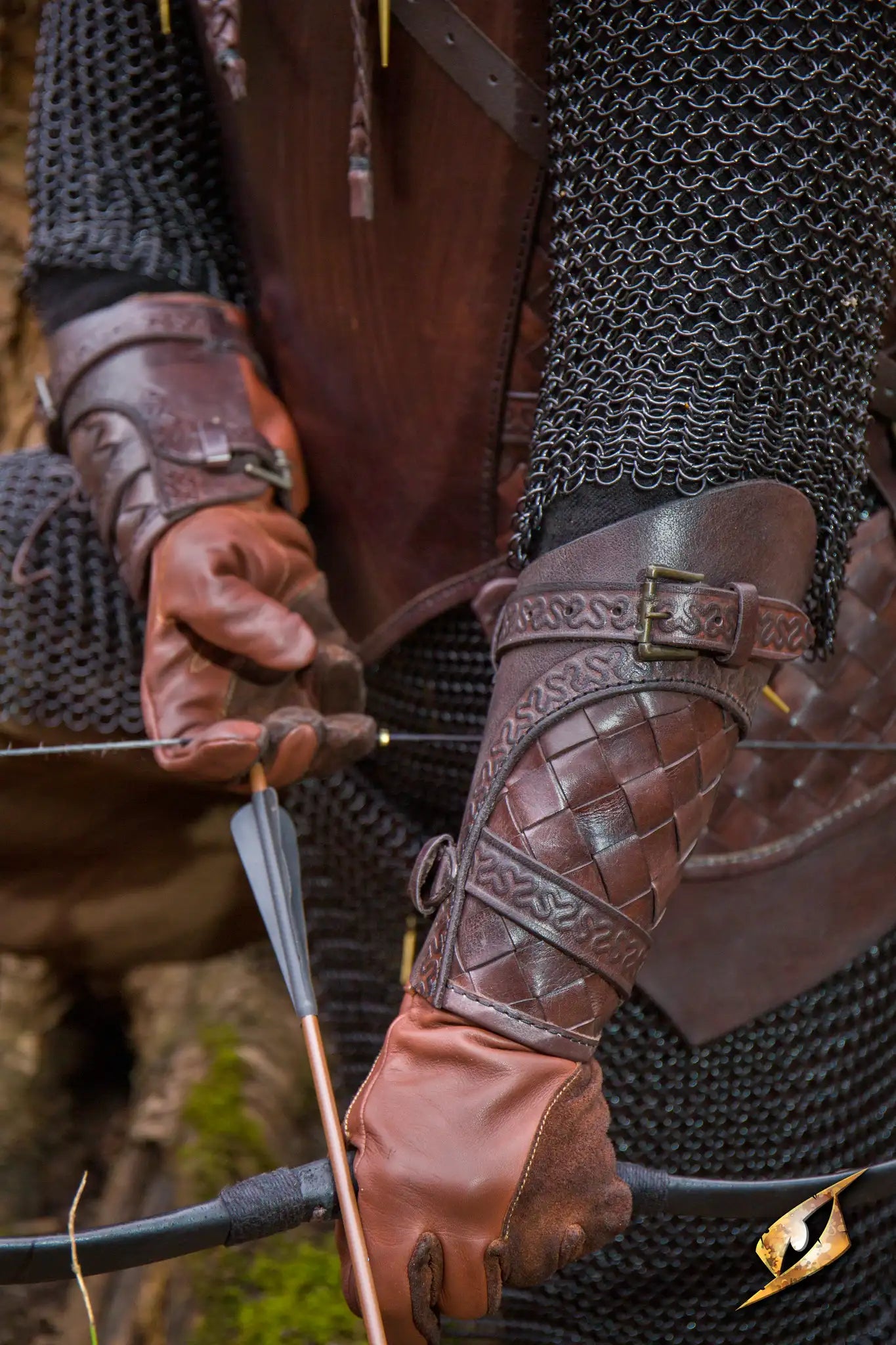
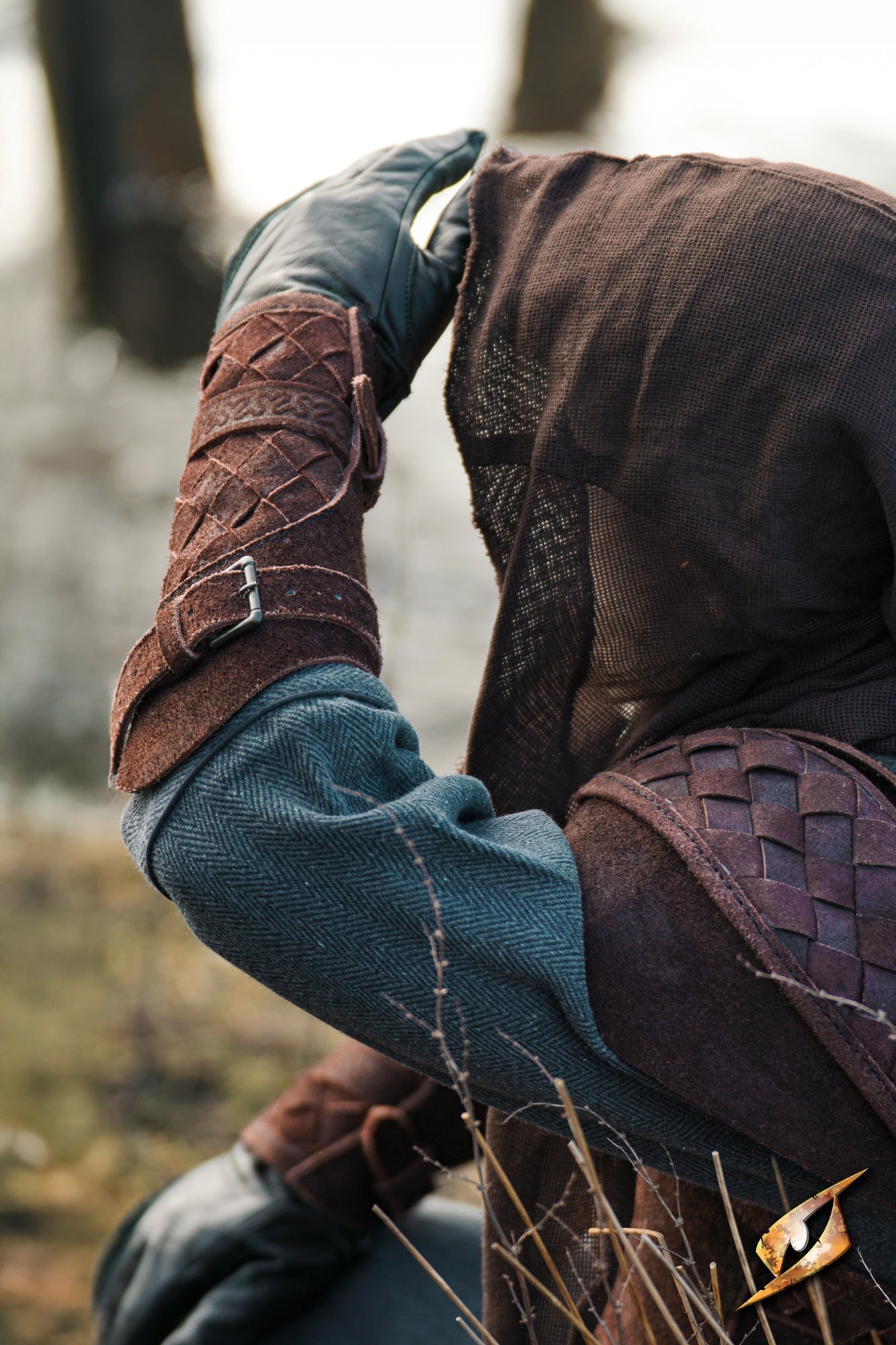
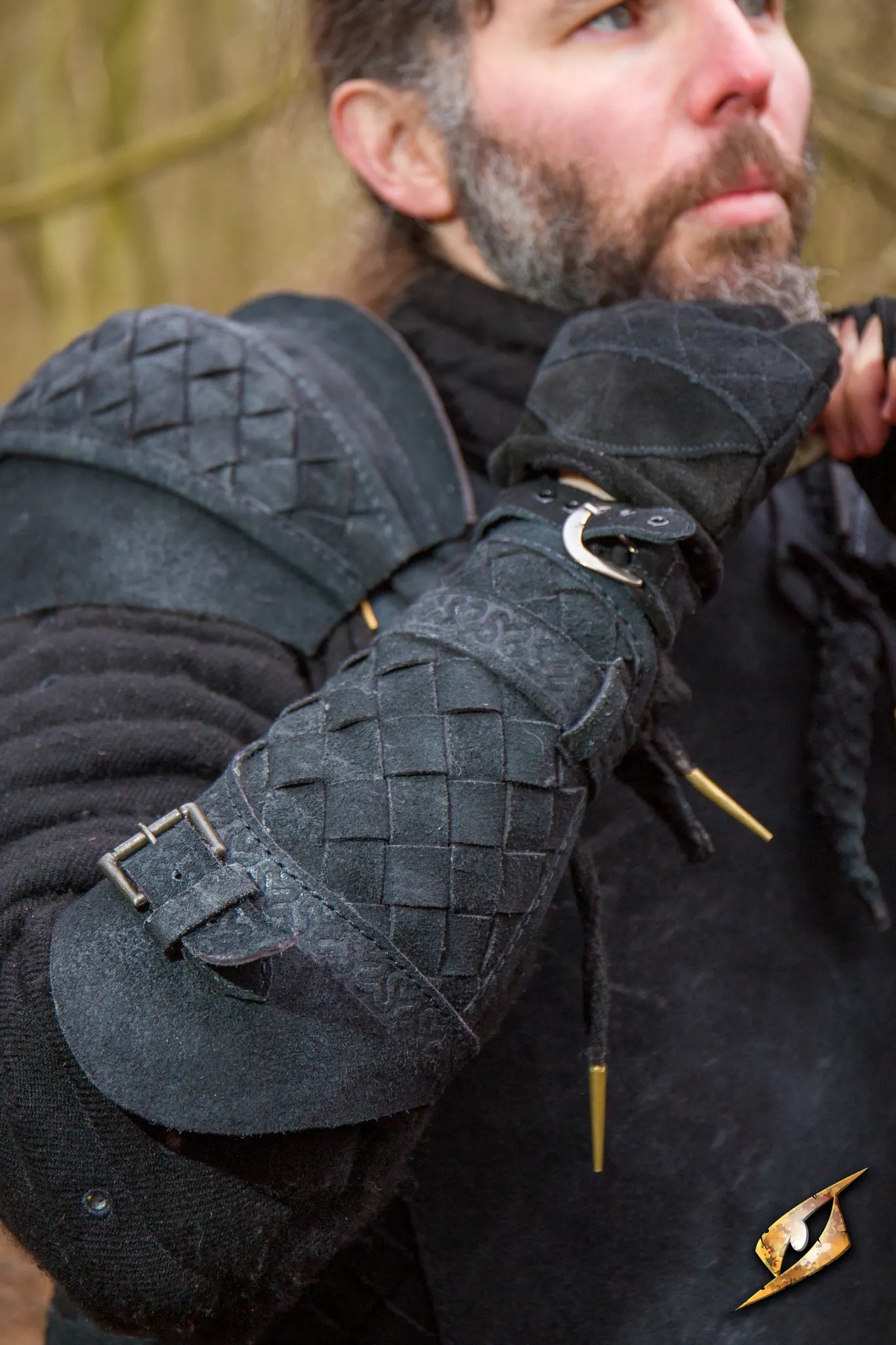
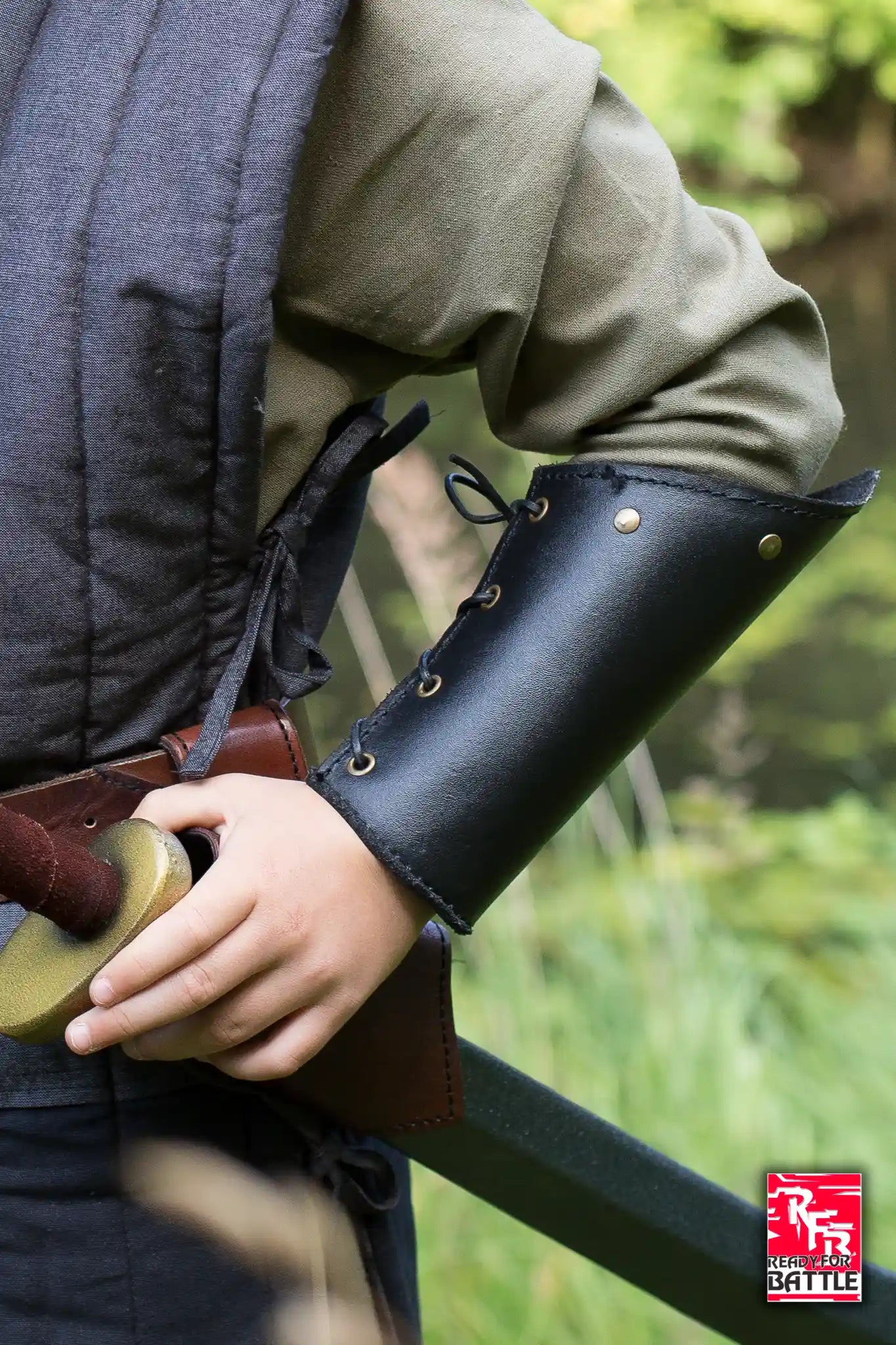
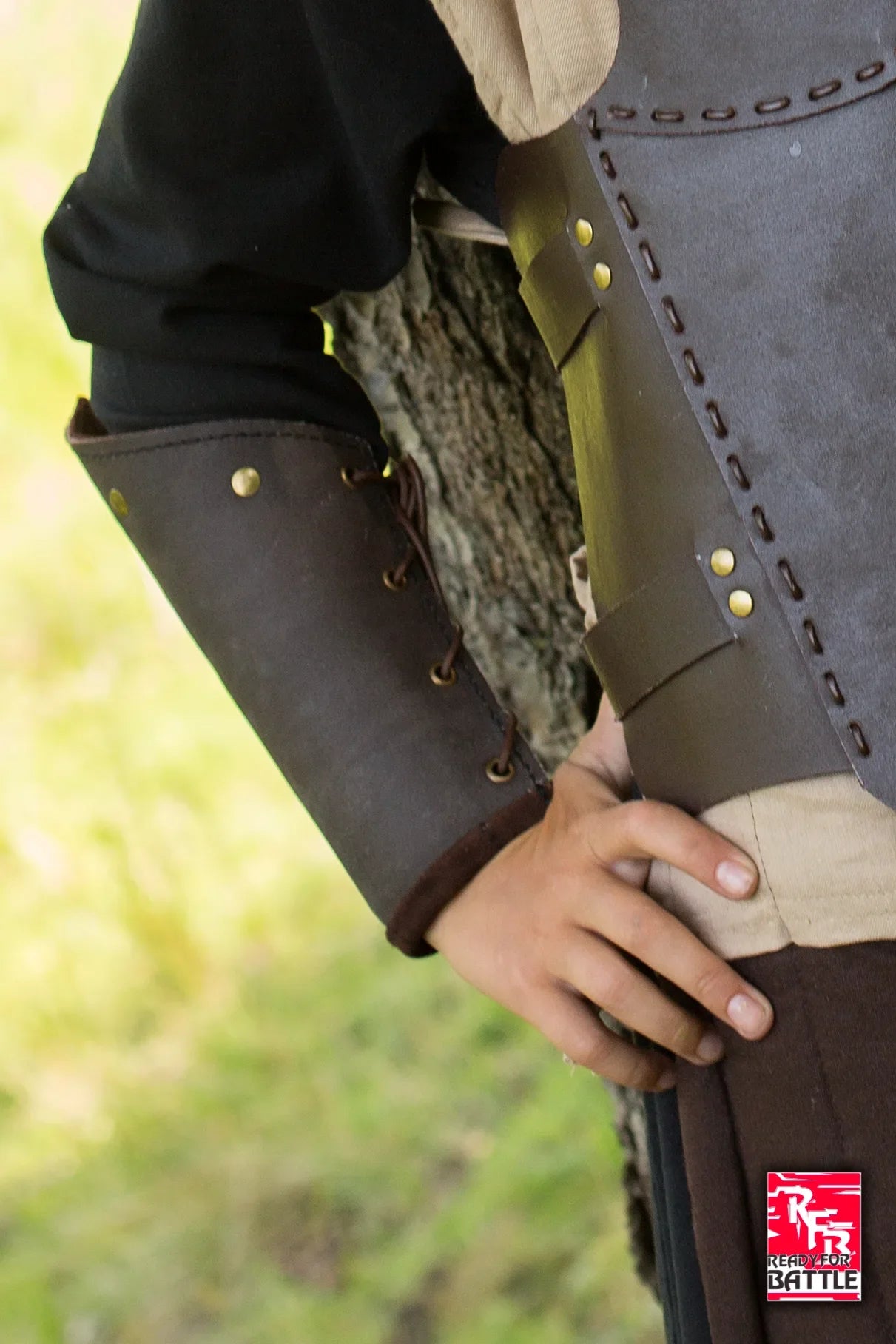
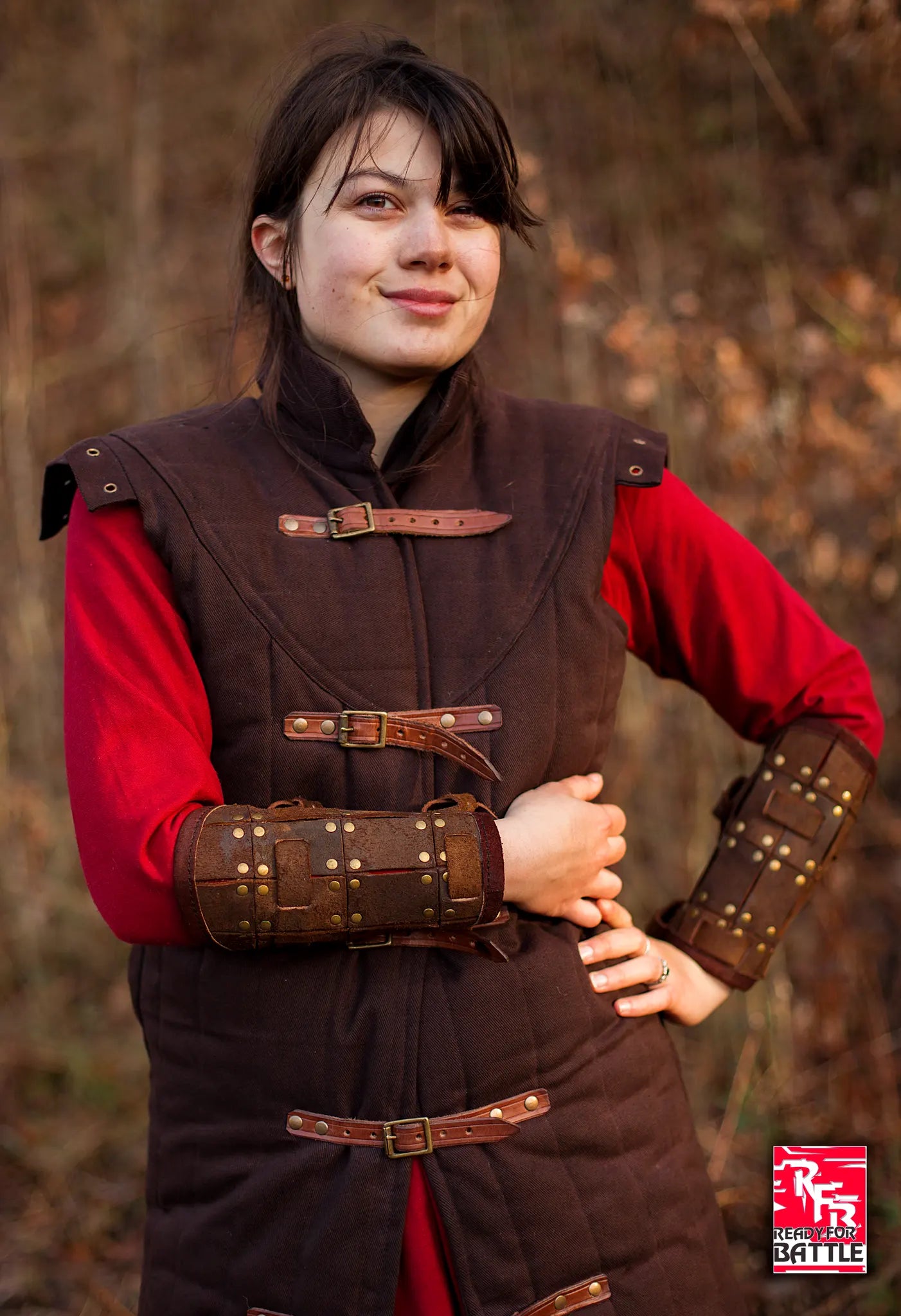
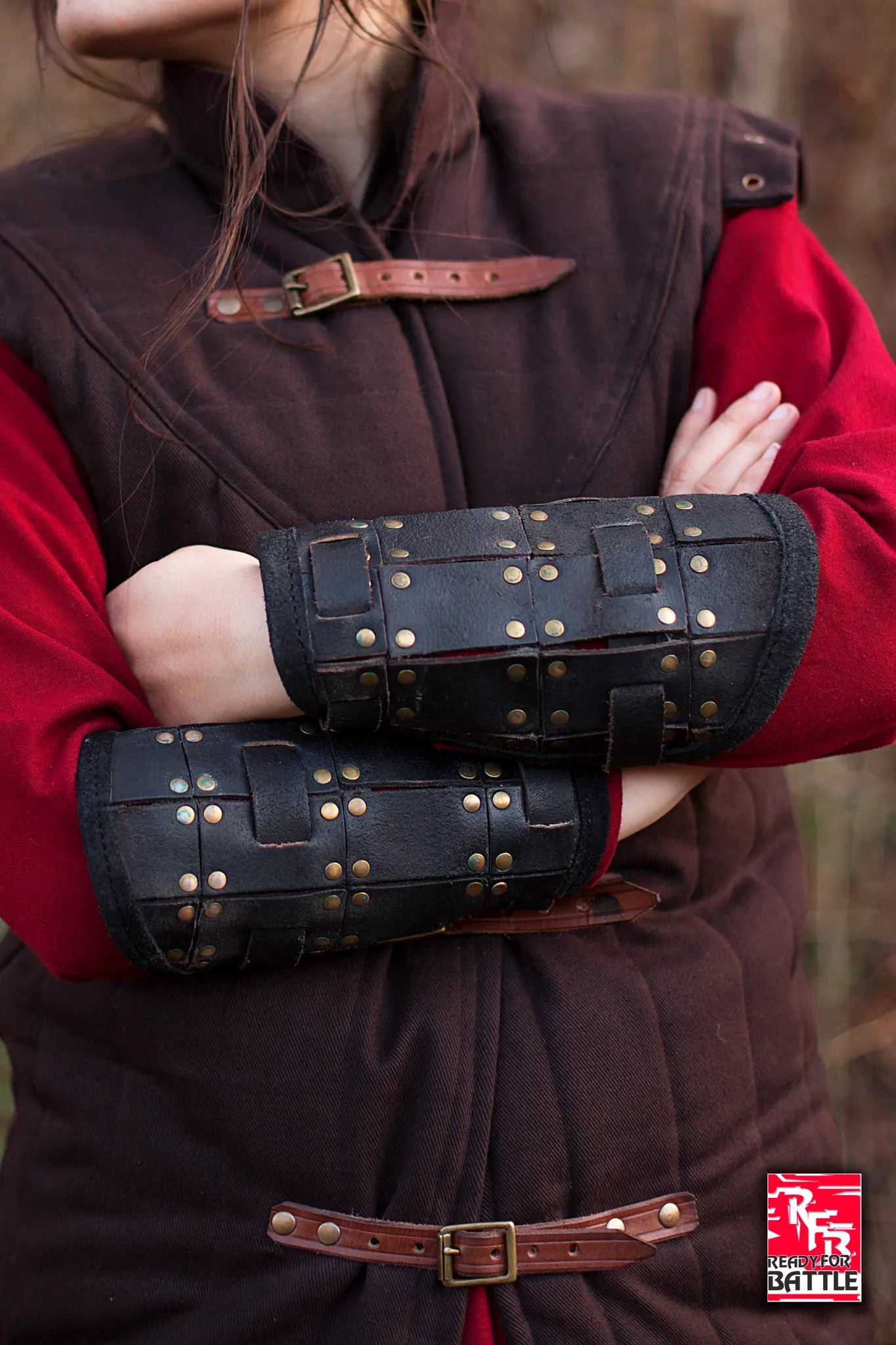
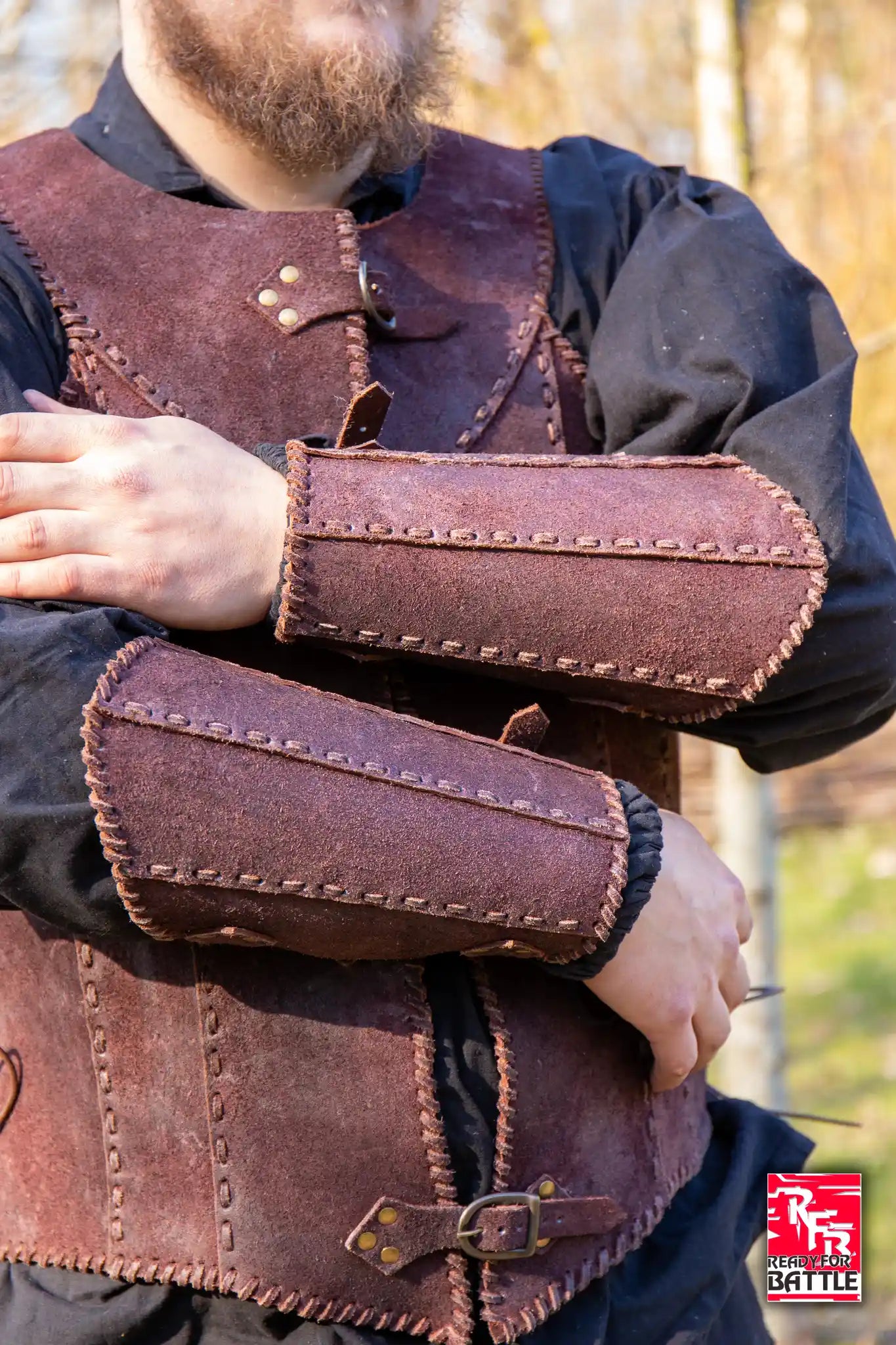
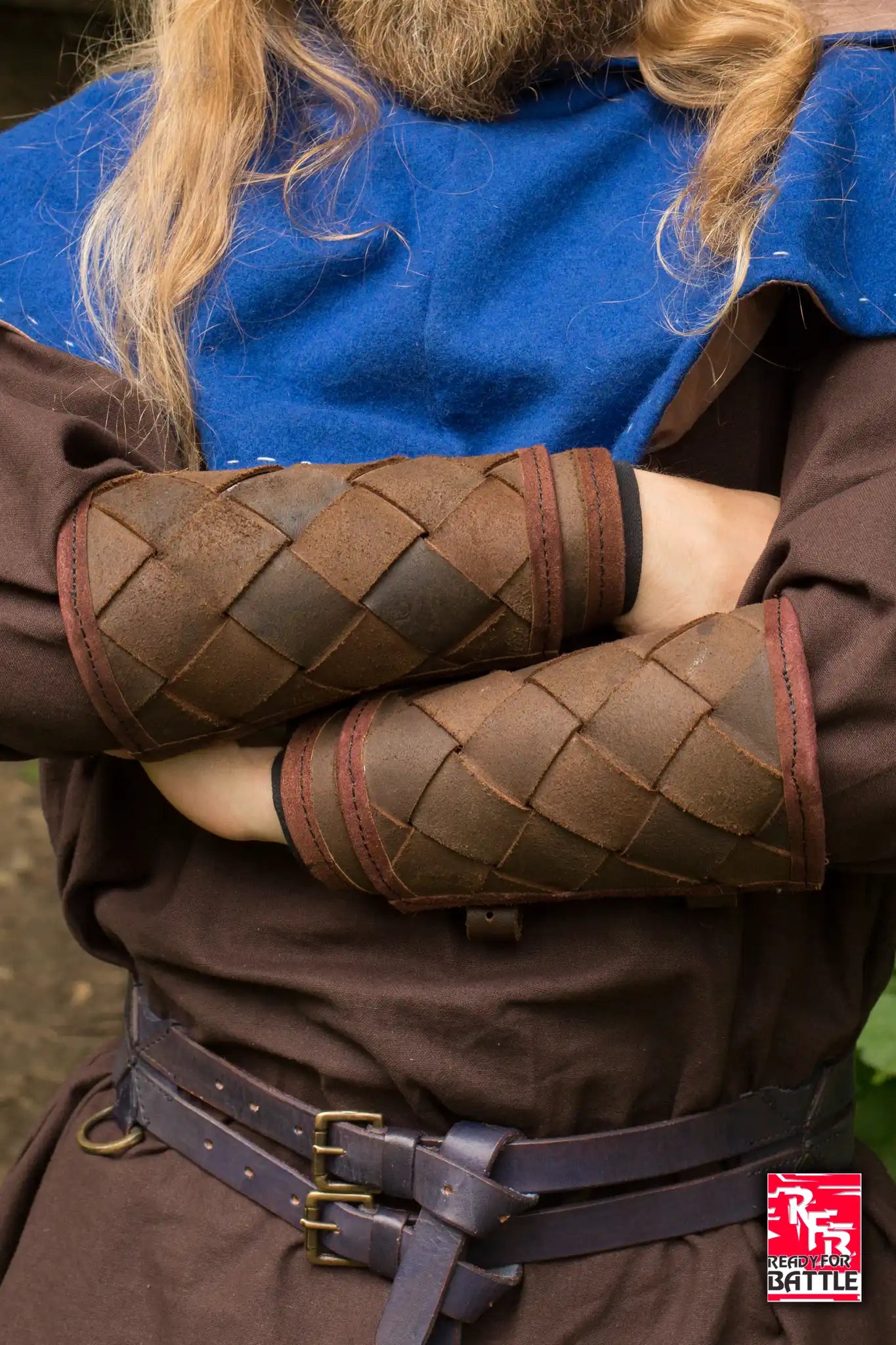
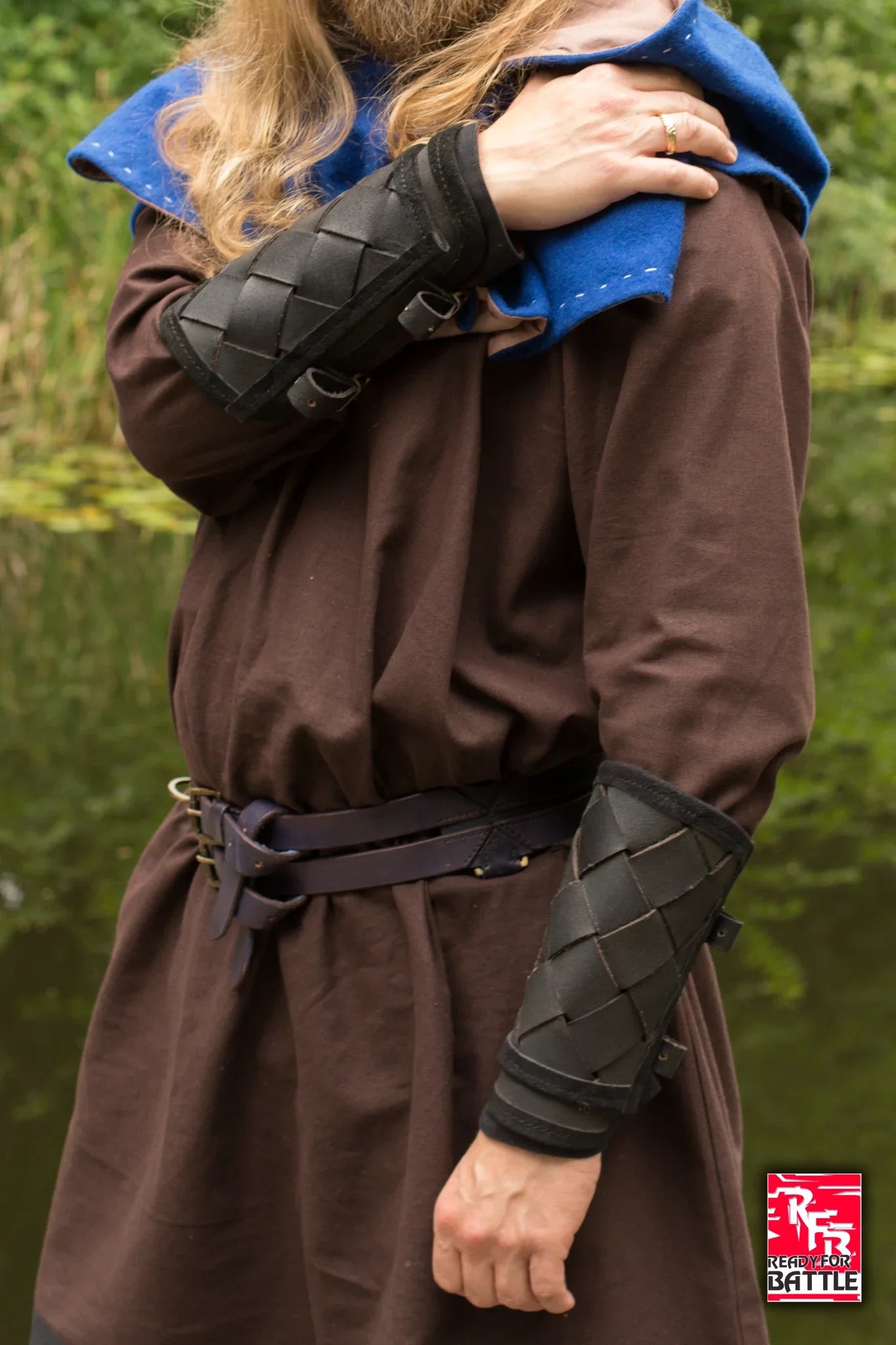
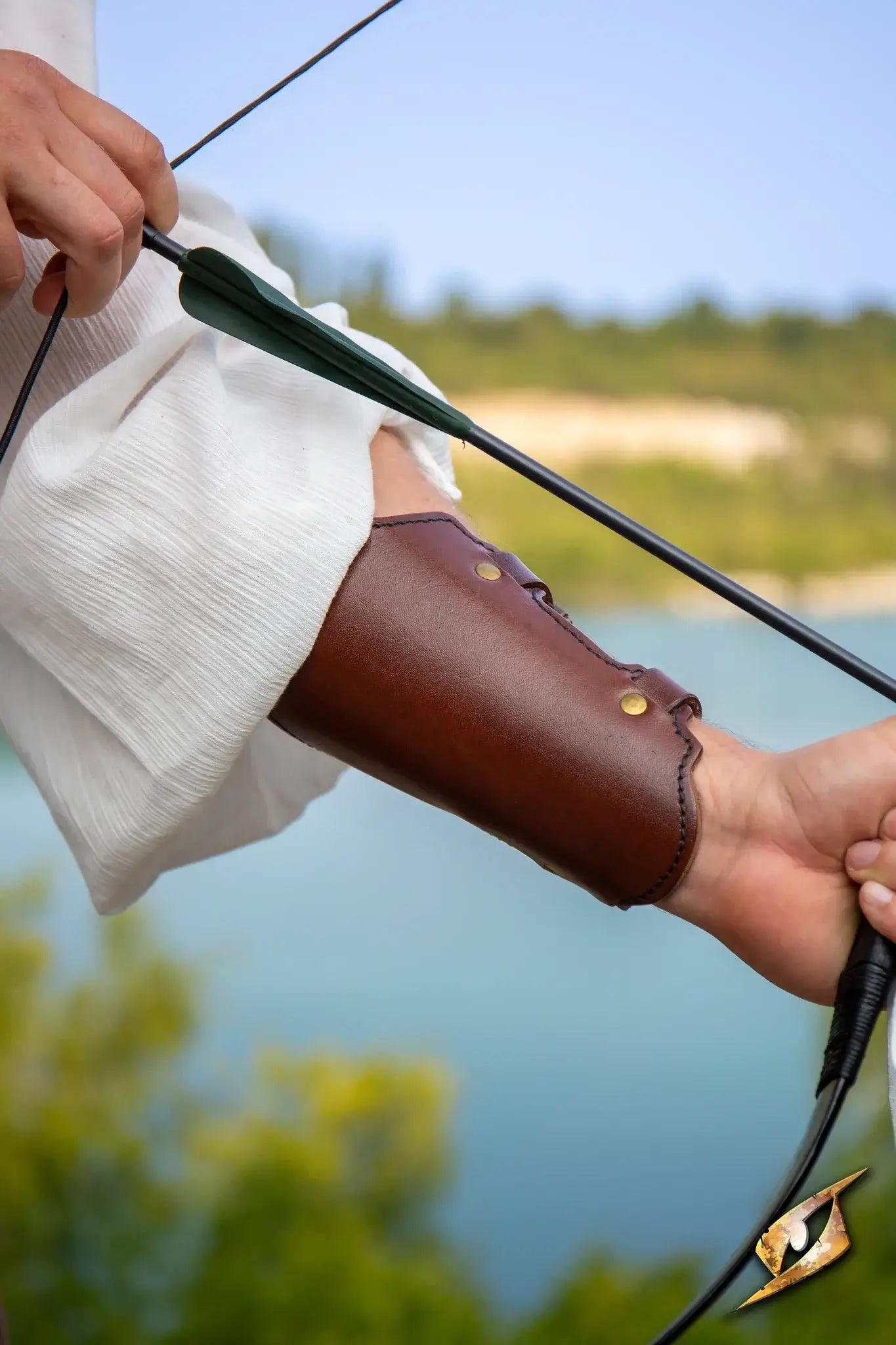
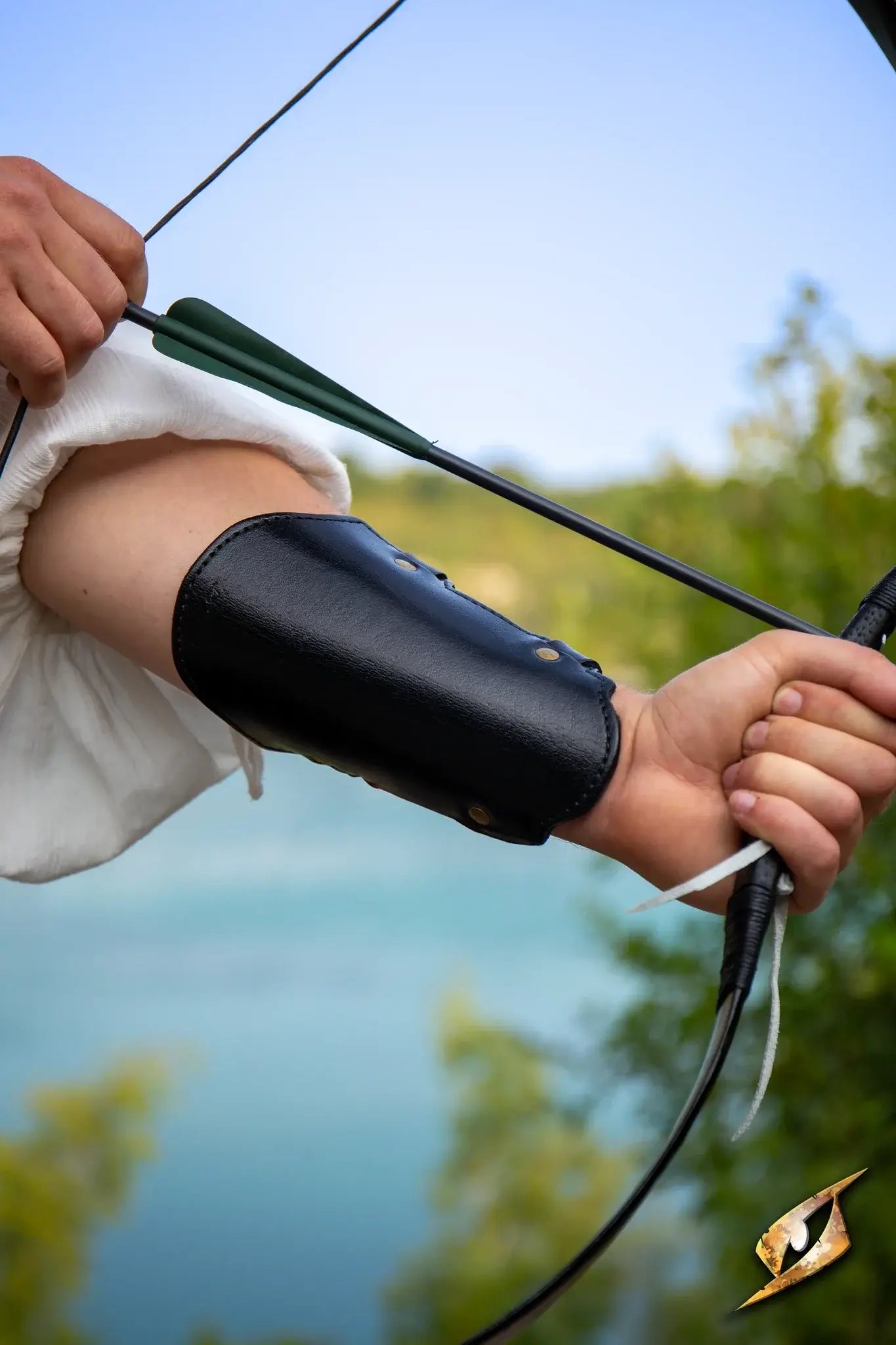
Arm armor and bracers are the most versatile entry point. Bracers work across almost any costume and add a finished look to bare forearms without requiring a full armored kit. Gauntlets extend that coverage to the hand for a more completely armored silhouette.
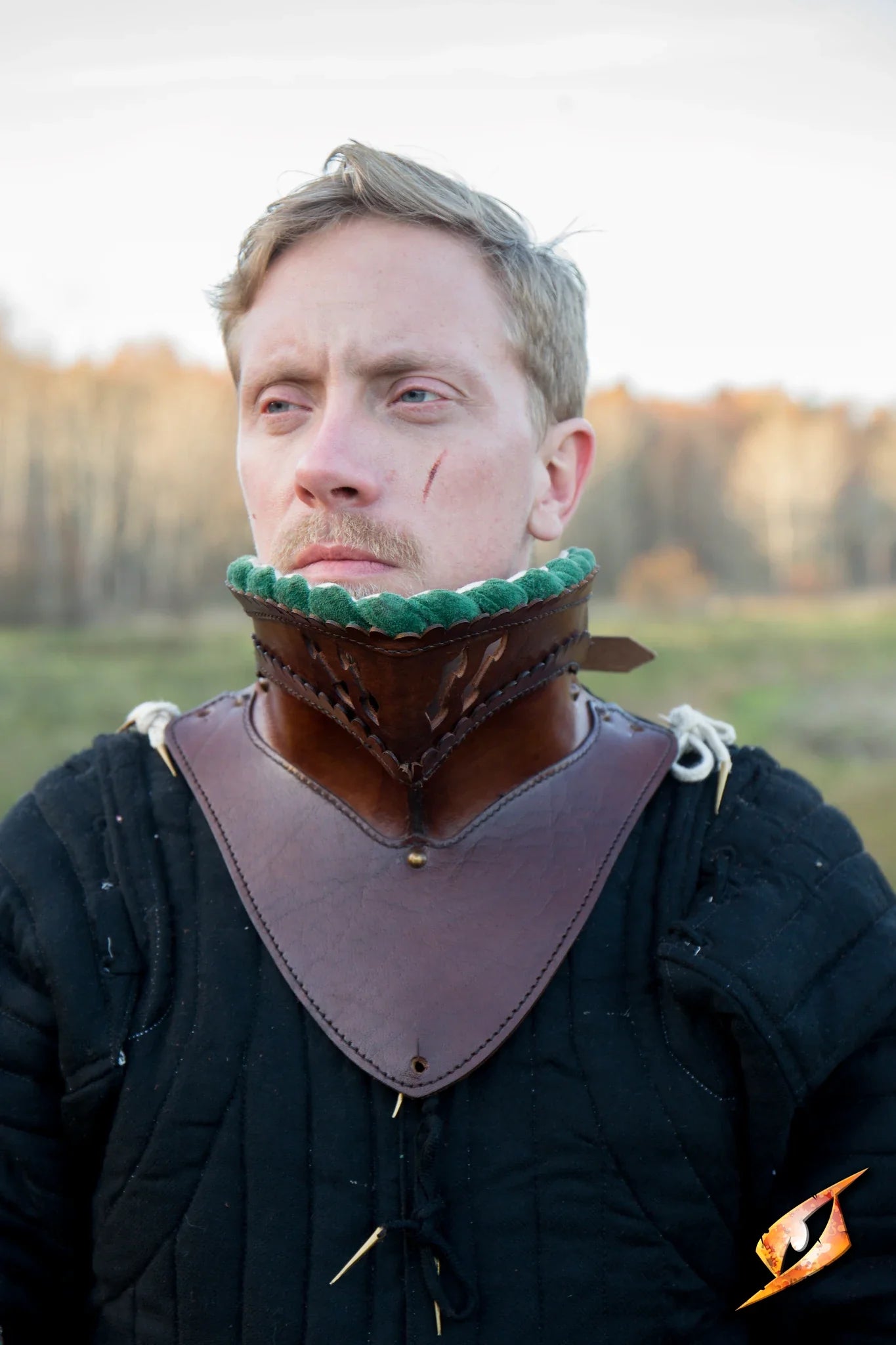
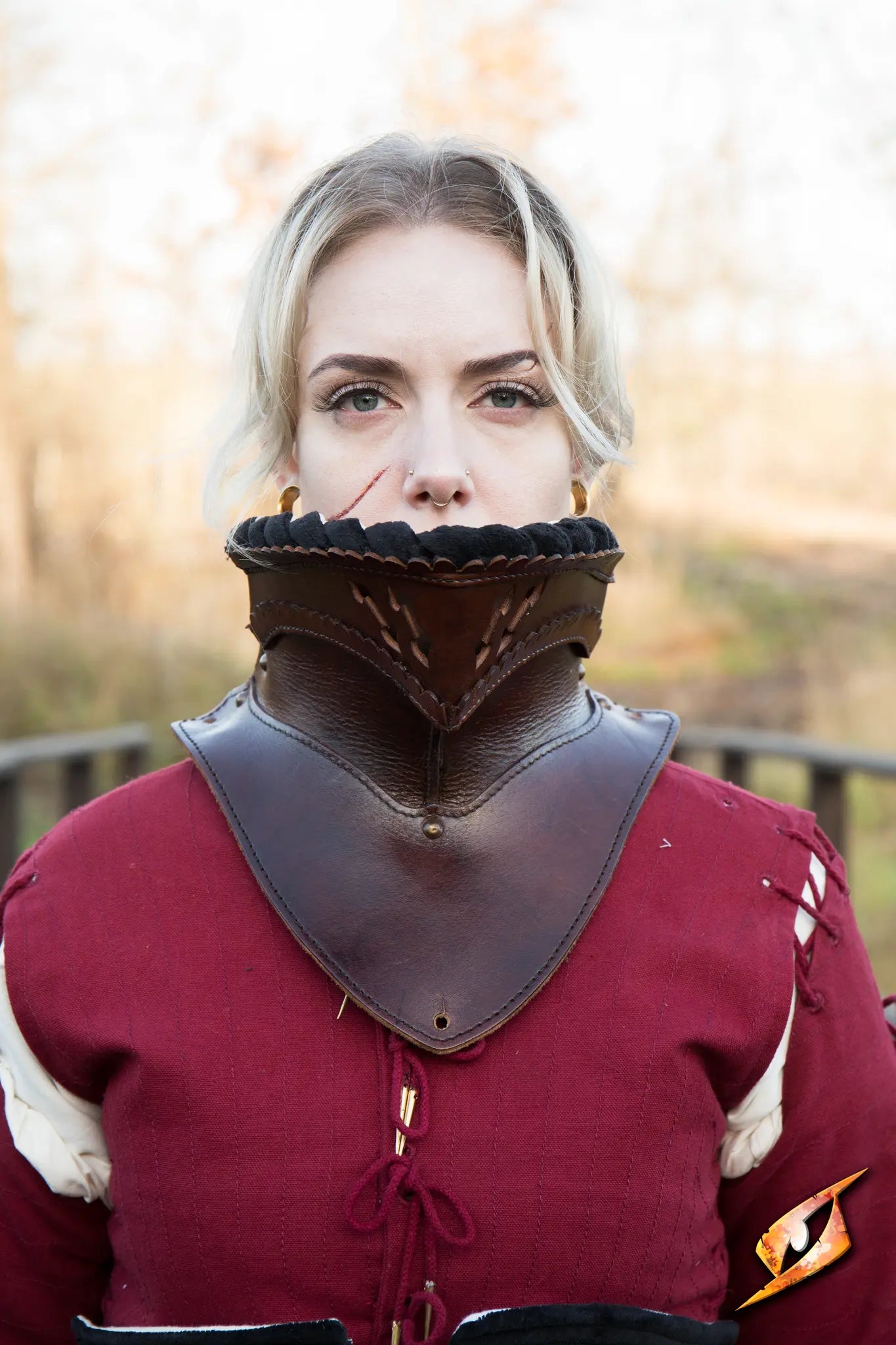
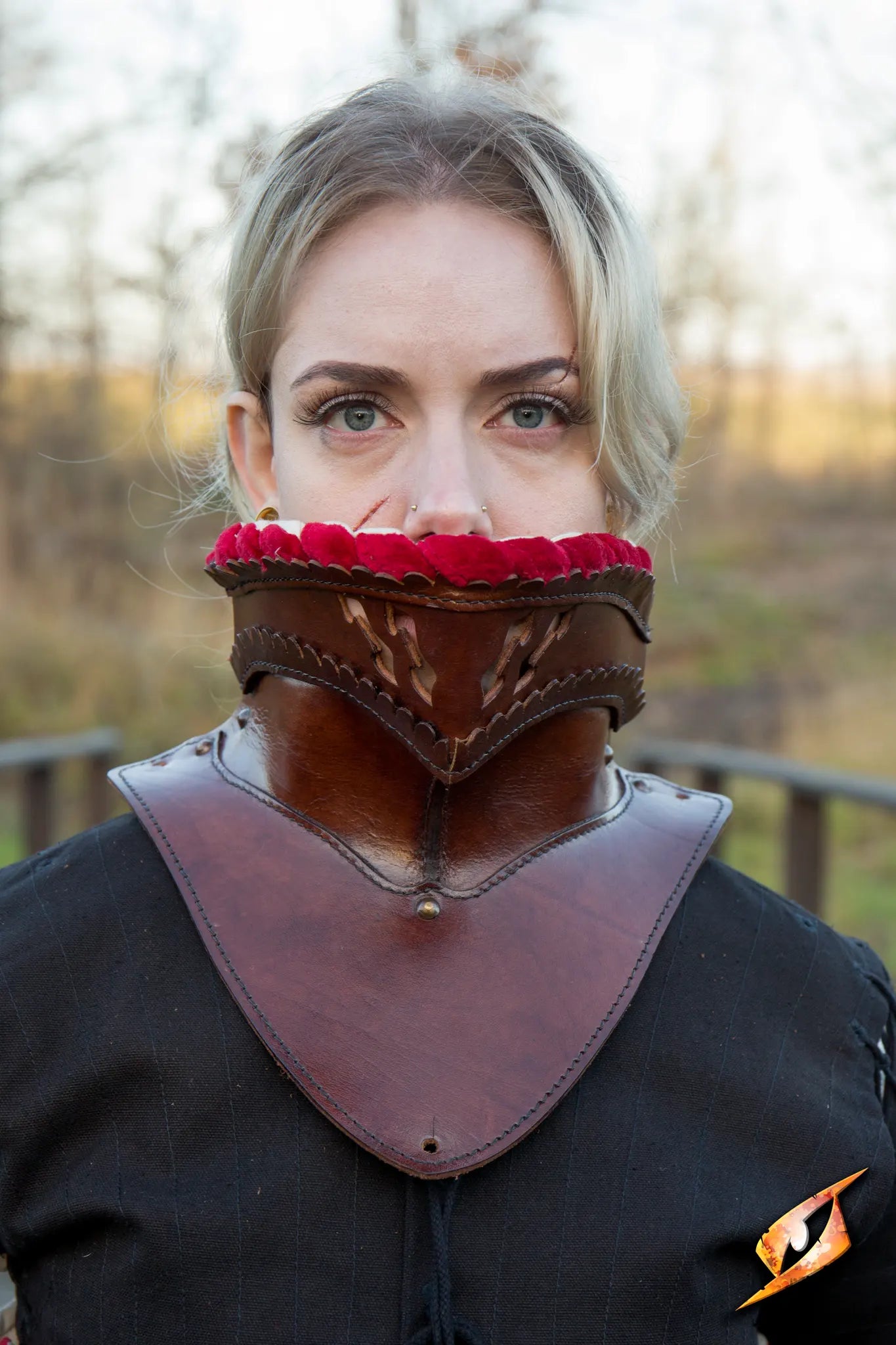
Gorgets and bevors are small pieces with an outsized effect. They sit between a chest piece and a helmet, closing off the neck and throat and giving the whole kit a noticeably more complete and intentional look.
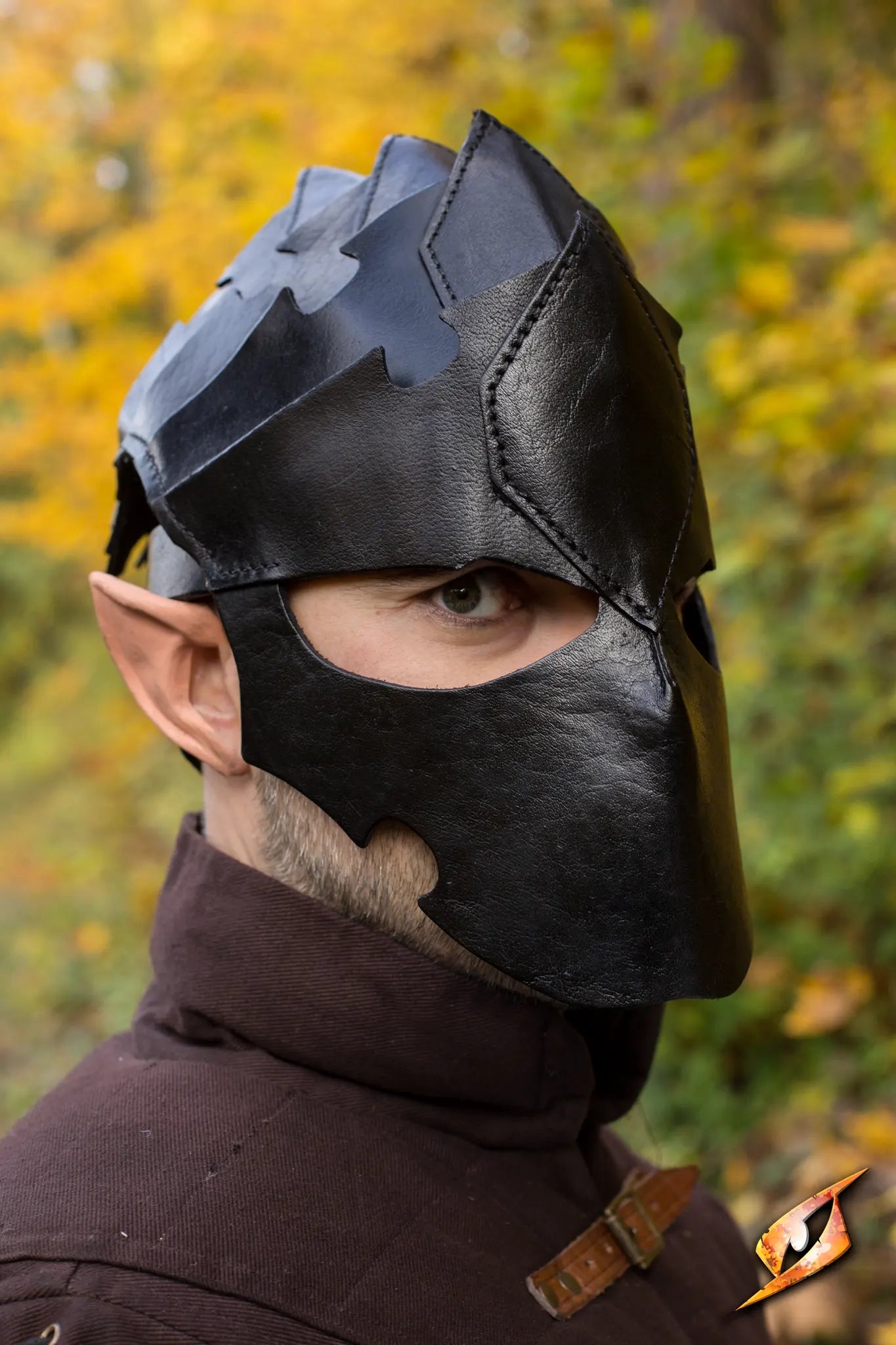
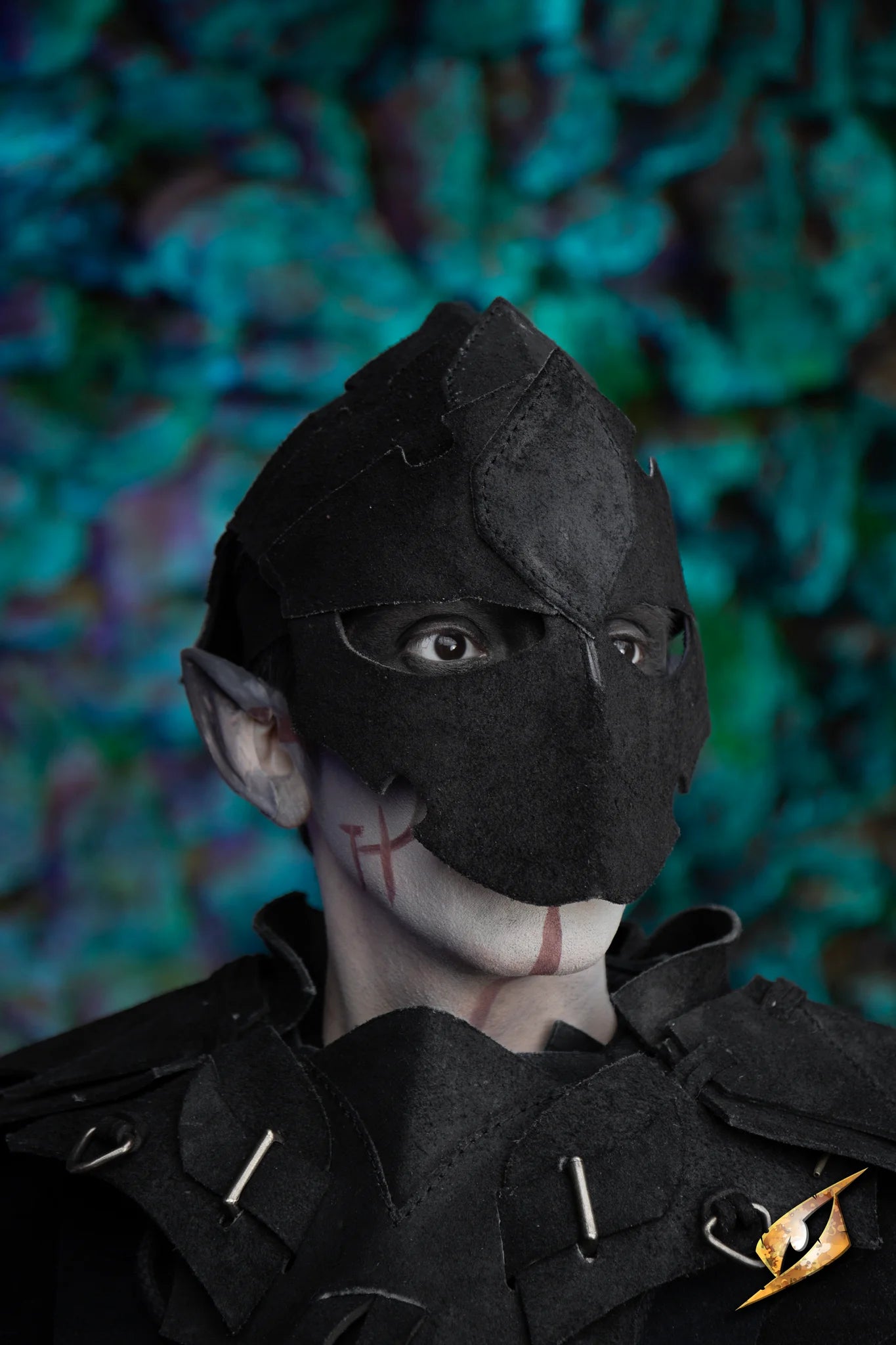
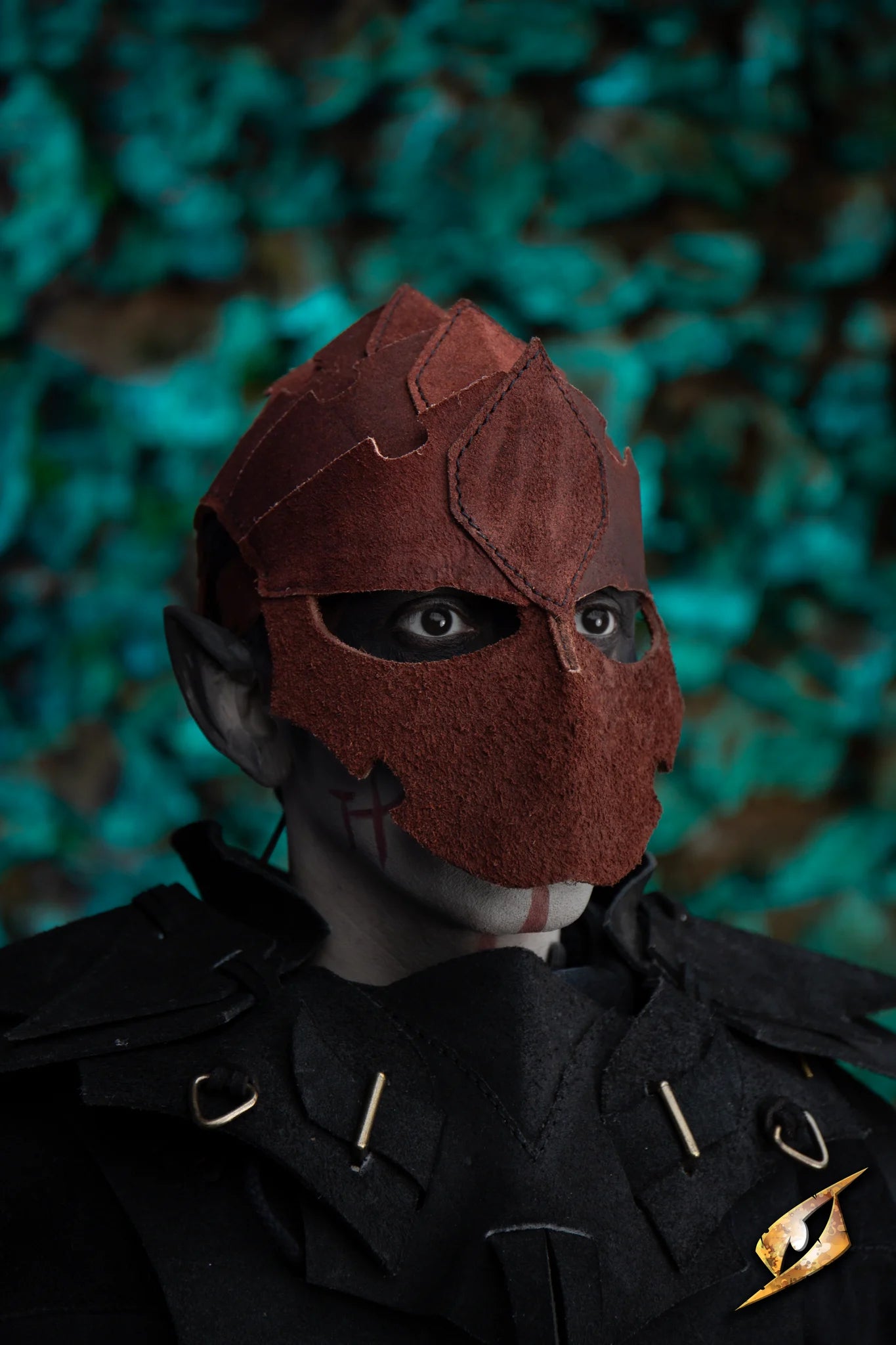
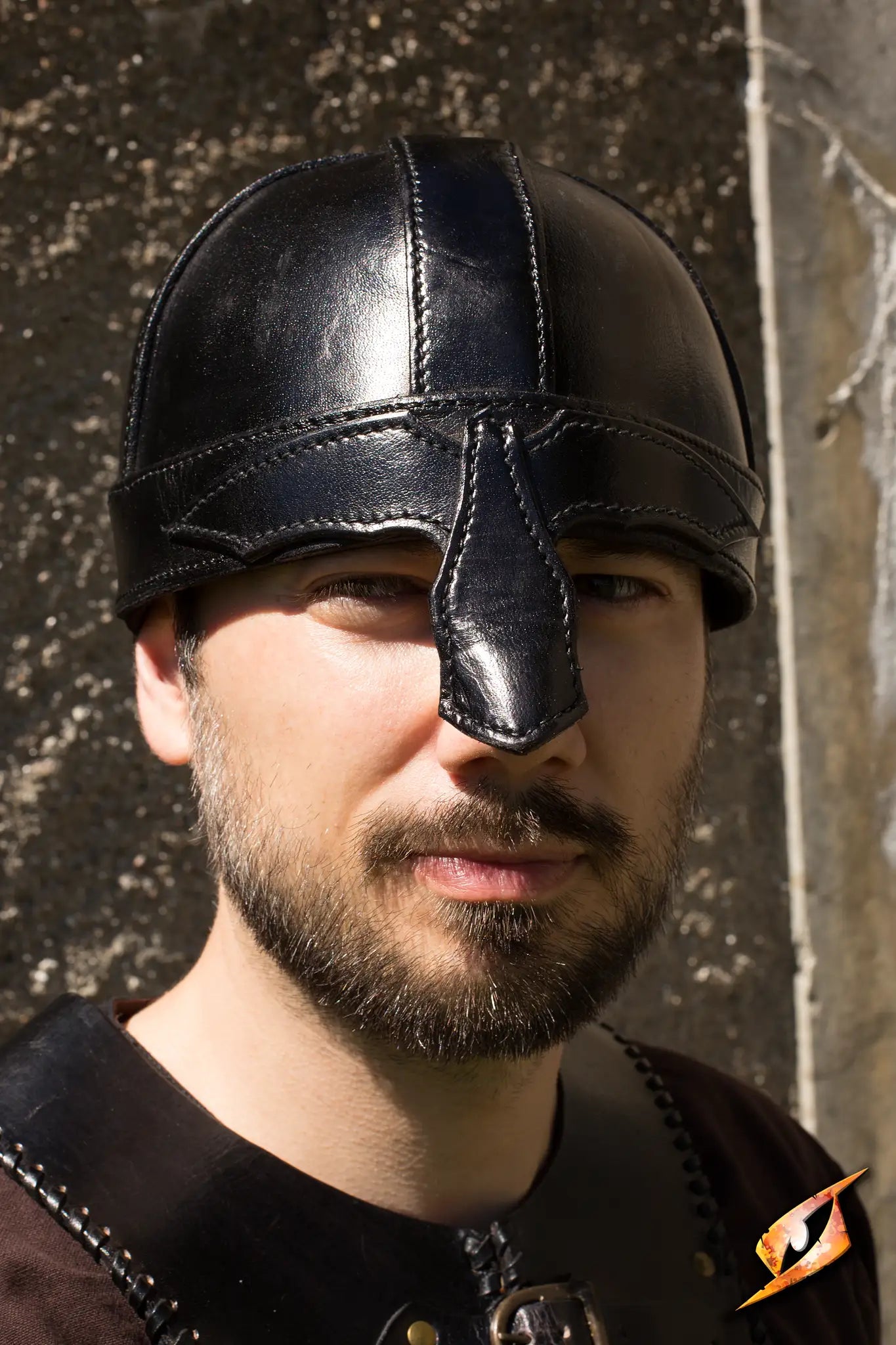
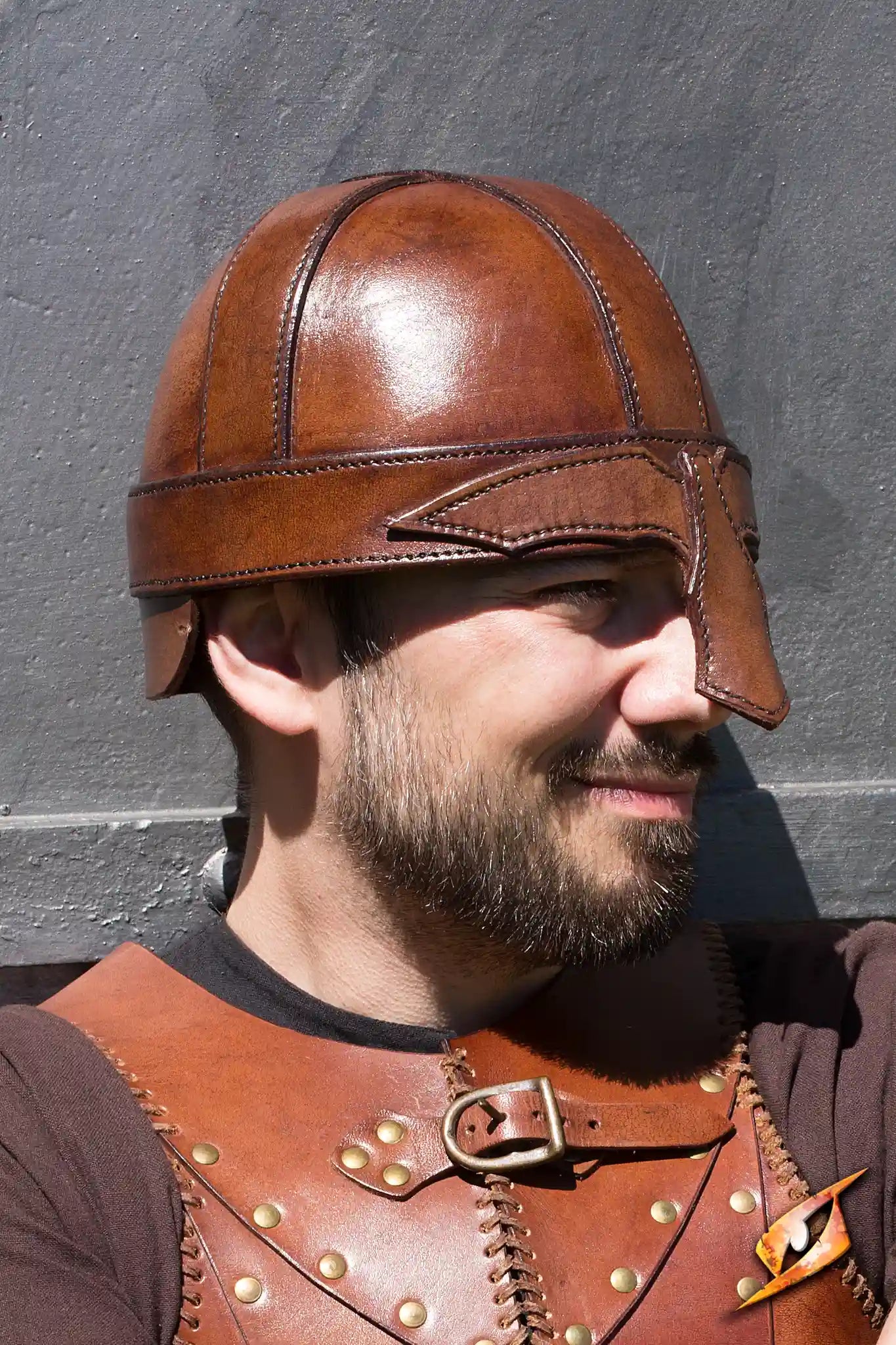
Helmets change a costume more immediately than almost any other single piece. The range covers designs suited to a range of aesthetics, in both standard and suede leather.
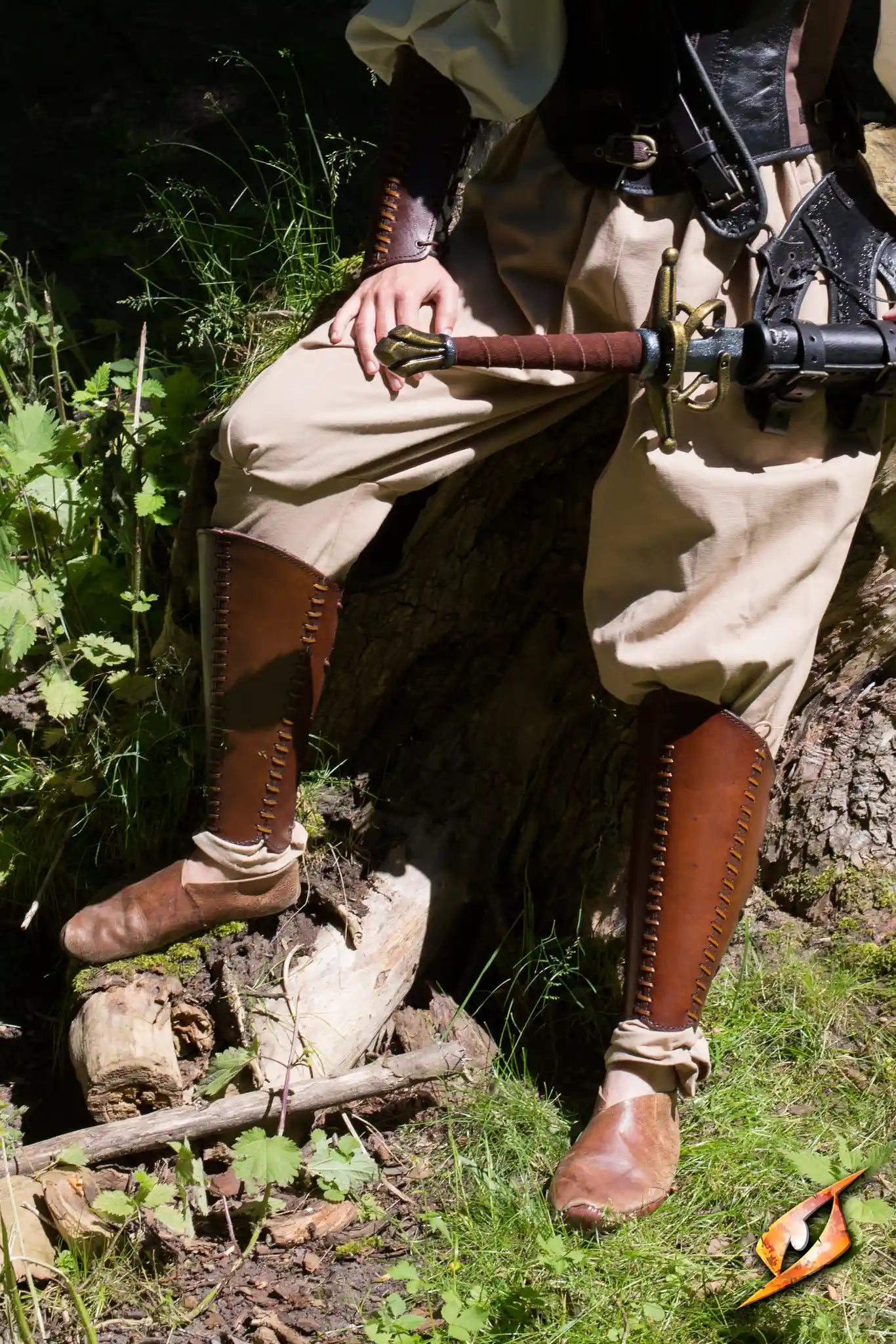
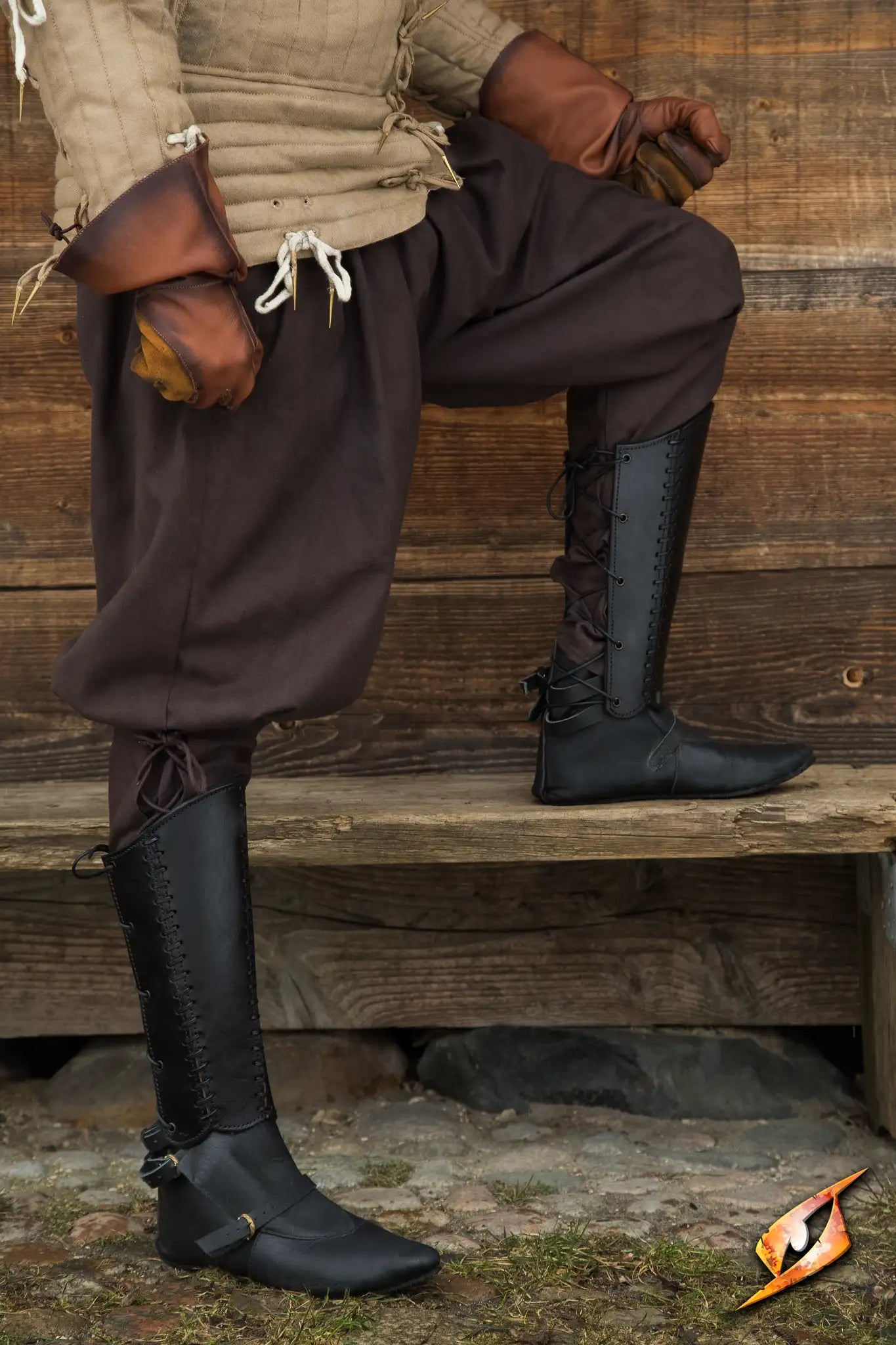
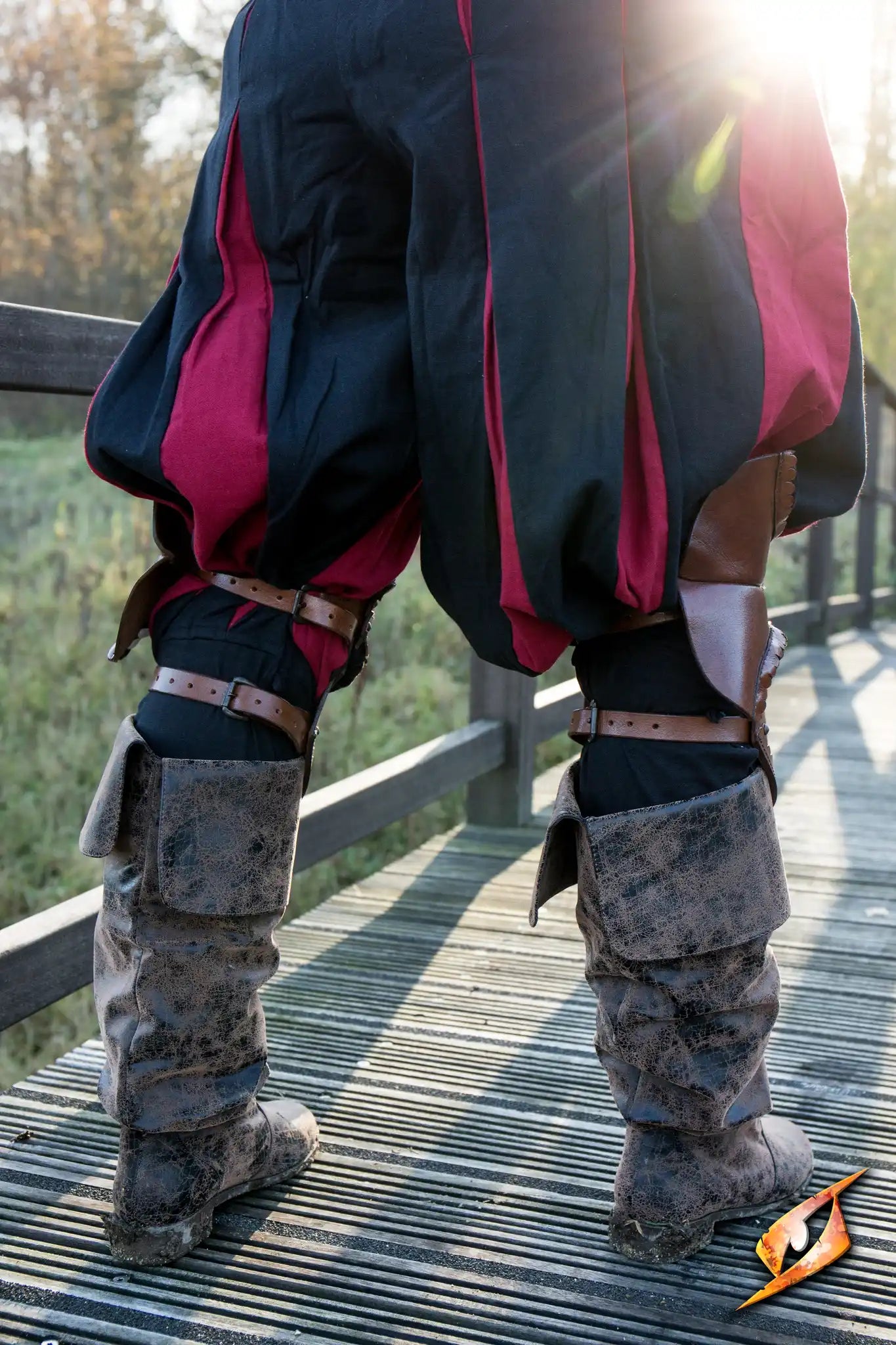
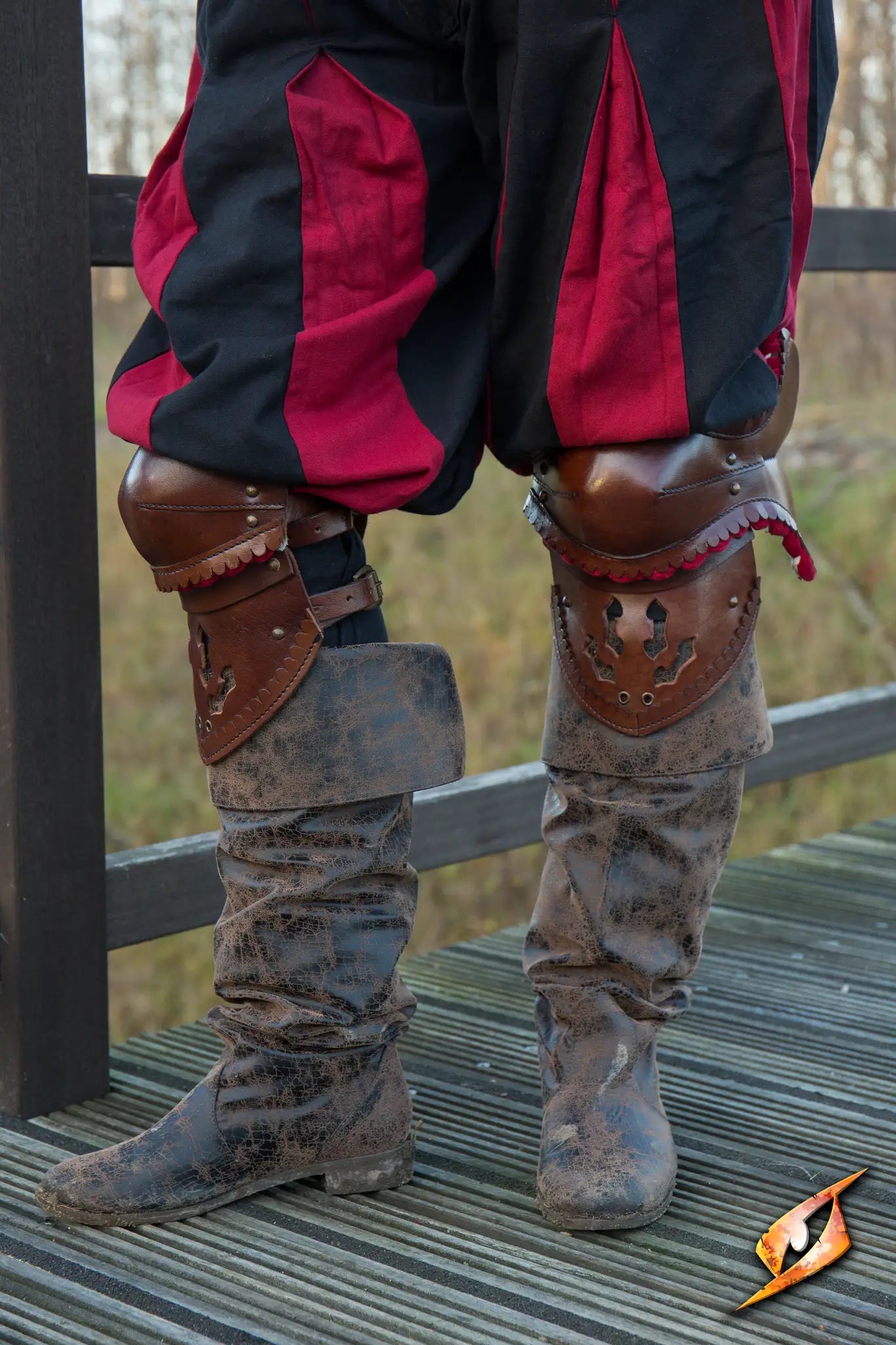
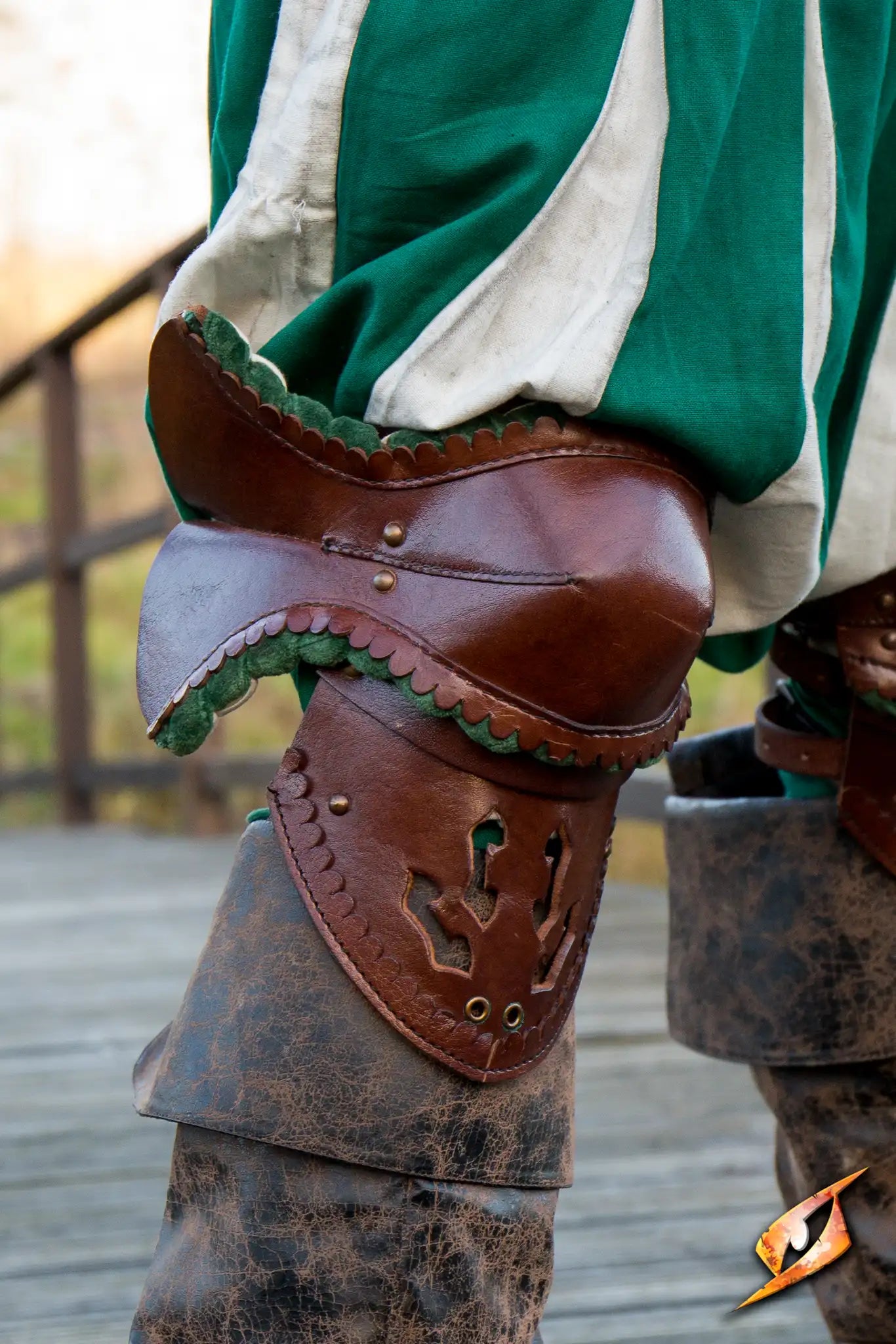
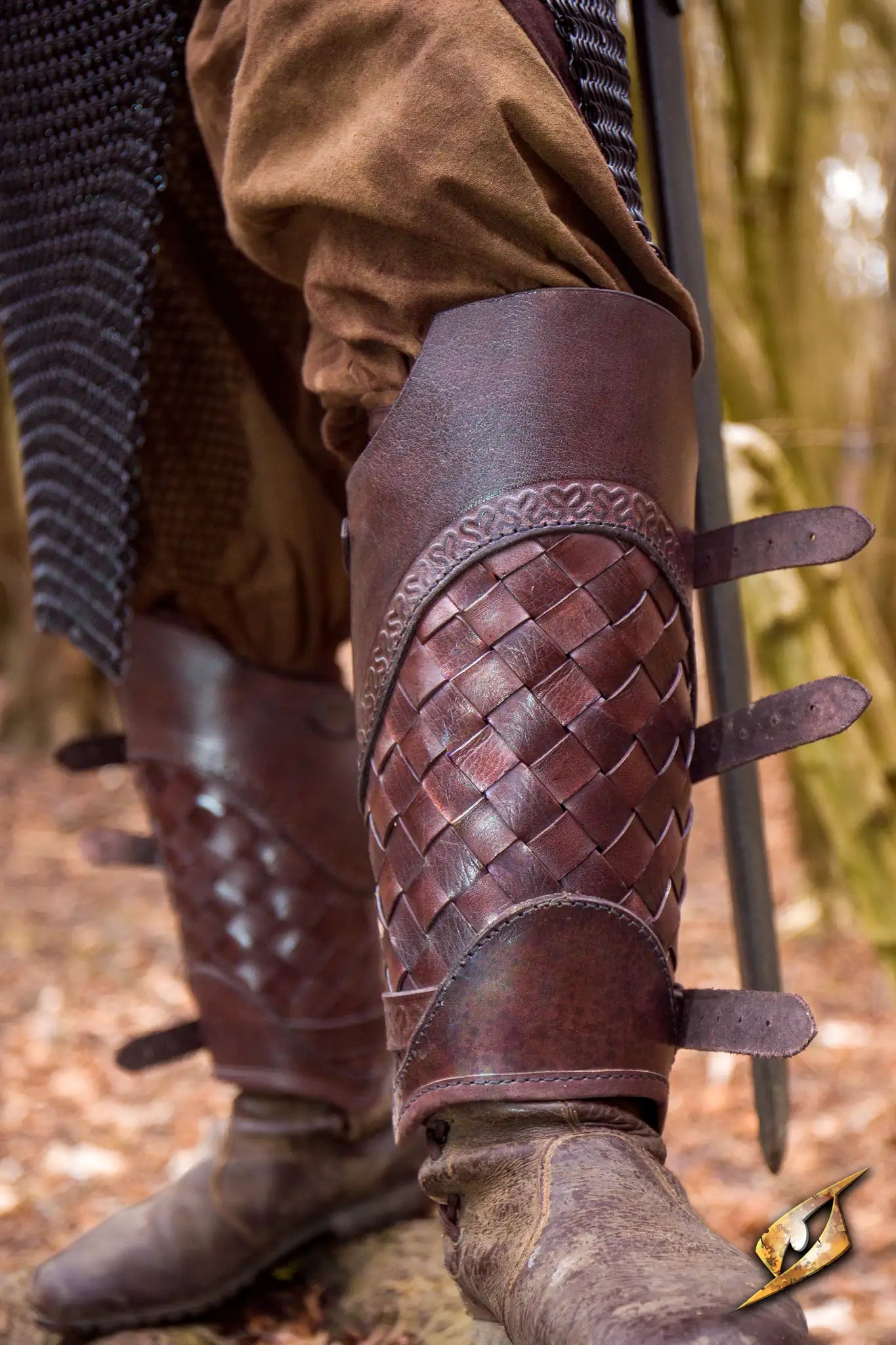
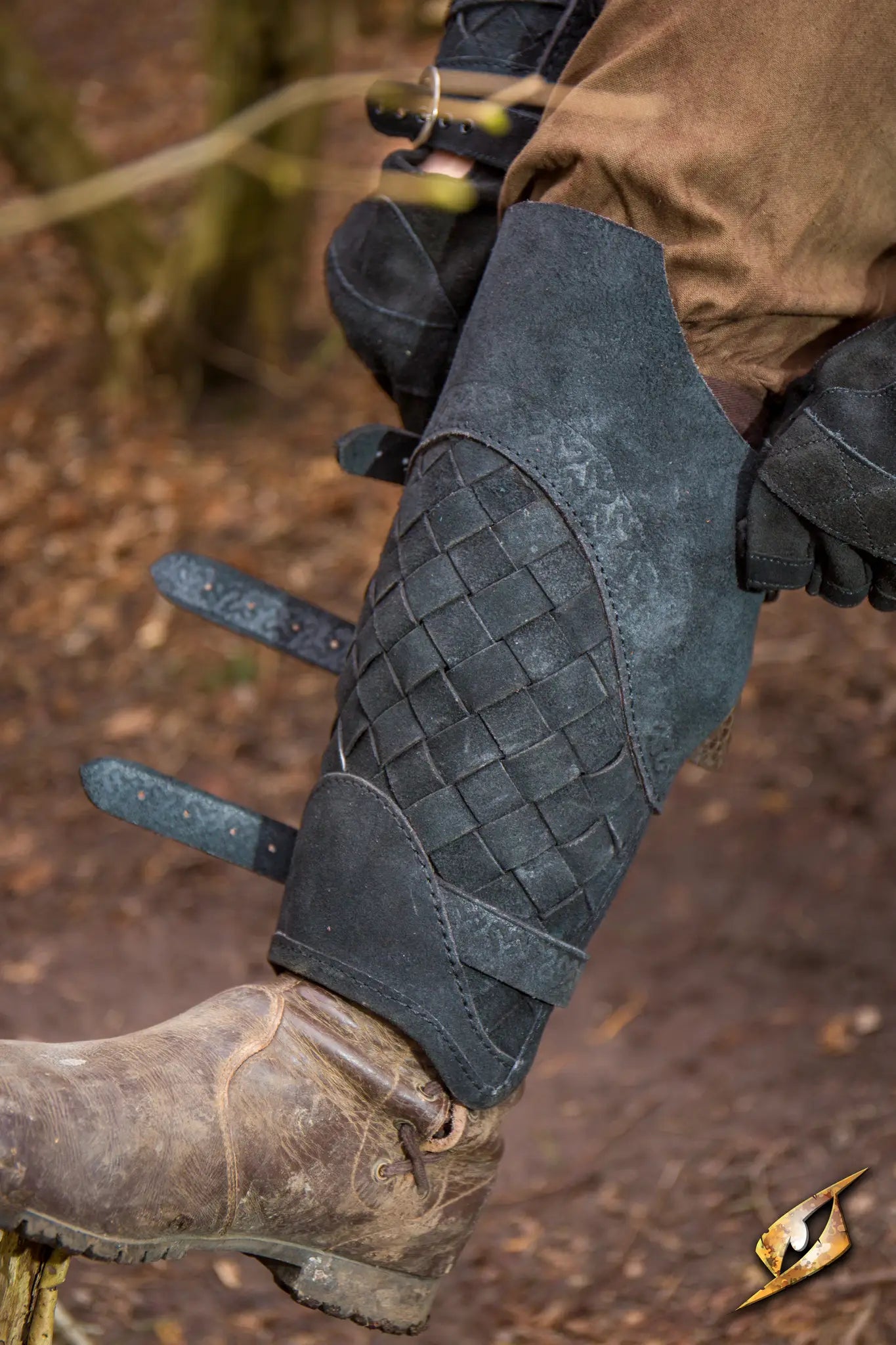
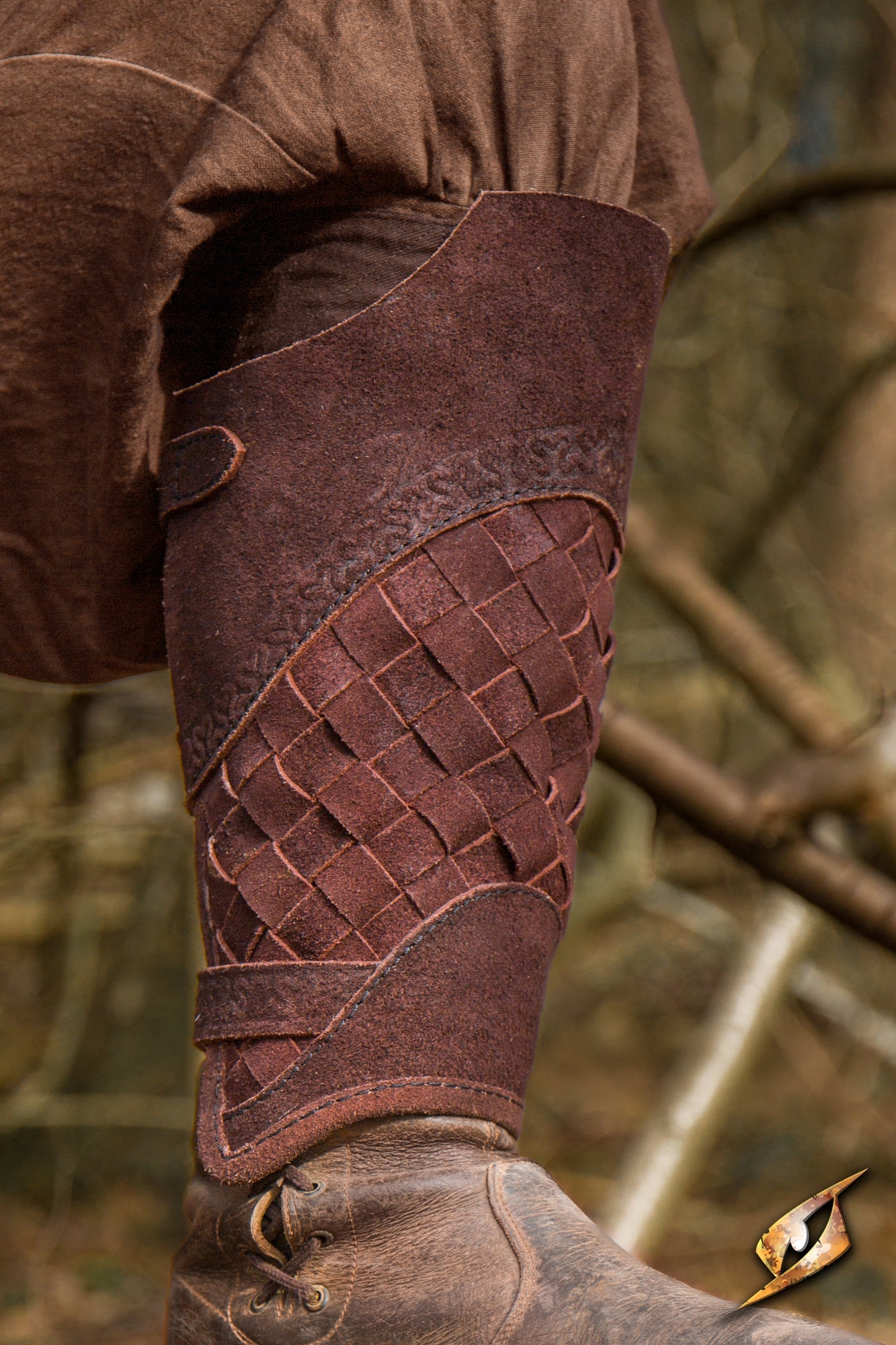
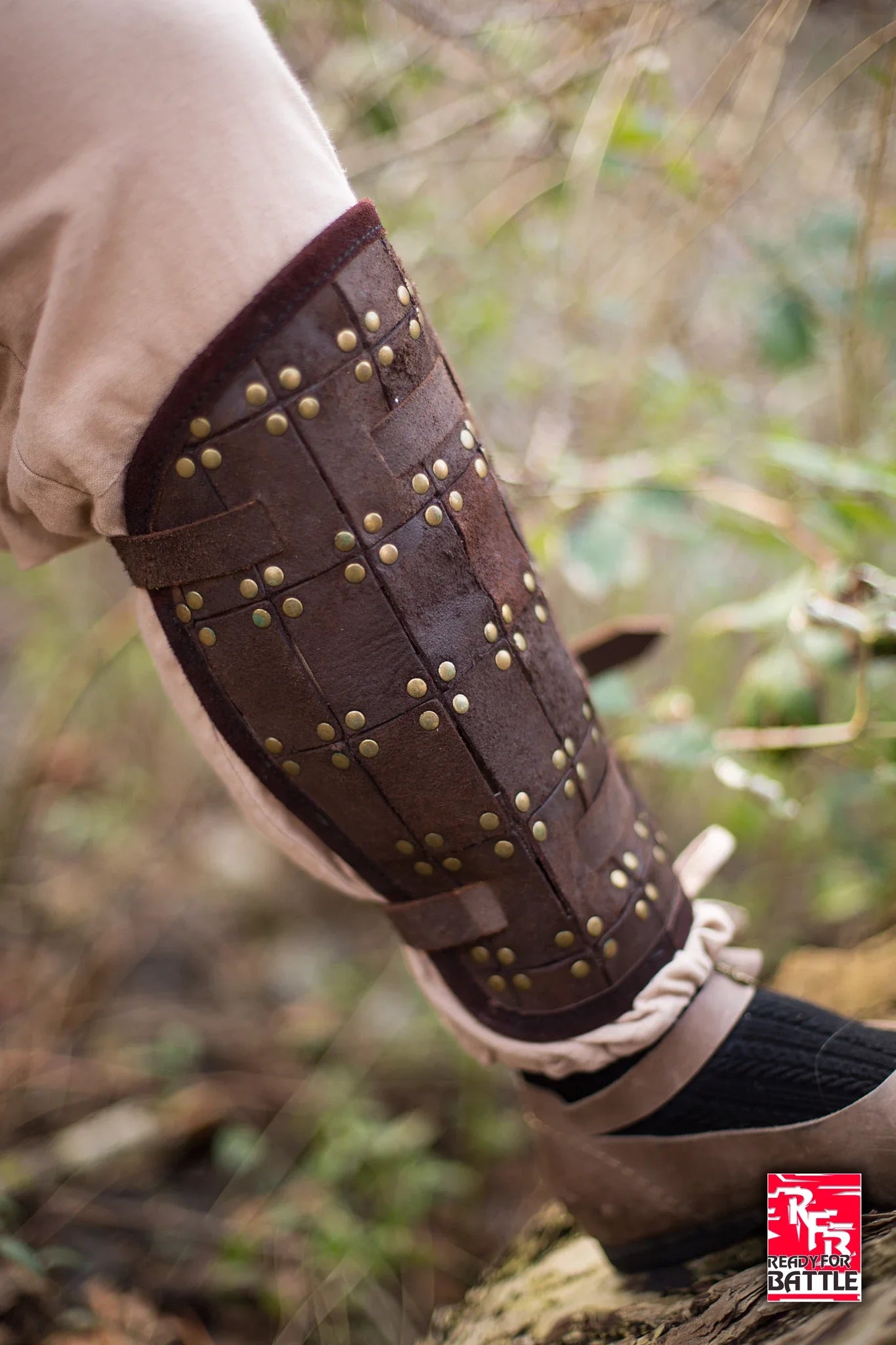
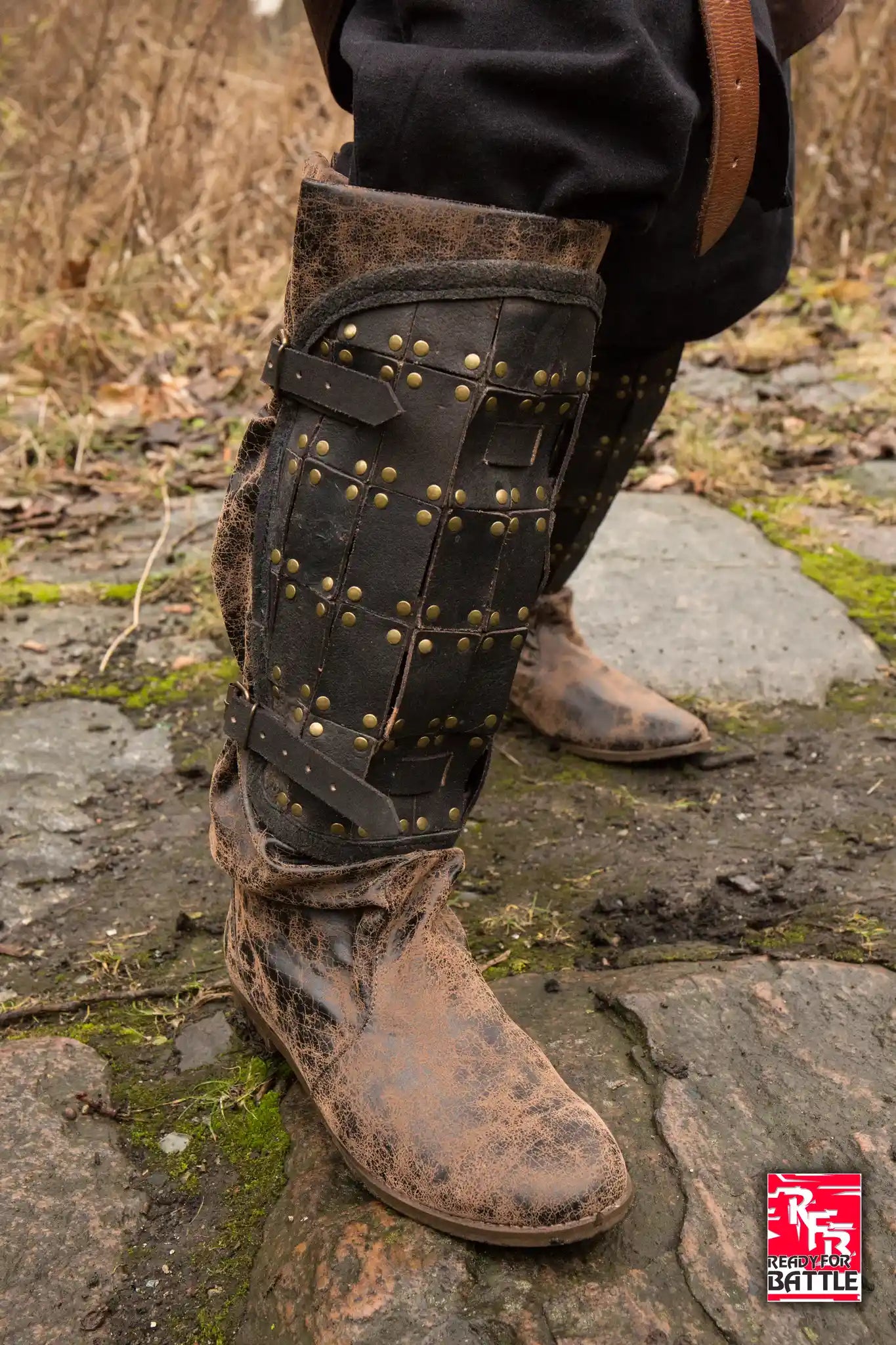
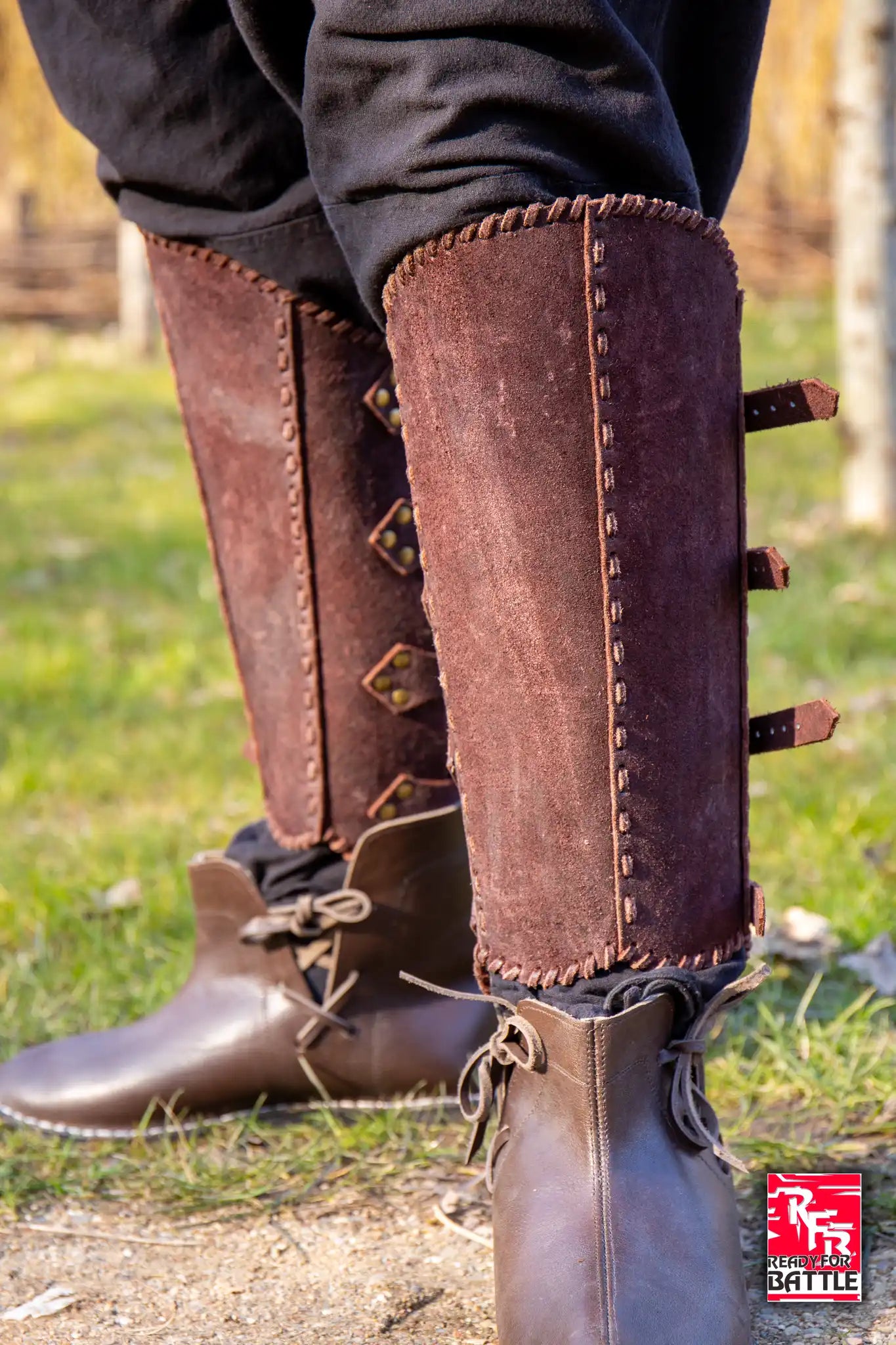
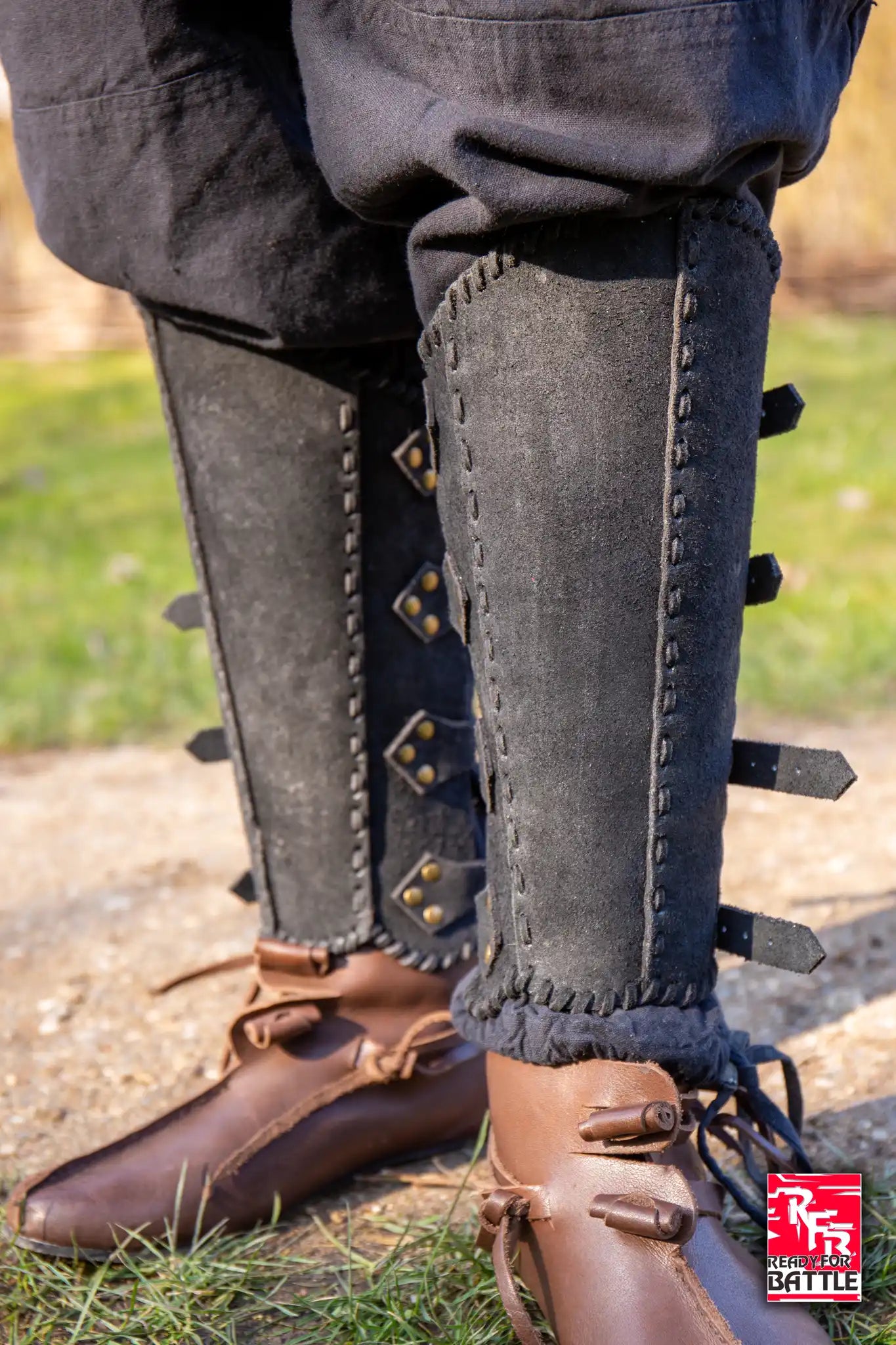
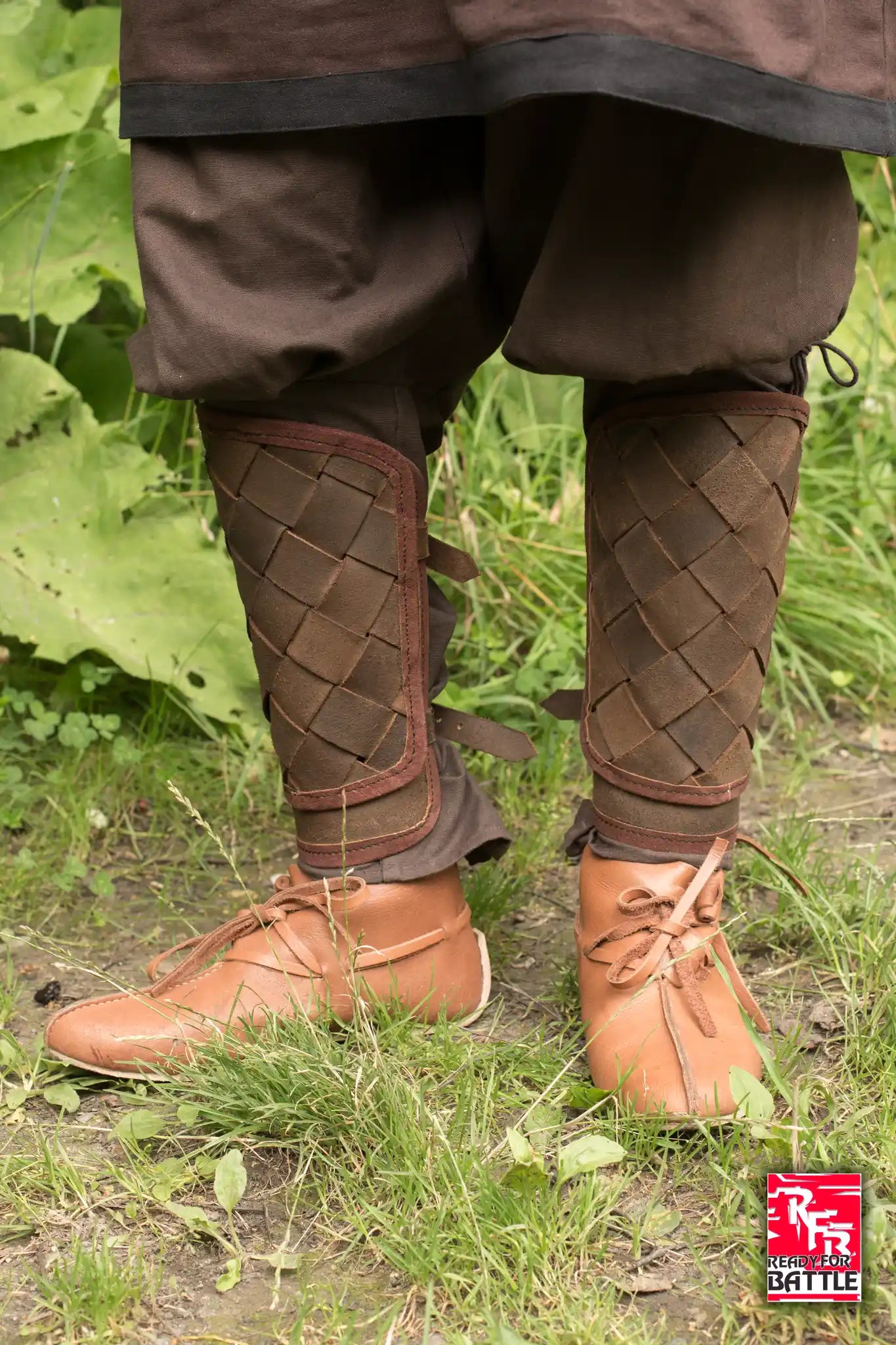
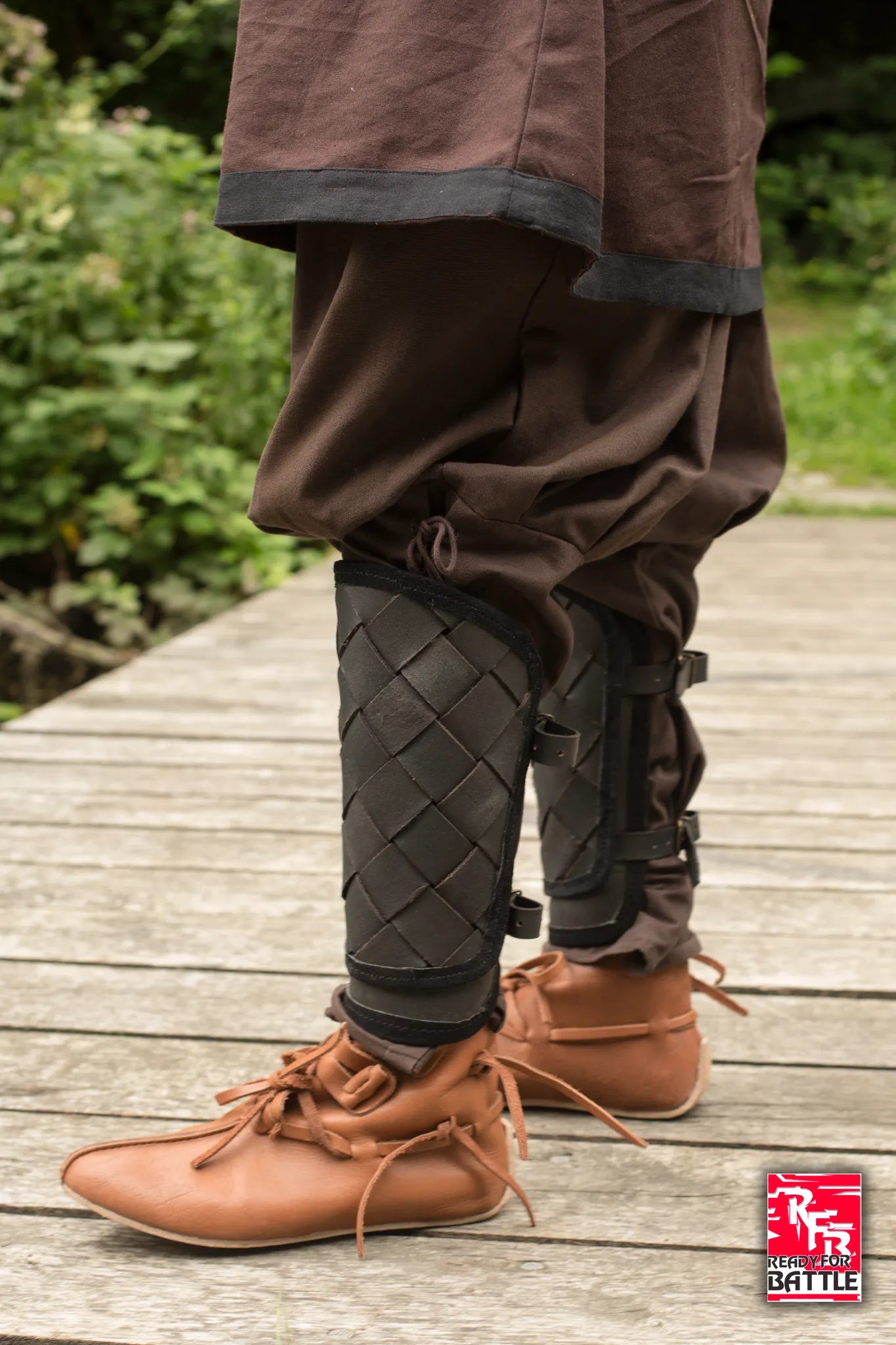
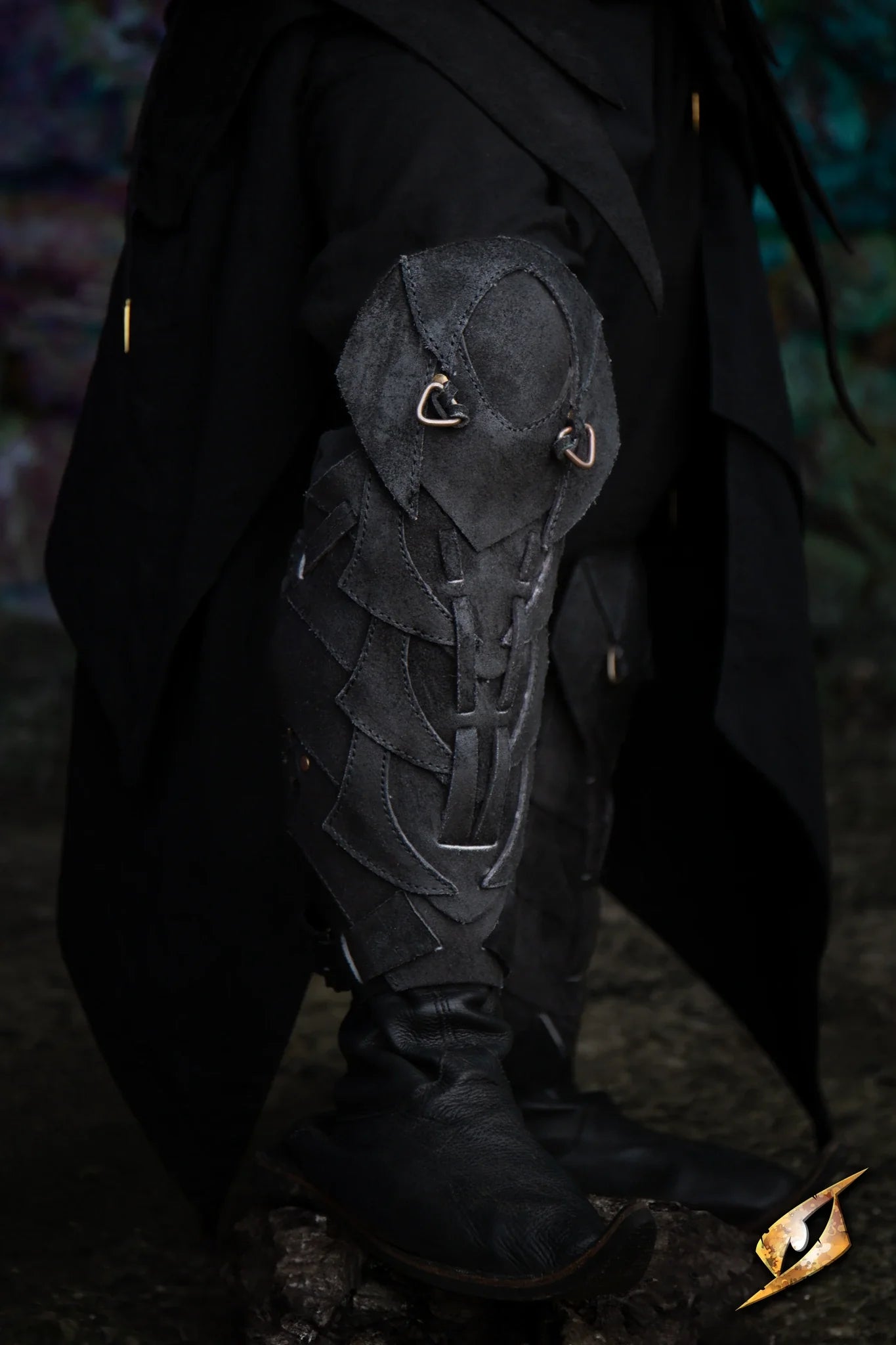
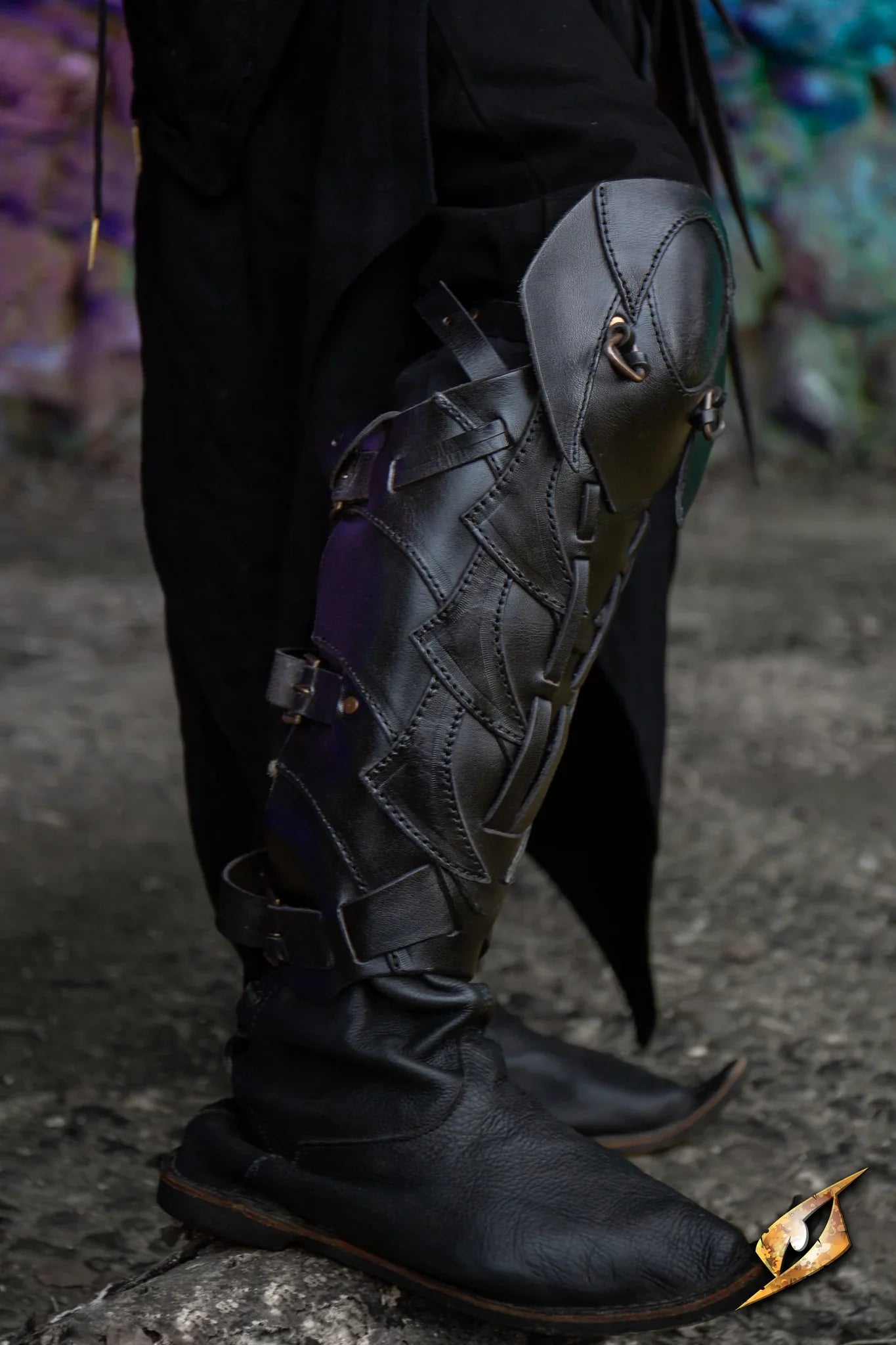
Leg armor and greaves complete the armored silhouette from boot to chest. The full range of greaves and poleyns is in the dedicated Leather Leg Armor category.
Complete sets — the Ranger Armour Complete Set, Ranger Armour Suede Complete Set, Shadow Armour Set, and Shadow Armour Set Suede — bring matched pieces together in one purchase. The full breakdown is in the Leather Armor Sets category.
How Leather Armor Fits
The strap-and-buckle system across Epic Armoury's leather armor is adjustable enough to accommodate different body shapes and base layers. Getting the fit right at home before your first event saves time on the day and makes the break-in period more comfortable.
Full-grain leather is stiffer in the first few hours of wear. With use it begins to conform to your body, and by the second or third event the fit improves considerably. This is not a quality issue — it is how leather is supposed to behave. A piece that has molded to your body will always fit better than one fresh out of the bag.
How to Choose Your Leather Armor
If you are starting from nothing, a torso piece and bracers establish the armored look immediately and give you a solid base to add shoulders, leg armor, and a gorget over time. If you want a complete matched look from the start, one of the complete sets is the more efficient route.
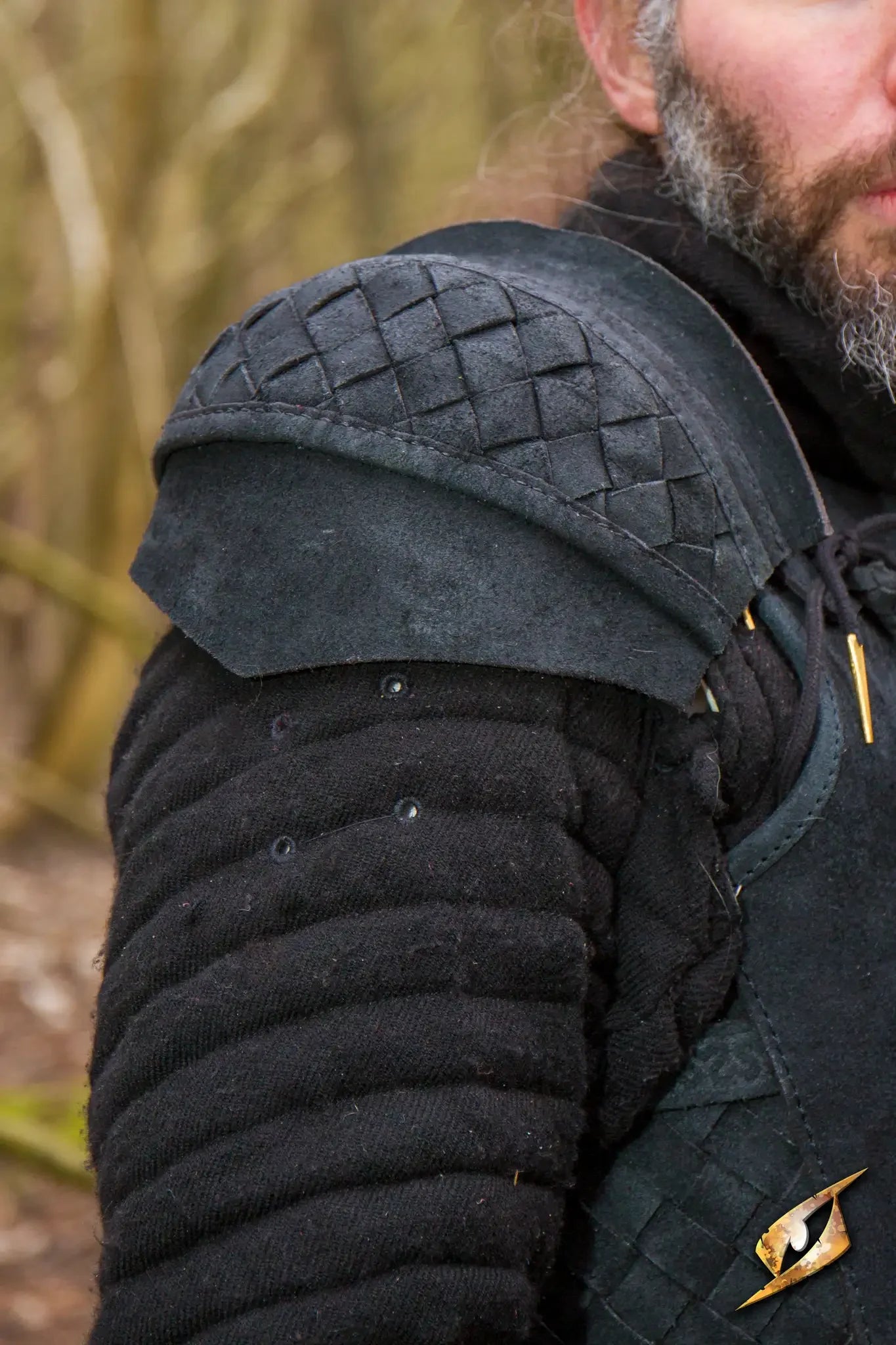
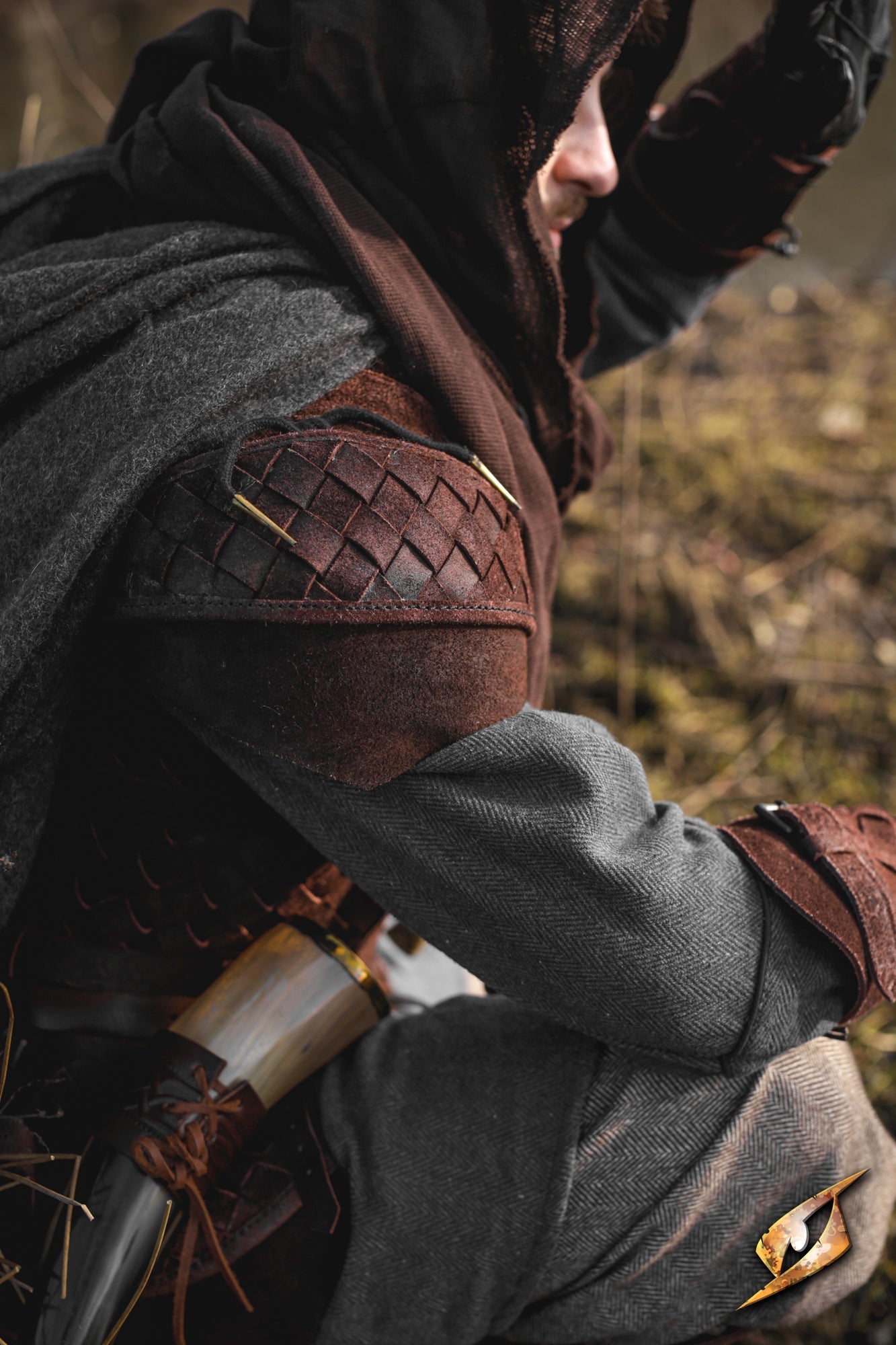
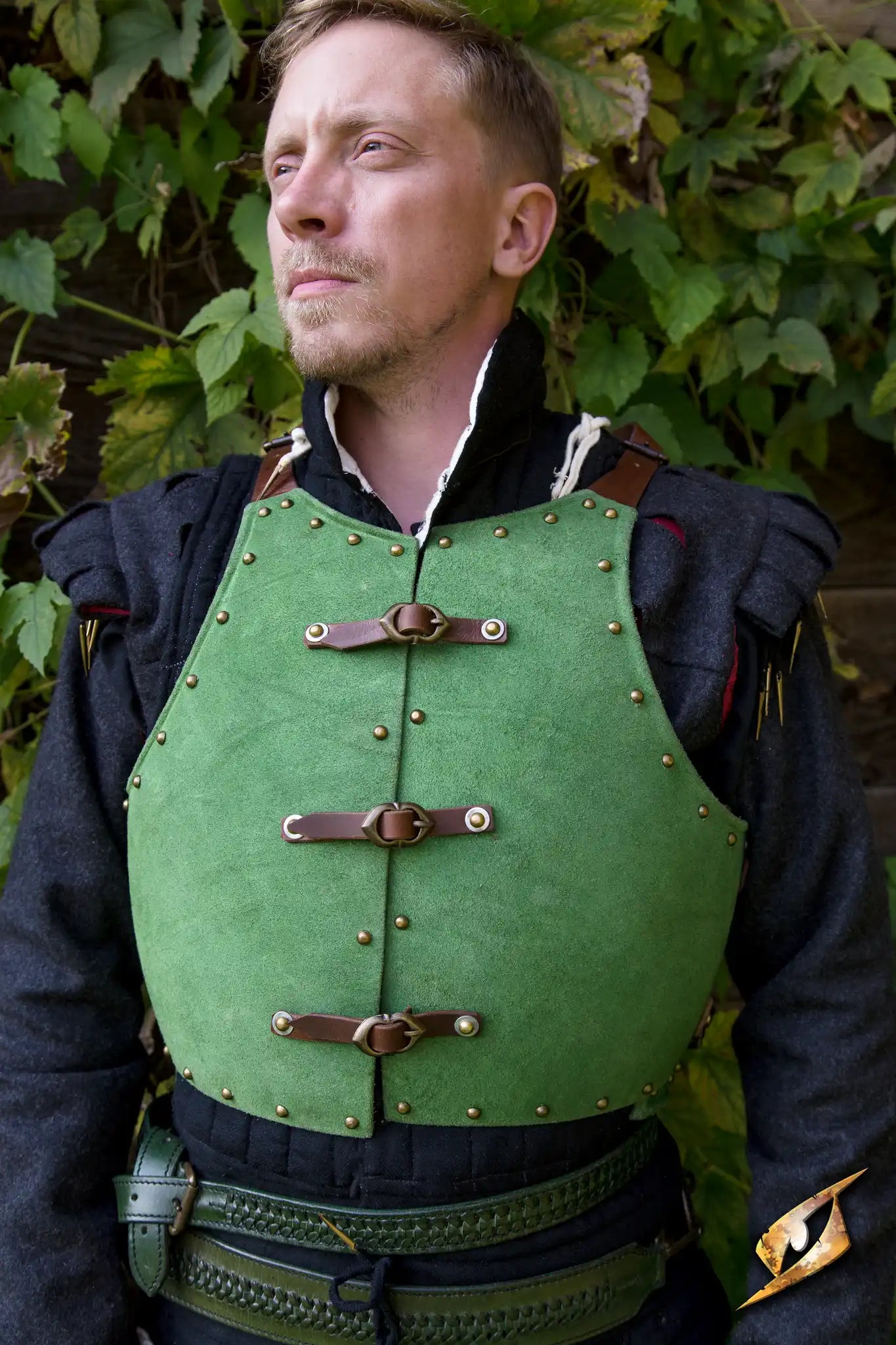
For finish: full-grain leather is firmer and more structured, and develops a patina with use. Suede is softer and more matte, with a quieter texture that pairs well with natural fabrics and layered costumes. Both are genuine leather, both are the same standard of construction, and both improve with wear.
Think about your base layer before buying. Leather armor sits and moves differently depending on what is underneath it, and a well-chosen base layer makes a meaningful difference to both fit and the overall look.
Frequently Asked Questions
Do I need a full set or can I start with individual pieces? Individual pieces are how most people build their kit. A chest piece or a pair of bracers is enough to establish the armored look, and you can add to it event by event as your character develops.
Can I mix leather armor with other materials? Yes. Leather pairs naturally with chainmail, fur, linen, and woven fabric. Mixing materials is one of the most effective ways to build a kit that looks genuinely layered rather than uniform.
How do I care for leather armor? Treat hard plates with leather wax every few months. Condition straps and buckle areas with leather grease to prevent stiffening. Store away from direct heat and damp, and clean off mud and sweat after events before putting it away.