





Recently viewed products
Steel Helmets
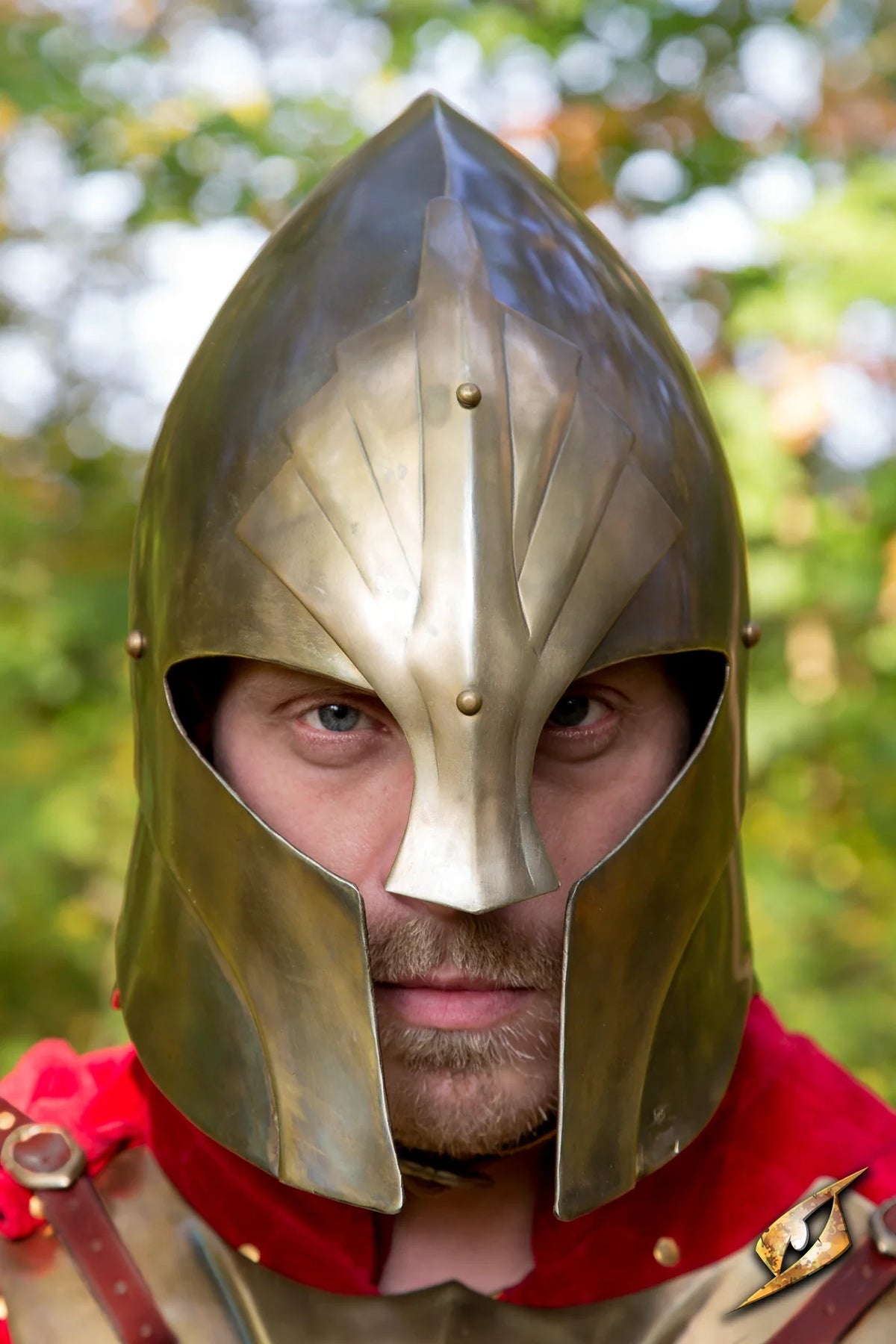
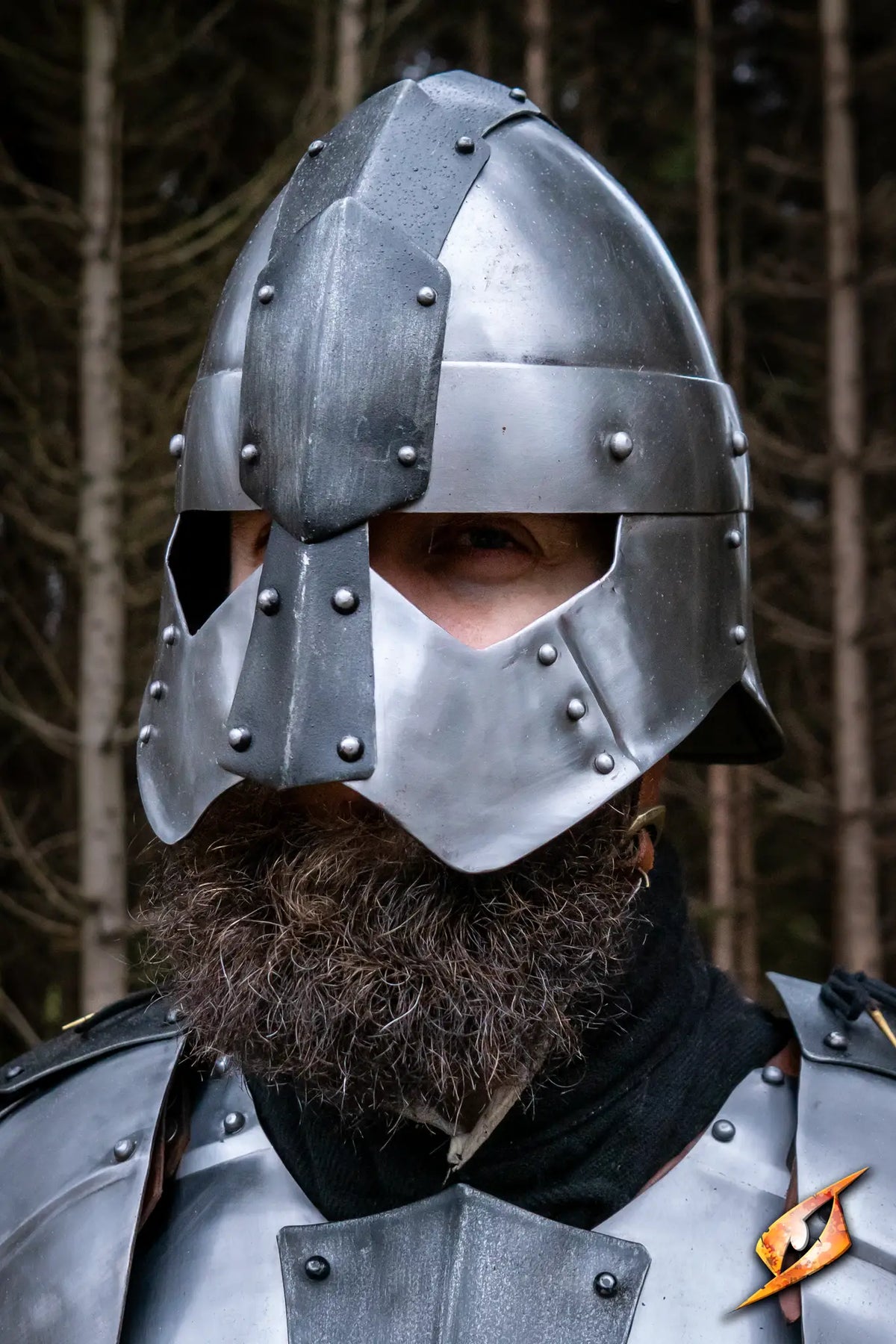
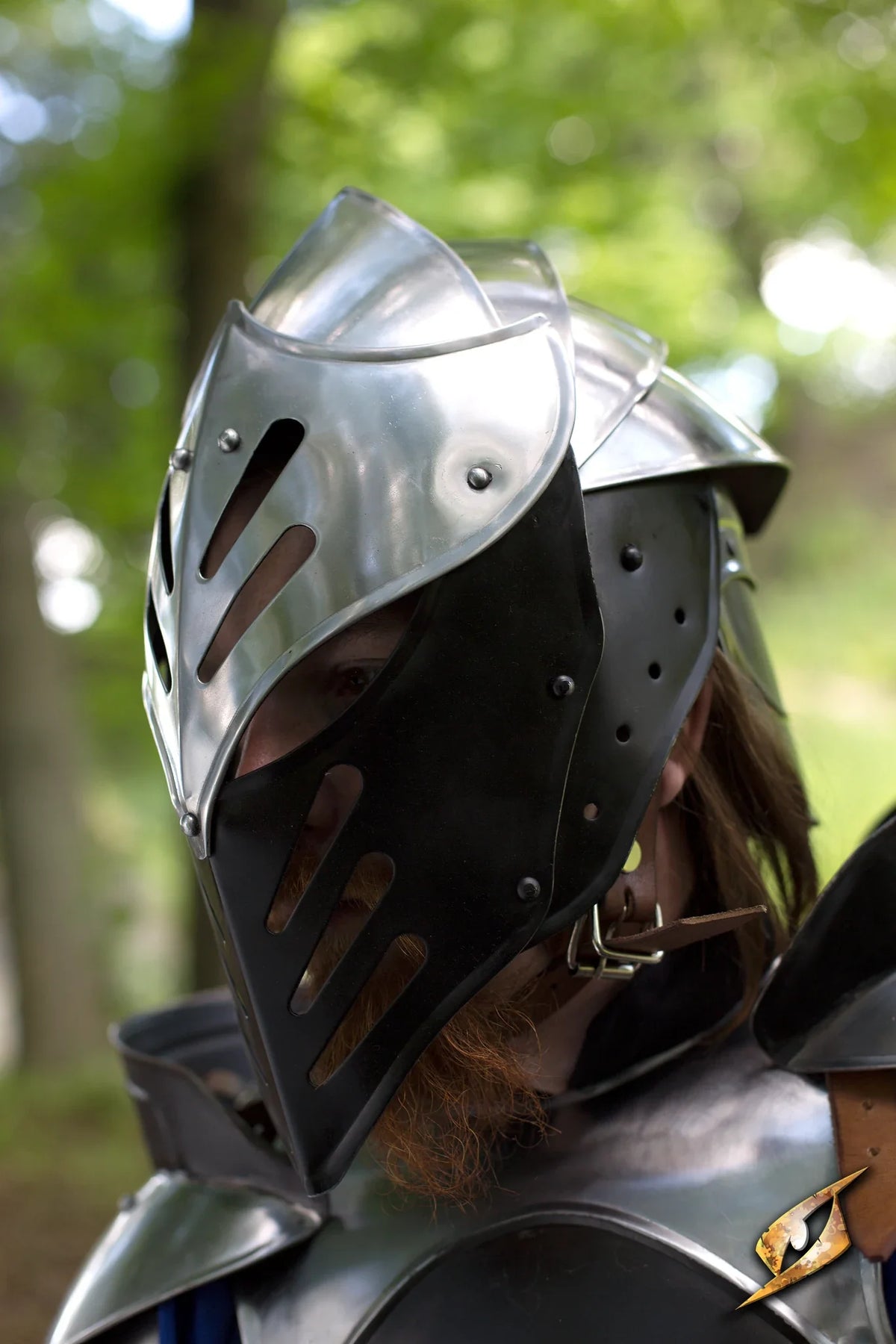
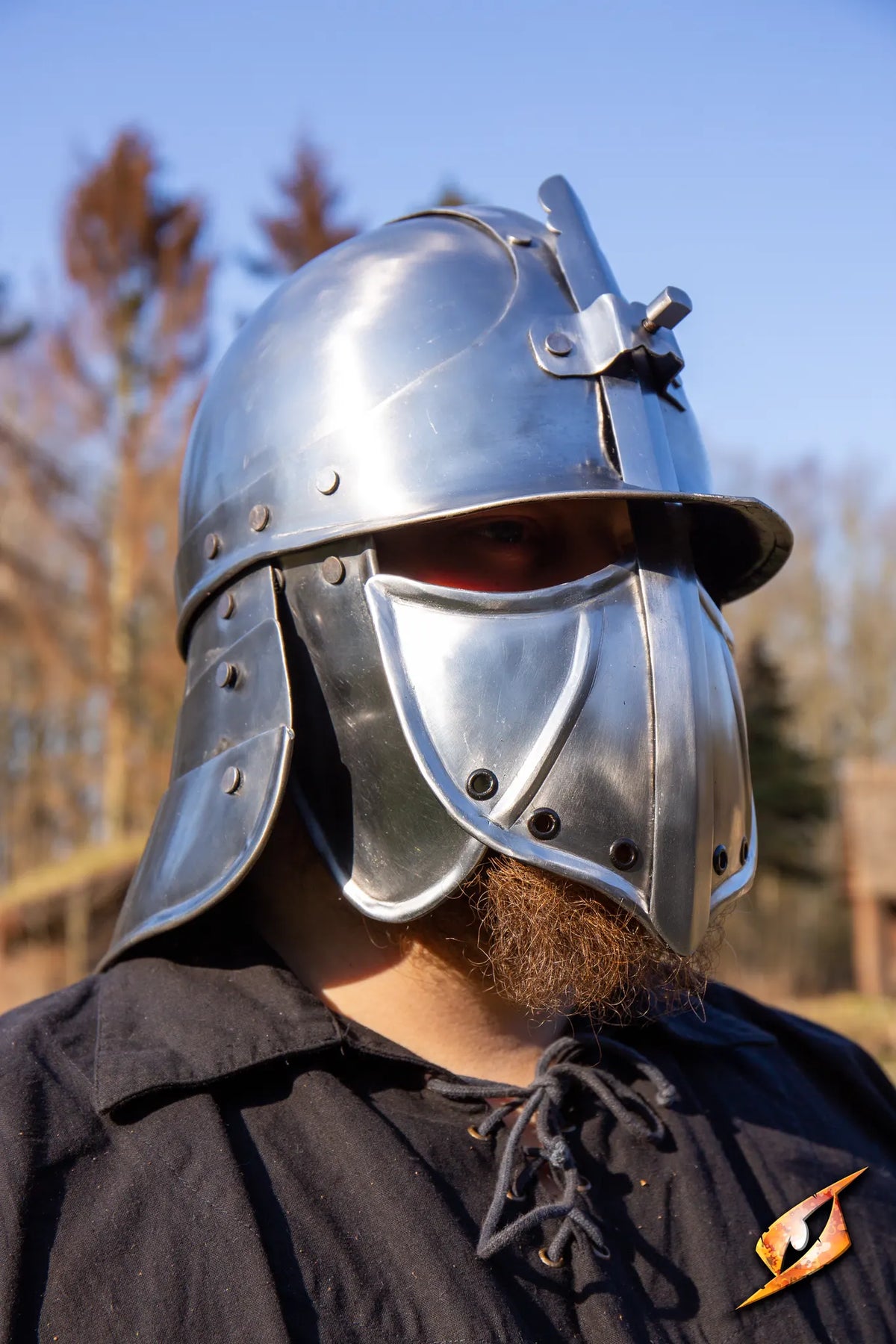
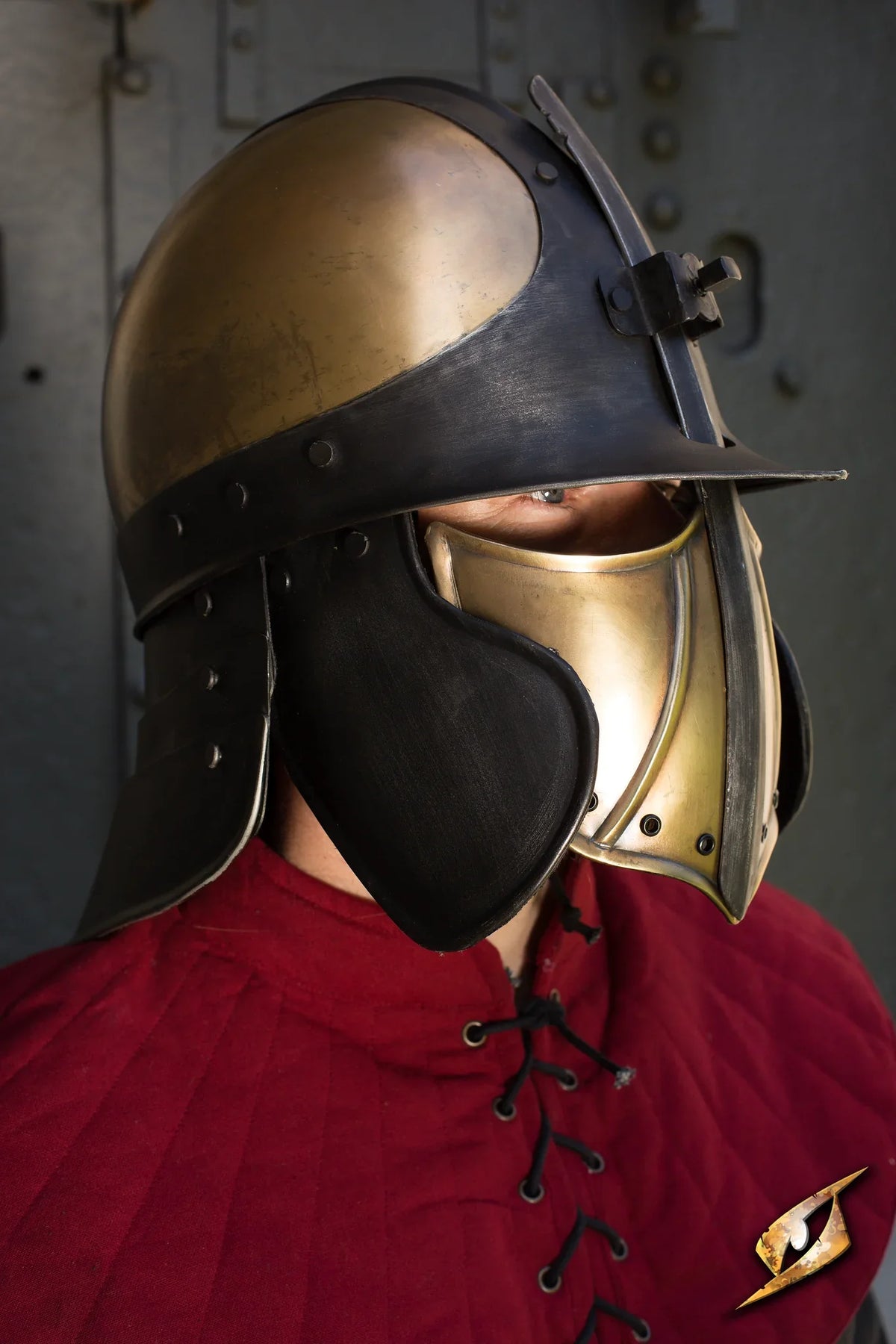
A steel helmet is the most historically authentic head protection you can wear. From the Viking age to the Renaissance, steel helmets defined the silhouette of the armored fighter and remain the standard for reenactors, historical LARP systems, and anyone who wants a helmet that looks and feels like the real thing. Epic Armoury's steel helmet range is one of the most comprehensive available, covering over thirty designs across every major period and style of European military headwear.
The range spans four distinct categories: knight helmets, medieval helmets, fantasy helmets, and Greek and Roman helmets, alongside a broader selection of steel designs that sit across multiple traditions and periods.
At a glance:
- Material: Steel construction throughout
- Weight: Heavier than leather or PU equivalents - factor this into event planning
- Fit: Leather inlay for internal adjustment - most designs one size, some with additional sizing
- Maintenance: Oil regularly to prevent rust, store dry
- Use: Suitable for LARP, reenactment, cosplay, display, and collection
What Is a Steel Helmet?
A steel helmet is a head covering constructed from shaped and finished steel, worn for protection in combat or as a historically accurate element of a period costume or display. Steel helmets are the closest modern equivalent to the helmets worn by historical fighters across medieval Europe, classical antiquity, and the Viking age.
The weight and material of a steel helmet read differently from leather or PU both visually and physically. The surface catches light the way historical armor does, the construction holds its shape permanently, and the presence of a steel helmet on a kit signals a level of authenticity that other materials cannot quite replicate. For reenactors and historically minded LARPers, that difference matters.
What You Will Find in This Category
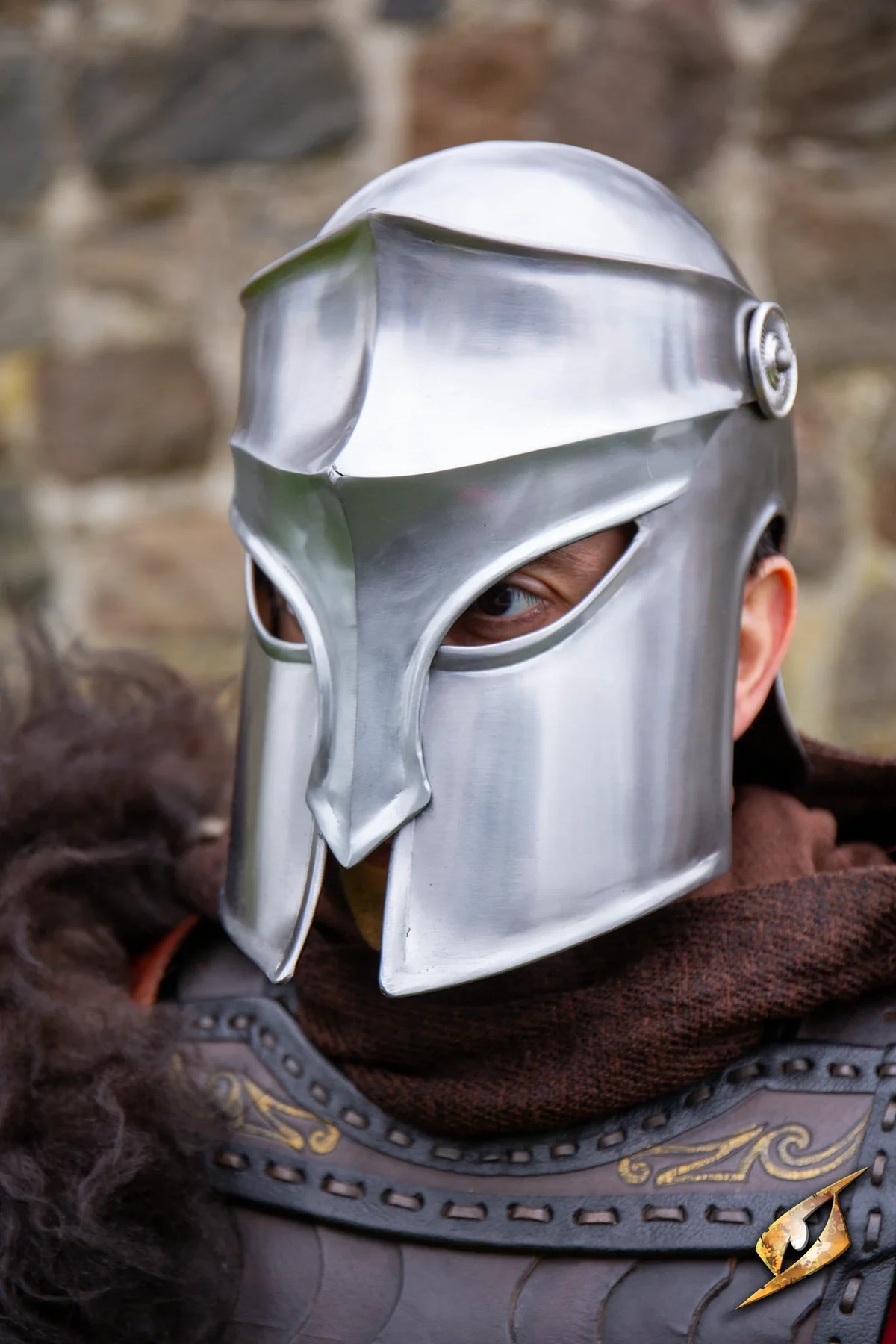
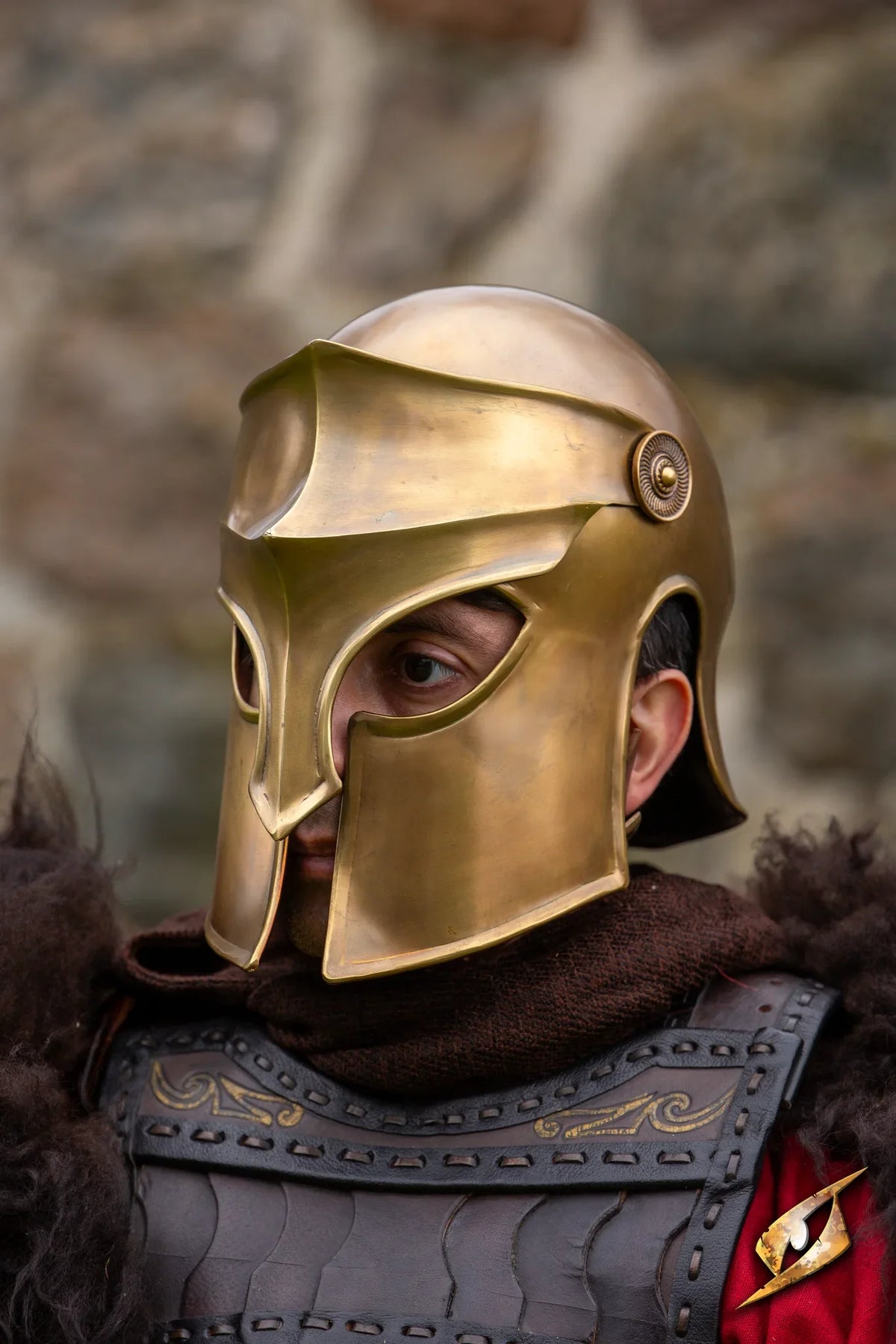
Thirty-two steel helmet designs cover the full breadth of European military headwear history, from early medieval nasal helmets through to Renaissance burgonets and fantasy designs that draw on all of the above.
The range is organised into four subcategories for buyers looking for a specific period or style:
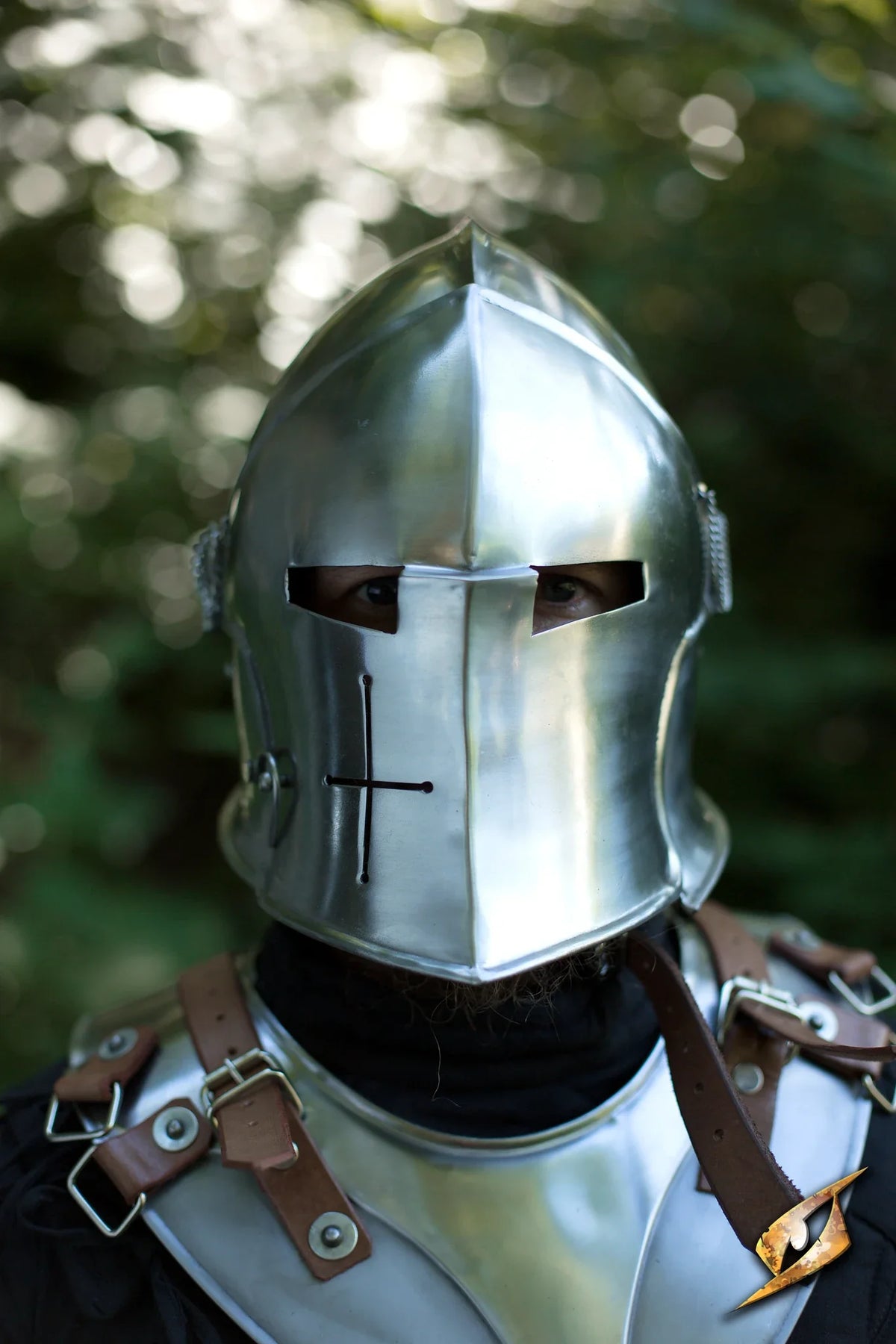
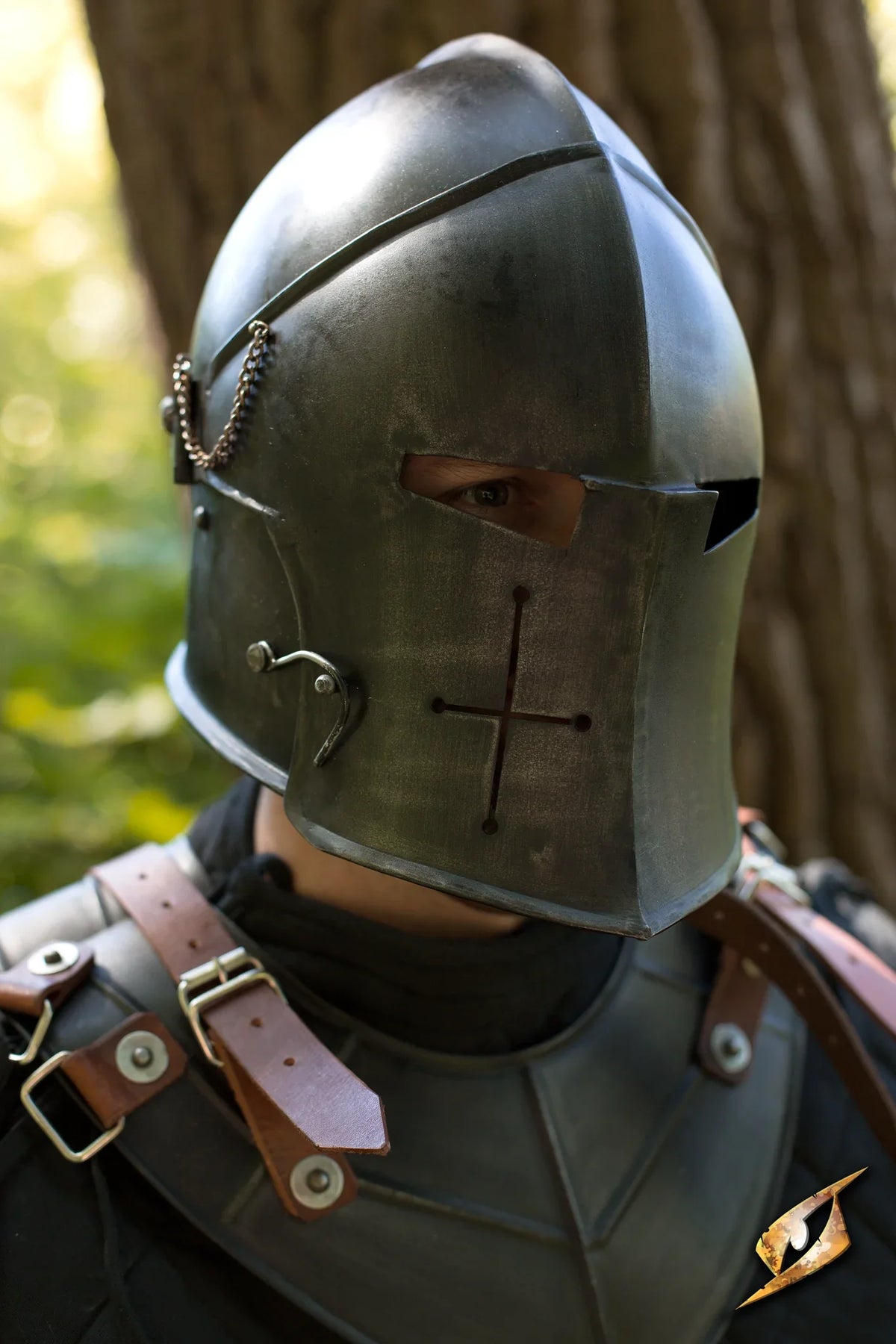
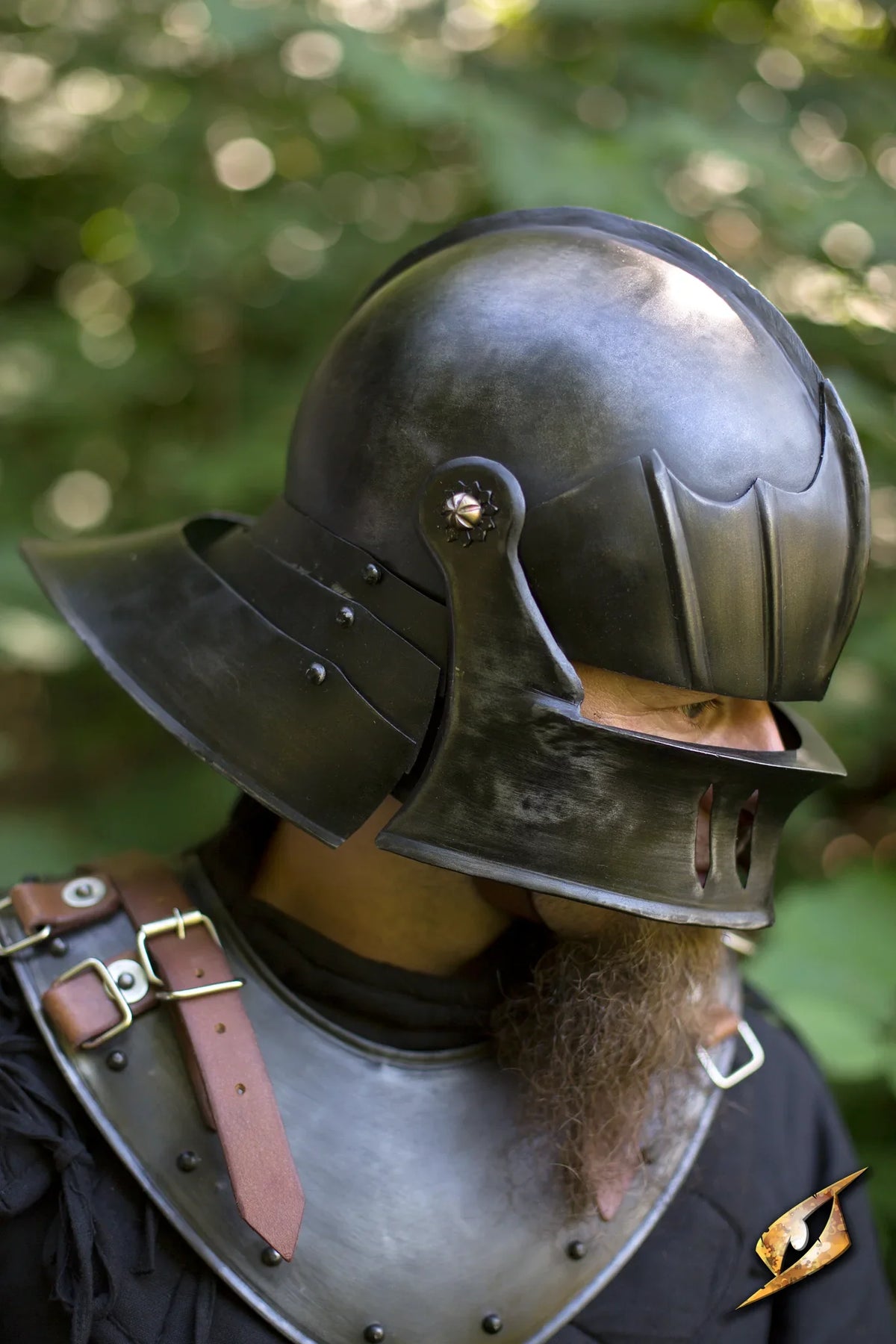
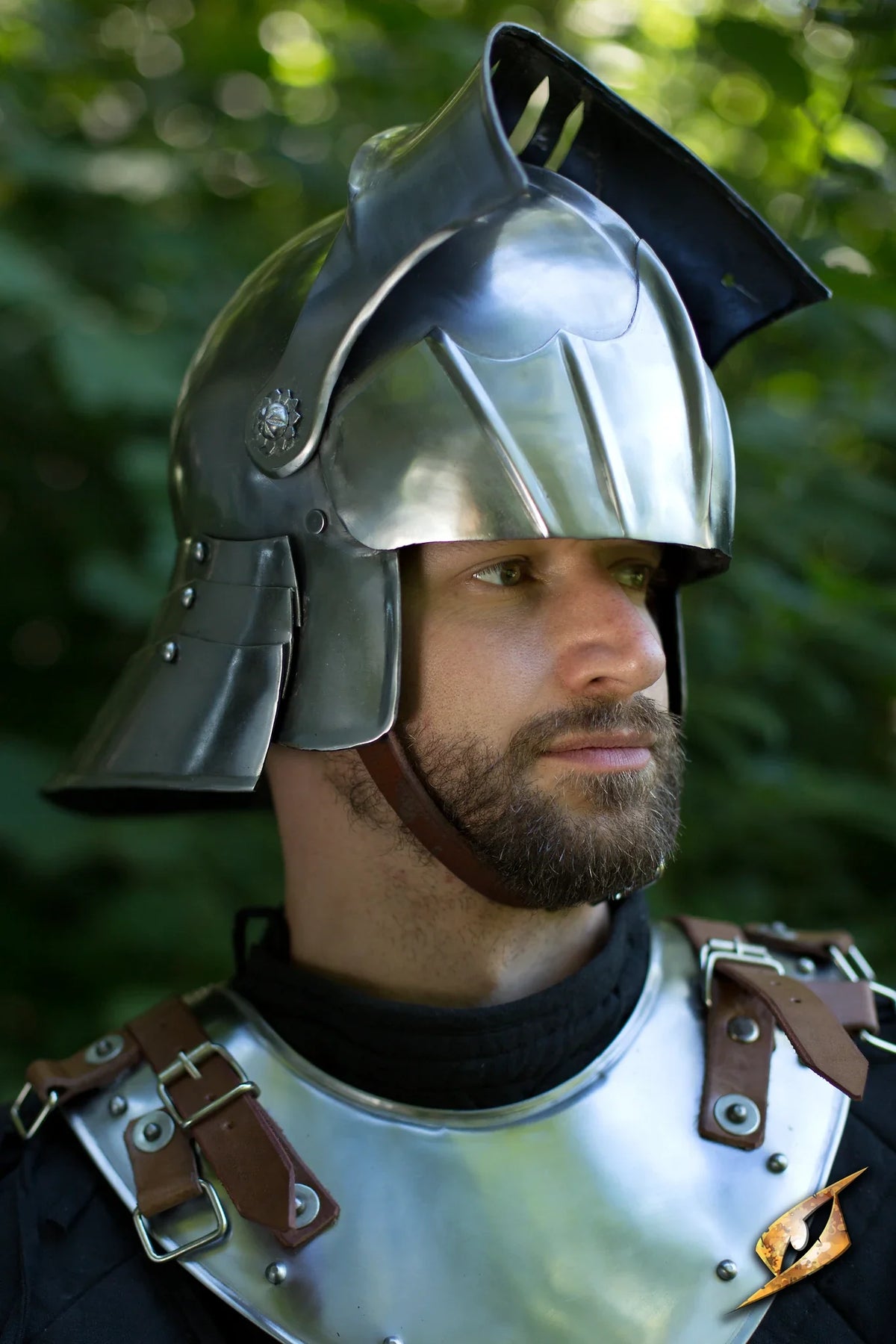
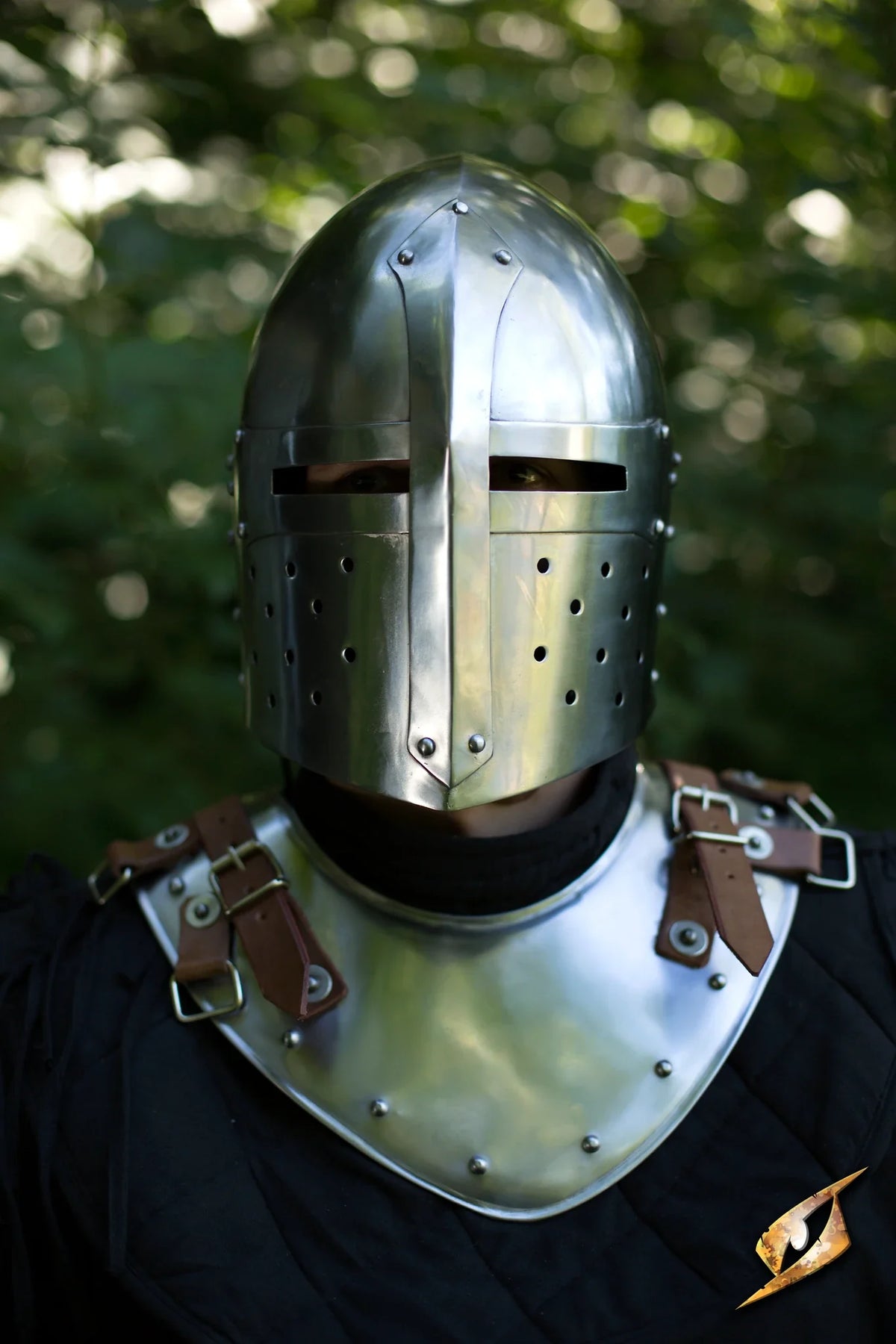
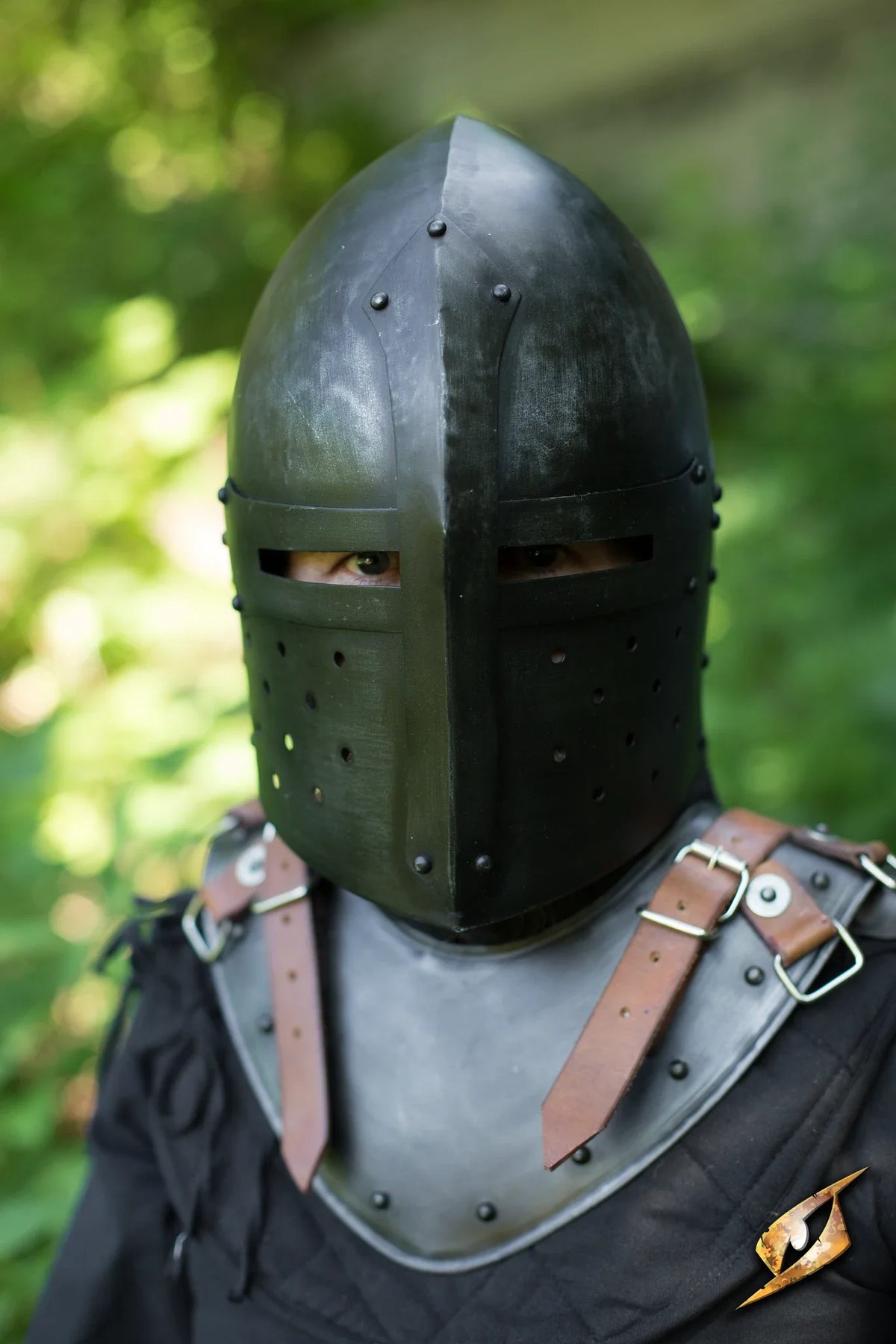
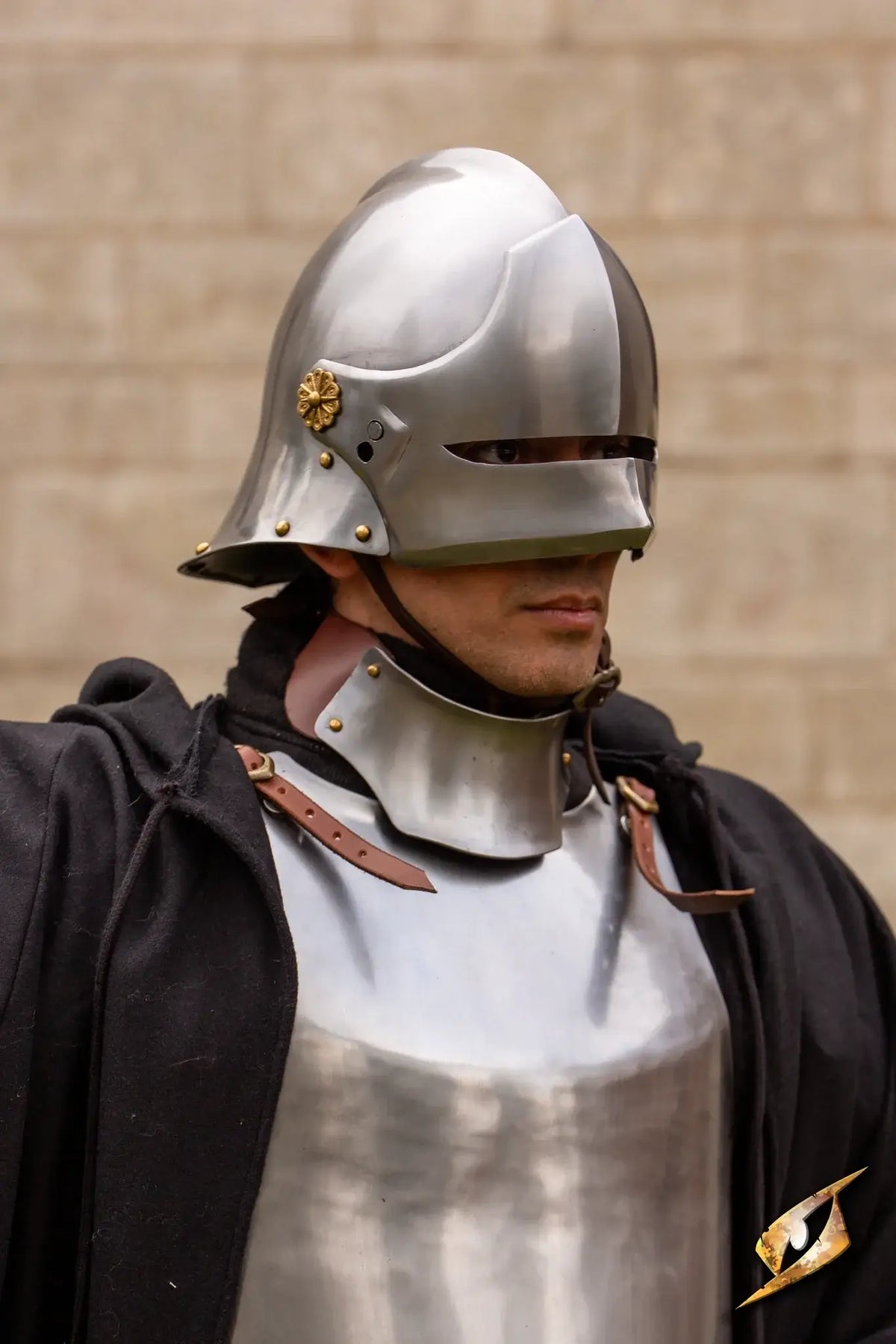
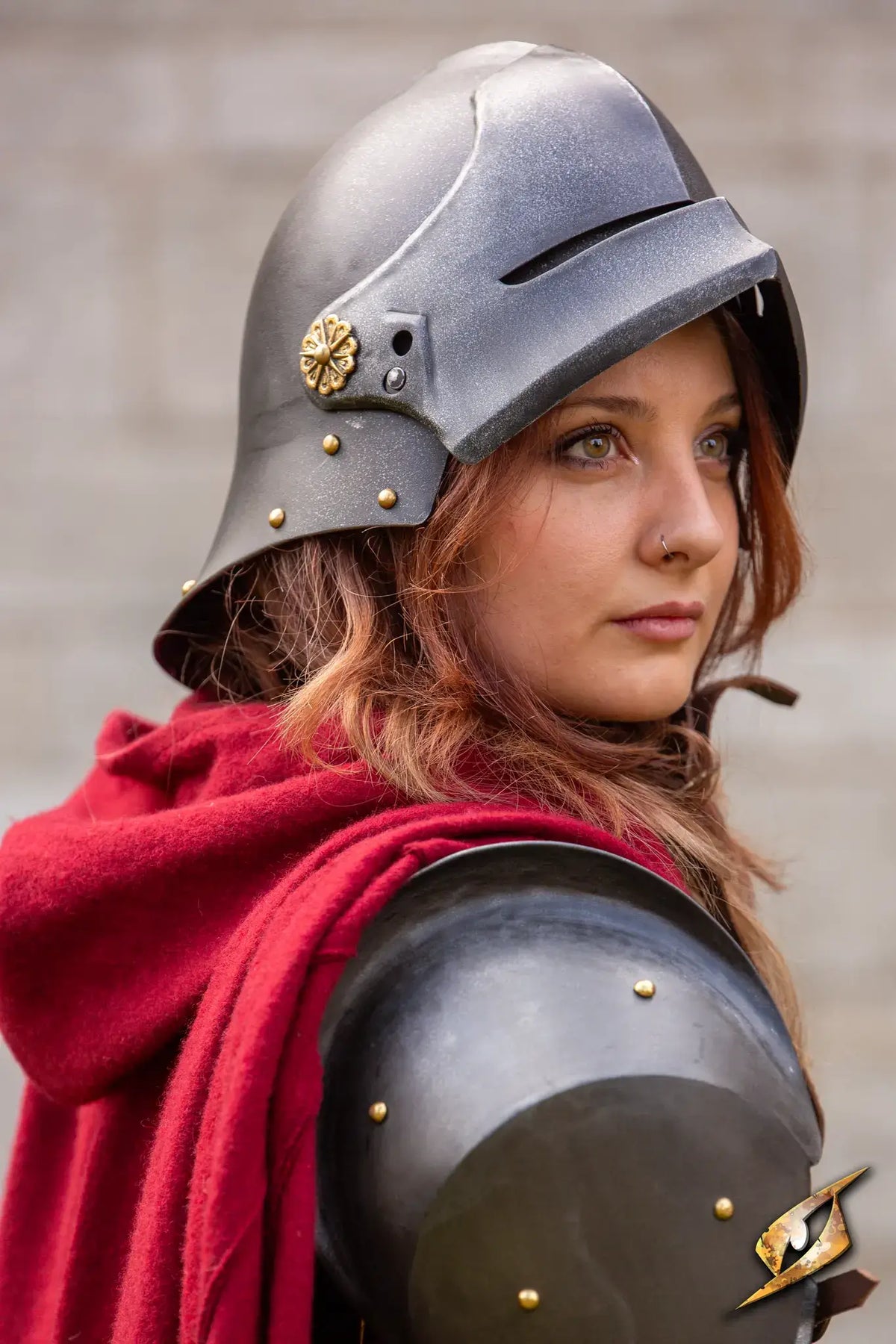
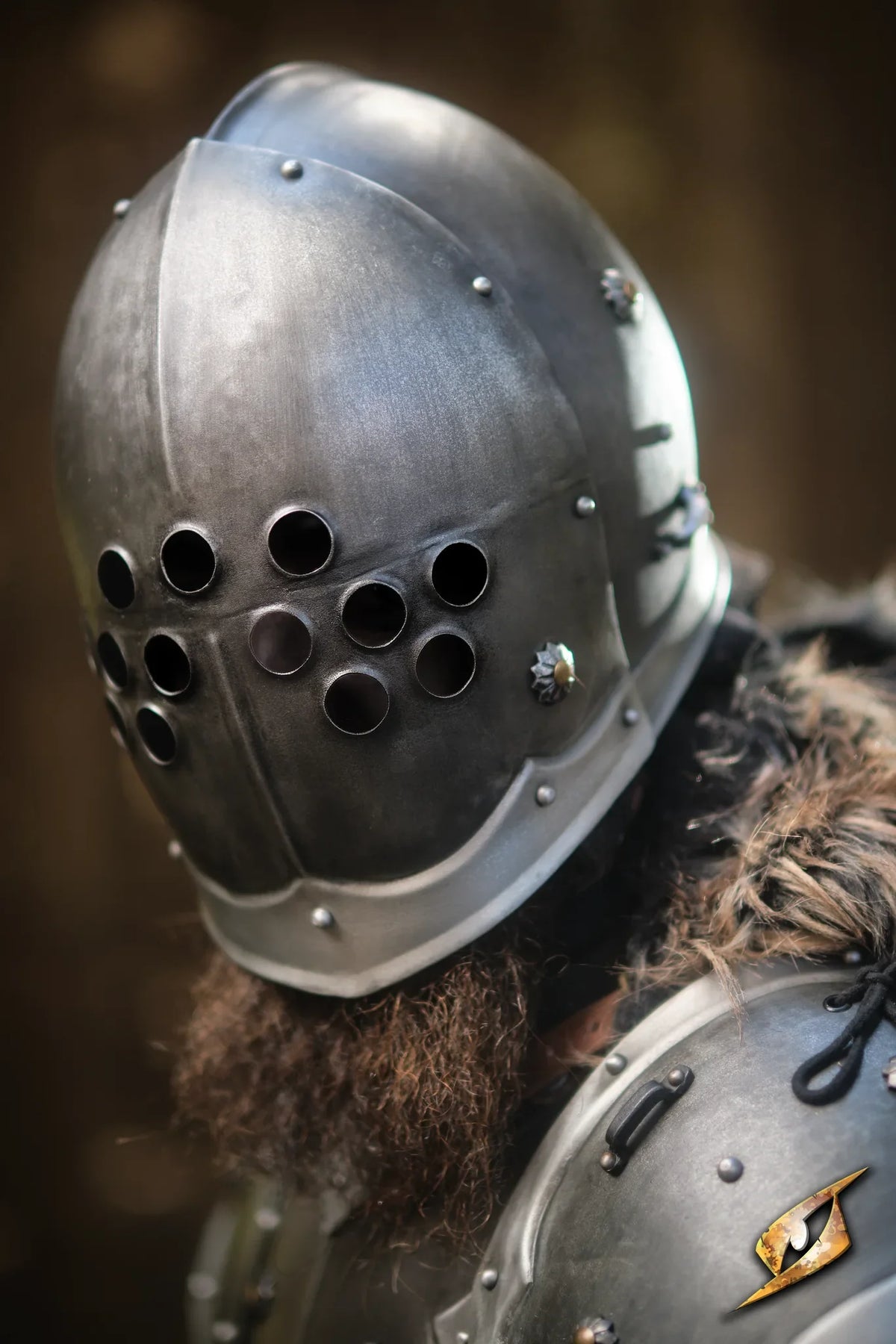
Knight Helmets covers the armored fighter tradition of the high and late medieval period: great helms, bascinets, sallets, and the designs most associated with knightly combat from the 12th century onward.
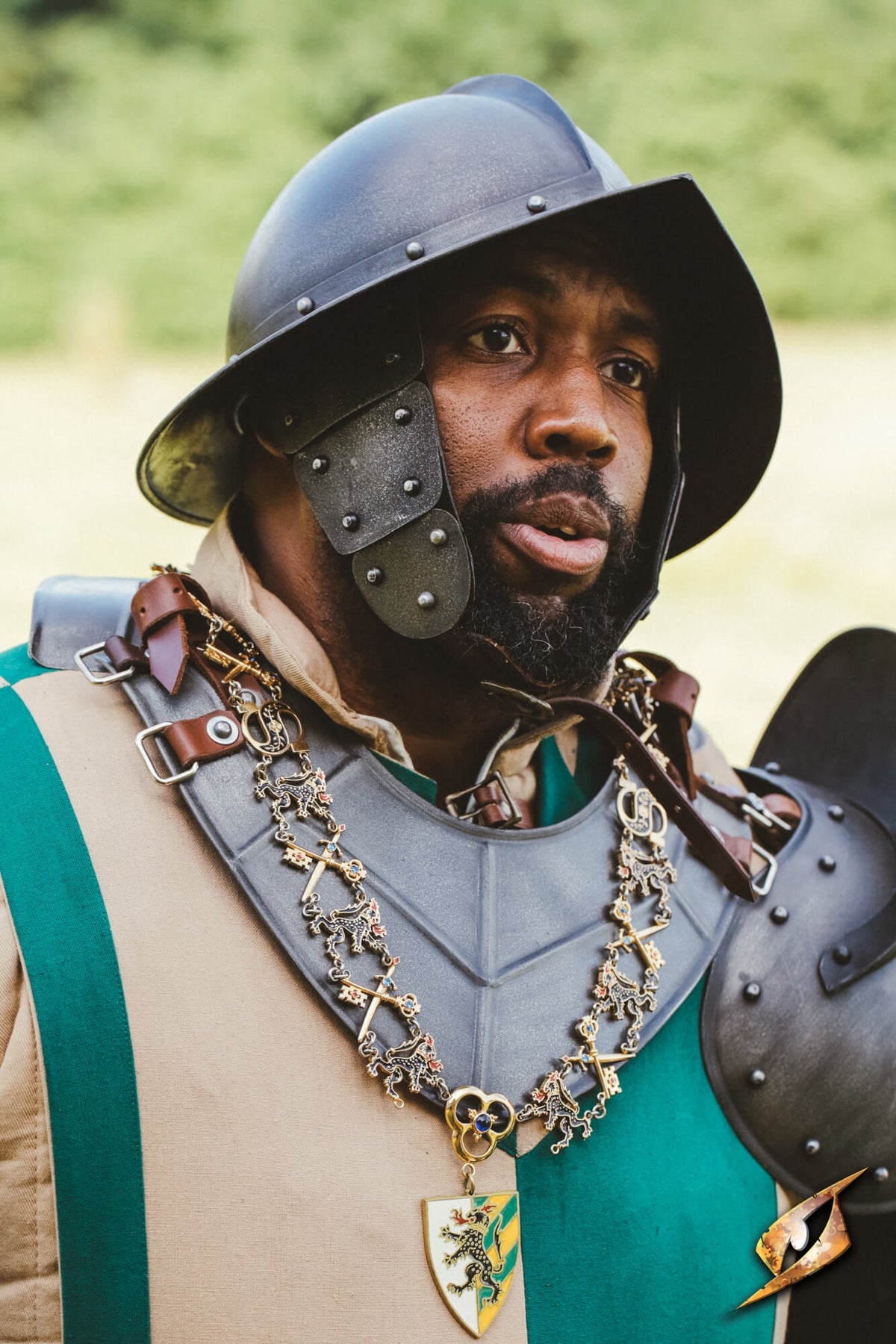
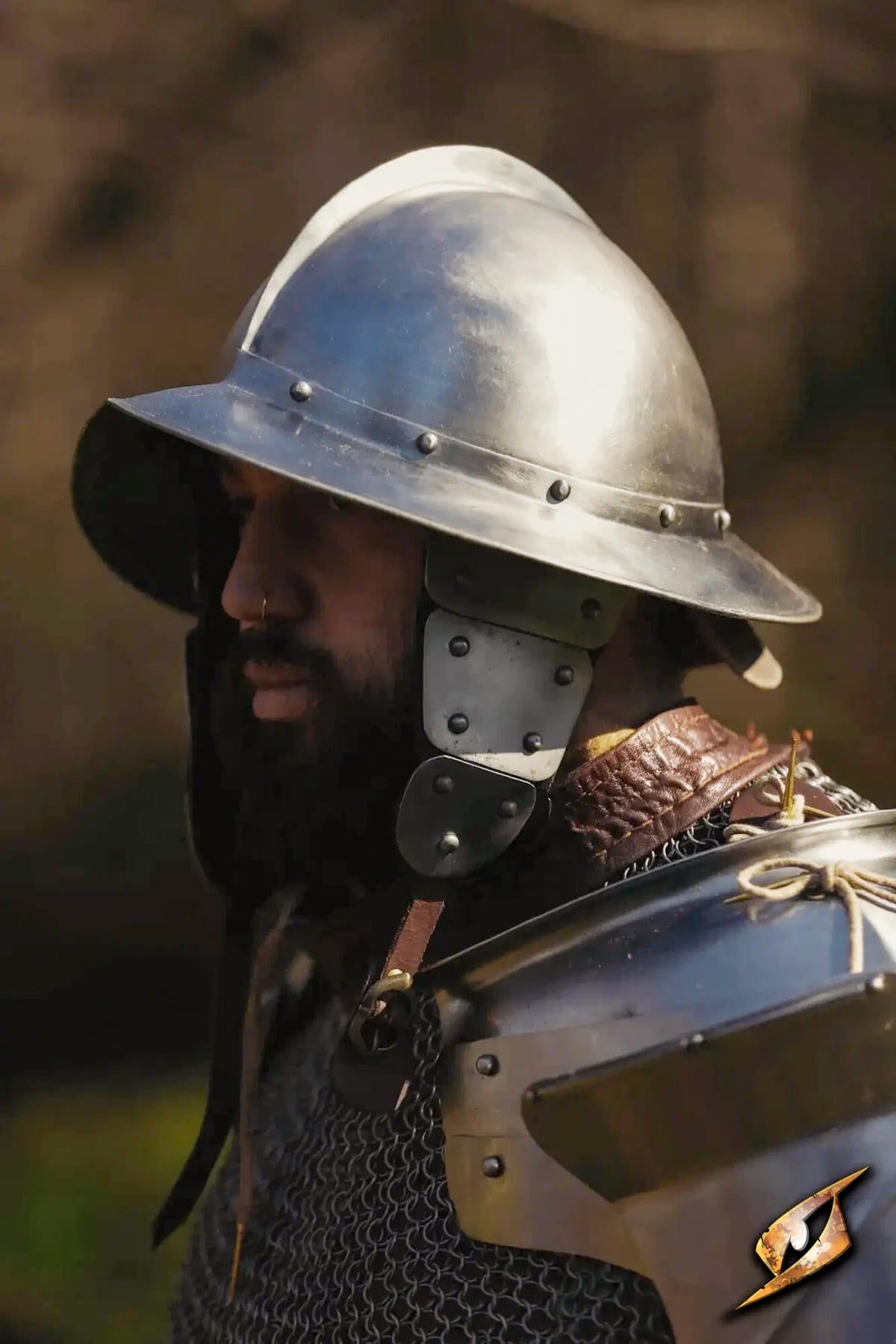
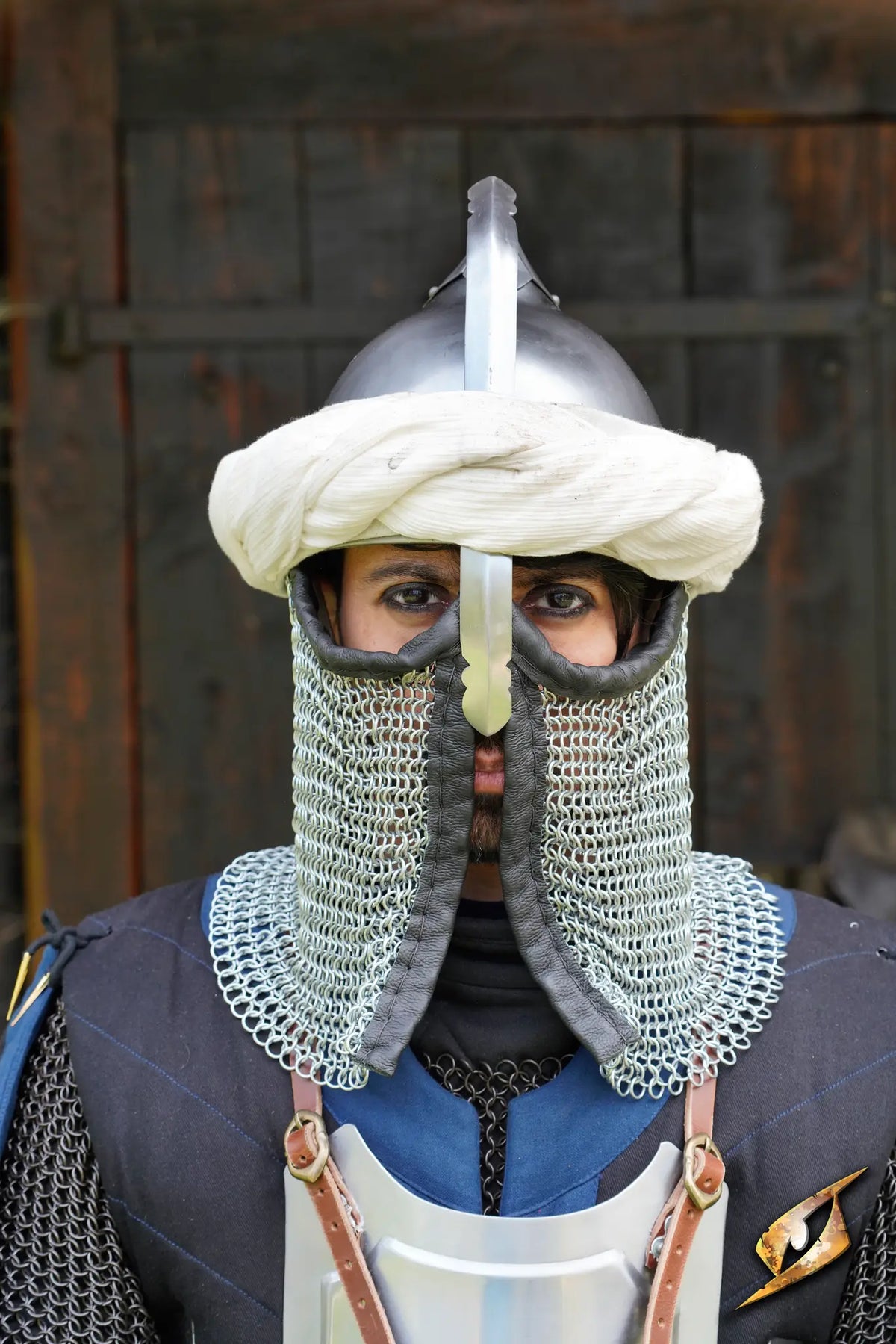
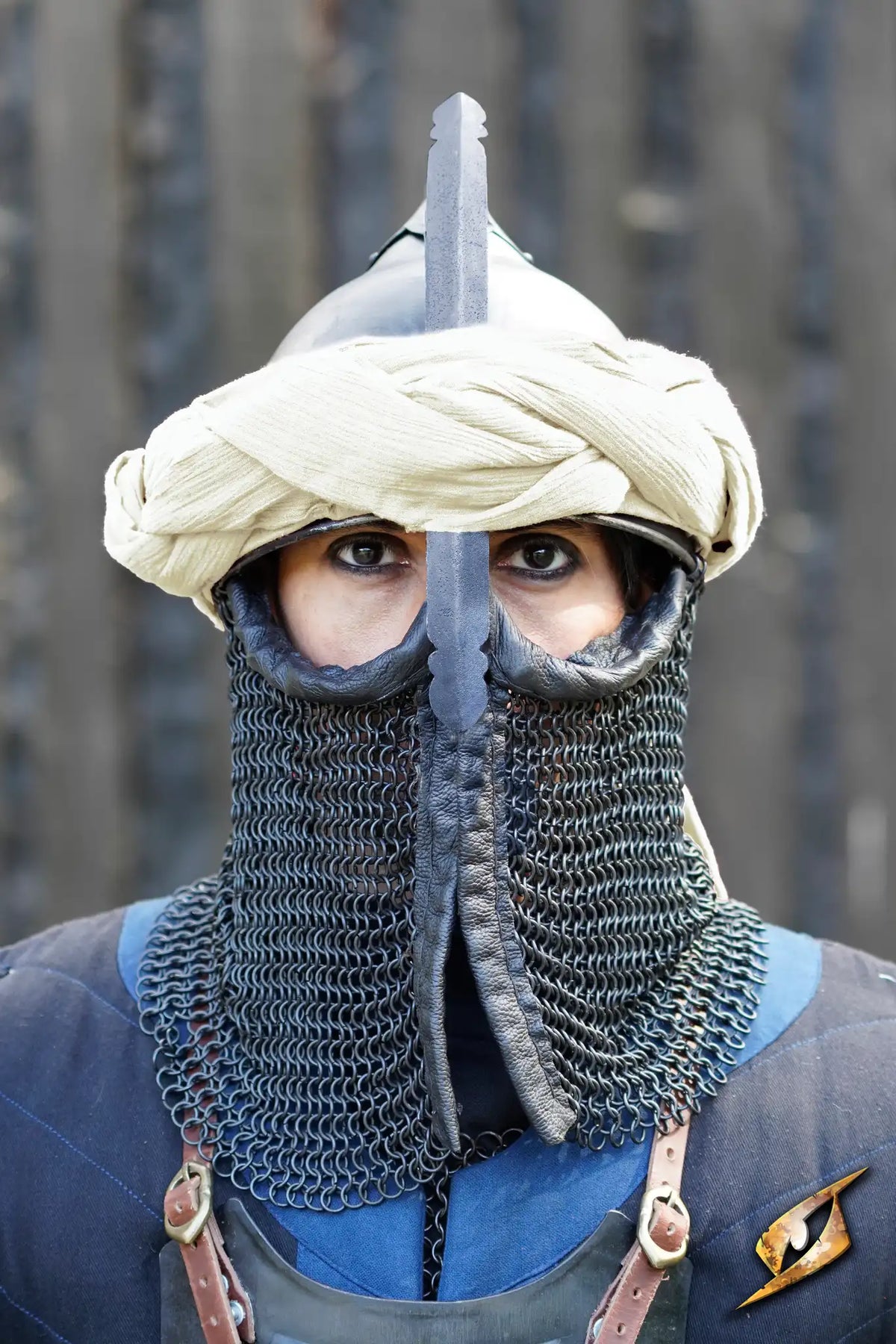
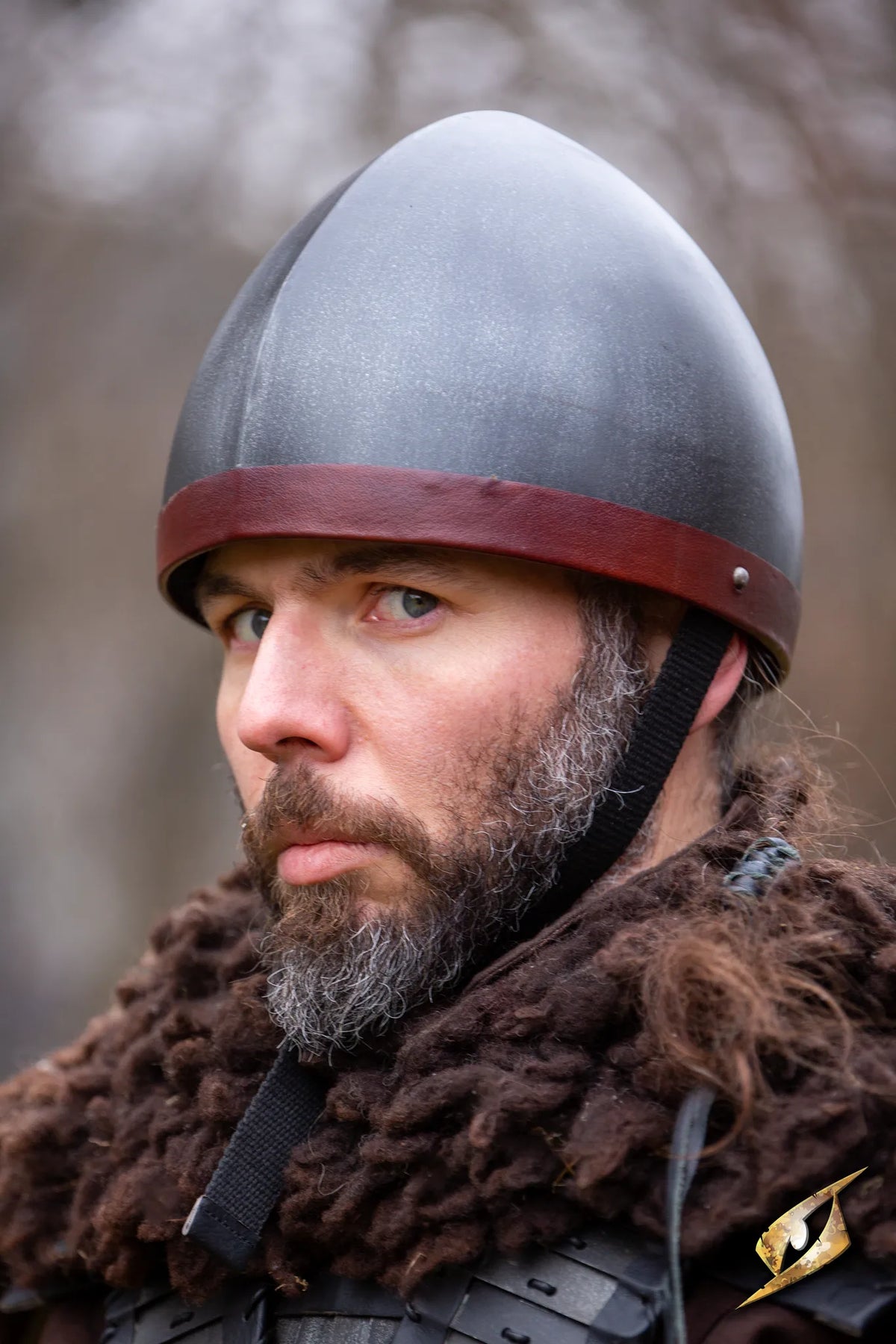
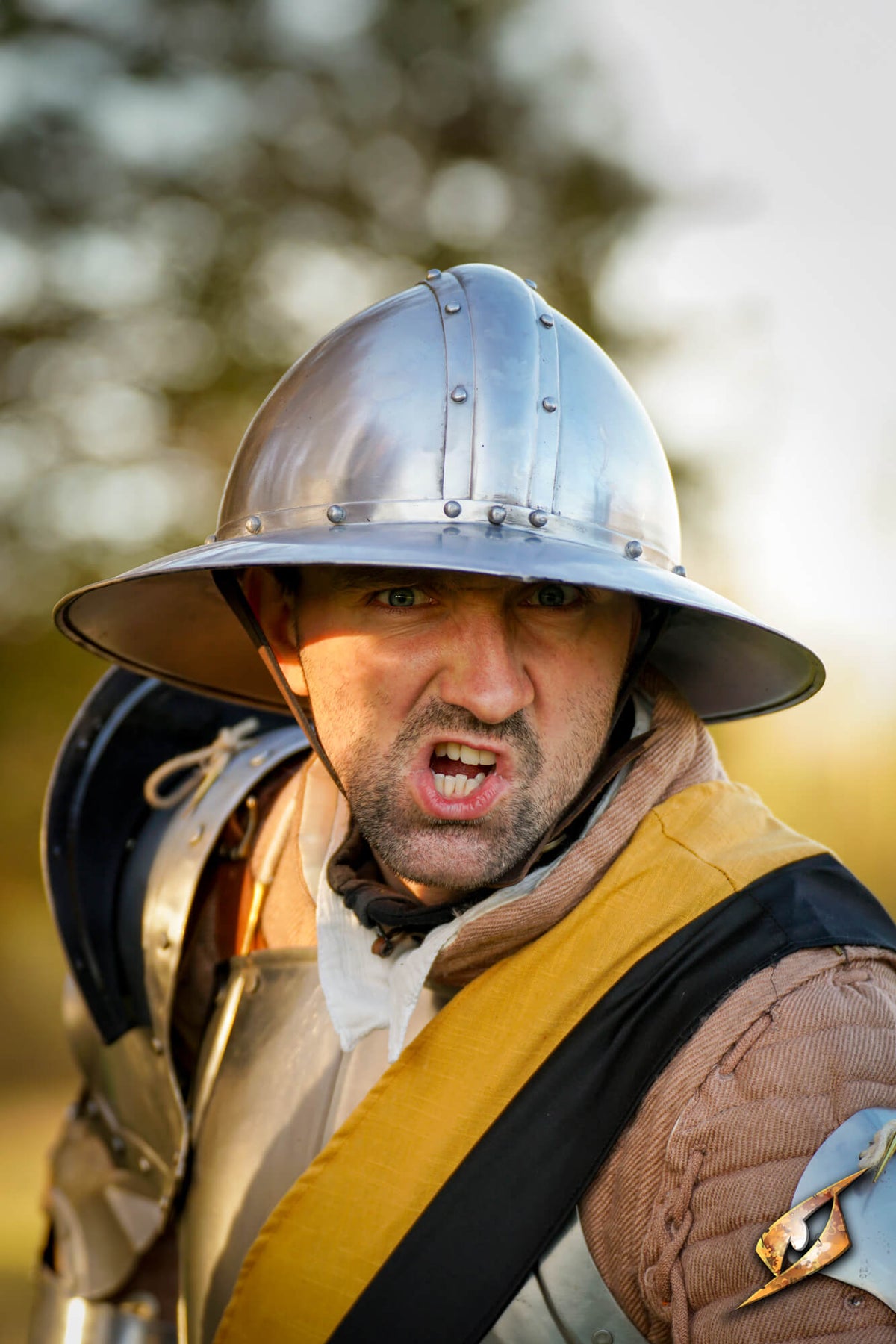
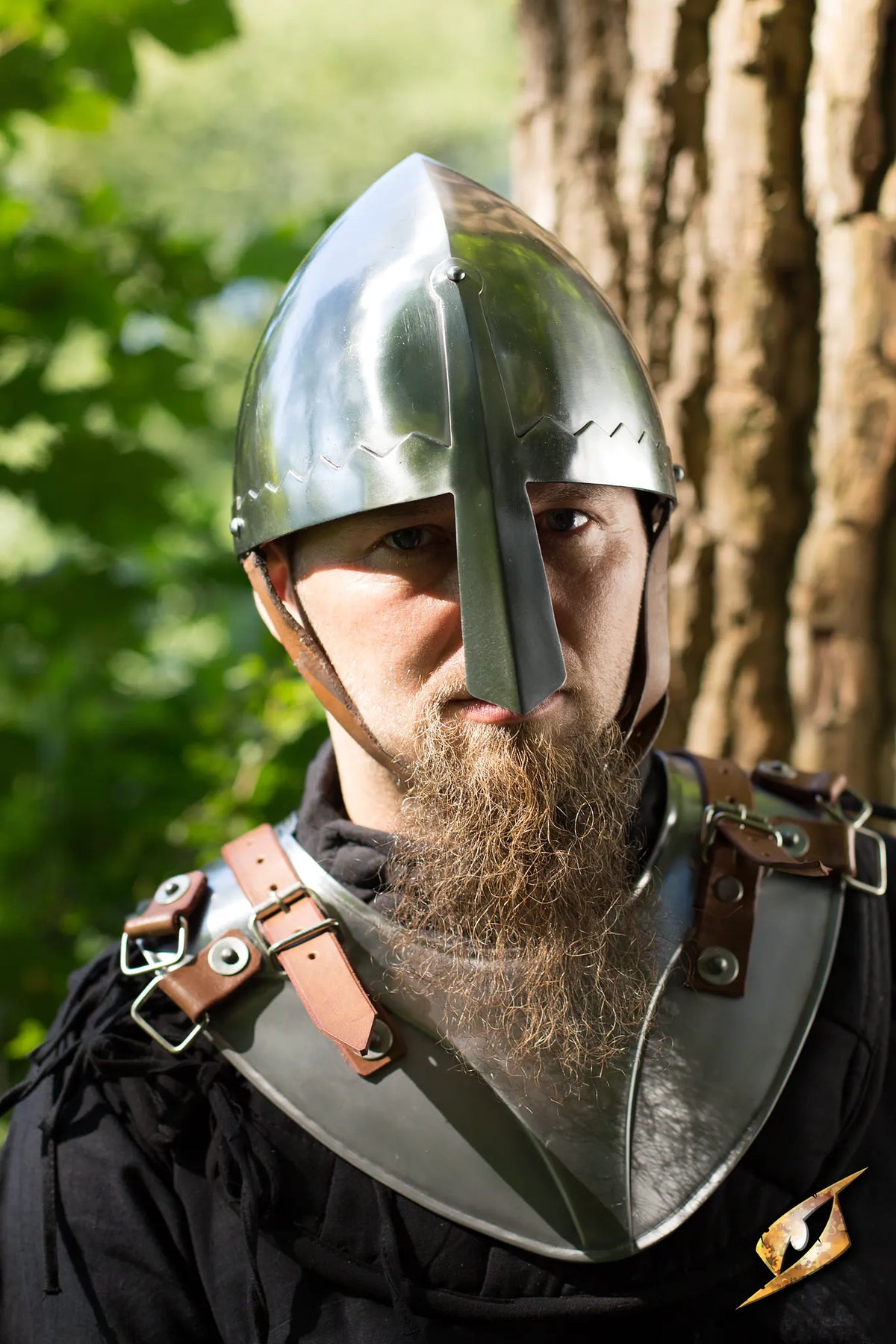
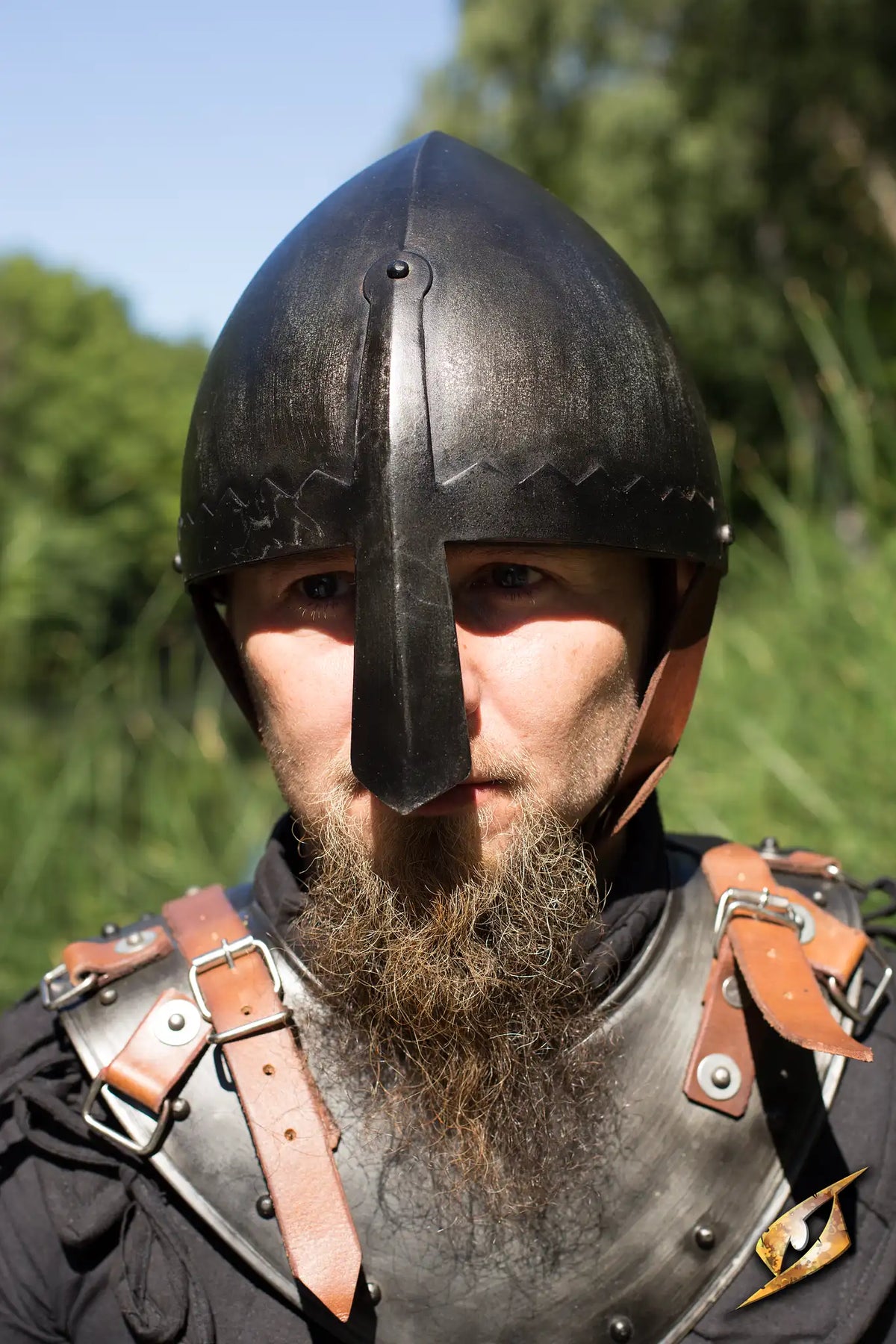
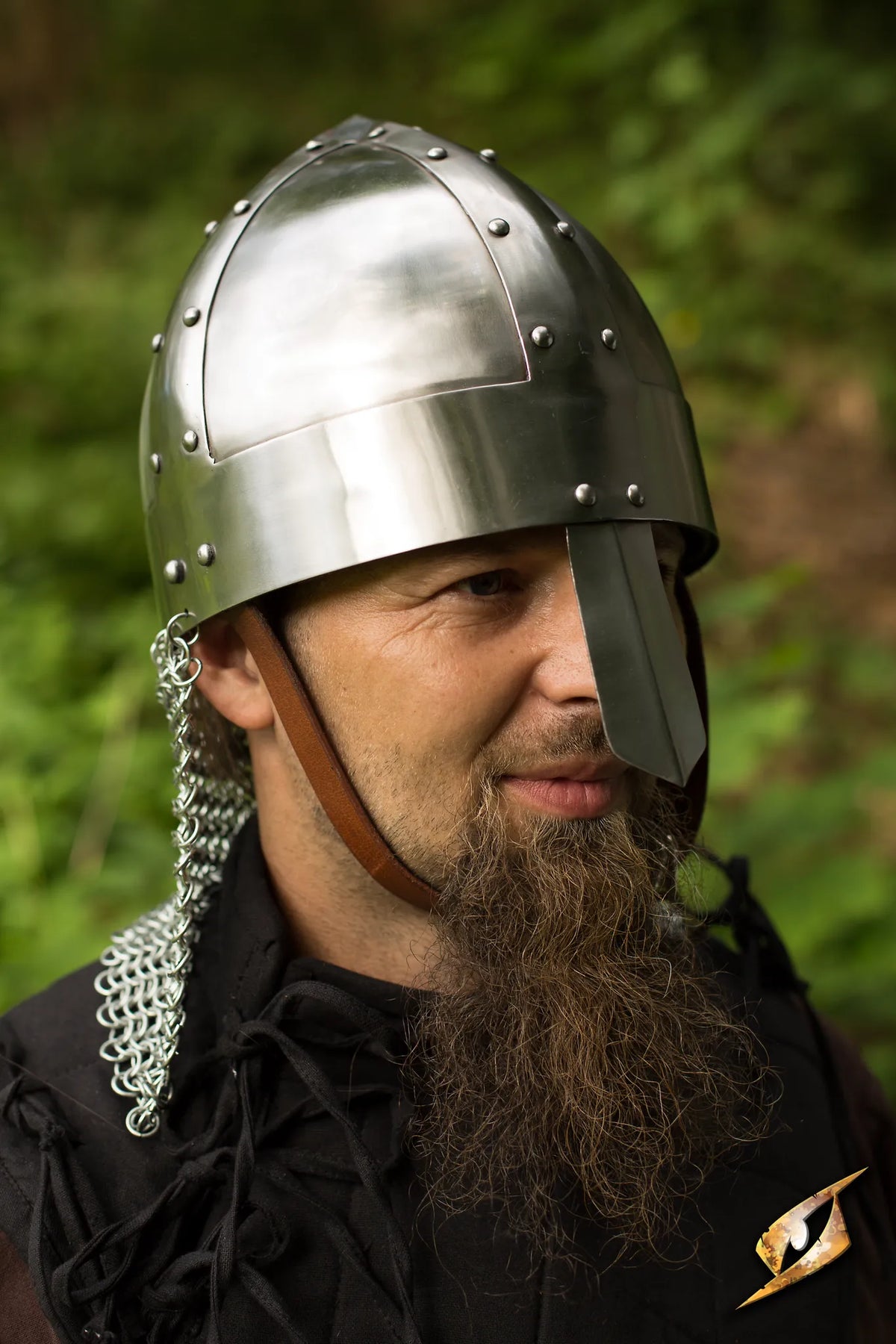
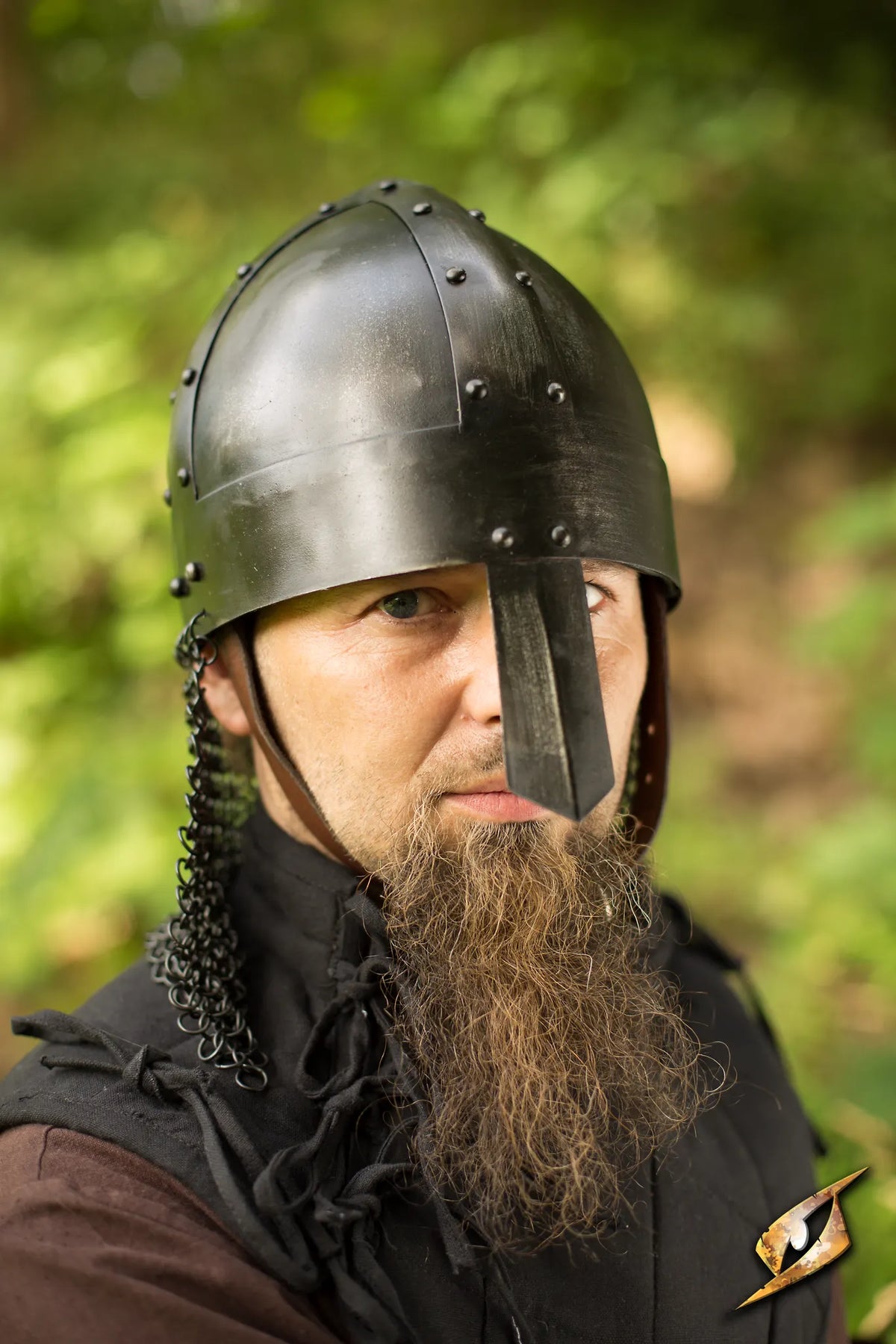
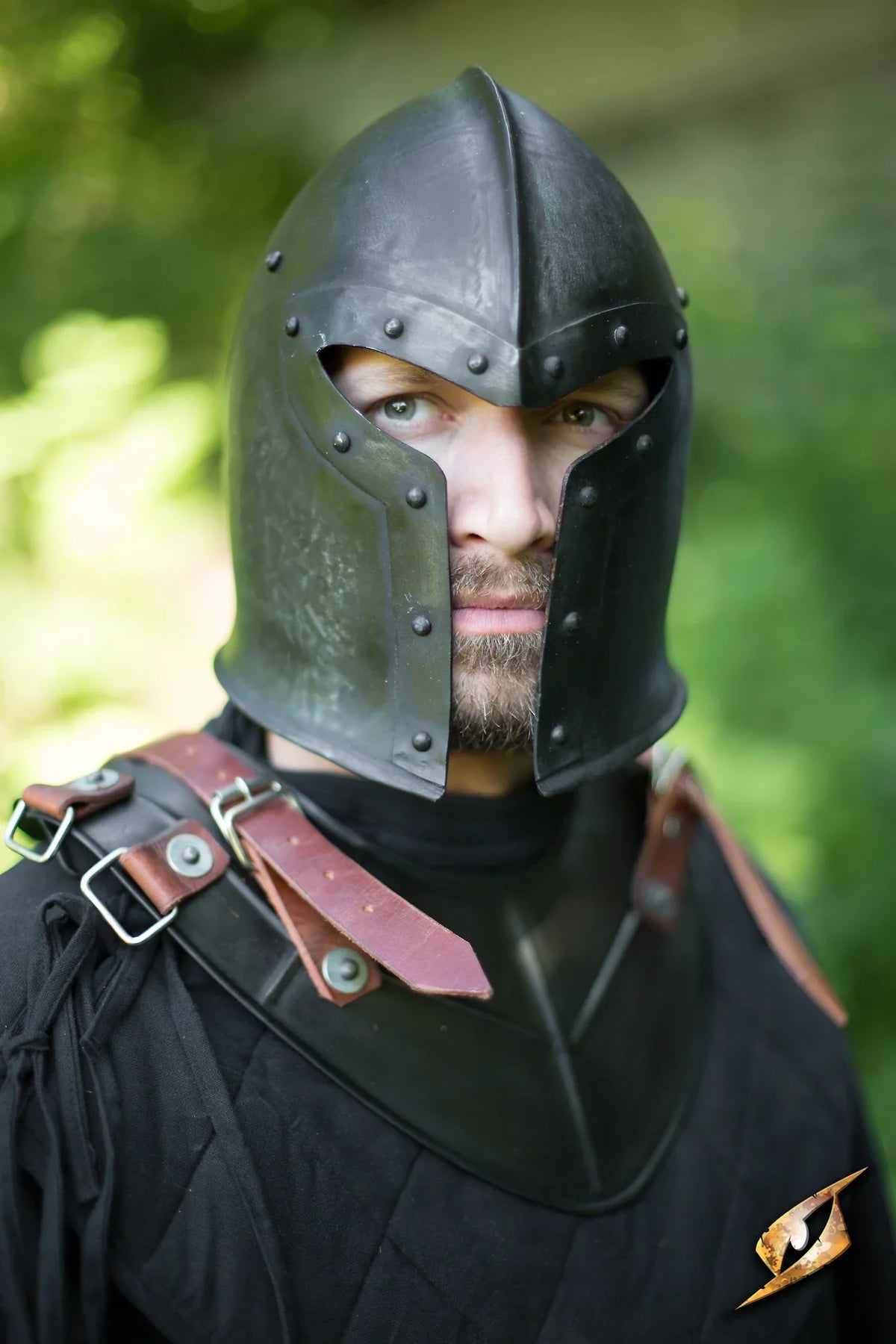
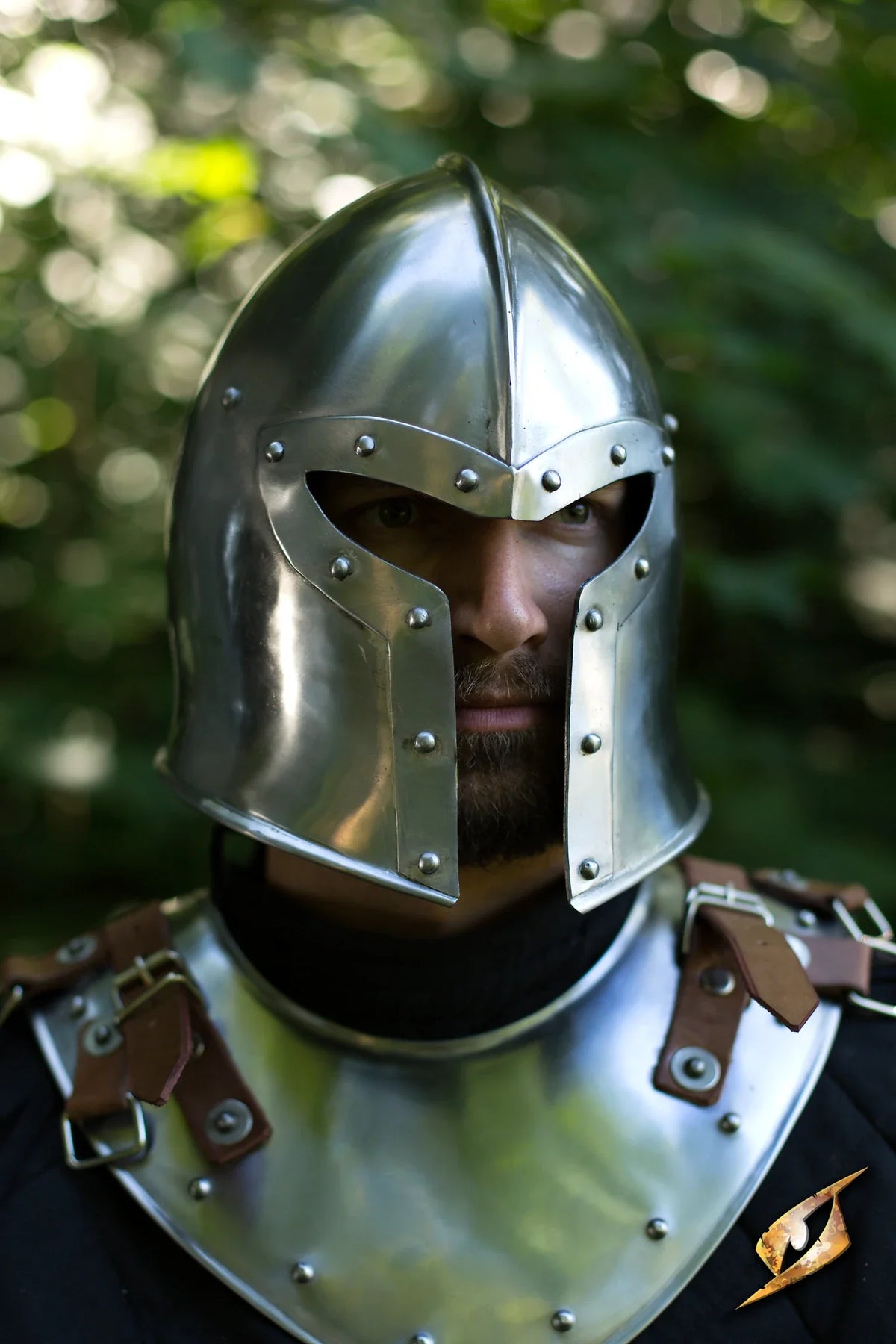
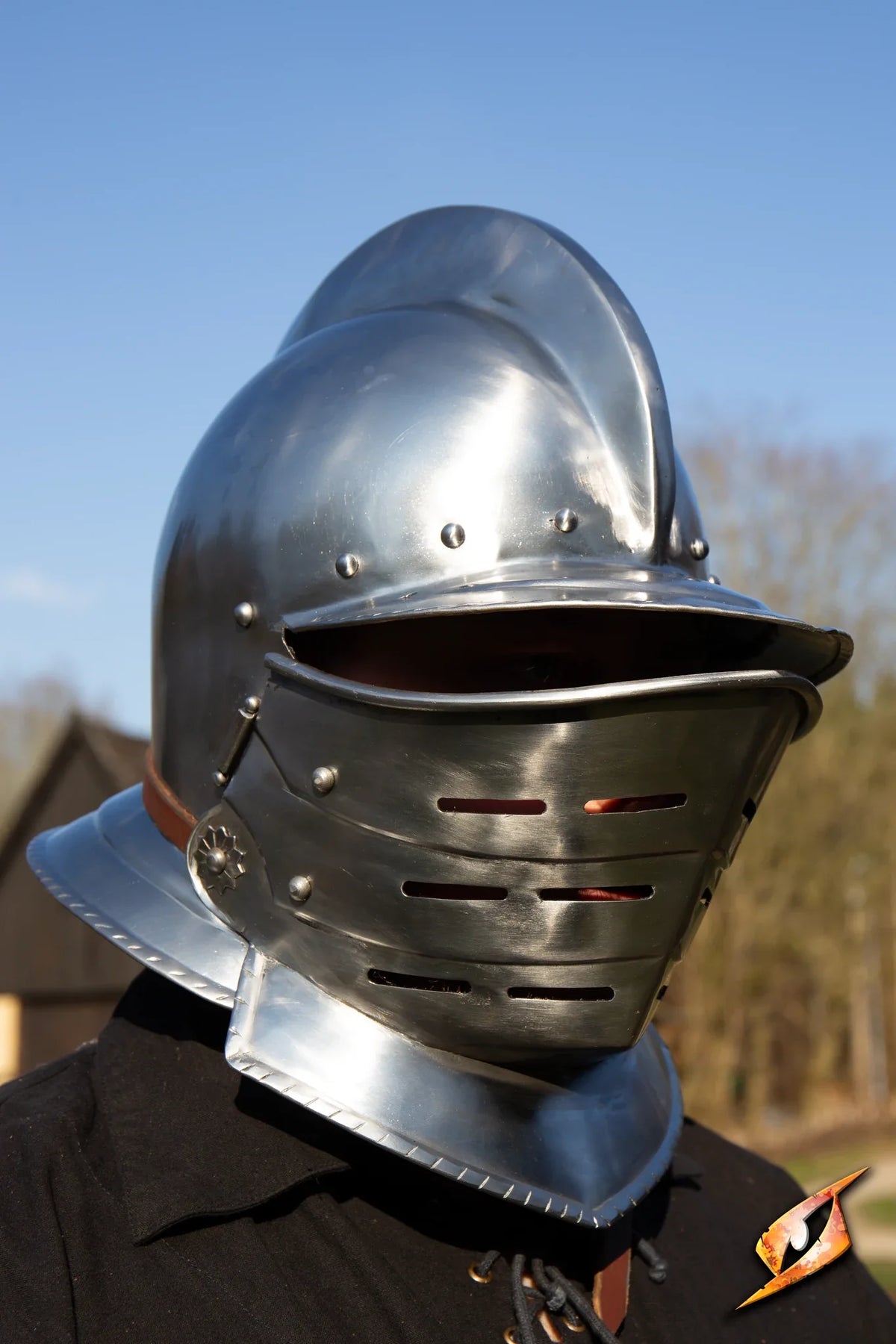
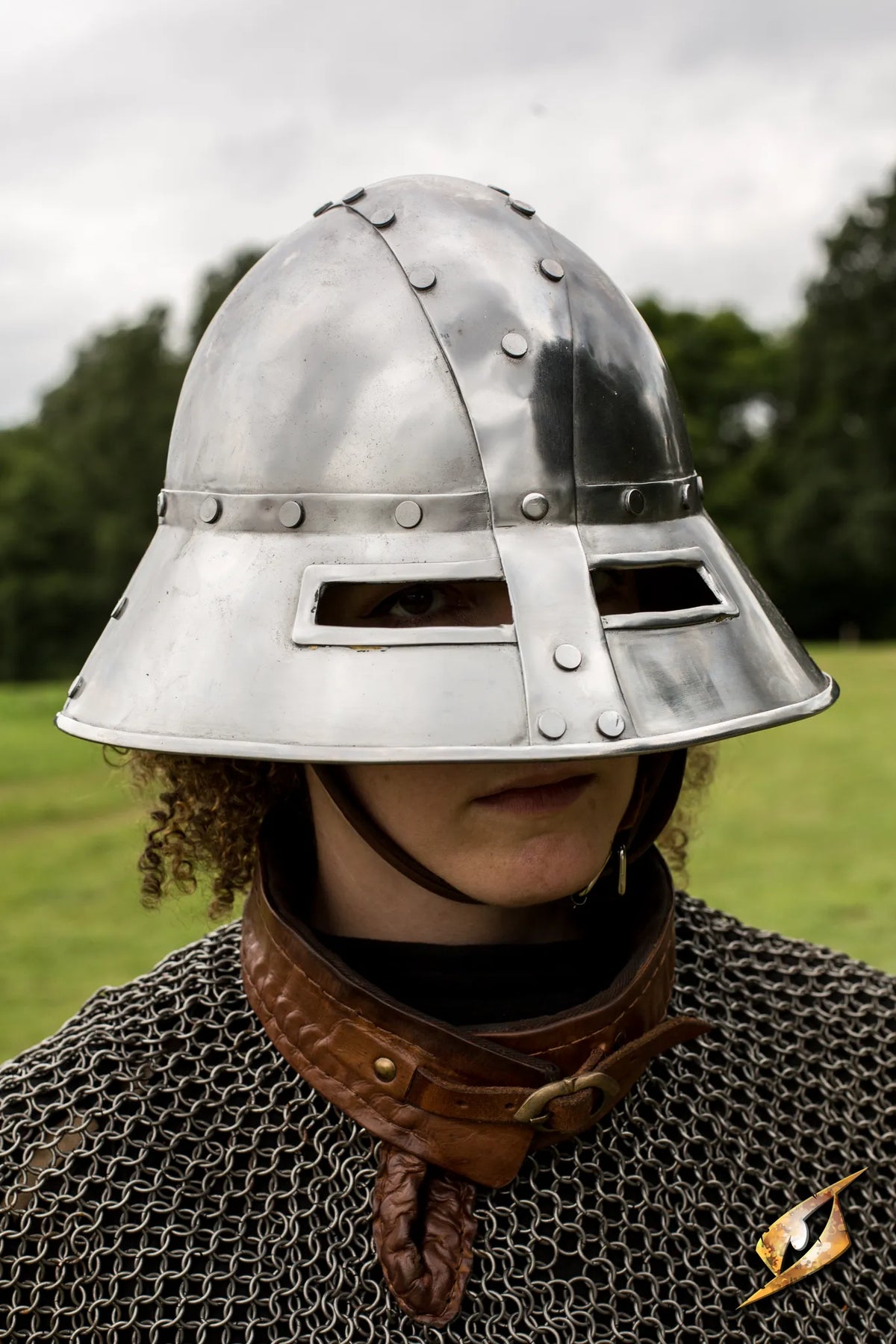
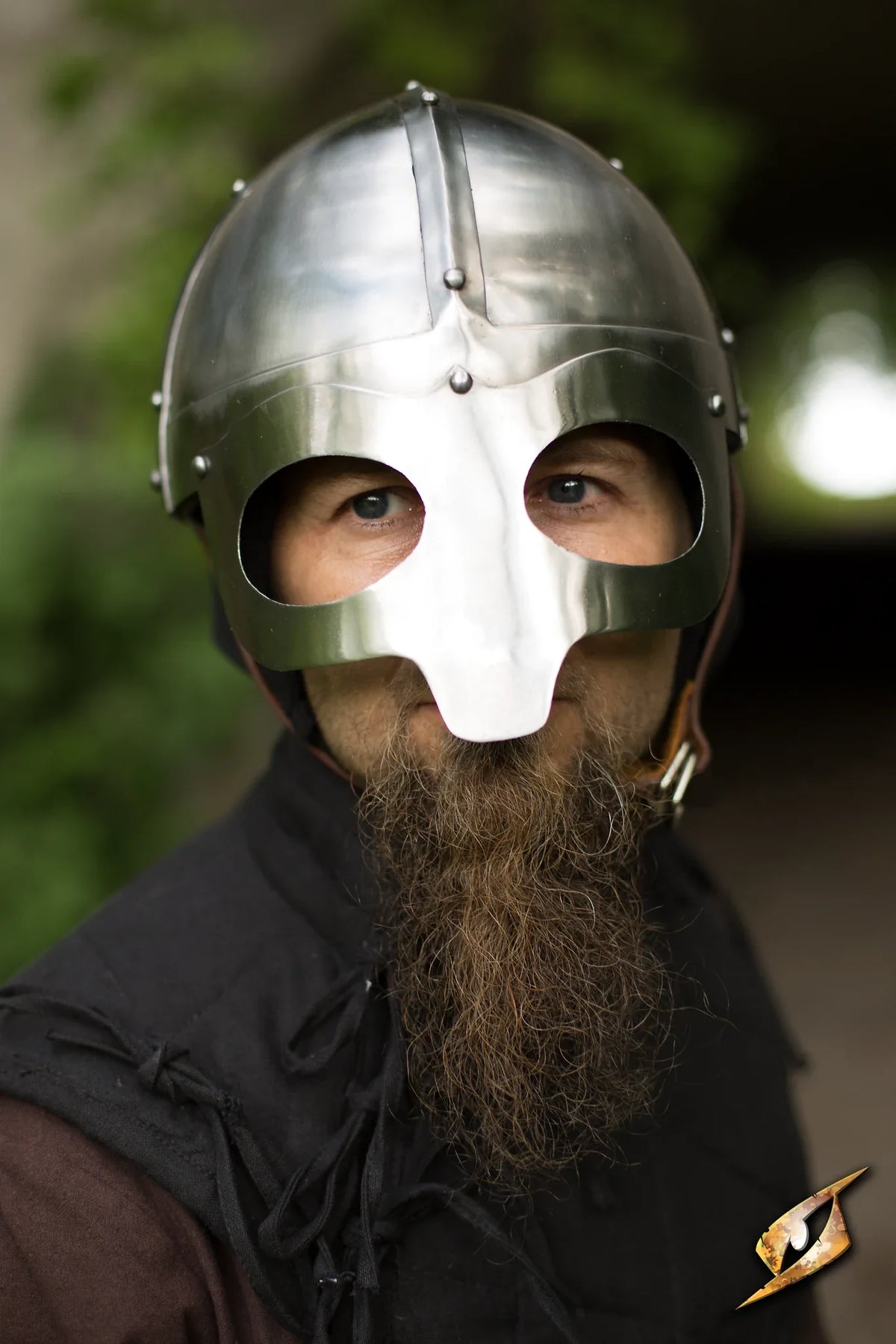
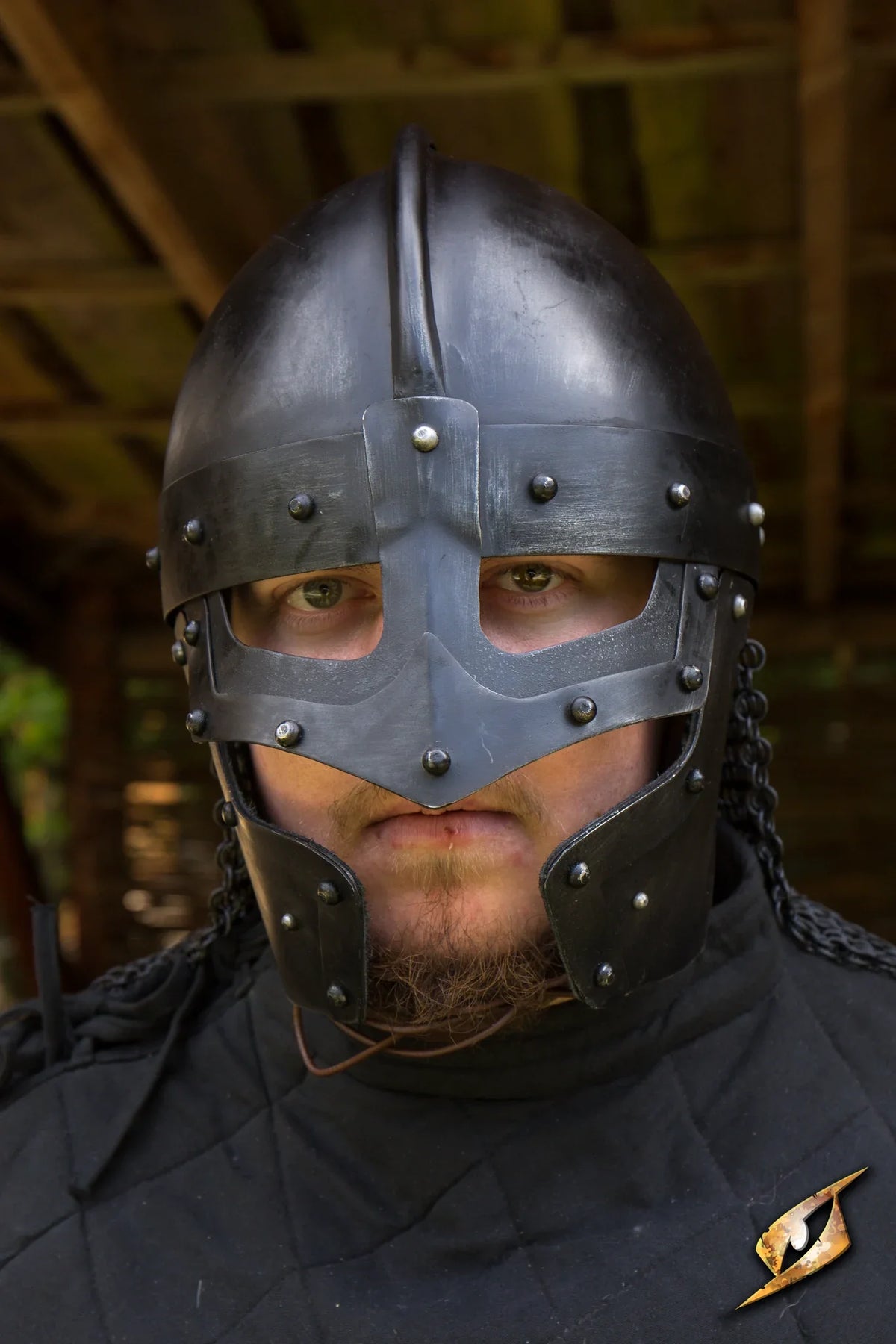
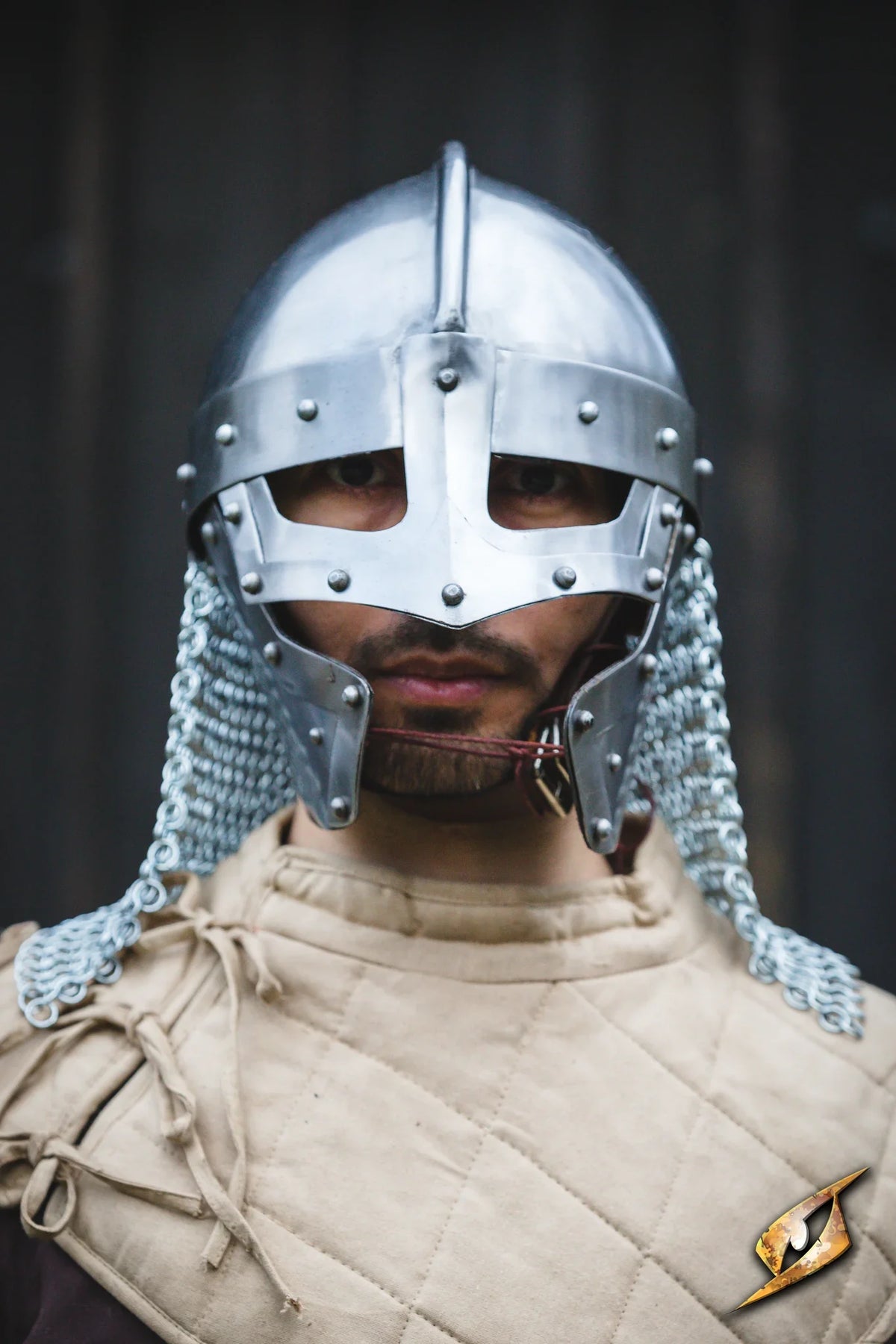
Medieval Helmets covers the broader sweep of medieval military headwear across all periods and regions: Norman nasal helmets, Viking spangenhelms, kettle hats, barbutes, and the full range of designs worn by soldiers and fighters from the early medieval period through to the 15th century.
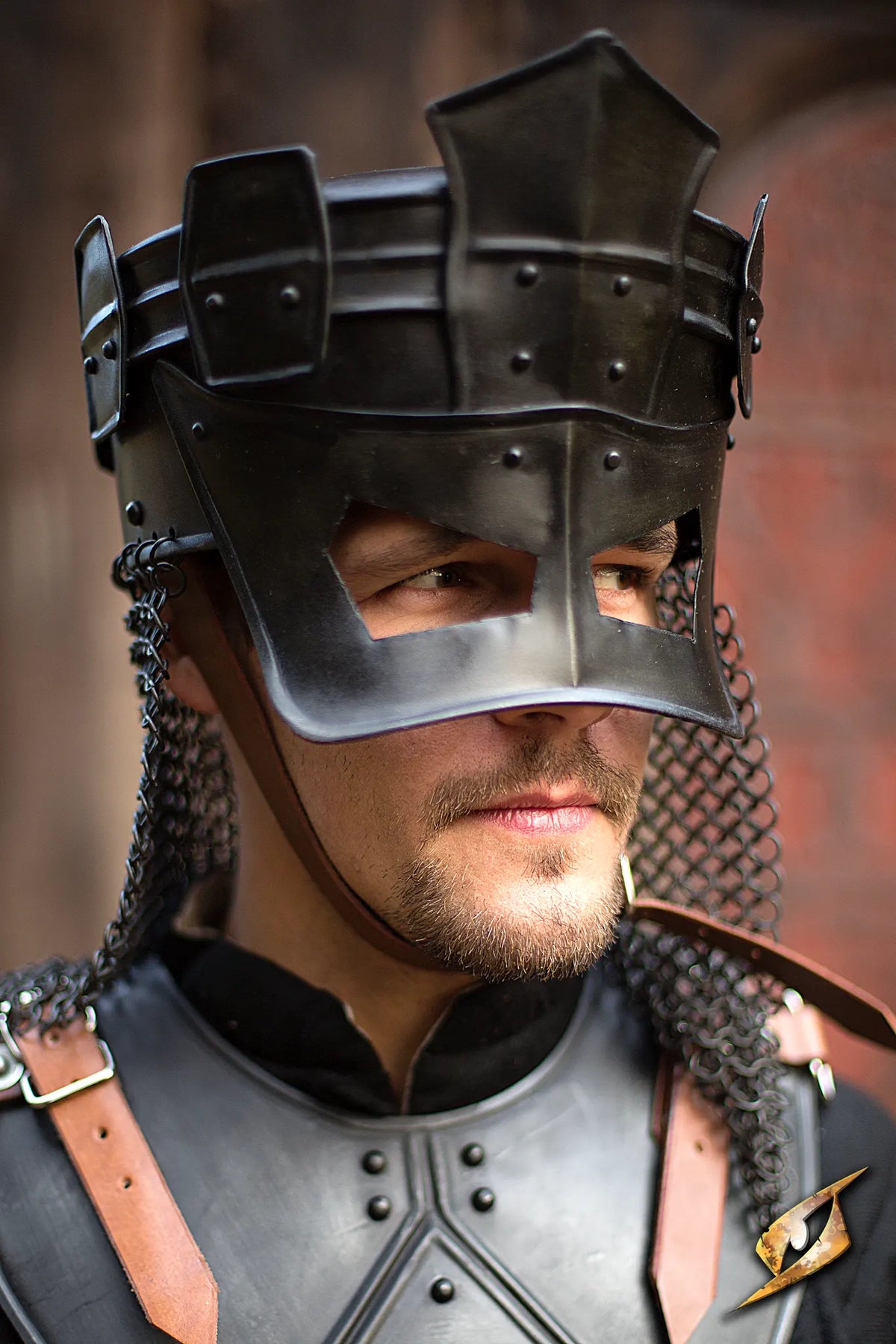
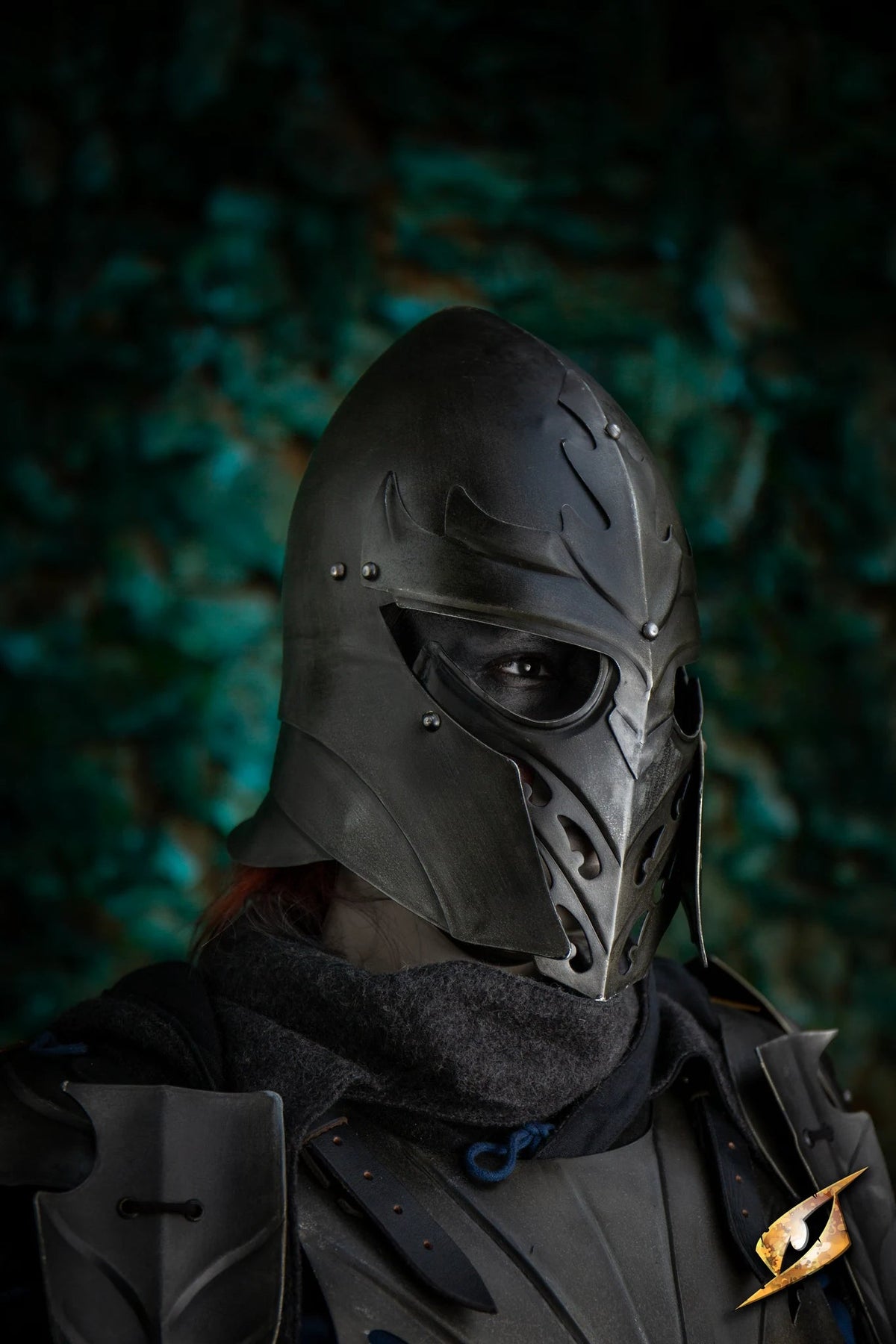
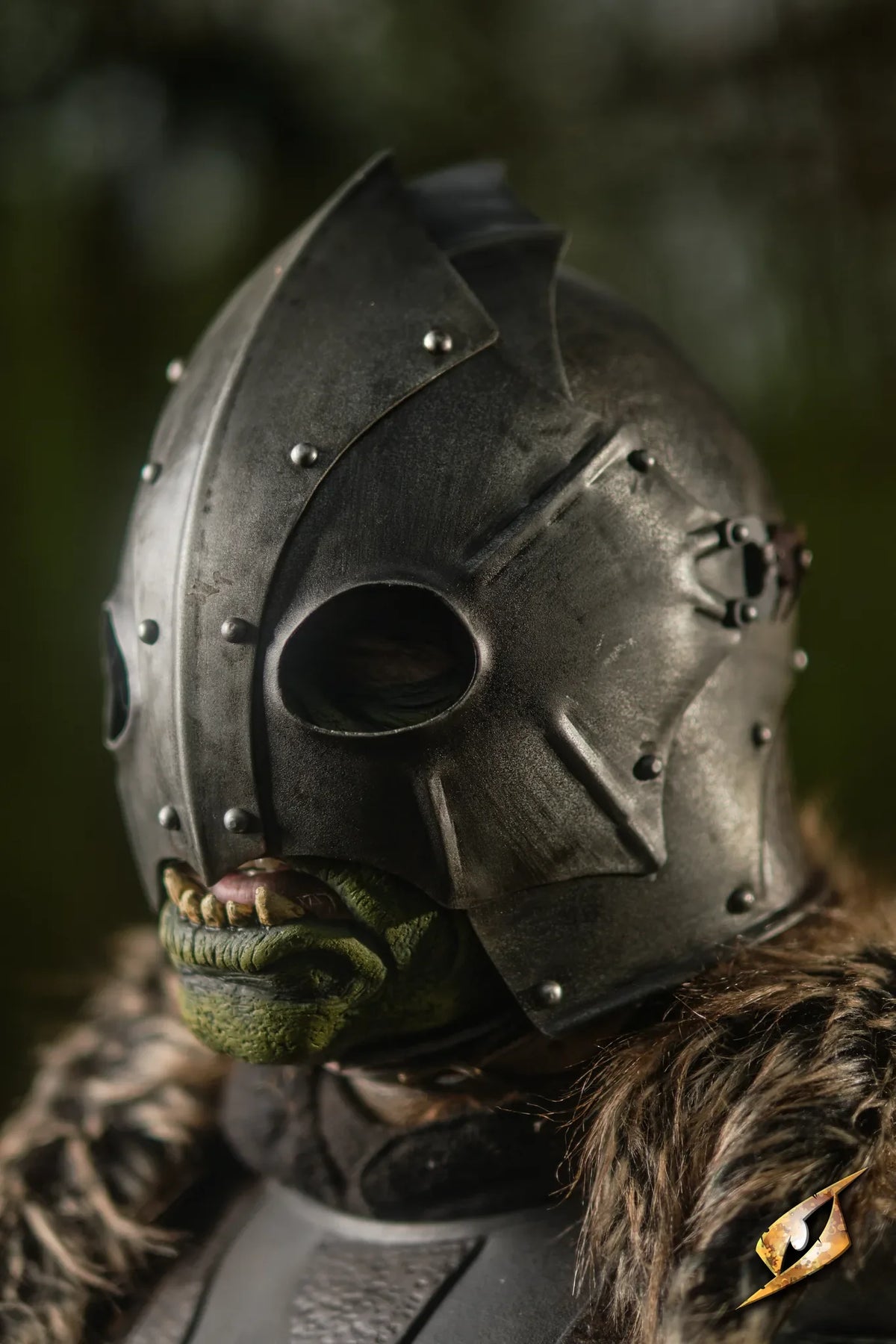
Fantasy Helmets covers designs that draw on historical tradition but push into more dramatic, otherworldly, or character-specific territory. These are the helmets for builds where historical accuracy is less important than visual impact and distinctive character.
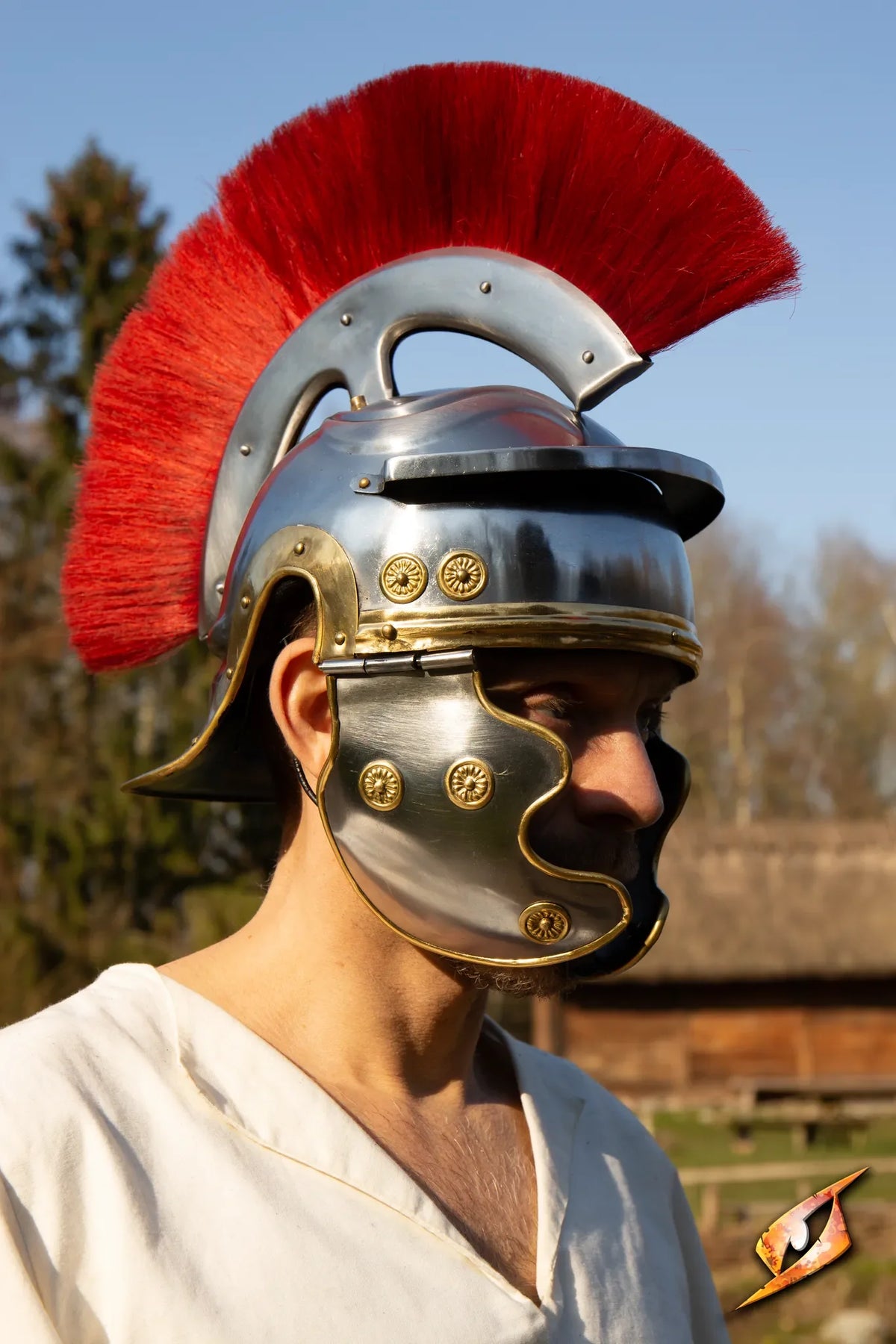
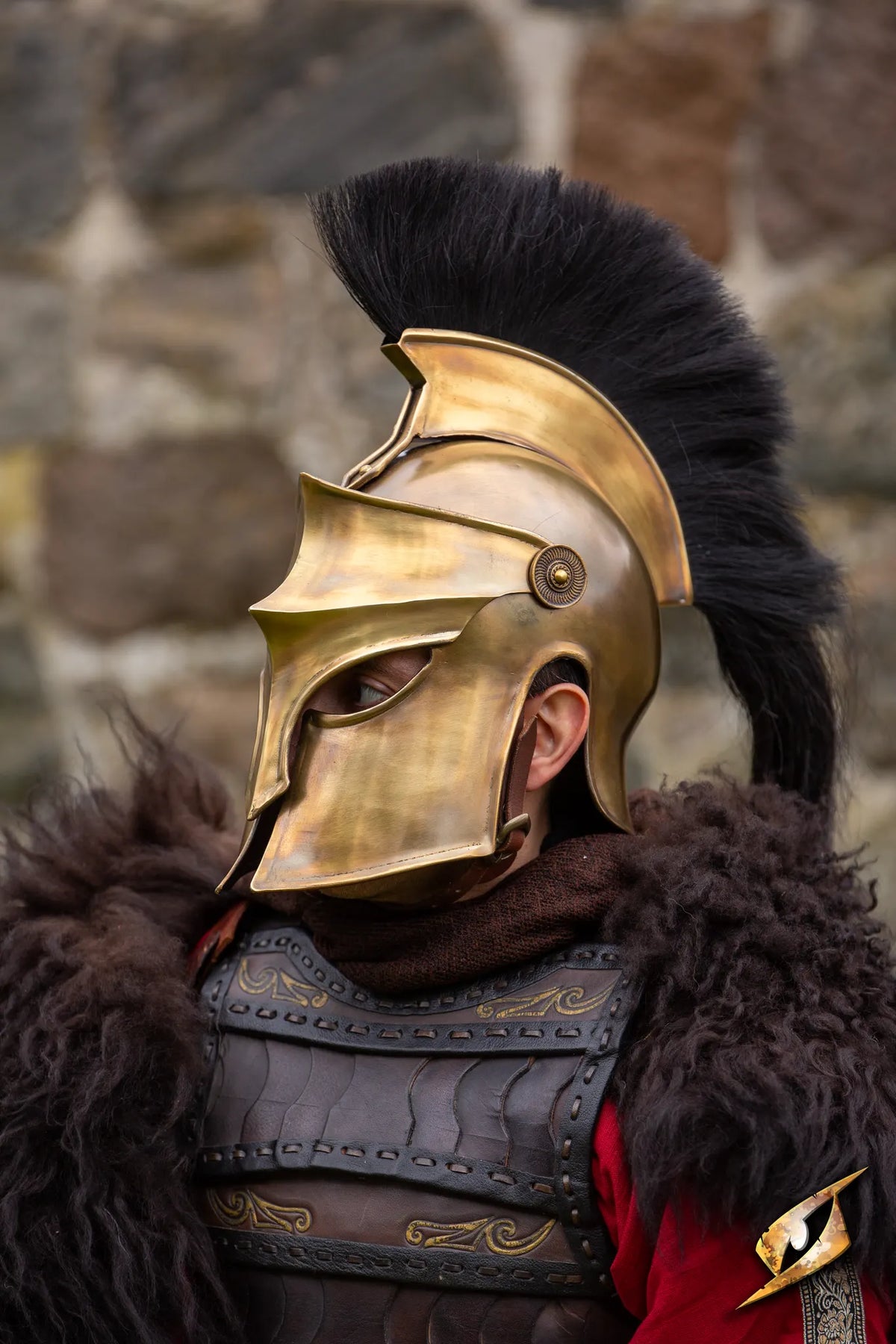
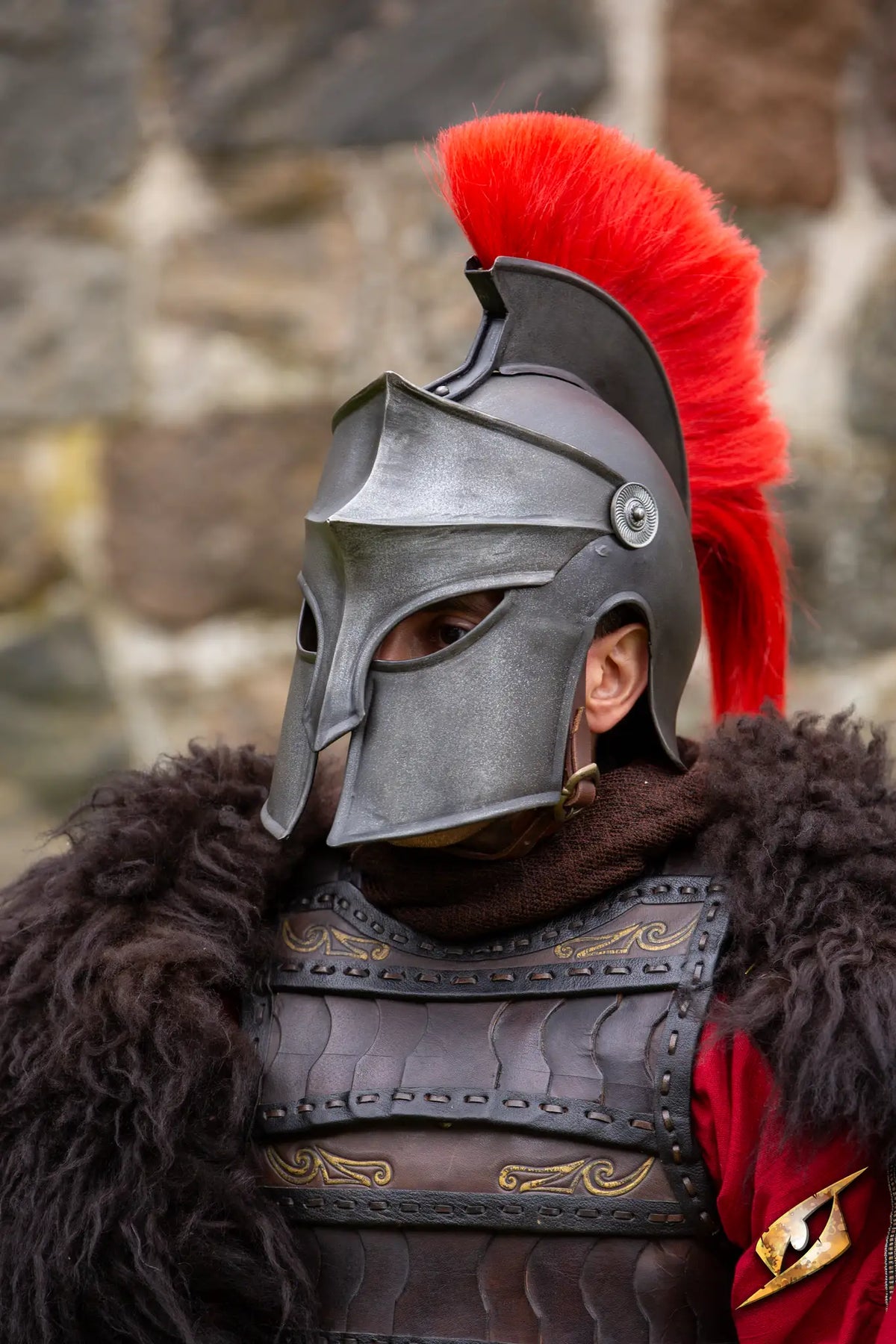
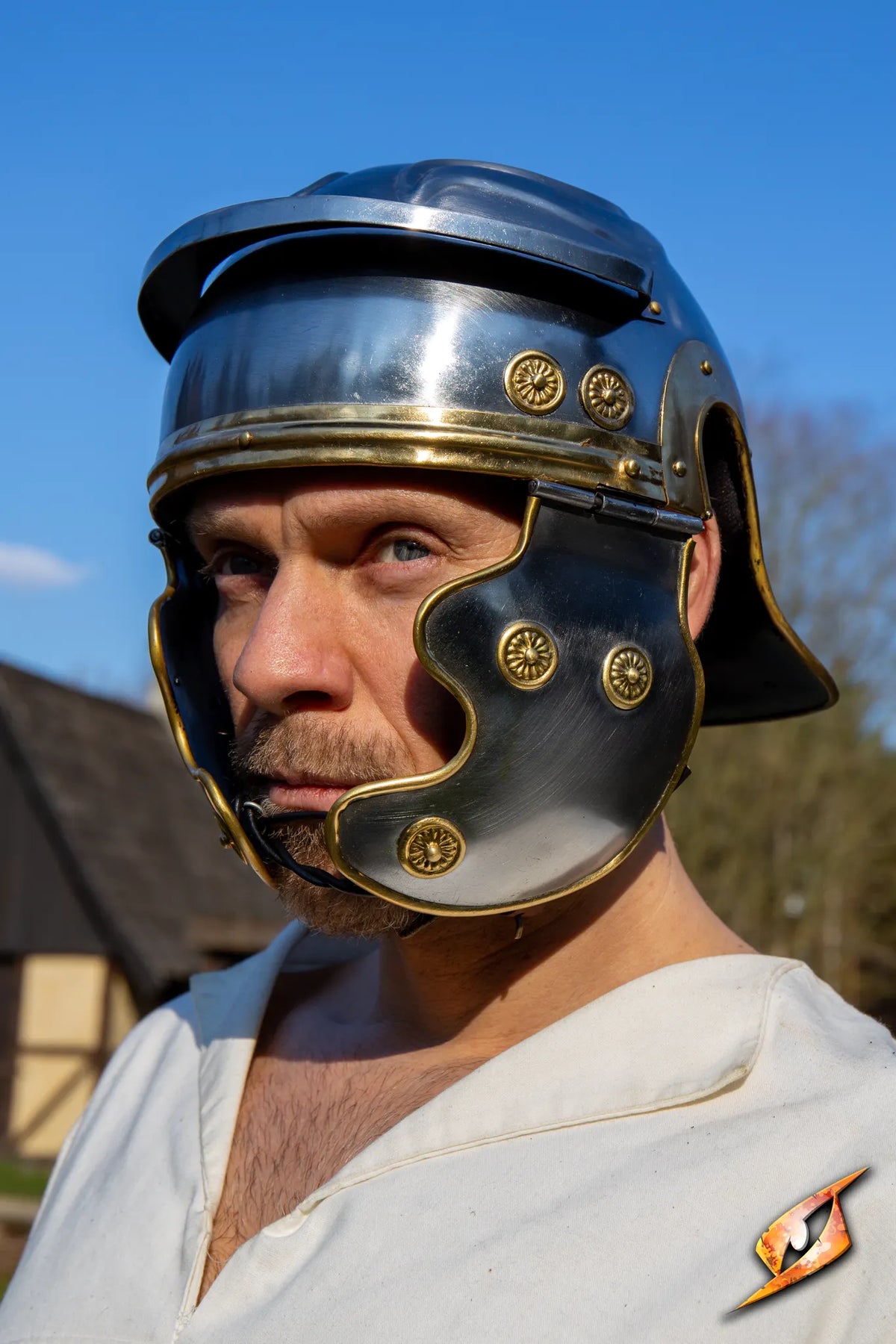
Greek and Roman Helmets covers classical antiquity: Corinthian helmets, Roman galea, Persian designs, and the helmets of the ancient Mediterranean military tradition.
For buyers who want to browse the full steel range without filtering by period or style, all thirty-two designs are available in this category.
How Steel Helmets Fit
Epic Armoury's steel helmets come with a leather inlay inside the helmet, allowing for internal adjustment and a more comfortable fit across different head sizes. This makes the fit more forgiving than a fixed rigid shell. Some designs are available in additional sizing — check individual product pages for guidance.
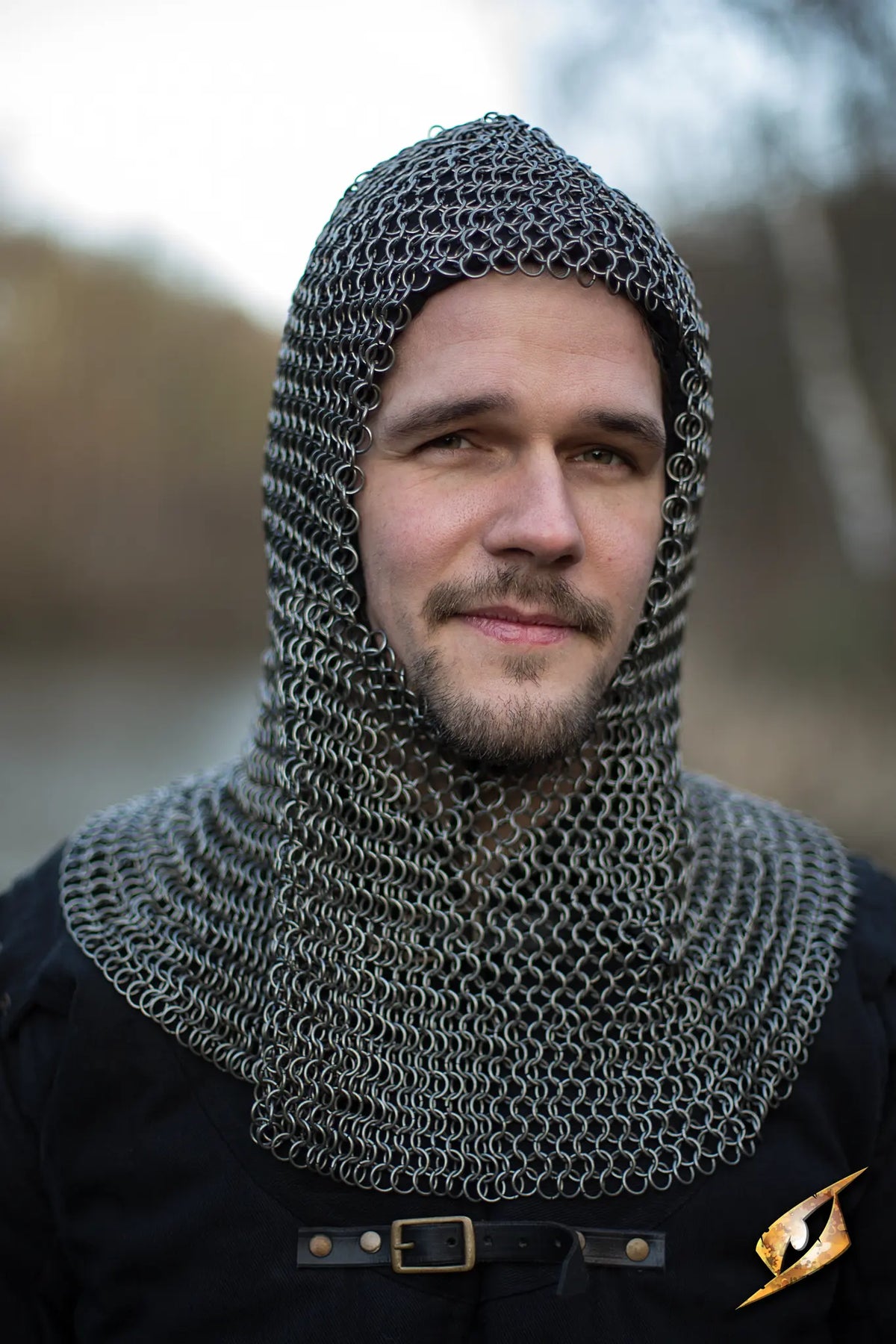
Steel helmets are heavier than leather or PU equivalents, so factoring that into your planning for full-day events is worthwhile. Wearing a coif or arming cap underneath adds comfort, distributes weight more evenly, and looks period-correct for most historical builds.
How to Choose Your Steel Helmet
Start with the period or style you are building toward. The four subcategory pages break the range down by historical tradition and make it easier to find the right design for a specific build. If you are not tied to a specific period, browsing the full range here gives you the widest view of what is available.
Beyond period, consider weight and coverage. Some designs in the range are open-faced, which is cooler and gives better visibility but less facial coverage. Others are more enclosed, which suits combat-heavy events but can become warm during longer wear. Neither is better — they suit different events and different builds.
How to Care for Steel Helmets
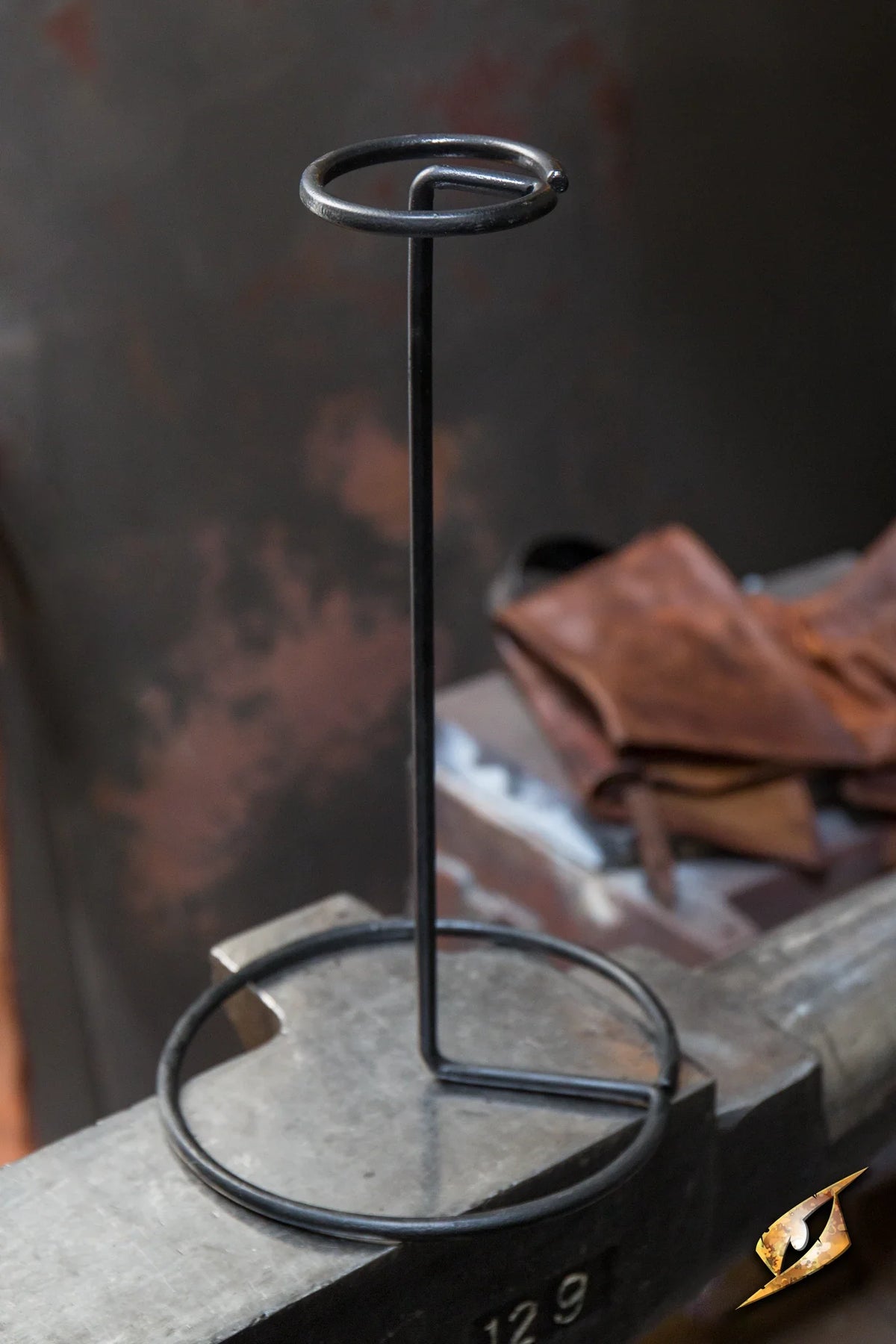
Steel requires more maintenance than leather or PU but the process is straightforward. After events, wipe the surface dry to remove moisture and sweat, which are the primary causes of rust. Apply a light coat of oil to the surface periodically to protect against corrosion. Store in a dry place away from damp, and use the Helmet Stand Metal in Black to keep the helmet in shape and allow air circulation between events.
Surface rust, if it develops, can be removed with fine steel wool and treated with oil before it progresses. Catching it early keeps the process simple.