






Recently viewed products
Suits of Armor
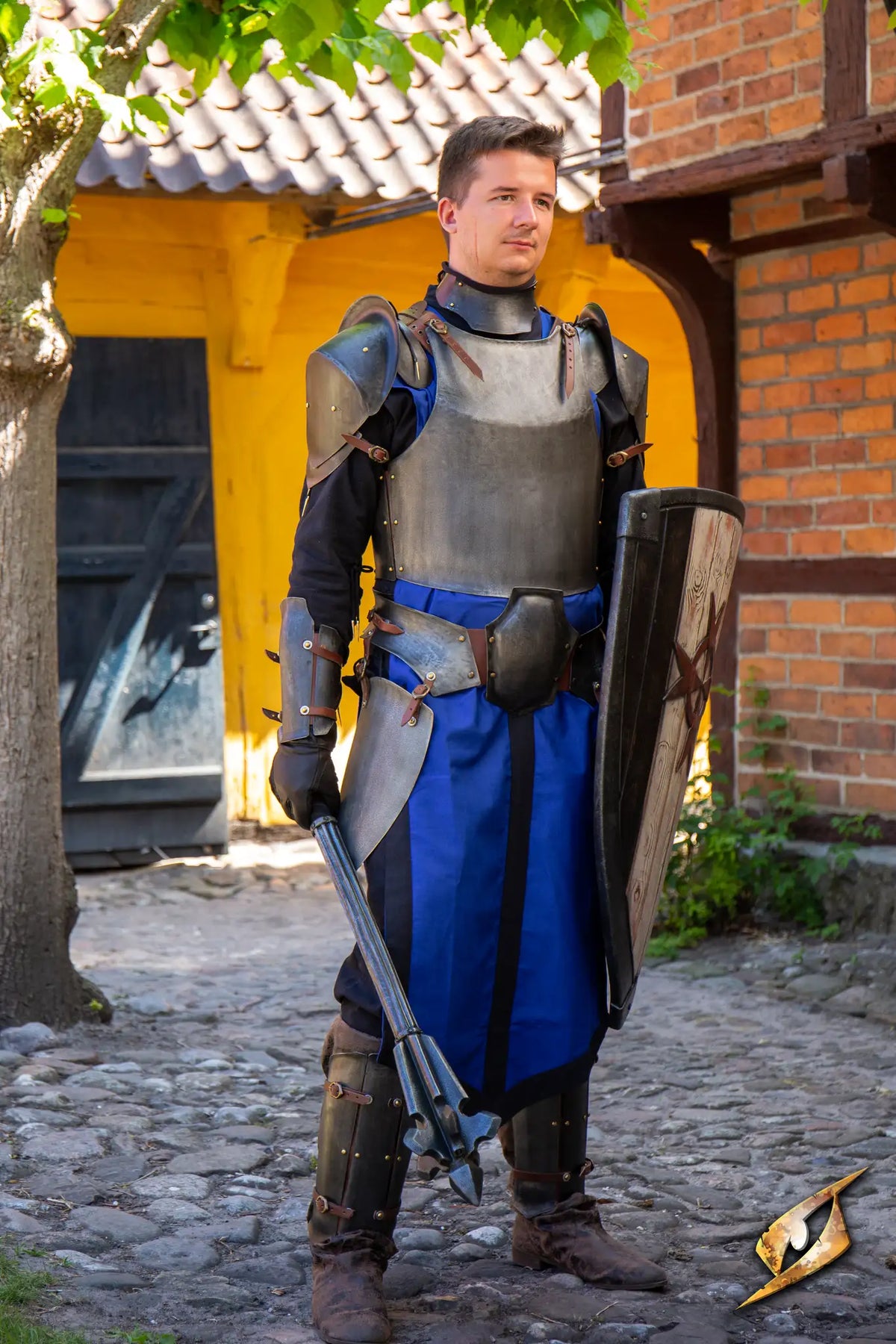
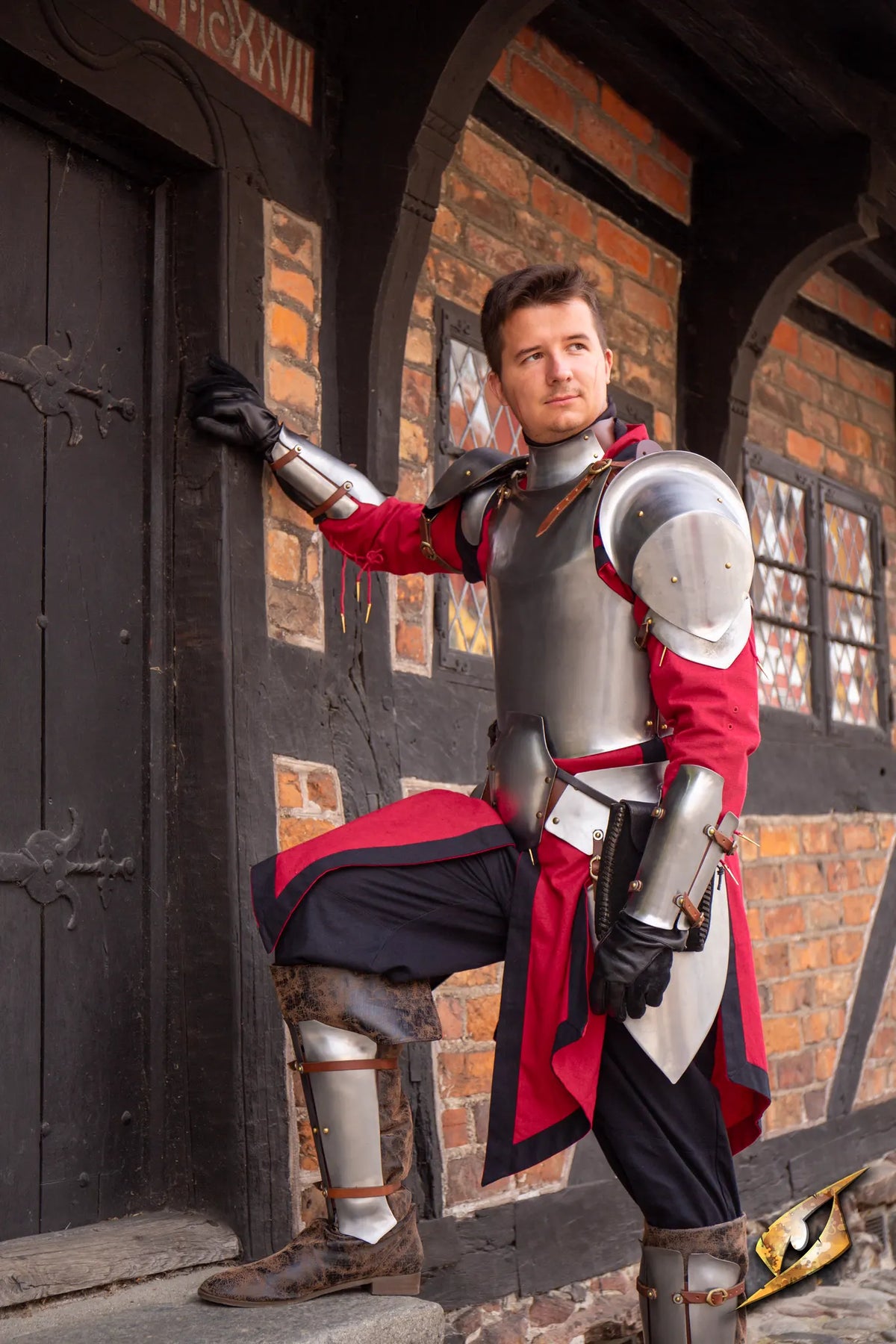
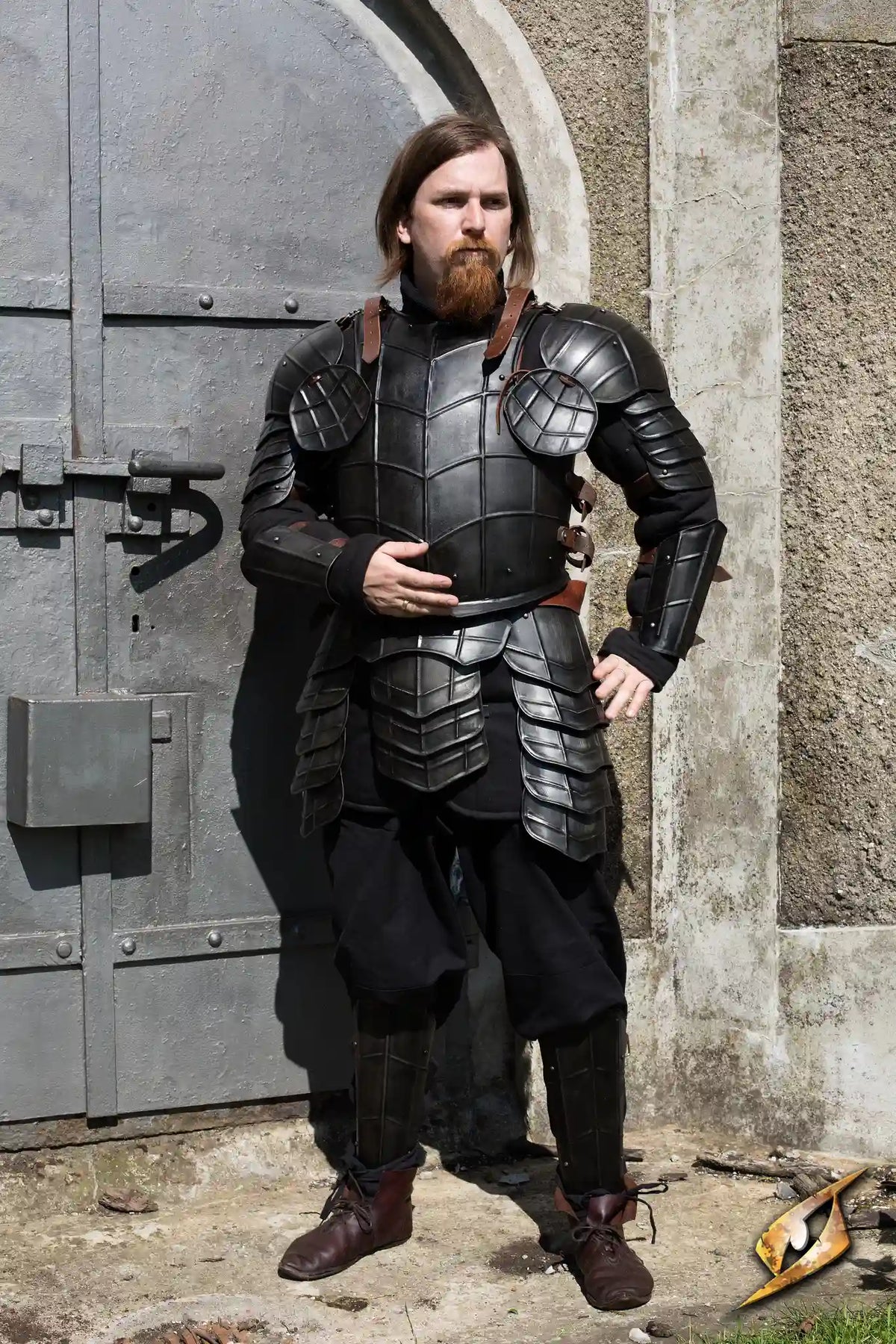
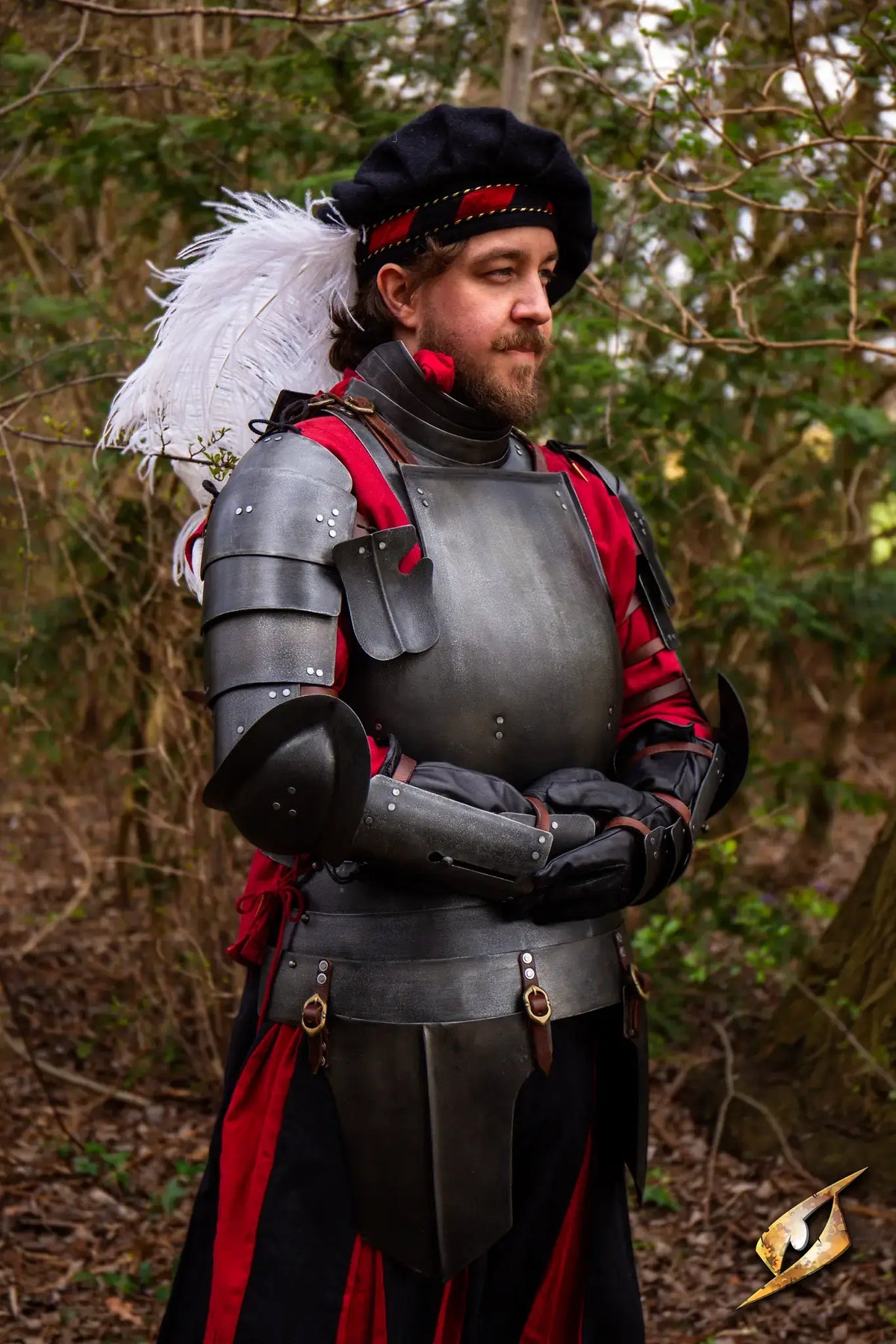
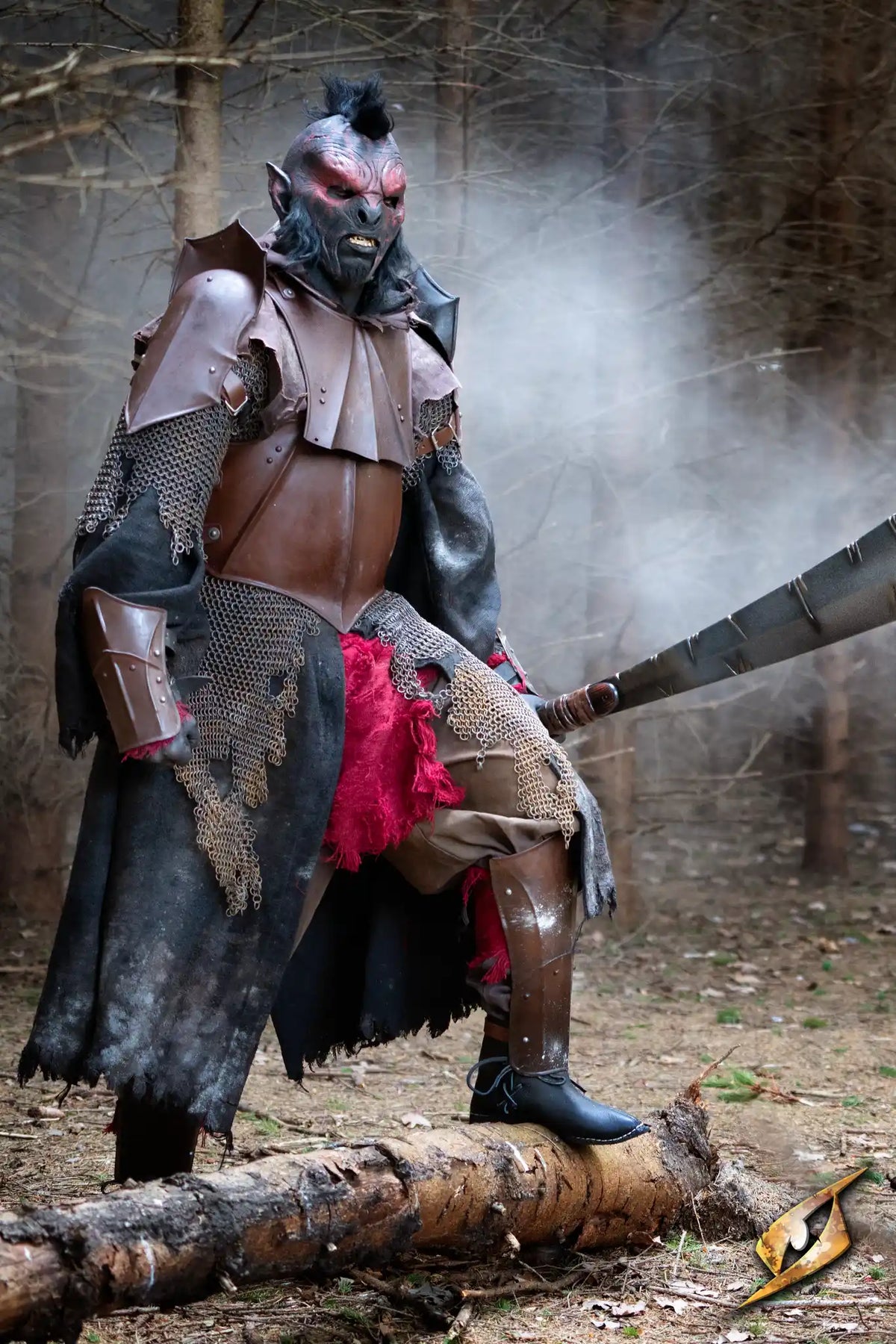
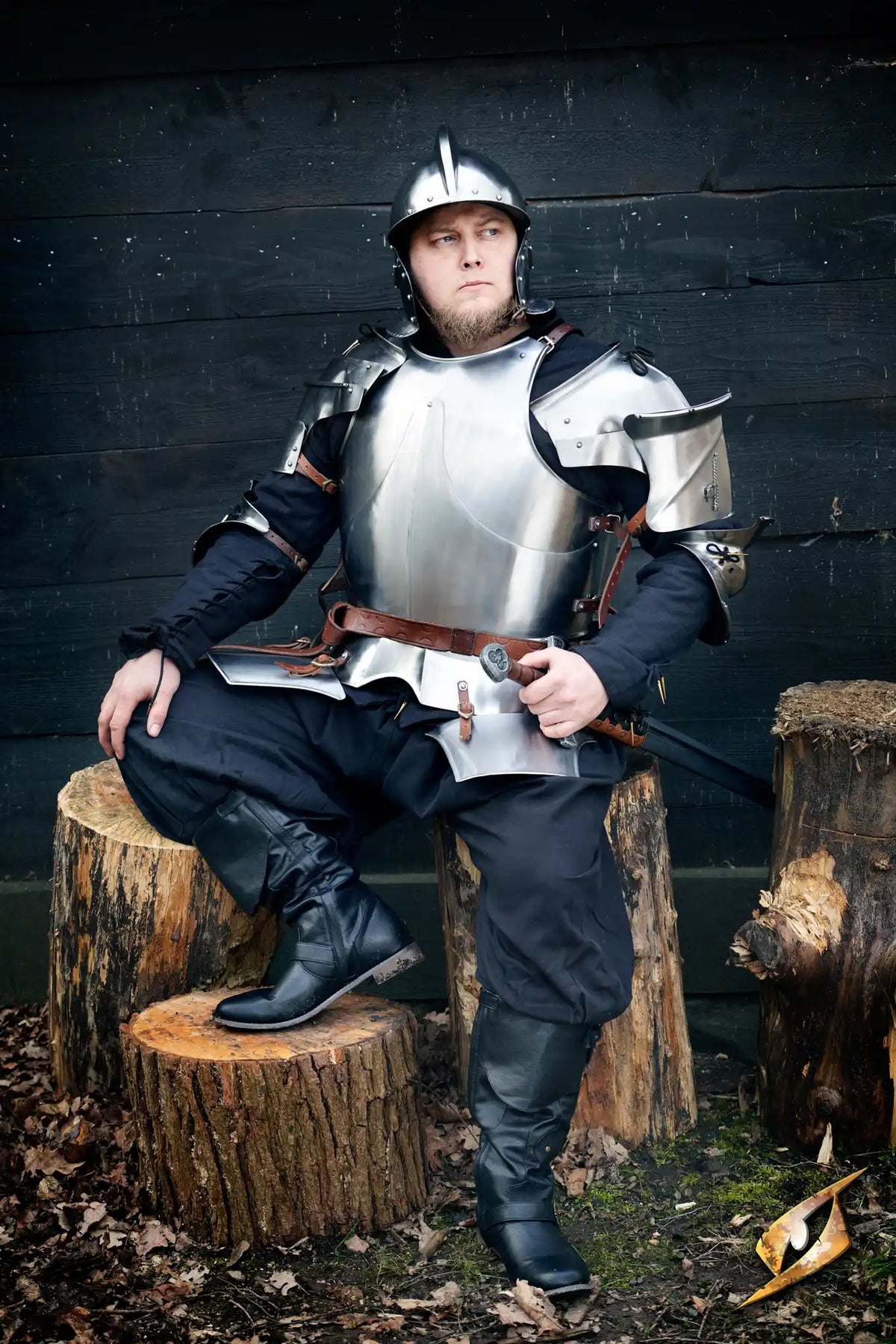
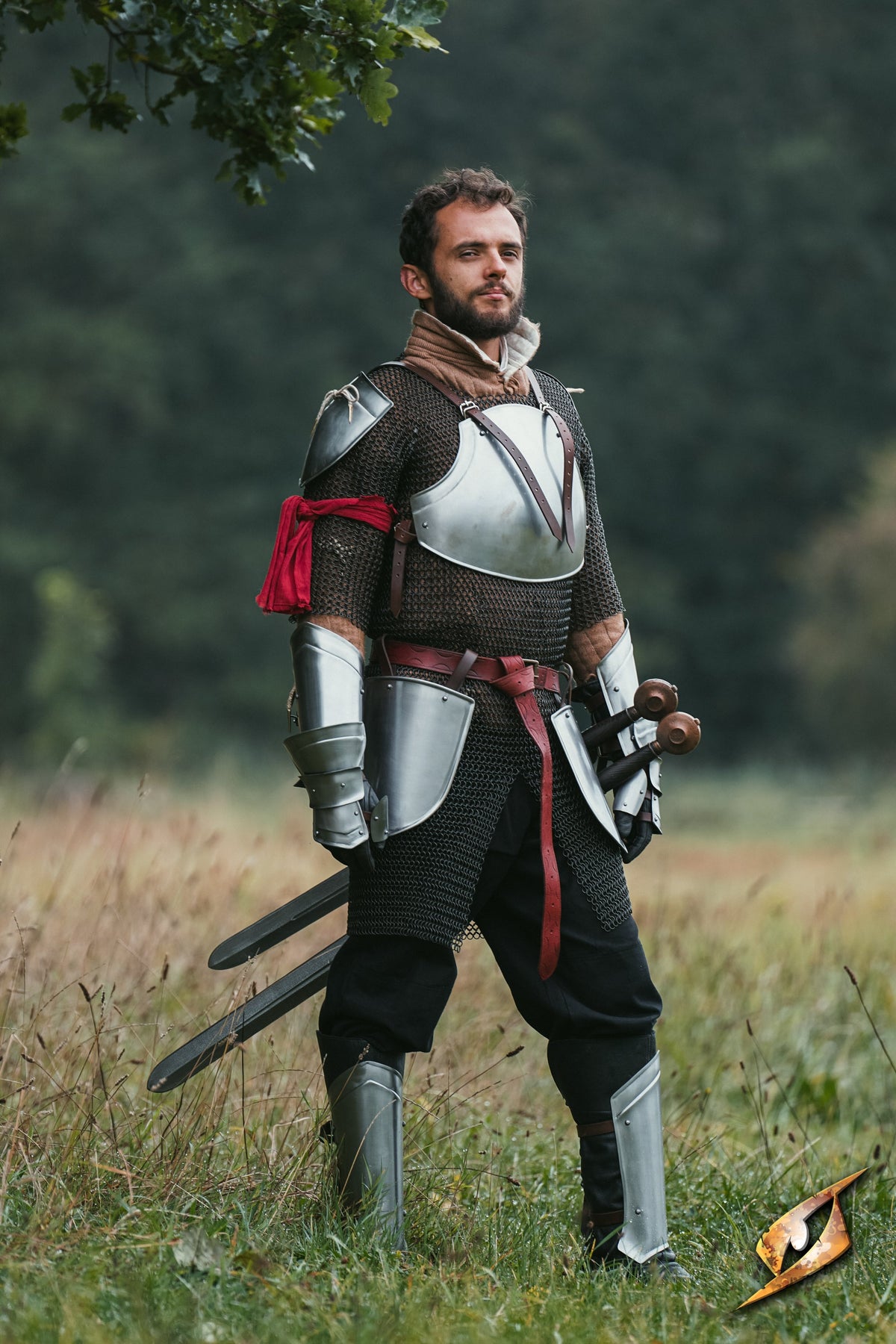
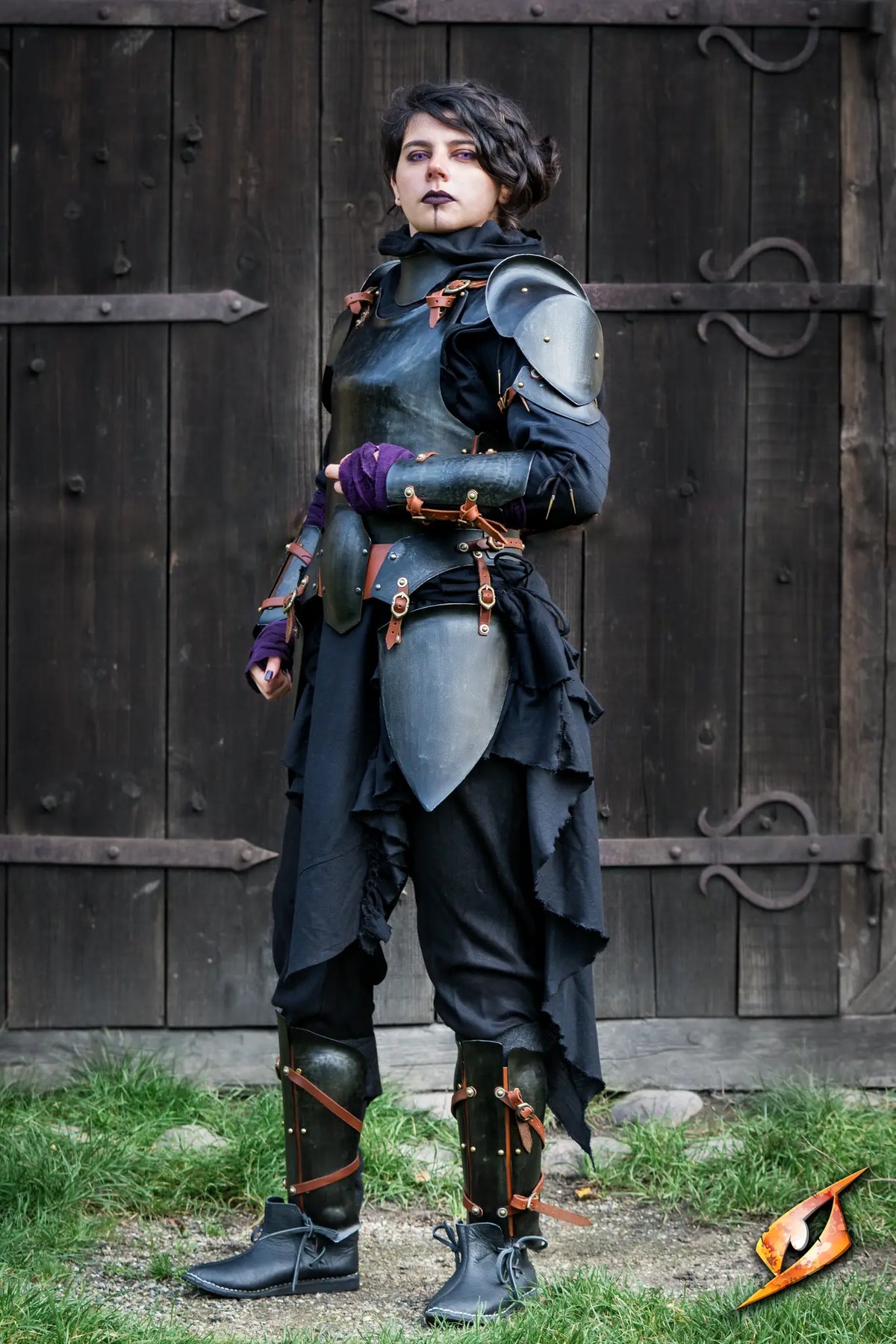
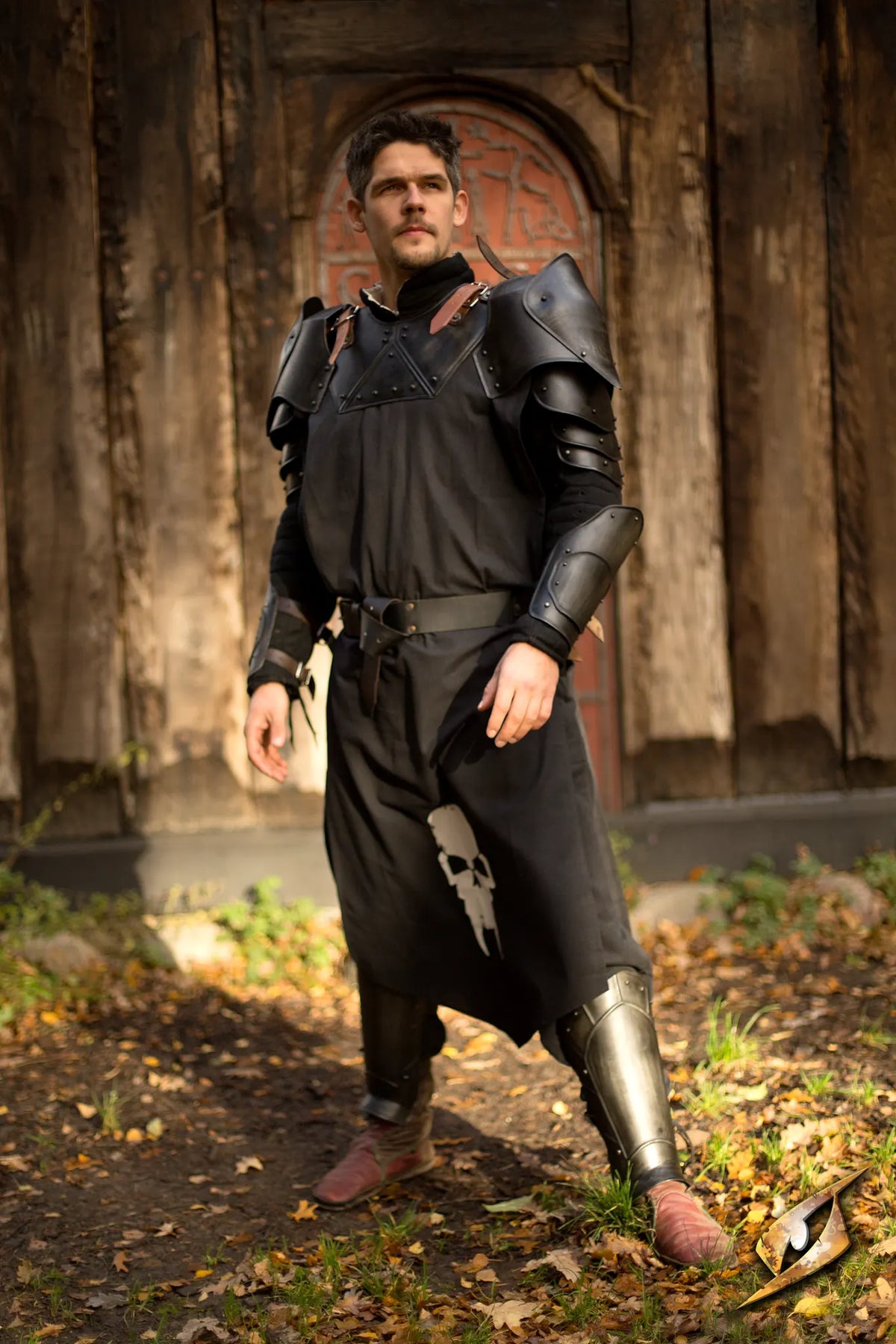
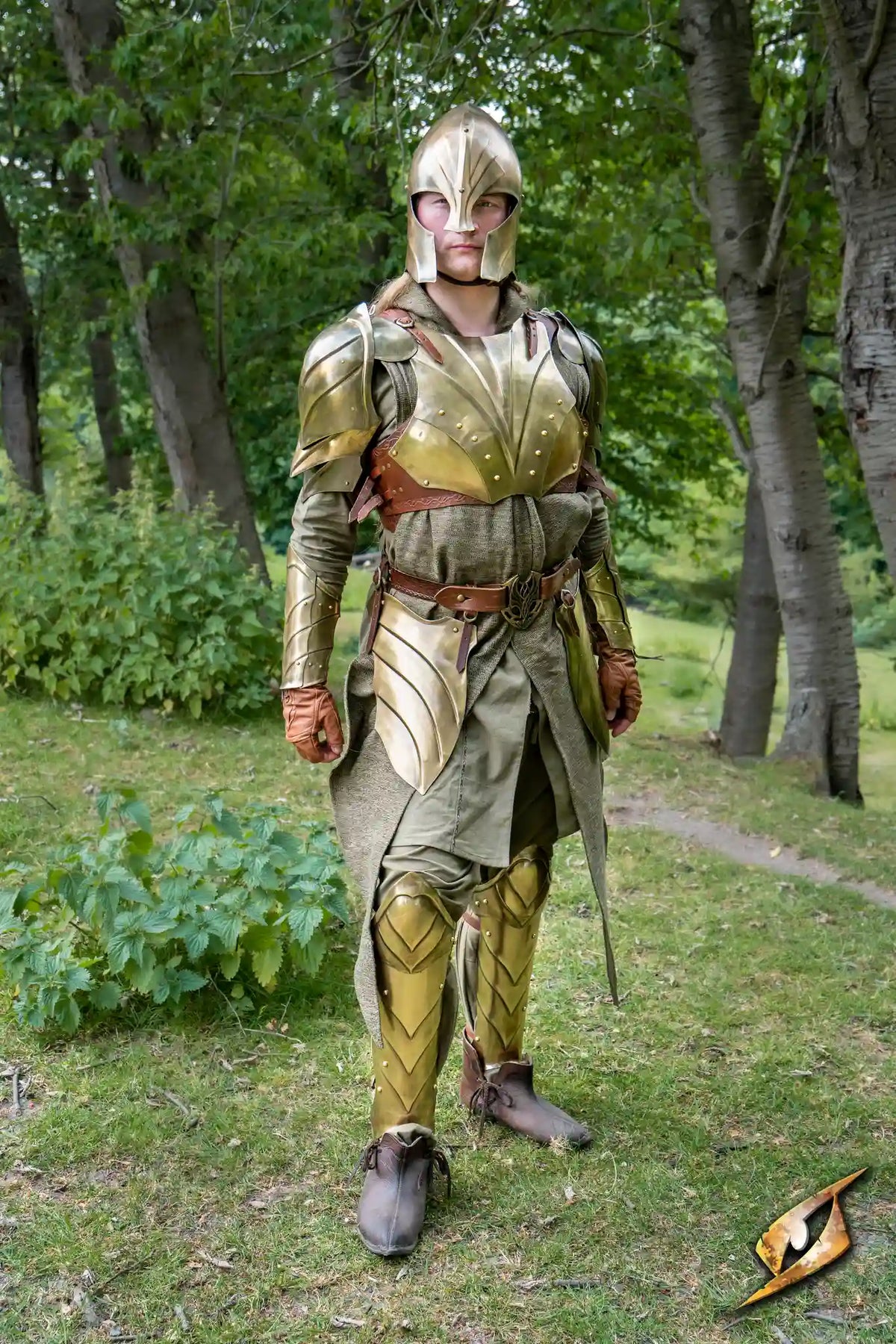
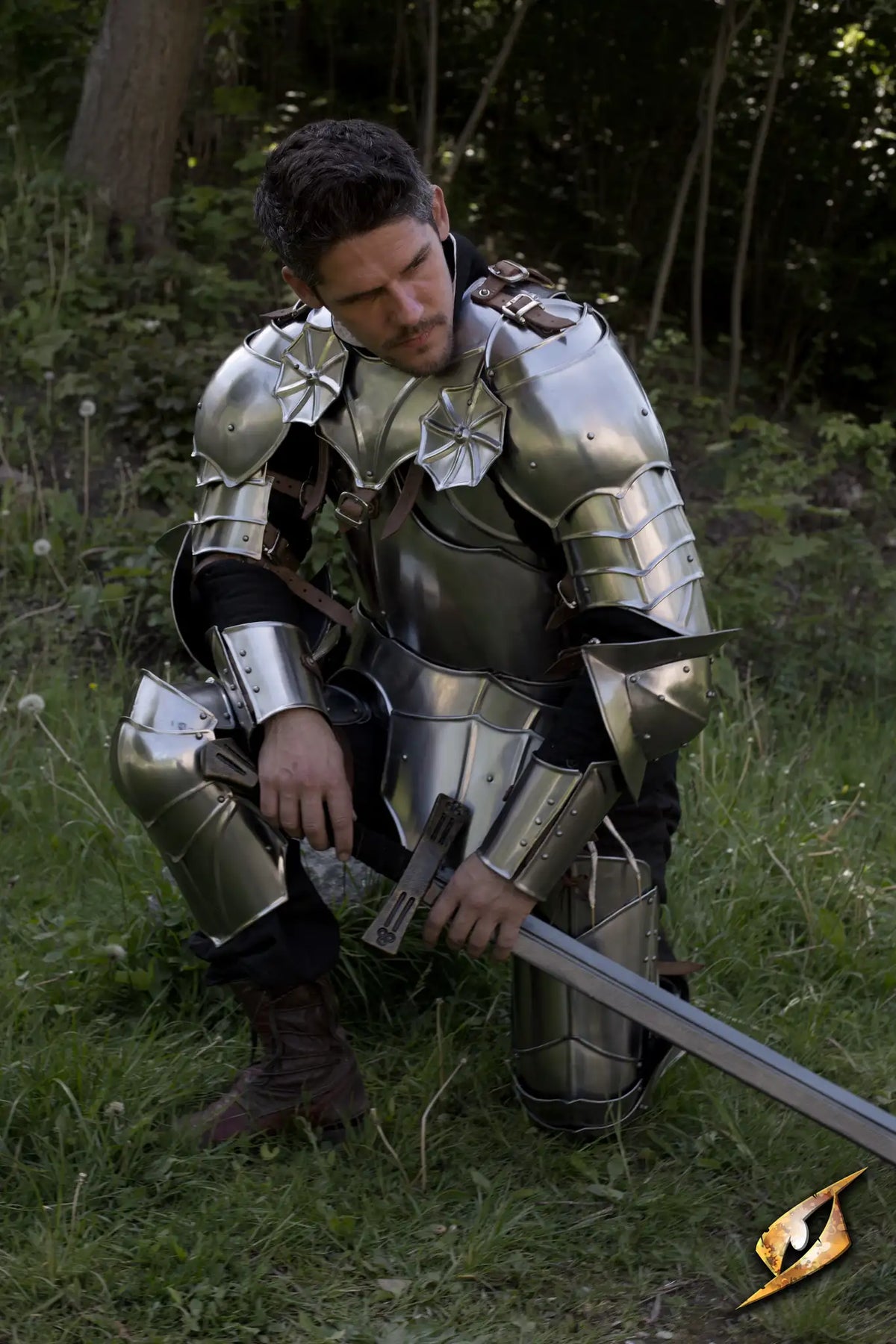
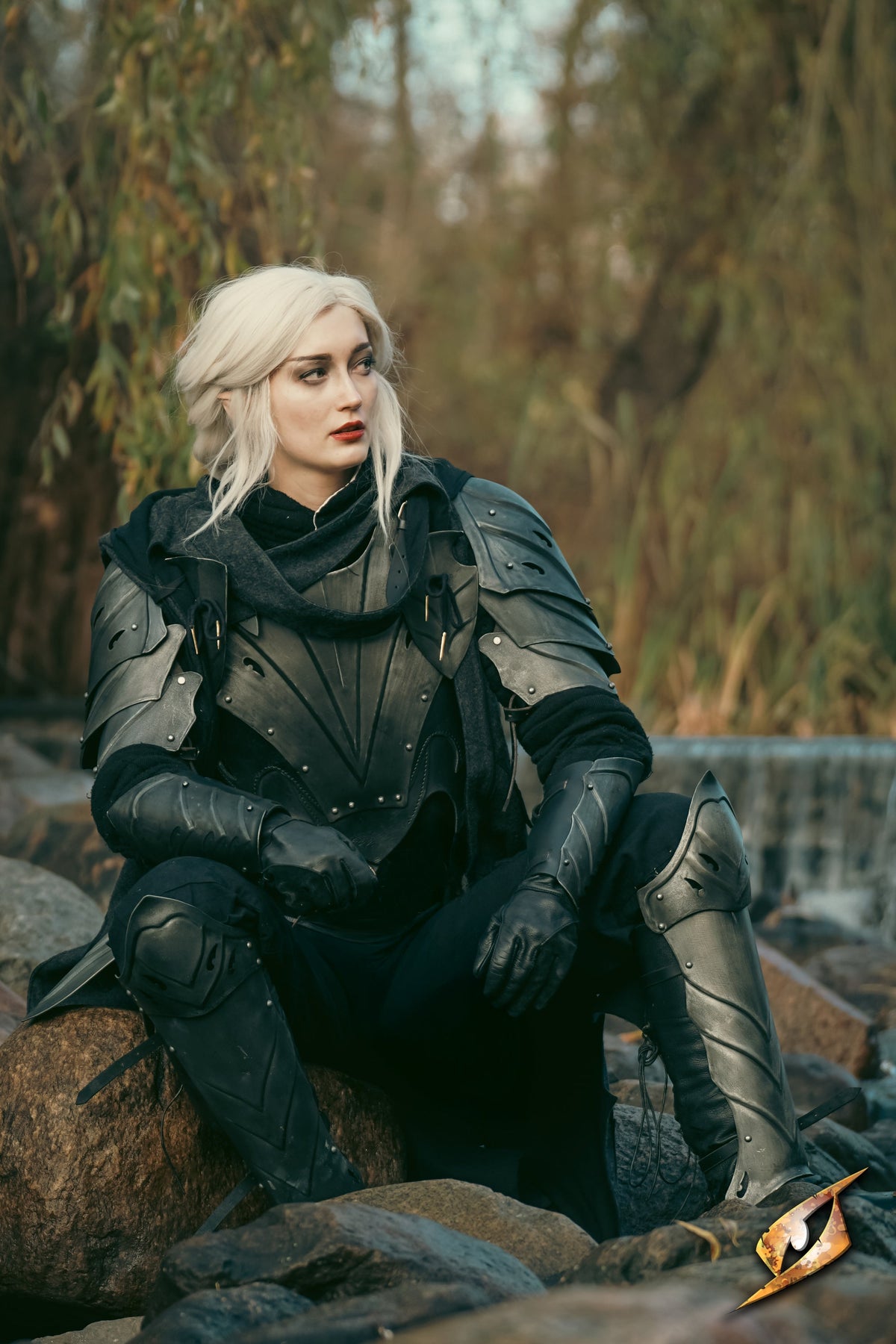
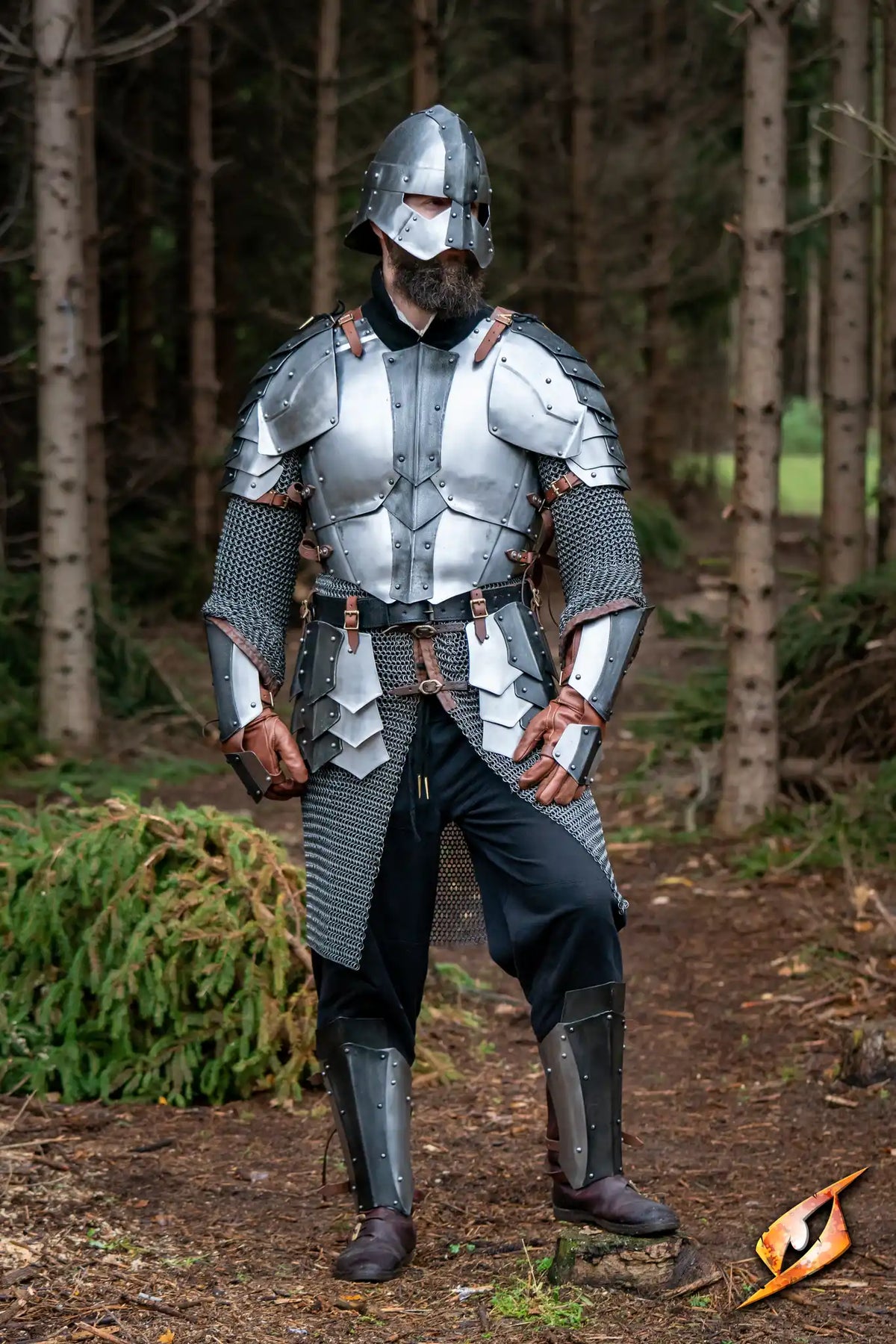
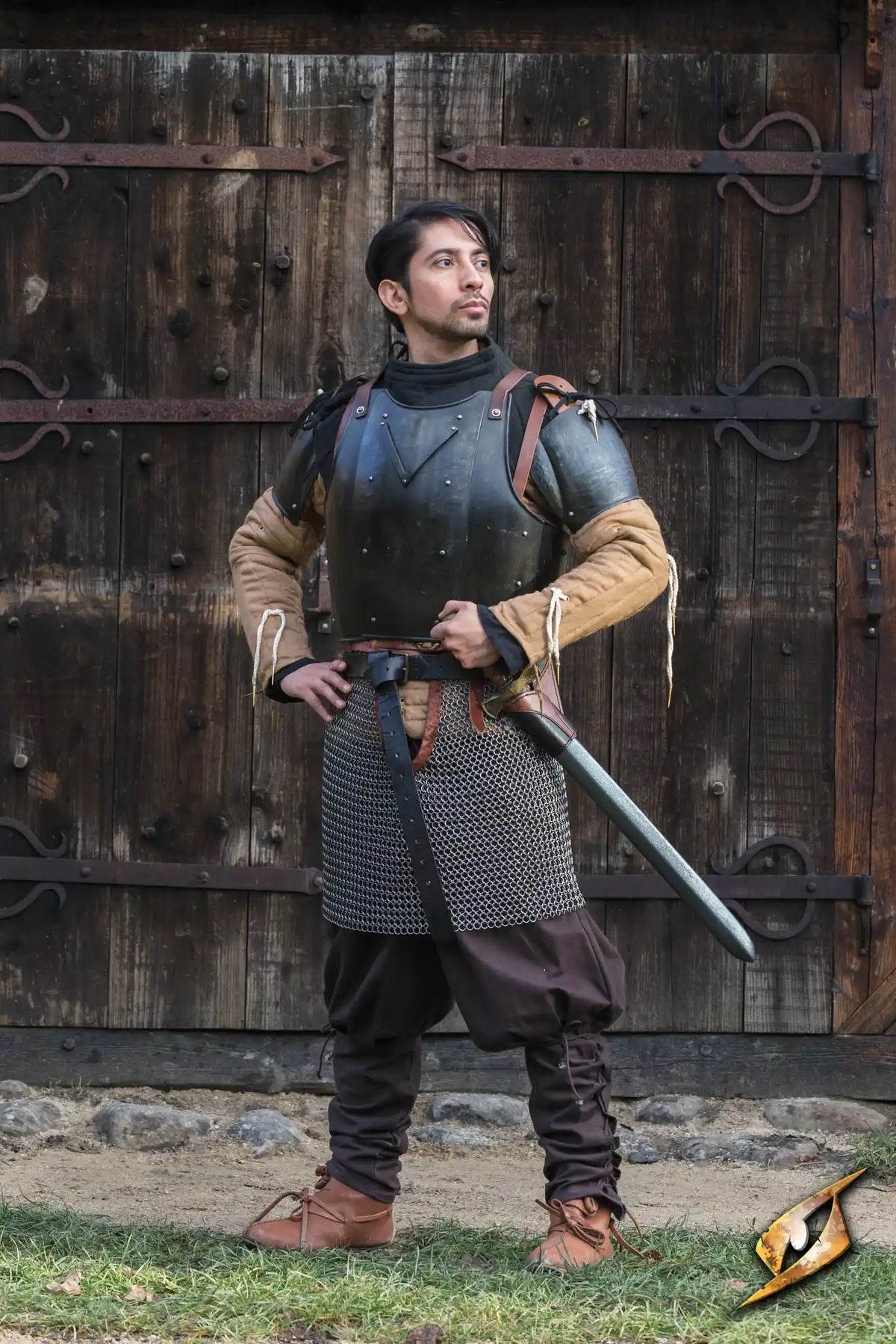
A suit of armor is the most complete statement a kit can make. Individual pieces build presence one layer at a time, but a full armor set does something different entirely: it establishes a character from head to hip in a single cohesive assembly, with every component designed to work together in finish, proportion, and aesthetic. For LARP, renfaire, and costume builds where the overall impression matters as much as any individual piece, a suit of armor is often the most efficient and visually rewarding way to get there.
What a Suit of Armor Actually Includes
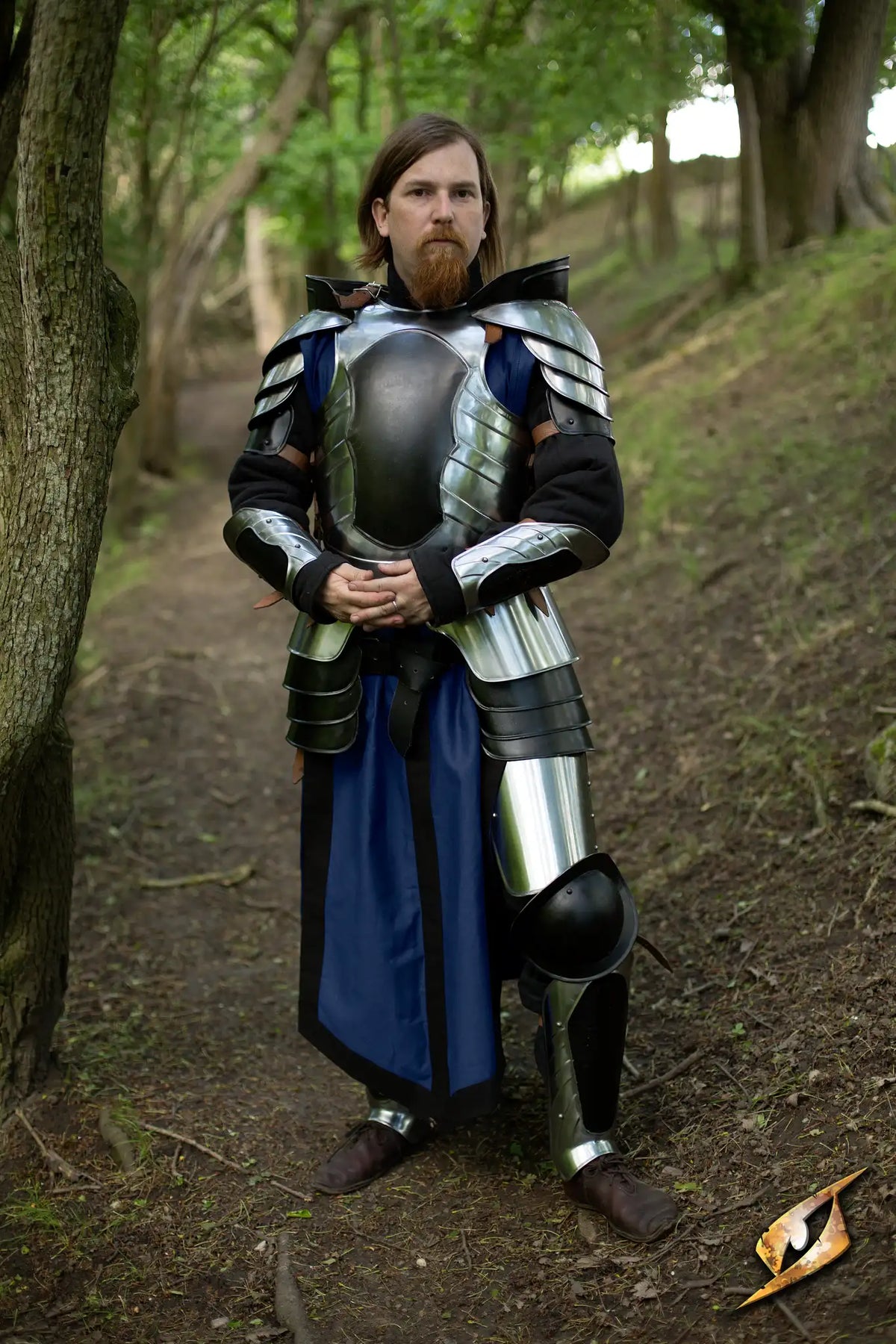
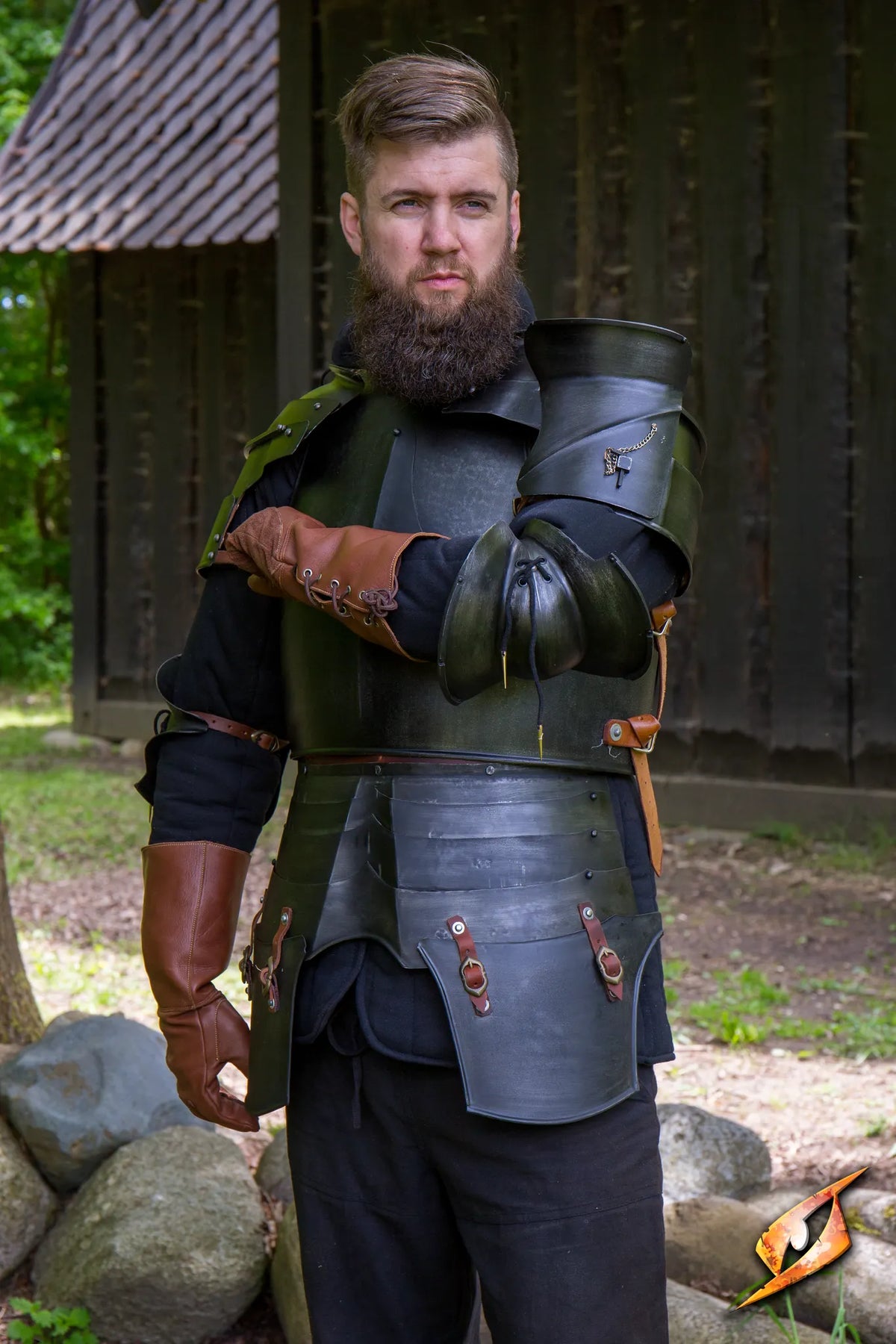
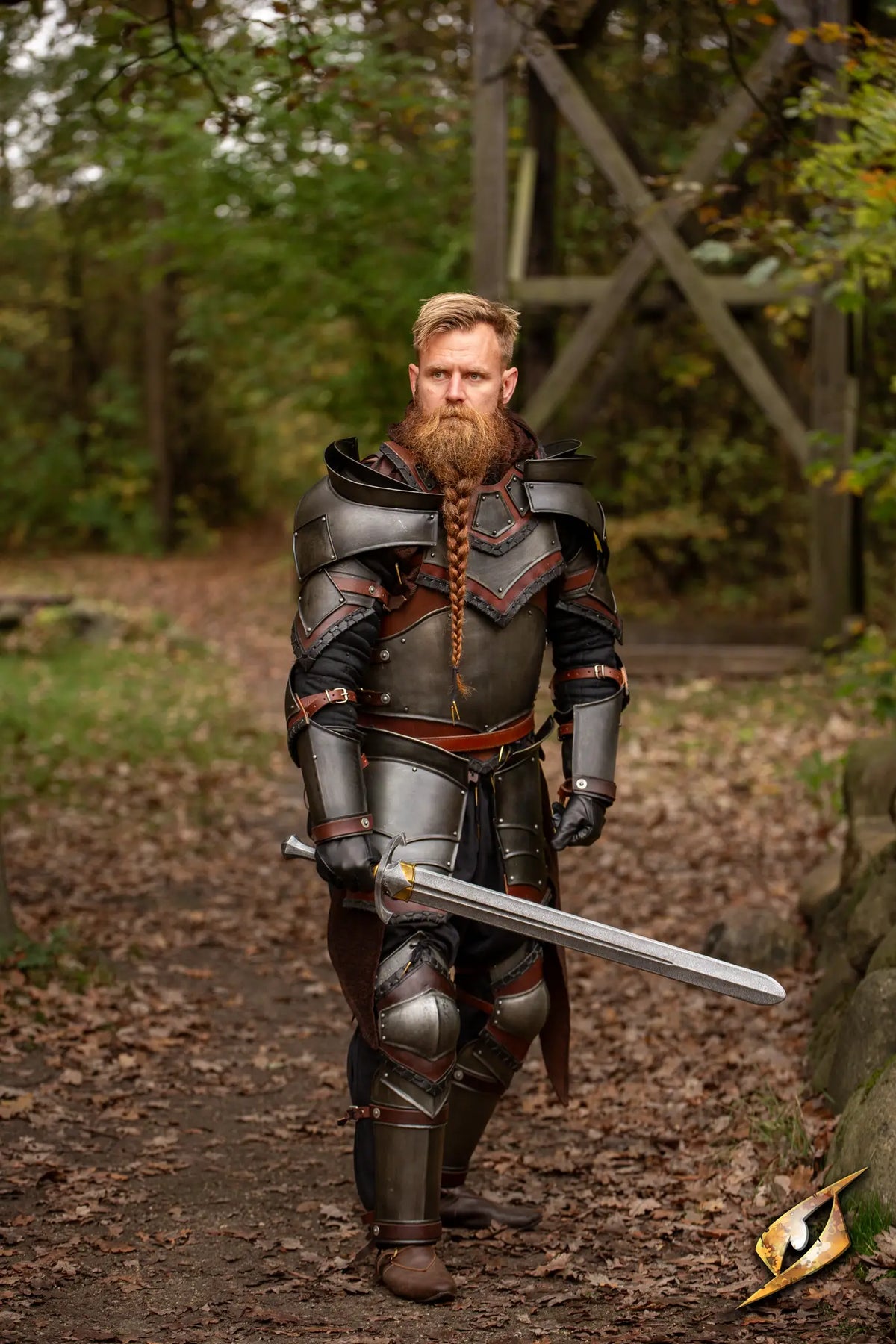
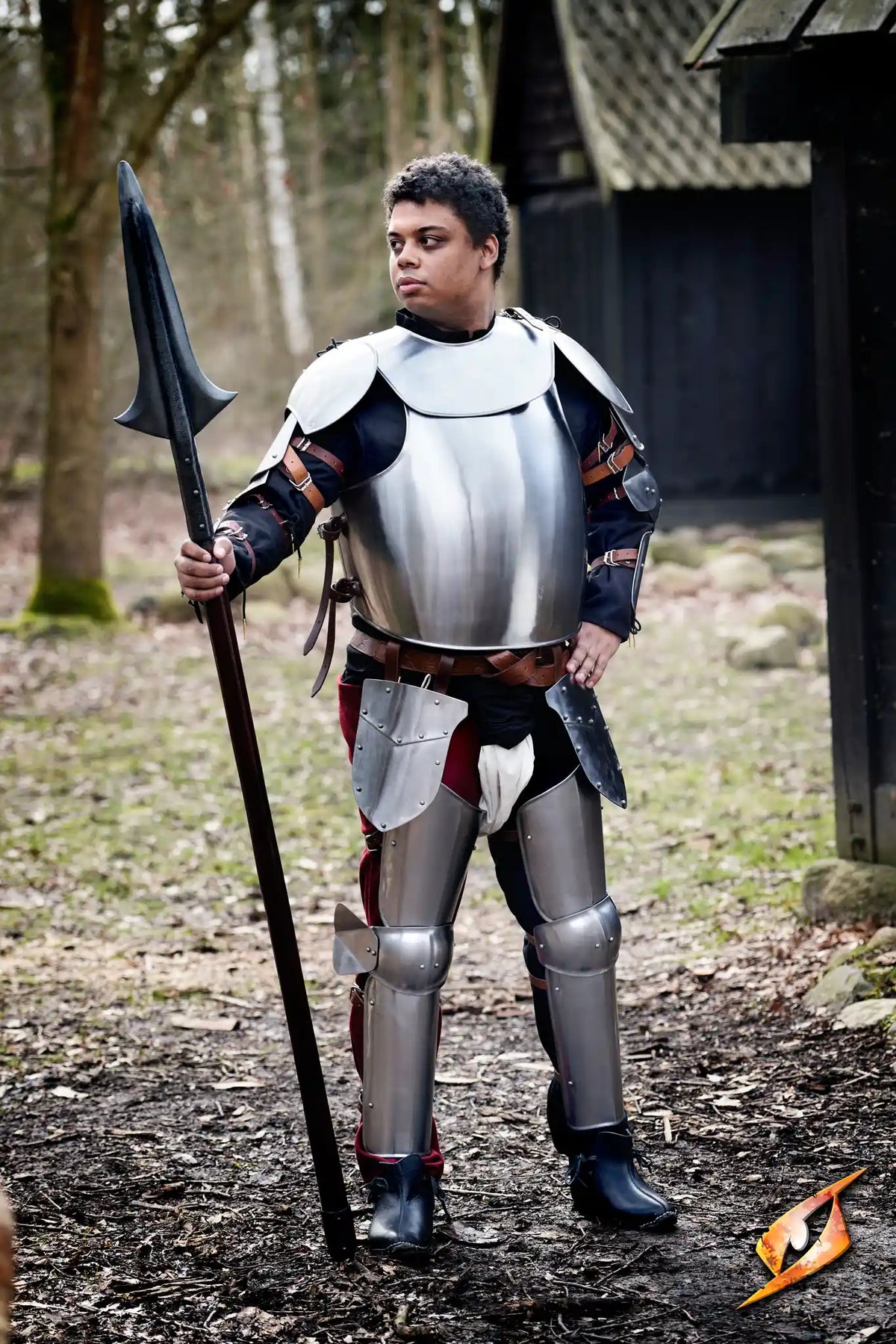
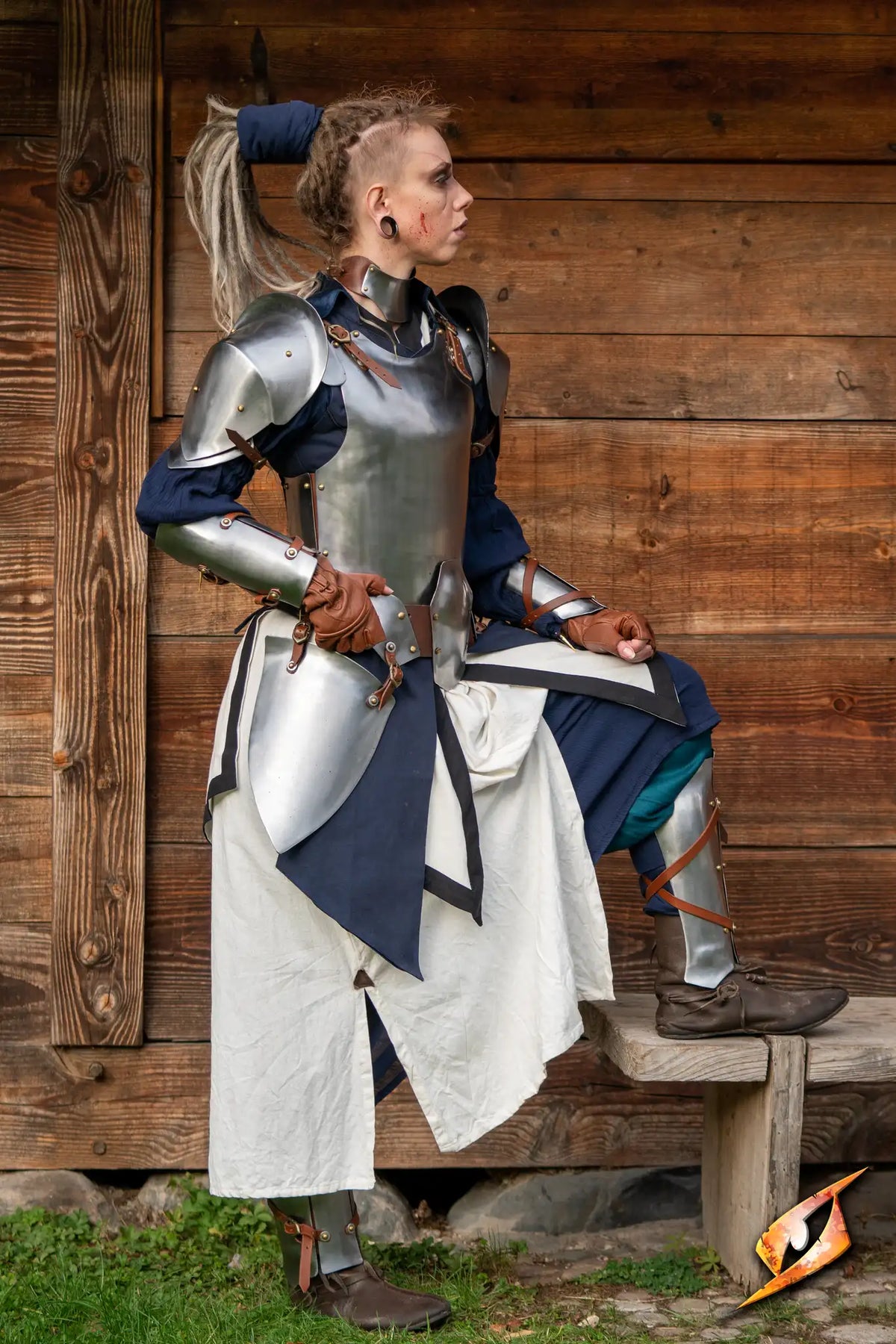
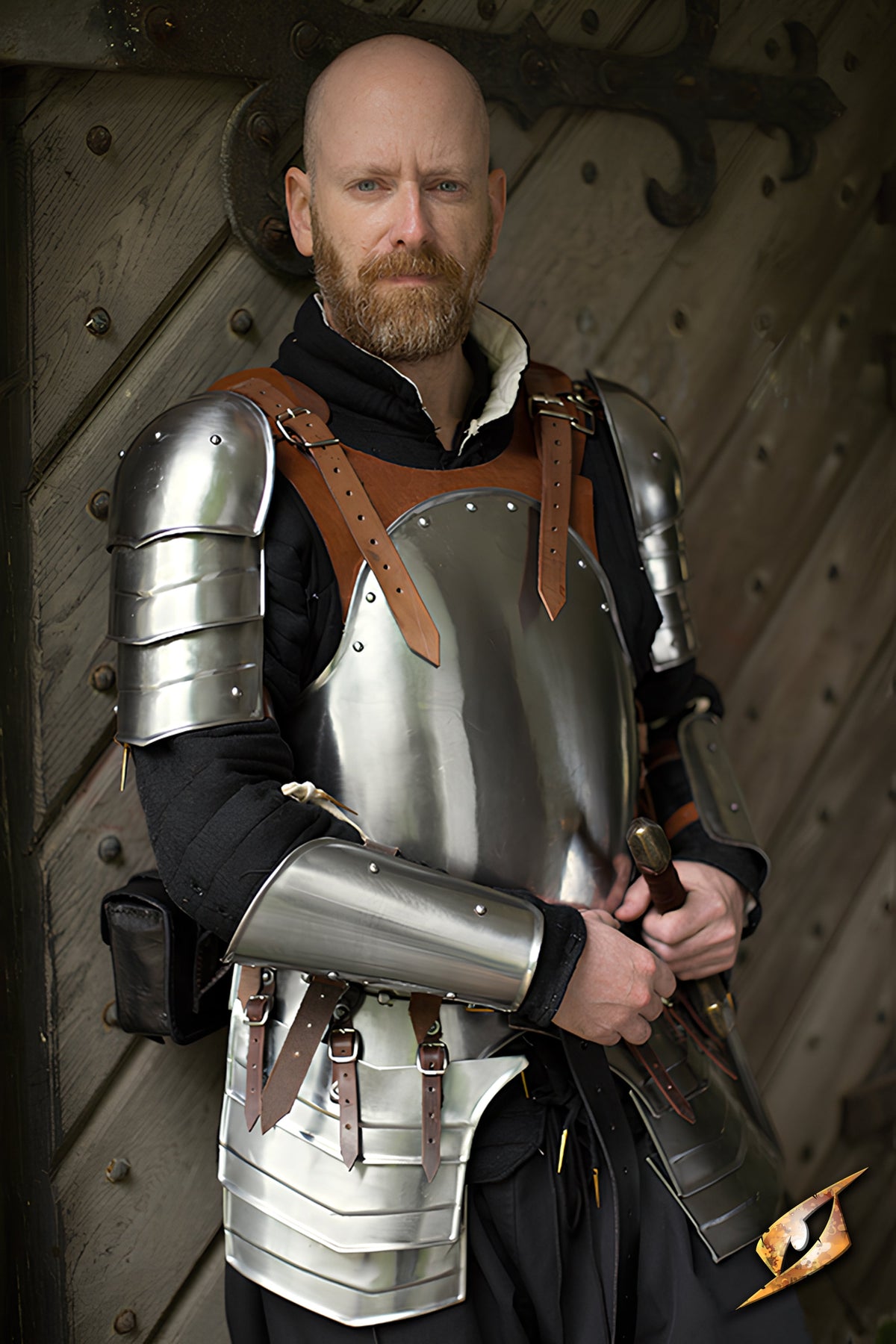
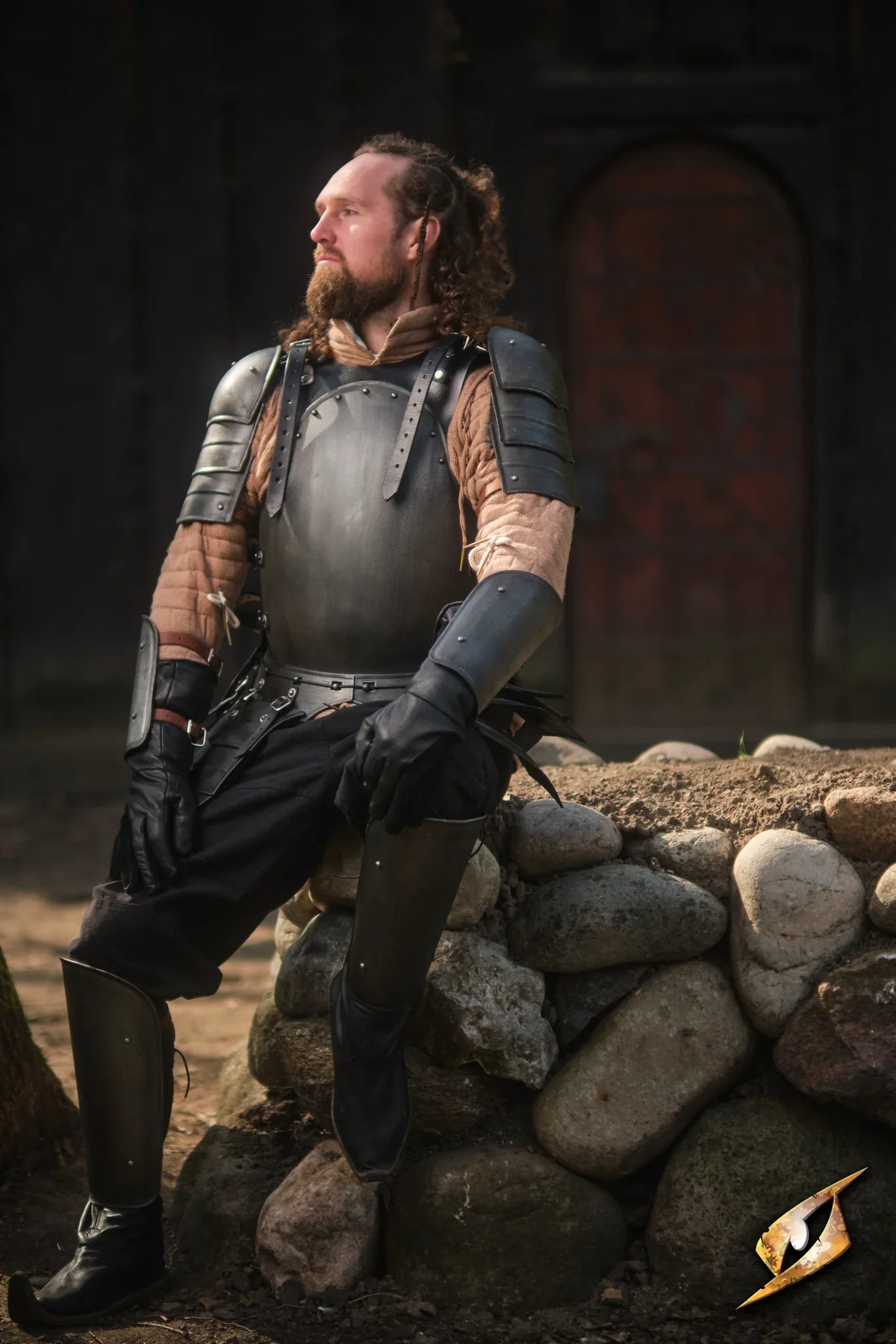
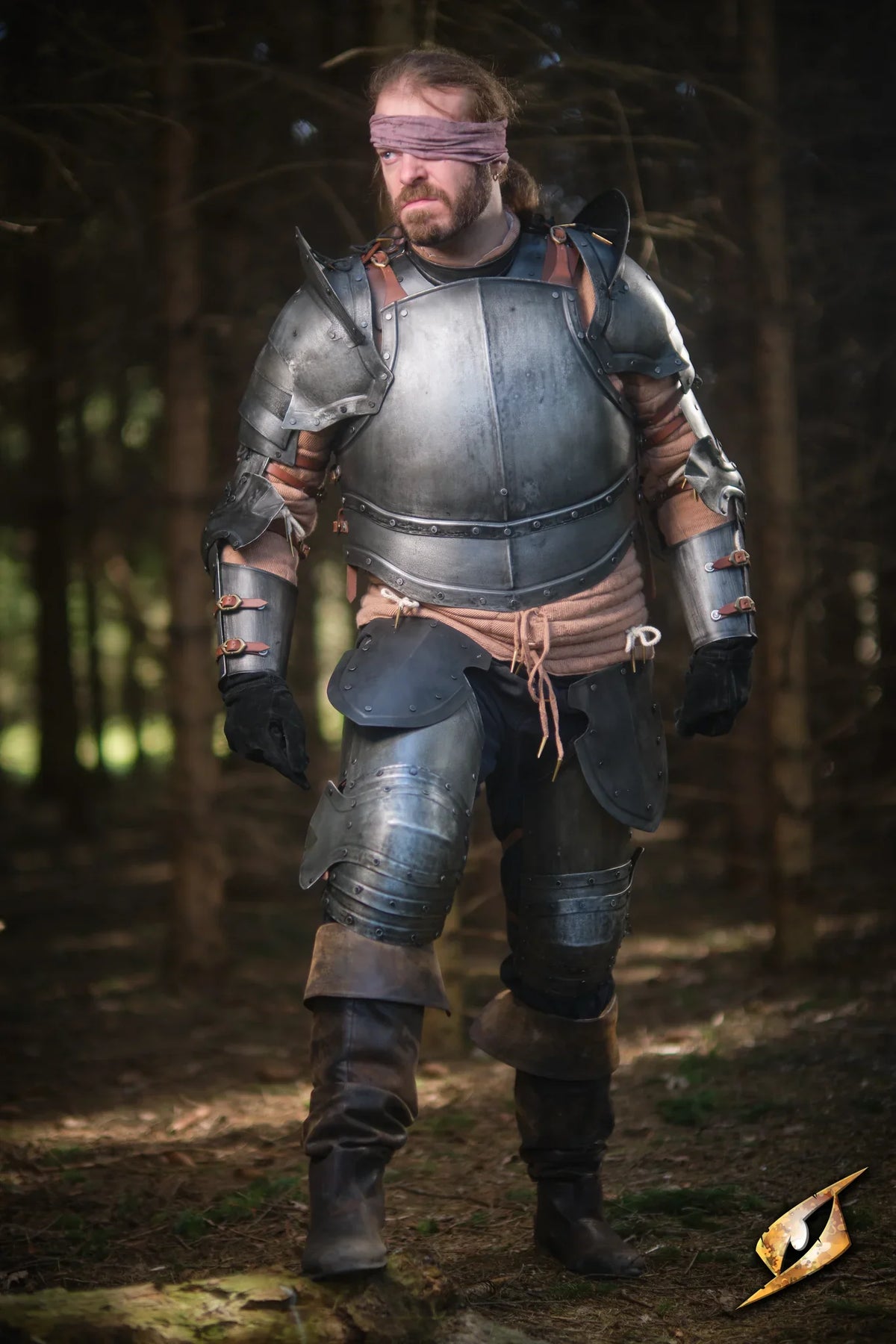
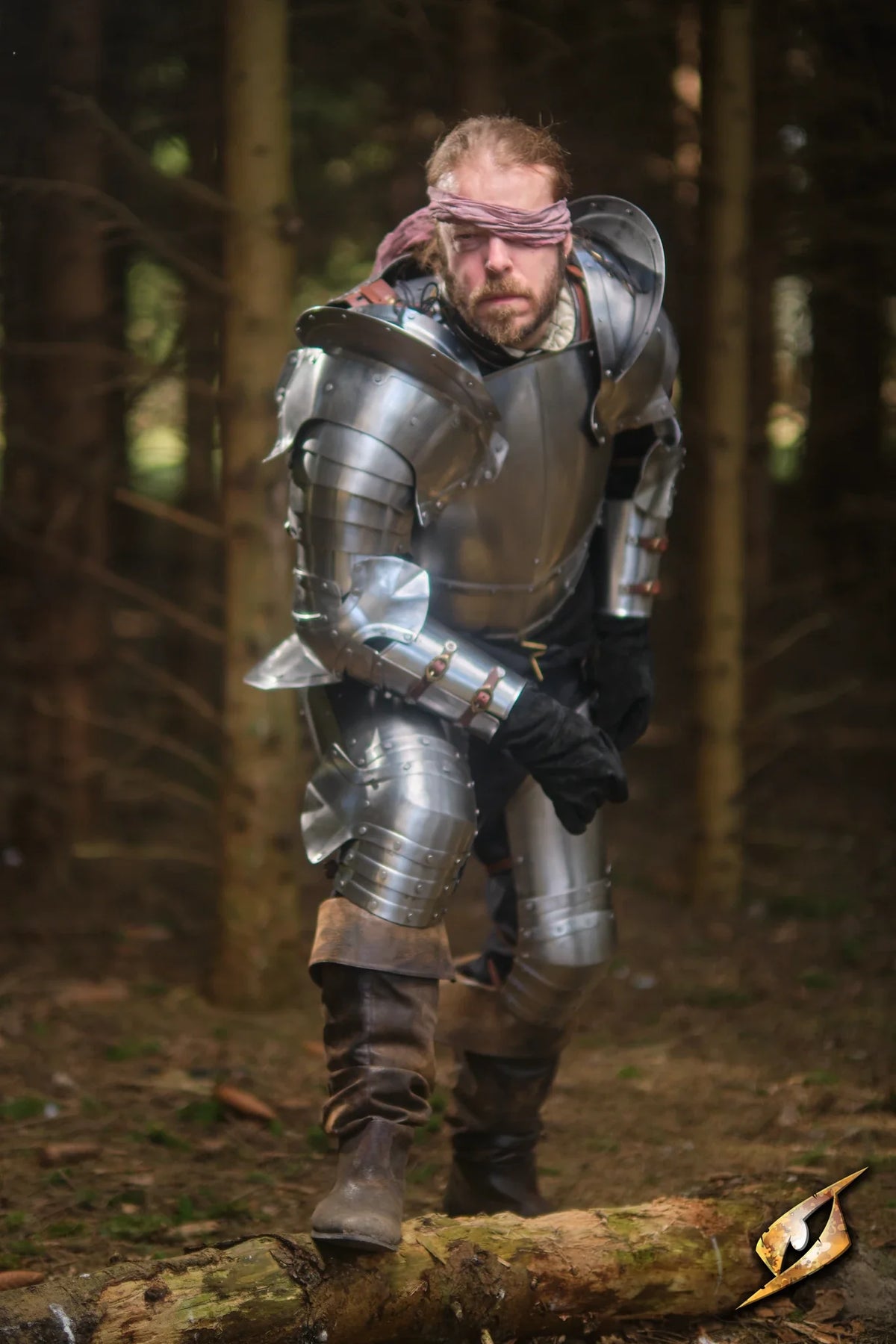
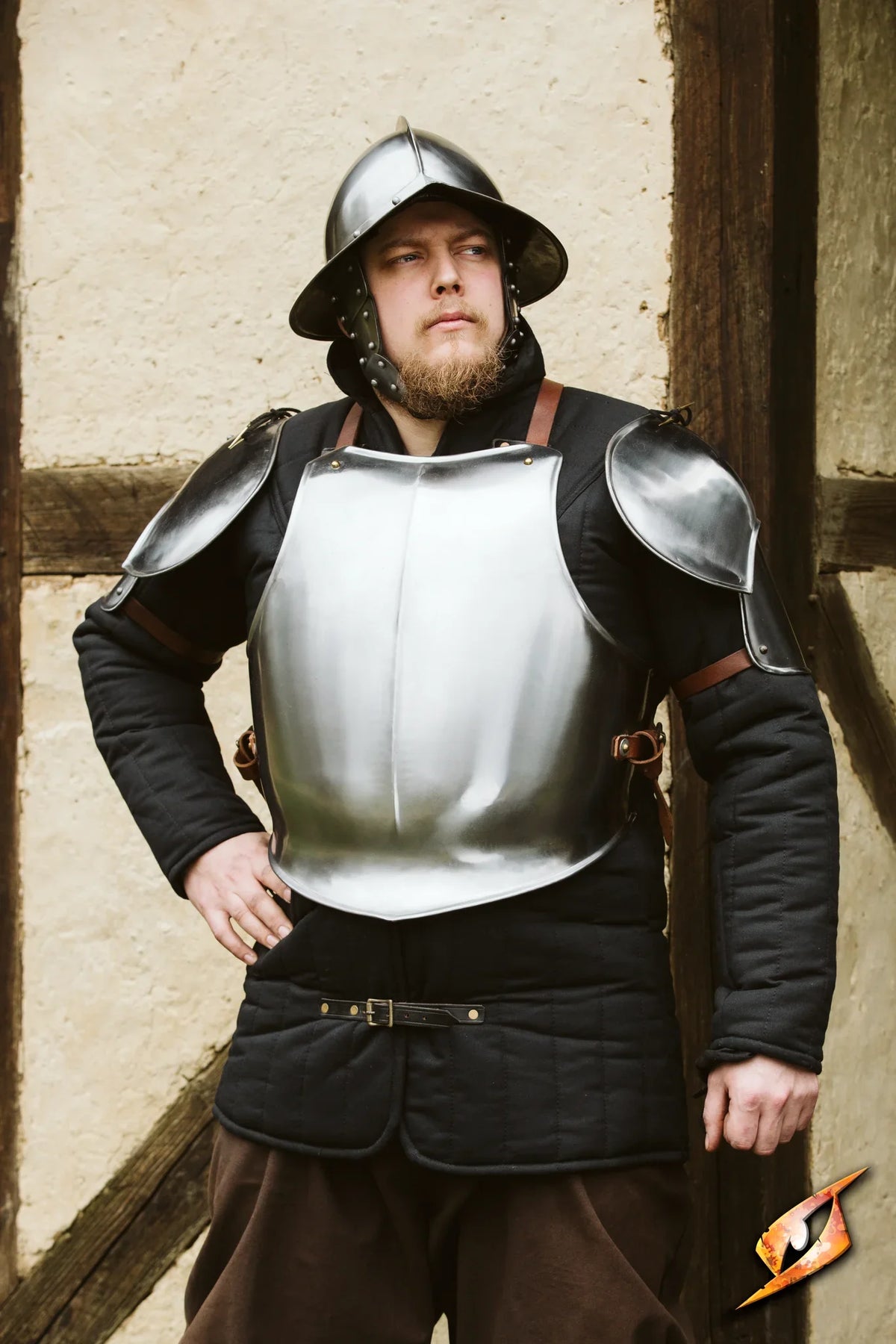
The term gets used loosely, so it is worth being specific. A suit of armor in the plate armor tradition typically refers to a matched set of steel components covering the major parts of the body: chest, back, shoulders, and often additional pieces extending to the arms or legs depending on how complete the set is.
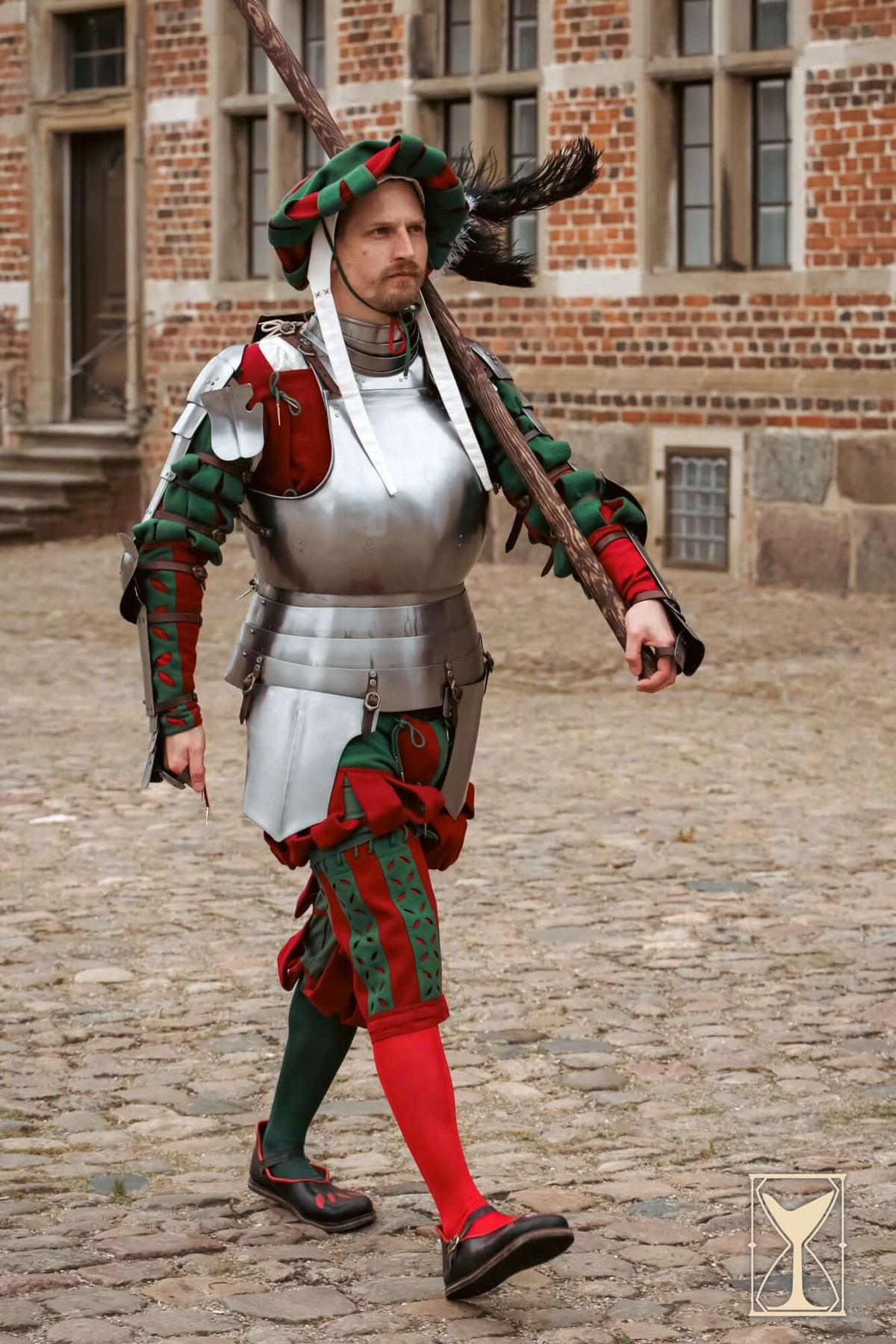
Historically, a full plate harness developed gradually across the 14th and 15th centuries as armorers refined the combination of individual components into a complete system. The great achievement of late medieval armor was not any single piece but the way every component worked together: shaped to the body, articulated at the joints, and designed so that no gap between pieces left the wearer unnecessarily exposed. A well-made suit of armor distributed weight across the whole body rather than concentrating it in one place, which is why a fully armored knight could move more freely than most people expect.
In a modern LARP or reenactment context, a suit of armor delivers that same logic in a single purchase: matched components, consistent finish, and proportions that work together out of the box rather than requiring the trial and error of building a harness piece by piece.
The Case for Buying a Set
Building a harness incrementally has real advantages, primarily flexibility and the ability to spread cost over time. But it also has a genuine drawback: components sourced separately from different lines or production runs can clash in finish, scale, and aesthetic in ways that are difficult to predict before the pieces arrive. A breastplate and pauldrons that look compatible in product photos do not always read as a matched set in person.
A suit of armor solves that problem directly. The components are designed together, finished together, and proportioned to work as a system. The result is a visual coherence that is difficult to replicate through individual purchases and immediately apparent when you see it assembled.
For buyers who are new to plate armor and uncertain where to start, a set also removes the decision paralysis of building from scratch. Rather than researching which breastplate pairs with which pauldrons and whether the finish will match, you make one decision and receive a complete upper body harness ready to wear.
Steel Construction and Finish
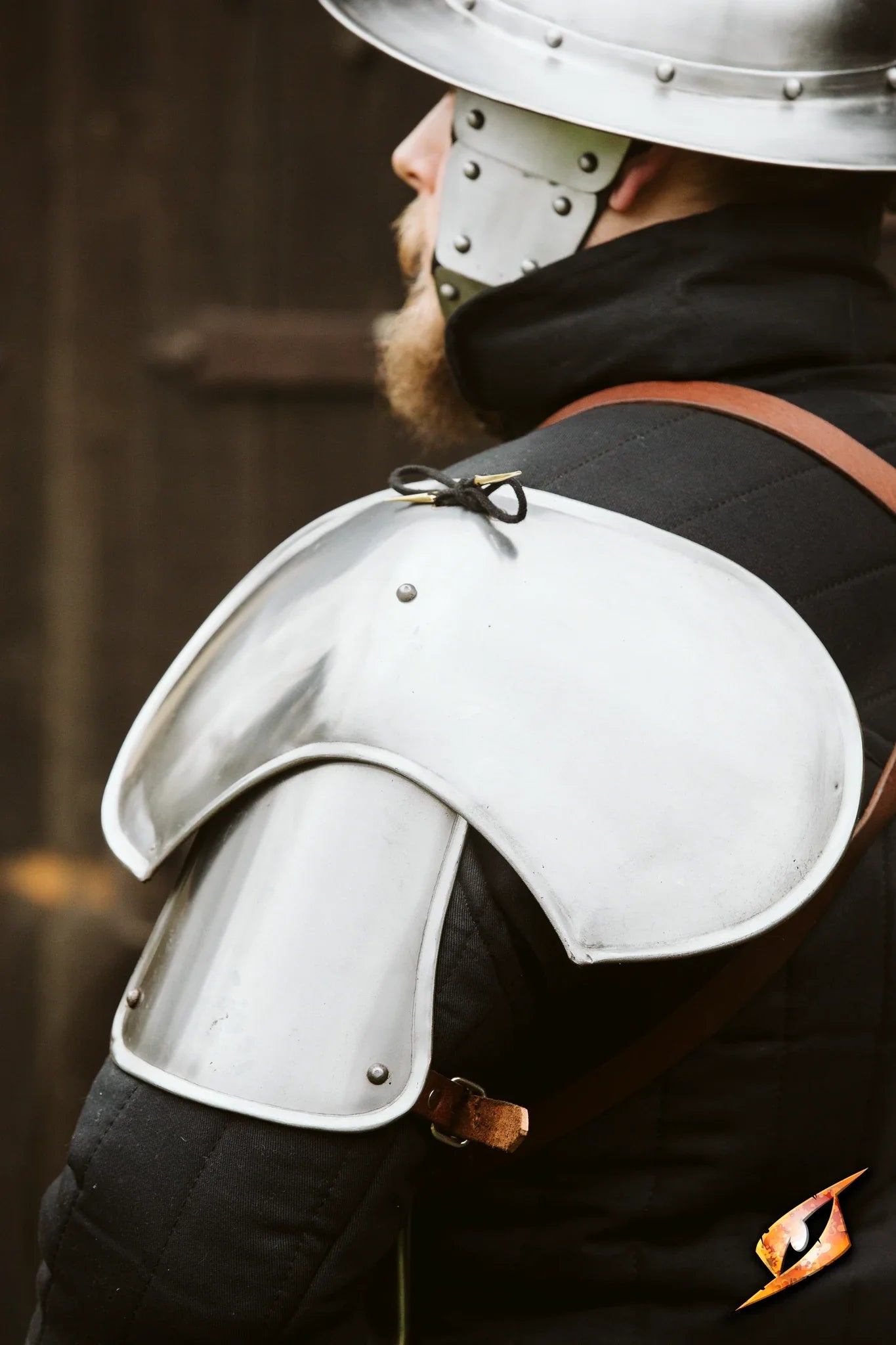
Every suit of armor in this range is built from mild steel, the same material used across the plate armor range. Mild steel is workable, durable, and capable of taking a convincing finish, and it is the material that historical reproduction armor has been made from for the same reasons.
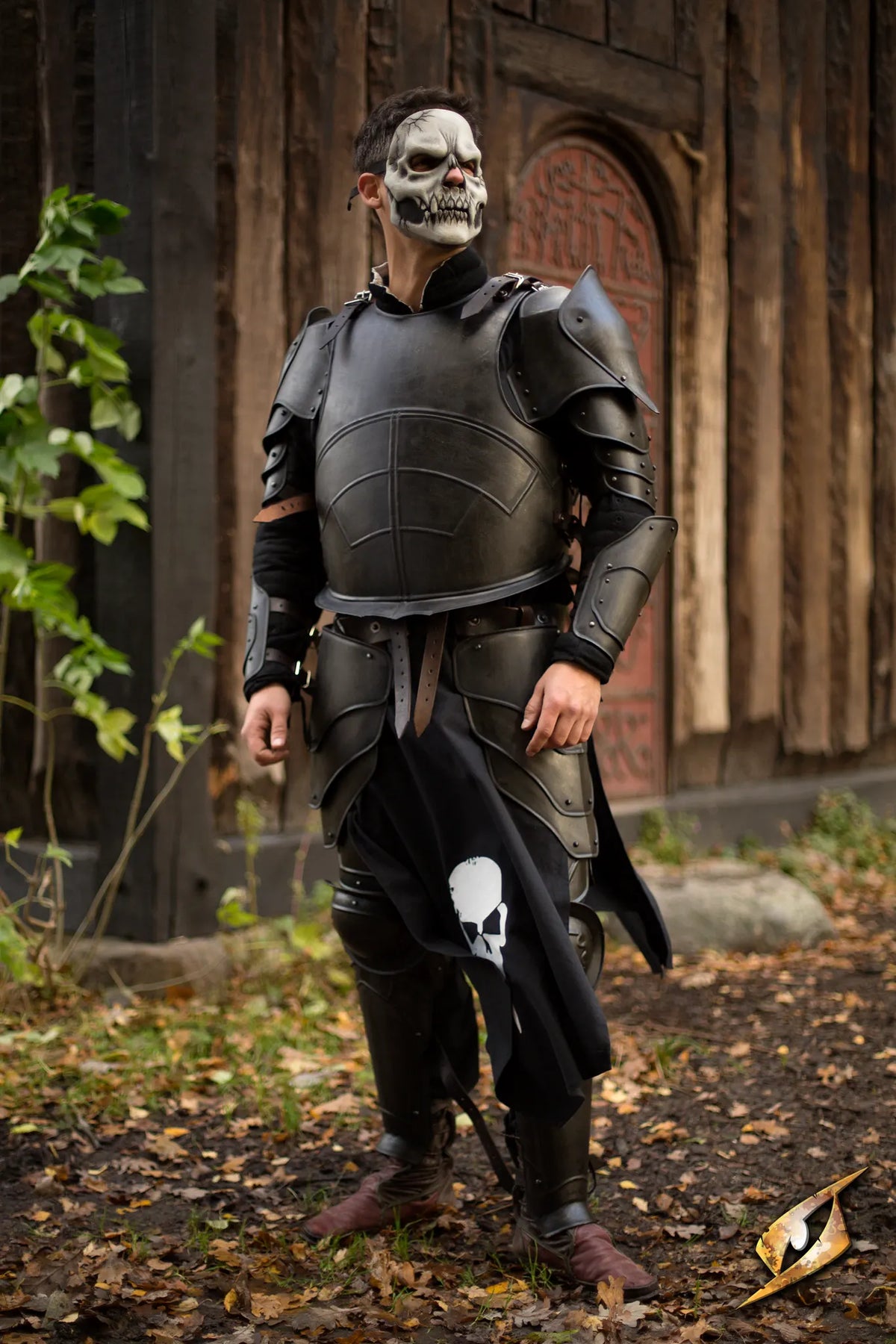
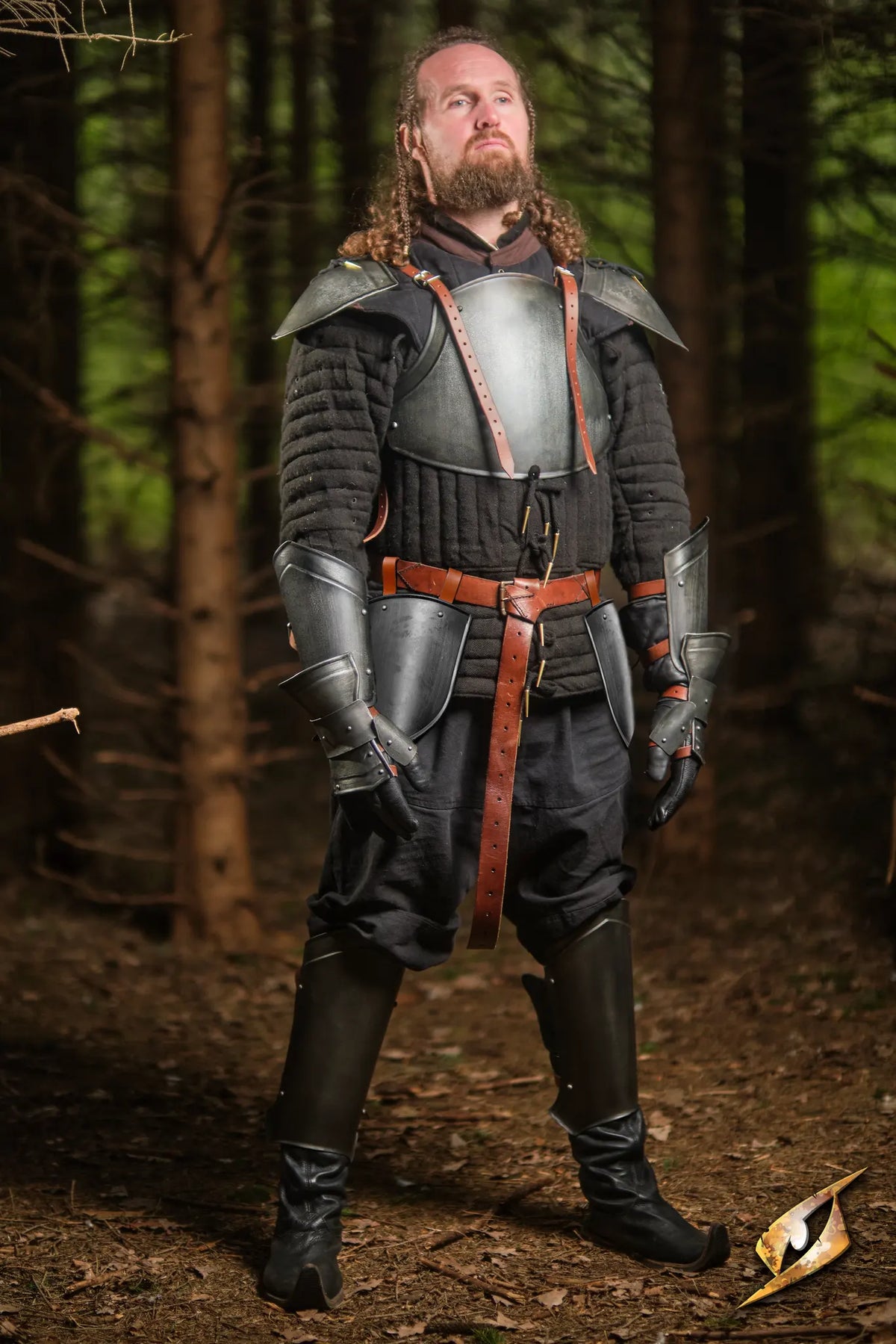
Finish varies across the range. Polished Steel produces a bright, reflective surface suited to maintained and ceremonial armor impressions. Epic Dark is an antiqued darker finish that reads as older and more worn. Some sets in the range offer both options, and the choice is primarily aesthetic: both finishes are equally durable for LARP and reenactment use.
Fit is worth particular attention when buying a set rather than individual pieces. Because multiple components need to work together across different parts of the body simultaneously, checking the size guide carefully before ordering is more important here than for any single piece purchase. Most sets offer a range of sizes, but sizing conventions can vary between lines.
Frequently Asked Questions
Can I add individual pieces to a suit of armor? Yes. Most sets are designed to be compatible with other pieces from the same range, and adding greaves, gauntlets, or additional arm protection to a set is a natural next step once the core harness is in place.
Are suits of armor practical for active LARP combat? Yes, with the caveat that a full steel harness requires some adjustment in movement. Most LARP players find they adapt quickly, and the weight distribution of a well-fitted suit is considerably more manageable than carrying equivalent weight in a single concentrated piece.
How do I maintain a steel armor set? Wipe down after use to remove moisture, apply a light coat of oil periodically to prevent rust on exposed steel, and condition any leather strap components with leather balm once or twice a year. Store flat or hanging rather than stacked under other gear.
Do suits of armor pass LARP weapon checks? Suits of armor are not subject to weapon checks in the way foam weapons are, but some LARP systems have rules around metal armor in combat. Check your specific event rules before attending in full steel.